Cost of Living in Guatemala City for Expats in 2026: Zones, Rent and Real Budgets
GUATEMALA · EXPAT GUIDE
Key Facts
- —The rent A one-bedroom in the centre averages 6,307 quetzales, about US$827. Outside the centre it is 4,156 quetzales, some US$545.
- —The zones Zona 10 is the expat default. Zona 14 and Zona 16 are quieter and dearer.
- —The bills Utilities for an 85 square metre flat run 579 quetzales, roughly US$76. Electricity is expensive by regional standards.
- —The single budget US$1,100 to US$1,400 modest, US$1,900 to US$2,600 comfortable, rent included.
- —The transport The bus rapid transit flat fare is 1.50 quetzales, about US$0.20. Most foreigners use ride-hailing instead.
- —The catch International school fees run US$9,000 to US$14,000 per child a year, higher than elsewhere in Central America.
This is a city where foreigners do not buy housing and transport. They buy guarded housing and avoided routes, and that surcharge is the whole story.
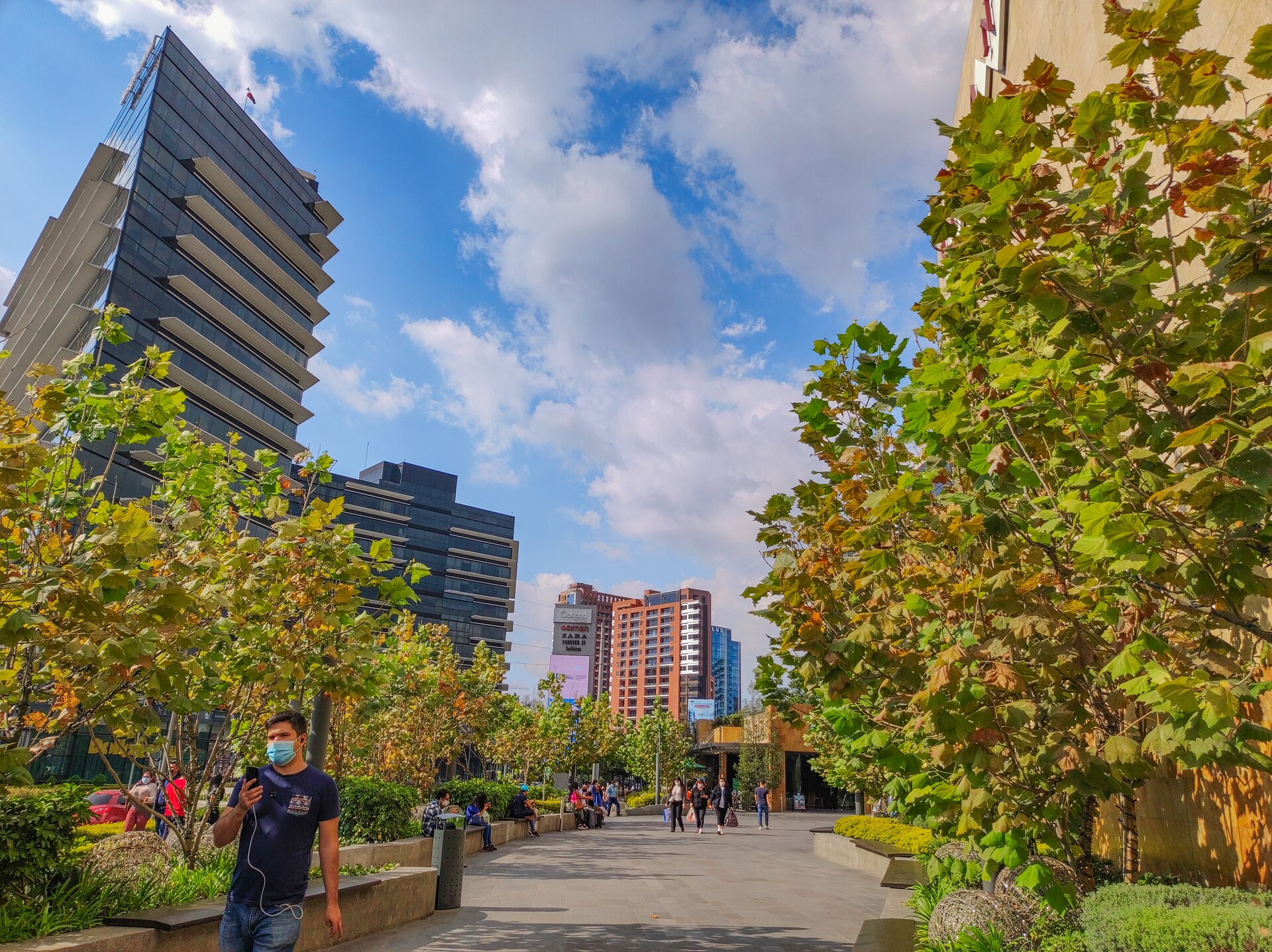
Guatemala City is organised by numbered zones, and the number decides almost everything about a foreigner’s budget. Rent, safety, commute and school run all follow from it.
The exchange rate used throughout is 7.62817 quetzales to the dollar. That is the Banco de Guatemala reference rate for Saturday 13 September 2026.
What Rent Actually Costs
A one-bedroom in the centre averages 6,307 quetzales a month, about US$827. Outside the centre it is 4,156 quetzales, roughly US$545.
A three-bedroom runs 11,803 quetzales in the centre, some US$1,547, and 6,249 outside it, about US$819.
By zone the spread is wider. Zona 1 one-bedrooms go for US$300 to US$500 and Zona 4 for US$500 to US$700.
Zona 10 runs US$750 to US$1,035 and Zona 14 US$900 to US$1,300. Cayalá in Zona 16 reaches US$1,800.
The crowd-sourced sample for Guatemala City is the thinnest of any major Central American capital. Treat the averages as a direction rather than a price list.
The Zones, in Order
Zona 10, the Zona Viva, is the default. Embassies, restaurants, hotels and the shortest commute to anywhere a foreigner needs to be.
Zona 14 is quiet, affluent and full of families and diplomats. Zona 16, Cayalá, is a walled new-urbanist town with its own plazas and the highest rents.
Zona 4 has the arts scene, the coworking spaces and the converted warehouses. It is the mid-budget answer.
Zona 1, the historic centre, is the cheapest and most characterful. It is fine by day and not a first-year residential recommendation.
Bills, Food and Getting Around
Utilities for an 85 square metre flat run 579 quetzales, roughly US$76. Internet above 60 megabits is 348 quetzales, some US$46.
Electricity is the surprise. The capital’s distributor charges about 1.42 to 1.51 quetzales a kilowatt hour, roughly US$0.20.
There are no consumption tiers. That is closer to United States levels than most arrivals expect.
A single air-conditioning unit adds 500 quetzales a month, some US$66. Rates were held flat for the May to July 2026 quarter.
A cheap restaurant meal is 52 quetzales, about US$7. Dinner for two at a mid-range place is 378 quetzales, roughly US$50.
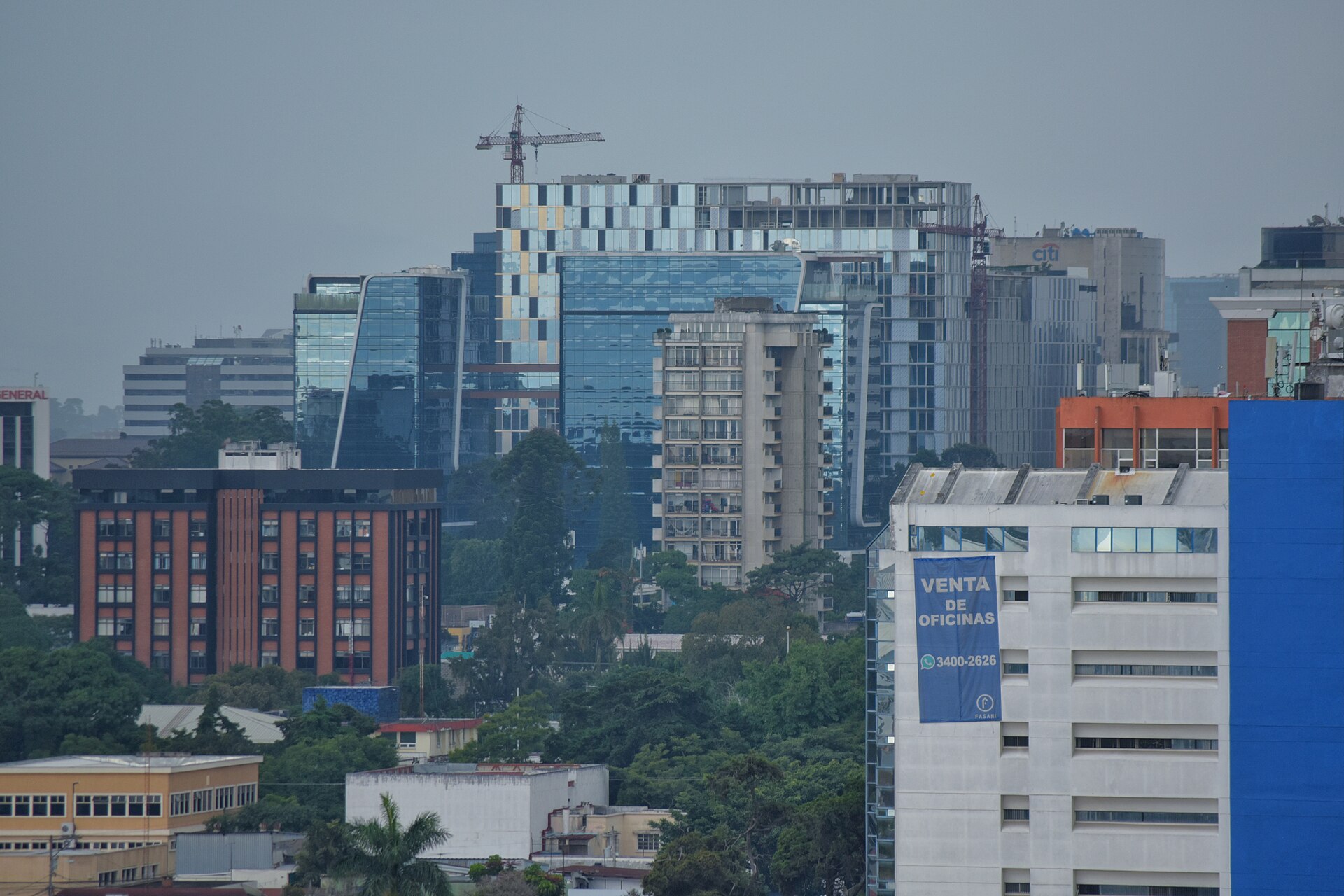
Transport, and Why the Bus Fare Is Misleading
The bus rapid transit system charges a flat 1.50 quetzales, about US$0.20. It is clean, card-based and cheap.
It also does not usefully serve Zonas 14, 15 or 16, and foreign residents are routinely advised against the red private buses. So the real transport budget is ride-hailing.
A short ride-hail trip runs 20 to 60 quetzales, US$2.60 to US$7.80. Airport to Zona 10 is 25 to 40 quetzales, about US$3 to US$5.
Surge pricing of 1.5 to 3 times applies during the daily rains from May to October. That is half the year.
Most foreigners end up driving or ride-hailing everywhere. Budget accordingly rather than on the headline fare.
Health Cover
Private consultations run 300 to 600 quetzales, about US$39 to US$79. Insurance premiums are harder to pin down.
The most careful local source deliberately withdrew its price figures this year, saying none could be traced to a published rate card. Quote directly from the insurers rather than trusting a circulating range.
Social security health cover is closed to most foreigners, since it serves formal-sector contributors and their dependants. The health ministry network is open by law to all inhabitants, and foreign residents use it for emergencies while carrying private cover.
The Real Budget
A single person needs US$1,100 to US$1,400 a month to live modestly, and US$1,900 to US$2,600 to be comfortable. A couple needs US$1,500 to US$1,900 and US$2,700 to US$3,600 respectively.
For scale, the statistics institute puts the expanded basic basket for an urban family at 9,309 quetzales, roughly US$1,220. That is a local household, not a foreign one.
The Catch
The premium is security and mobility. Guarded buildings, gated compounds and ride-hailing take a disproportionate share of a foreign budget here.
International school fees are the sharpest version of it, at 70,000 to 110,000 quetzales per child a year, US$9,000 to US$14,000. That is higher than elsewhere in Central America and the standard shock for arriving families.
What Changed This Year
The minimum wage rose up to 7.5 percent on 1 January 2026. In the capital the non-agricultural figure is 4,252.28 quetzales a month including the incentive bonus, about US$558.
A property tax and stamp duty reform passed in 2026, but almost all of it takes effect on 8 January 2027. The one part landing this year stops municipalities cutting off water or refuse collection over unpaid property tax, from late November.
Inflation is around one percent and the quetzal has been among the steadiest currencies in the region. There is no rent control.
More: Latin America news in English, every day from The Rio Times.
Frequently Asked Questions
Which zones should a foreigner live in?
Zona 10 is the default, Zona 14 and Zona 16 are quieter and more expensive, and Zona 4 suits mid-budget remote workers. Zona 1 is cheap and not a first-year choice.
How much does a single person need in Guatemala City?
US$1,100 to US$1,400 a month modestly and US$1,900 to US$2,600 comfortably, rent included.
Is public transport usable?
The bus rapid transit is cheap at about US$0.20 but does not serve the zones foreigners live in. Most residents ride-hail or drive.
Why is electricity expensive?
There are no consumption tiers. The capital’s distributor charges roughly US$0.19 to US$0.20 a kilowatt hour, close to United States levels.
What is the exchange rate?
7.62817 quetzales to the US dollar, the Banco de Guatemala reference rate for 13 September 2026.
Sources: Numbeo, Banco de Guatemala, INE, CNEE, Prensa Libre, LivingInGuatemala, TheLatinvestor.
This article was produced by The Rio Times’ automated newsroom system. How we use AI · Report an error
Read More from The Rio Times