
DR Congo’s Mines Minister, Louis Watum Kabamba, defended an order widening the mining royalty to cover by-products before the Senate, the upper house of parliament, in Kinshasa on Tuesday 17 November 2026. The order he backed adds 16 mineral substances, including gold and platinum, to the base for the mining royalty, a state charge on mine output.
The stakes are public revenue, and the numbers are contested. Journal de Kinshasa, a Congolese news site, put the minister’s estimate at nearly US$13 million a month (18 November 2026), while Radio Okapi, a UN-founded Congolese radio, said senators cited a possible US$800 million shortfall.
Key Facts
- What Minister Louis Watum Kabamba defended an order, in force since 1 October, adding 16 minerals to the royalty base.
- Money The minister estimates nearly US$13 million a month; senators cite a possible shortfall above US$800 million.
- Dispute Senators pointed to a cut in the by-product valorisation rate from 85% to 55%.
- Next The minister sought 48 hours for detailed answers; none found yet.
- As of 18 November 2026, 19:30 GMT
DR Congo’s Mines Minister defends a wider royalty base, while senators press him on the numbers and the written answers still due.
The Big Picture
The order is an interministerial order, dated 29 June 2026. It took effect on 1 October 2026 and adds 16 mineral substances to the base on which the mining royalty is calculated.
Gold, silver, platinum and palladium are named, and Journal de Kinshasa (18 November 2026) also lists gallium, germanium and indium. Senator Pancrace Boongo Nkoy, who put the question, opened the debate with an oral question on how by-products are identified, marketed and taxed.
The government says its aim is public revenue from minerals of economic value. The senators tested the figures.
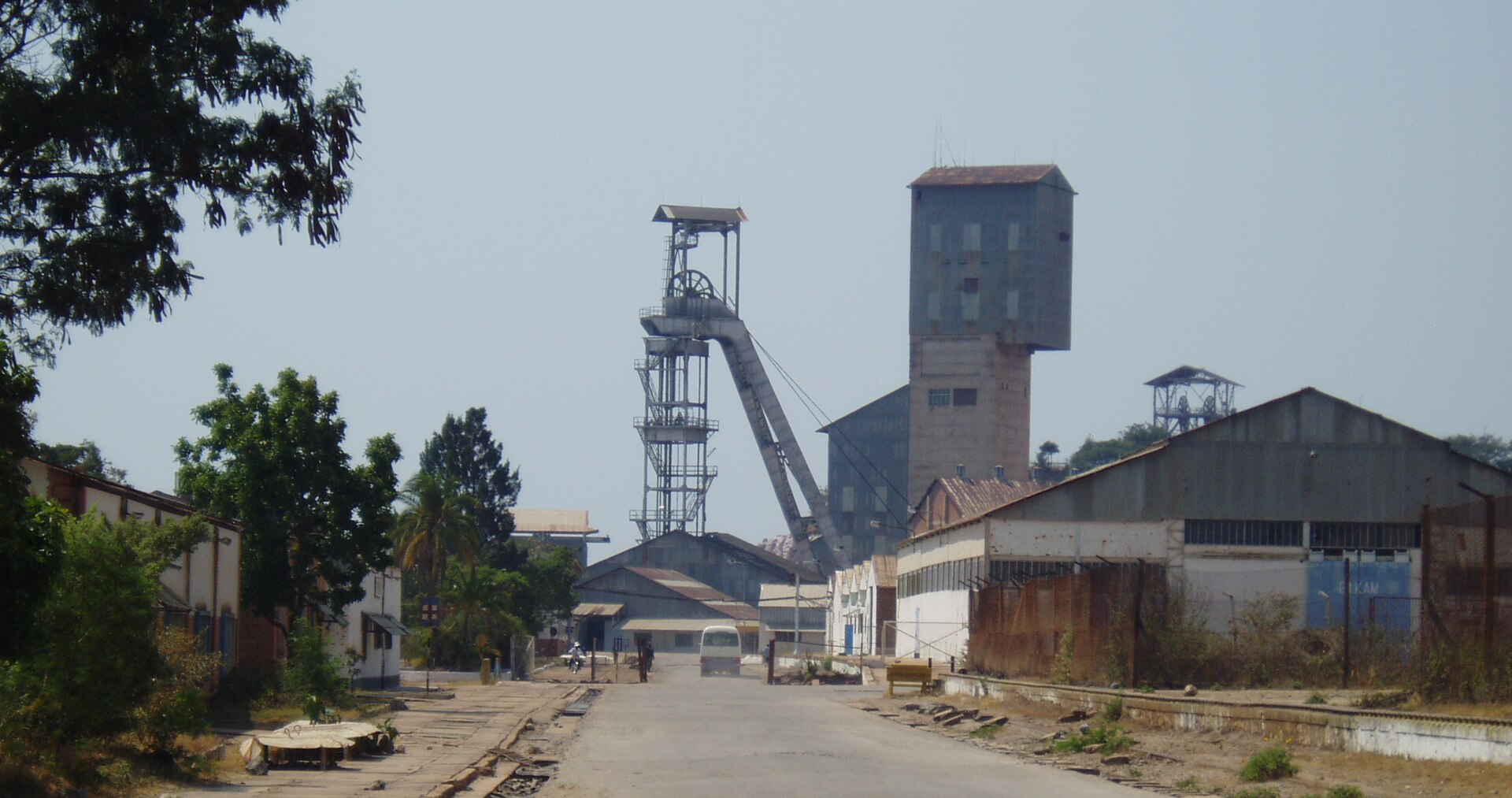
What Senators Challenged
Radio Okapi (18 November 2026) said several senators cited an estimated shortfall of more than US$800 million. The minister replied that it must still be checked against data from the Centre d’expertise, d’évaluation et de certification (CEEC), the state mineral certifier.
Radio Okapi also said senators questioned the tax regime on artisanal gold and on the company DRC Gold Trading. The minister defended a 0.25% rate applied to it, saying it rests on a specific legal framework and helps fight fraud, smuggling and informal gold circuits.
Journal de Kinshasa (18 November 2026, reporter Cyntiche Pandi) said senators questioned the absence of a Finance Ministry signature on the order. They also asked about the role of customs agency DGDA in recovery, and the reference prices and transfer costs used.
Senators also raised traceability. Public laboratories and ARECOMS, the state body that validates analyses of mining products, matter for checking exports.
Why It Matters
Adding substances to the royalty base raises what the state can charge. Journal de Kinshasa (18 November 2026) said the minister estimates the royalty on these exports could yield nearly US$13 million a month, subject to exact grades and world prices.
The same paper said 13 mining companies are affected, among them Kamoa, a copper mining venture, and Sabwe Mining. We found no official figure beyond these estimates, so both US$ numbers are unverified.
The Strongest Counter-View
Journal de Kinshasa (18 November 2026) said the by-product valorisation rate was cut from 85% to 55%. It added that, by calculations raised in plenary, keeping 85% would have yielded US$30 million to US$35 million a month.
The same paper reports that the minister’s estimate depends on exact grades and world prices. We hold no stated reason for the 55% rate.
What to Watch
The minister sought and obtained 48 hours under the Senate’s internal rules, so a written reply is due by about Thursday 19 November 2026. It could show how CEEC data treats the US$800 million estimate.
A second checkpoint is the Finance Ministry’s answer on its missing signature; the date is not confirmed. The CEEC data has no confirmed date either.
What Is Not Known
The written reply due within 48 hours has not been found yet, so the minister’s detailed answers are unknown. The size of any shortfall, whether US$800 million or another figure, is unchecked against CEEC data.
We do not know why the Finance Ministry signature is missing, or which grades and prices lie behind the US$13 million. The facts we hold include no company response.
In Plain English
Mining royalty. A payment to the state based on a mining company’s output. The order widens the base used for it.
By-product. A secondary mineral recovered alongside a mine’s main product. The Senate debate used the term for such minerals with economic value.
Interministerial order. A rule issued jointly by more than one ministry. Senators questioned the missing Finance Ministry signature.
What It Means for You
If you follow Congo’s mining sector, the order shows the state wants more revenue from more minerals. Companies named may face a higher royalty bill, though amounts are estimates.
Buyers and lenders linked to those companies can watch the written reply. This is information, not investment advice.
Frequently Asked Questions
What did the DR Congo Senate debate on 17 November 2026?
Senators questioned Mines Minister Louis Watum Kabamba on an order adding 16 mineral substances, including gold and platinum, to the base for the mining royalty. The order took effect on 1 October 2026.
How much money is at stake?
Journal de Kinshasa (18 November 2026) reported the minister’s estimate of nearly US$13 million a month. Radio Okapi (18 November 2026) said senators cited a possible shortfall above US$800 million, which the minister says needs checking.
Which minerals does the order cover?
The order adds 16 mineral substances. Gold, silver, platinum and palladium are named, and Journal de Kinshasa also lists gallium, germanium and indium.
What happens next?
The minister sought and obtained 48 hours under the Senate’s internal rules, so a reply is due by about Thursday 19 November 2026. The written reply has not been found yet.
Sources
Radio Okapi, 18 November 2026 · La Prospérité, 18 November 2026 · Journal de Kinshasa, 18 November 2026 · Netic News, 18 November 2026
Connected Coverage
Earlier Rio Times coverage of DR Congo’s mining and economy.
Congo’s 10 Percent Ownership Rule Is Due. The Decree Is Not.
Congo’s Regulator Orders Two Glencore Mines to Drop 1,540 Suppliers
This article was produced by The Rio Times’ automated AI newsroom. Editorial responsibility: Matthias Camenzind, Publisher and Editor-in-Chief. The Rio Times also runs Ask Rio Times, which answers from 100,000+ of our own articles, the daily Latin America Power Map, and prediction-market odds on elections and markets.. How we use AI · Report an error