
DR CONGO · SECURITY
Key Facts
- The country The Democratic Republic of the Congo is Africa’s second-largest country and a leading producer of cobalt and copper, with a rebellion across its eastern provinces.
- What happened On Tuesday 27 October 2026, a Rwandan news site reported an Uvira rebel advance, with villages taken near this South Kivu city.
- The denial Radio Okapi reported the same day that the army and the governor deny any advance, and that Uvira is calm.
- Confirmed fighting Clashes on Monday 26 October in Fizi and Walungu in South Kivu, and near Walikale in North Kivu, are reported by Congolese outlets.
- The people Local groups counted nearly 12,000 households displaced from Kaziba in South Kivu after ten days of fighting.
- Prediction markets Polymarket gives a 5.8% chance that President Félix Tshisekedi is out of office by 31 December 2026 (28 October, 3:06 a.m. ET).
- Still open Whether any rebel unit stands within 8 km of Uvira, and who holds the villages named in the rebel claims.
A reported Uvira rebel advance is disputed in eastern Congo, where the FRN claims new ground near the city on Lake Tanganyika. Congolese officials say the rebels have not advanced, after a report by the Rwandan news site Taarifa on Tuesday 27 October 2026.
Radio Okapi, a Congolese radio network, reported the same day that the army and the South Kivu governor call Uvira calm and secure. The dispute matters to US readers because the FRN, led by former president Joseph Kabila, threatens a region central to Washington’s peace diplomacy.
What the Rebels Say Near Uvira
Taarifa, a Rwandan news site, wrote on Tuesday 27 October that FRN fighters had captured the villages of Gitabo, Nyabigega and Mangwa. It added that the rebels had taken Kuwamabuye, Nyarurango and Rugomero and were heading toward Runingu, which it put less than 7 km from Uvira.
The report said heavy gunfire could be heard on the outskirts of the city and that civilians were fleeing the Uvira rebel advance. It said the rebels’ next objective was Kabanju, called the main enemy stronghold, and that they aimed to cut the Uvira-Kalemie road.
What Congo’s Army and Governor Say
Radio Okapi reported that rumours of FRN fighters at Kawizi, about 8 km from Uvira, were denied by civil society and the army. Captain Sylvain Bijanu, spokesperson of the army’s 33rd military region, rejected reports of an Uvira rebel advance toward the city.
Governor Jean-Jacques Purusi accused the FRN of a media war to spread panic and called Uvira a fortress held by the army and its allies. He urged residents not to believe rumours on social media, and local sources told Radio Okapi that the city was calm.
Where the Fighting Is Confirmed
Radio Okapi said the army and the FRN clashed on Monday 26 October in the Fizi and Walungu territories of South Kivu. Civil society sources placed the Fizi fighting at Kawihene, Rugezi and Point Zéro near Minembwe, with drones and heavy artillery in use.
In Walungu, clashes were reported at Munanira and Mitimbili, and army sources said they retook Mitimbili. Radio Okapi noted that this claim could not be independently confirmed.
A Second Front in North Kivu
Actualite.cd, a Kinshasa news site, reported on Tuesday 27 October that fighting resumed at Luola and on Tchad hill in Walikale territory, North Kivu. The clashes came 48 hours after the rebels lost their position at Rushihe in Katobo, the site said.
Actualite.cd cited several of its own sources and gave no casualty figures. The report said the renewed fighting raises fears of further deterioration in the Kisimba area and its surroundings.
Who the FRN Is
The FRN is a movement launched in Goma on Monday 12 October with former president Joseph Kabila at its head, as our explainer set out. It says it succeeds the AFC, the rebel alliance linked to the M23 armed group that took Goma and Bukavu in 2025.
A military court sentenced Kabila to death in absentia on 30 September 2025, and the US Treasury sanctioned him on 30 April 2026. Taarifa quoted him as telling supporters that Congo needs a revolution rather than elections.
Why Uvira Matters
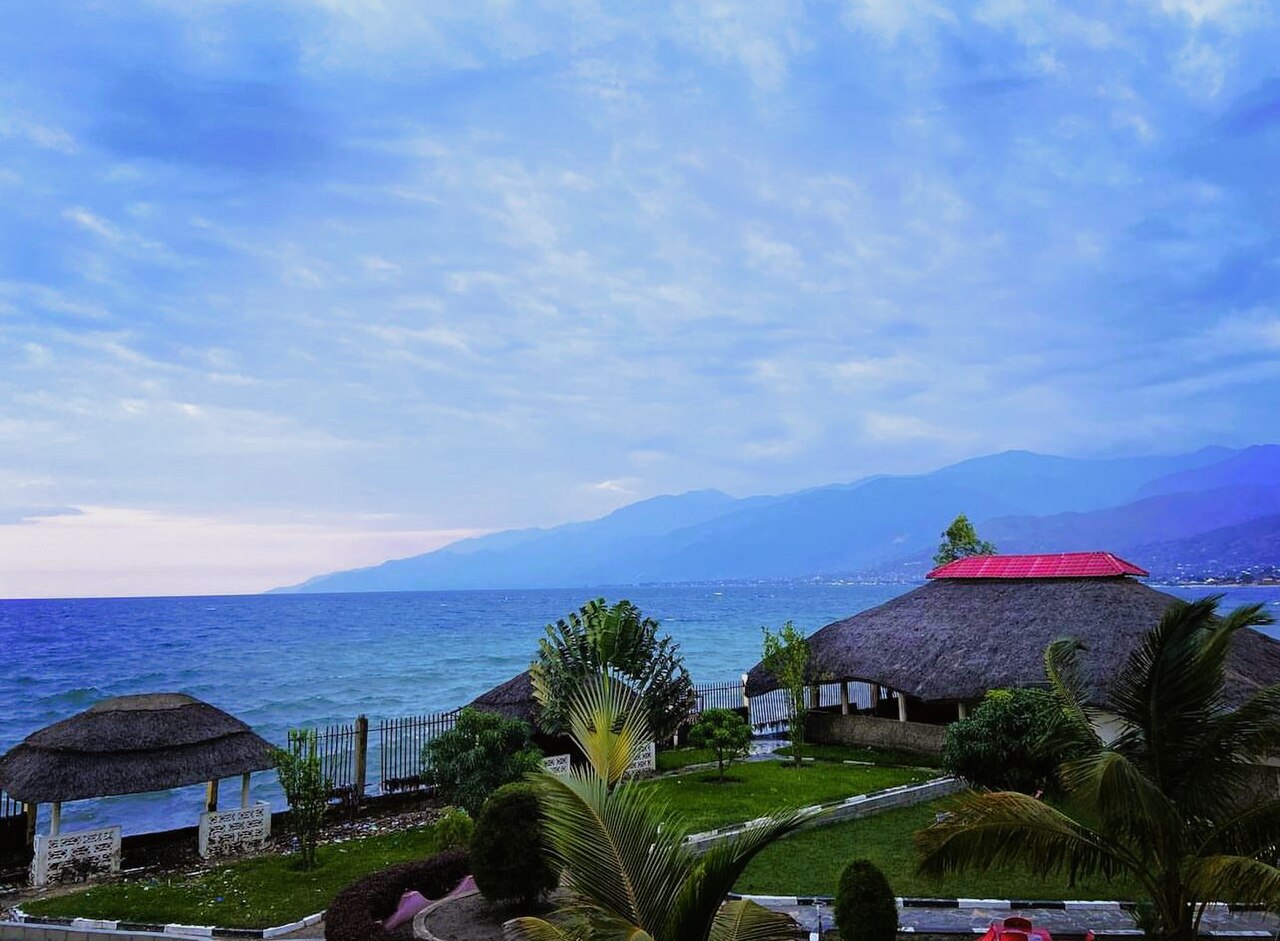
Uvira sits on the northern shore of Lake Tanganyika near the Burundian border, below highlands where much recent fighting is reported. Taarifa said the rebels aim to cut the road linking Uvira to Kalemie, which would give control of the approaches a strategic weight.
Taarifa said Burundian troops fight alongside the Congolese army and the Wazalendo, local armed groups that back the government. That would tie the dispute to Burundi’s own security, although Radio Okapi’s report did not mention any foreign troops.
The Human Cost Around Uvira
Actualite.cd reported on Saturday 24 October that thousands of people, many of them women and children, had reached Rurambo in the highlands above Uvira. Local groups said families were without shelter, food or aid.
In Kaziba, in Walungu territory, local structures counted nearly 12,000 households displaced after ten days of fighting that began on 12 October. Actualite.cd said the figures were not independently verified, and that the fighters were not observing a ceasefire despite the Doha and Washington peace processes.
What It Means for US Readers
Washington brokered the Congo and Rwanda peace accords and signed a minerals partnership with Kinshasa on 4 December 2025. Any rebel gain in South Kivu, or even a credible Uvira rebel advance, tests both deals.
The fighting is far from the copper and cobalt mines of Katanga, so supply of those metals is not directly at risk. American investors and aid groups should still watch the Uvira road, the lake ports and the numbers of displaced people.
What Prediction Markets Say
Polymarket, a crypto-based betting platform, shows a 5.8% chance that Félix Tshisekedi is out as president by 31 December 2026, with about US$21,000 in bets. The price is low, so traders do not expect the rebel push to topple the government this year.
Why we show this: prediction markets turn real-money bets into a live probability that moves within minutes of the news, which is why investors, campaigns and newsrooms in the United States now follow them closely. We show them next to polls and official results, never instead of them.
What Is Not Known
No Congolese outlet or official source has confirmed the Uvira rebel advance or that rebels hold the villages in the Taarifa report. The army says Uvira is secure, while the rebels have given no figures for their own gains.
It is not known how many people have died in the clashes of Monday 26 October, because neither Radio Okapi nor Actualite.cd gave casualty numbers. It is also unclear whether the Doha talks, which Qatar hosts, will go on if the Uvira rebel advance proves real.
More: DR Congo news in English, every day from The Rio Times.
Frequently Asked Questions
Where is Uvira and why does the Uvira rebel advance matter?
Uvira is a city in South Kivu province on the northern shore of Lake Tanganyika, near the border with Burundi. It lies below the highlands where much of the recent fighting is reported, and the rebels say they aim to cut its road to Kalemie.
Have rebels captured neighbourhoods in Uvira?
A Rwandan news site reported an Uvira rebel advance through nearby villages on 27 October. Radio Okapi reported that the army and the governor deny it and describe the city as calm.
What is the FRN?
The Front pour la refondation de la nation is a political and military movement launched in Goma on 12 October 2026. It is headed by former president Joseph Kabila and succeeds the AFC rebel alliance.
Where is the fighting confirmed?
Congolese outlets reported clashes on 26 and 27 October in Fizi and Walungu in South Kivu and in Walikale in North Kivu. They gave no casualty figures.
What does the Uvira rebel advance mean for US interests?
The fighting tests the US-brokered peace accords and the minerals partnership with Kinshasa. Direct risk to cobalt and copper supply is low because the mines lie far to the south in Katanga.
Sources: Taarifa, 27 October 2026; Radio Okapi, 27 October 2026; Actualite.cd, 27 October 2026; Actualite.cd, 24 October 2026; Actualite.cd, 21 October 2026.
This article was produced by The Rio Times’ automated newsroom system. How we use AI · Report an error · Editorial responsibility: Matthias Camenzind, Editor-in-Chief