Colombia Inauguration Venue Set: Cali Hosts August 7 Ceremony
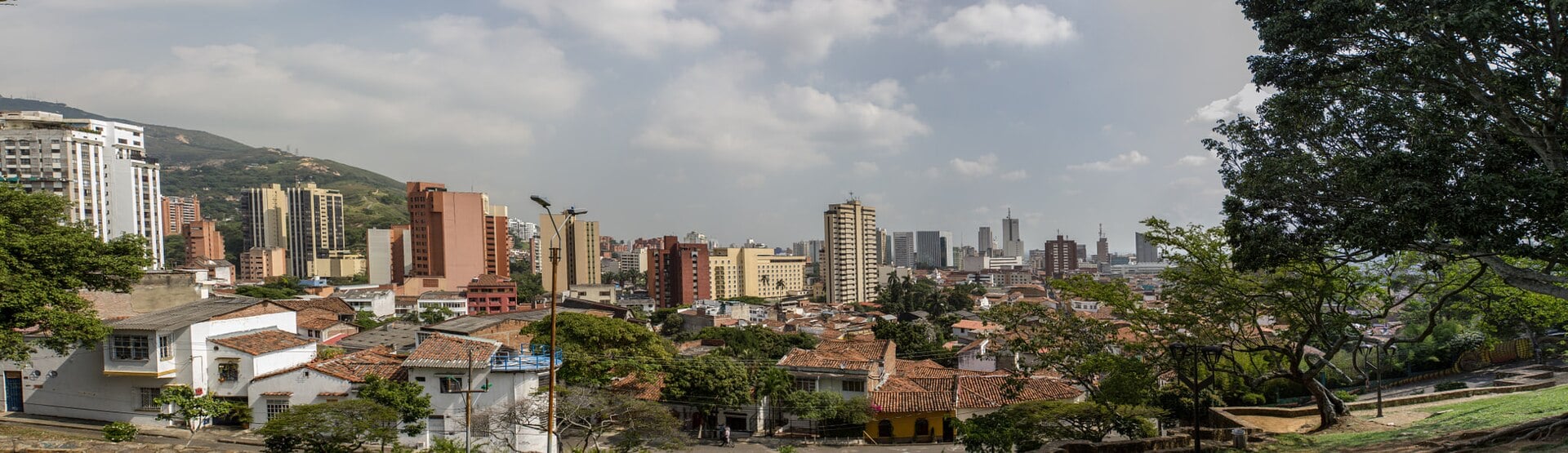
Colombia’s moving inauguration is finally settled: after a volcano forced it out of Cauca, Congress has given the definitive green light for the August 7 handover to take place in Cali — the first time a Colombian president will be sworn in outside the capital. Here is the final picture, and what the security operation means for anyone in the city.
Key Facts
- It’s official. Both chambers approved Cali; the Senate ratified 58 to 30.
- A first. This is the first Colombian presidential inauguration ever held outside Bogotá.
- The venue. The August 7 swearing-in is set for the Arena USC in Cali.
- Heavy security. Cali has banned drones across the metro area and stepped up airport patrols.
- For foreigners. No change to your rights, but the Cali logistics are worth knowing if you’re there that week.
It’s official: Cali, at the Arena USC
On July 29 the Senate approved the move to Cali by 58 votes to 30, ratifying the previous day’s House vote (117-7) and giving the final legislative green light. The swearing-in will take place at the Arena USC, the auditorium of the Universidad Santiago de Cali, which holds more than 2,500 people, rather than the Salón Elíptico of the Capitolio in Bogotá.
It is the first time in Colombia’s history that a presidential inauguration will be held outside the capital, a break with long-standing tradition driven by the incoming government’s “govern from the regions” theme and the Puracé volcano that closed Popayán’s airport.
The August 7 agenda
The ceremony is set for the morning of August 7 at the Arena USC, most detailed accounts putting it at 10 a.m. Around 2 p.m., troop recognition follows at the Cantón Militar Pichincha (Tercera Brigada), about three kilometres away, where the new president formally assumes command of the armed forces, with the first security council the next day.
The change drew political heat to the end: the outgoing president urged Congress to reject the move, and opponents objected to the roughly 14-billion-peso (about US$4.2 million) cost.
A heavy security operation in Cali
Cali has convened an extraordinary security council and announced a large operation for the day: aerial surveillance, anti-drone systems, multiple protection rings and access controls, with patrols at Alfonso Bonilla Aragón airport and the Jamundí and Candelaria connection zones.
Notably, drones are banned across the entire Cali metropolitan area from July 29. For travellers, that means tighter checks and no recreational drone use in and around the city in the run-up to and on August 7.
What it means for foreigners
None of this changes the rights or status of foreign residents. It is a political and logistical story, not an immigration one.
The practical relevance is August 7 itself: the event is now fixed in Cali, not Bogotá, with a large security footprint, airport patrols and a metro-wide drone ban. If you are in or near Cali that week, expect closures and delays and plan accordingly. This is general information, not legal or travel advice.
More: Colombia news in English, every day from The Rio Times.
Frequently Asked Questions
Where will Colombia’s August 7 inauguration be held?
In Cali, at the Arena USC of the Universidad Santiago de Cali, after both chambers of Congress approved the move.
Why is this historic?
It is the first time a Colombian president will be sworn in outside Bogotá, breaking with the tradition of inaugurating at the Capitolio.
Is the venue final now?
Yes. The Senate ratified it 58-30 on July 29, confirming the earlier House vote, so Cali is the confirmed venue.
What security measures are in place in Cali?
Aerial surveillance, anti-drone systems, protection rings, airport patrols and a metro-wide drone ban from July 29.
Does this affect foreign residents?
No. It changes no rights or status; it mainly affects August 7 logistics and security in Cali.
This article was produced by The Rio Times’ automated newsroom system. How we use AI · Report an error · Editorial responsibility: Matthias Camenzind, Editor-in-Chief
The Cali Guide
What The Rio Times publishes for foreigners in Cali, Colombia.
This month
Coming up in Cali
- Enrique Bunbury in Cali, Colombia: Spain's Rock Icon at the Arena Cañaveralejo on October 31, 2026 31 Oct
- Colombia vs Chile in Cali on Friday 13 November 13 Nov
- Cali Salsa Fair Runs 25 to 30 December 2026 30 Dec
Living in Cali
Understand Colombia