Living in Bogotá as an Expat, From US$1,200 a Month
Colombia · Expat City Guide
Key Facts
- Budget. A comfortable single life runs 8 to 12 million pesos ($1,900 to $2,850) a month; a modest one is fine on 5 to 7 million pesos ($1,200 to $1,650).
- Housing. Furnished studios for nomads run US$550 to US$1,300; a mid-range Chapinero one-bedroom is about 2 million pesos ($500).
- Where to live. Chapinero Alto, Chicó/Parque 93, Usaquén, Rosales and La Cabrera are the expat strongholds.
- Visa. Colombia’s digital nomad visa needs about US$1,400 a month in foreign income (three times the minimum wage), for up to two years.
- Climate. At 2,640 metres, Bogotá is spring-cool year-round — think 13 to 20°C and a light jacket at night.
Bogotá is Colombia’s working capital — bigger, cooler and more serious than Medellín, with the country’s best museums, restaurants and career scene. Its expat crowd skews to professionals and entrepreneurs in their 30s and 40s rather than retirees, and the city rewards those who give it time. Here is what you need to know about living in Bogotá as an expat in 2026.
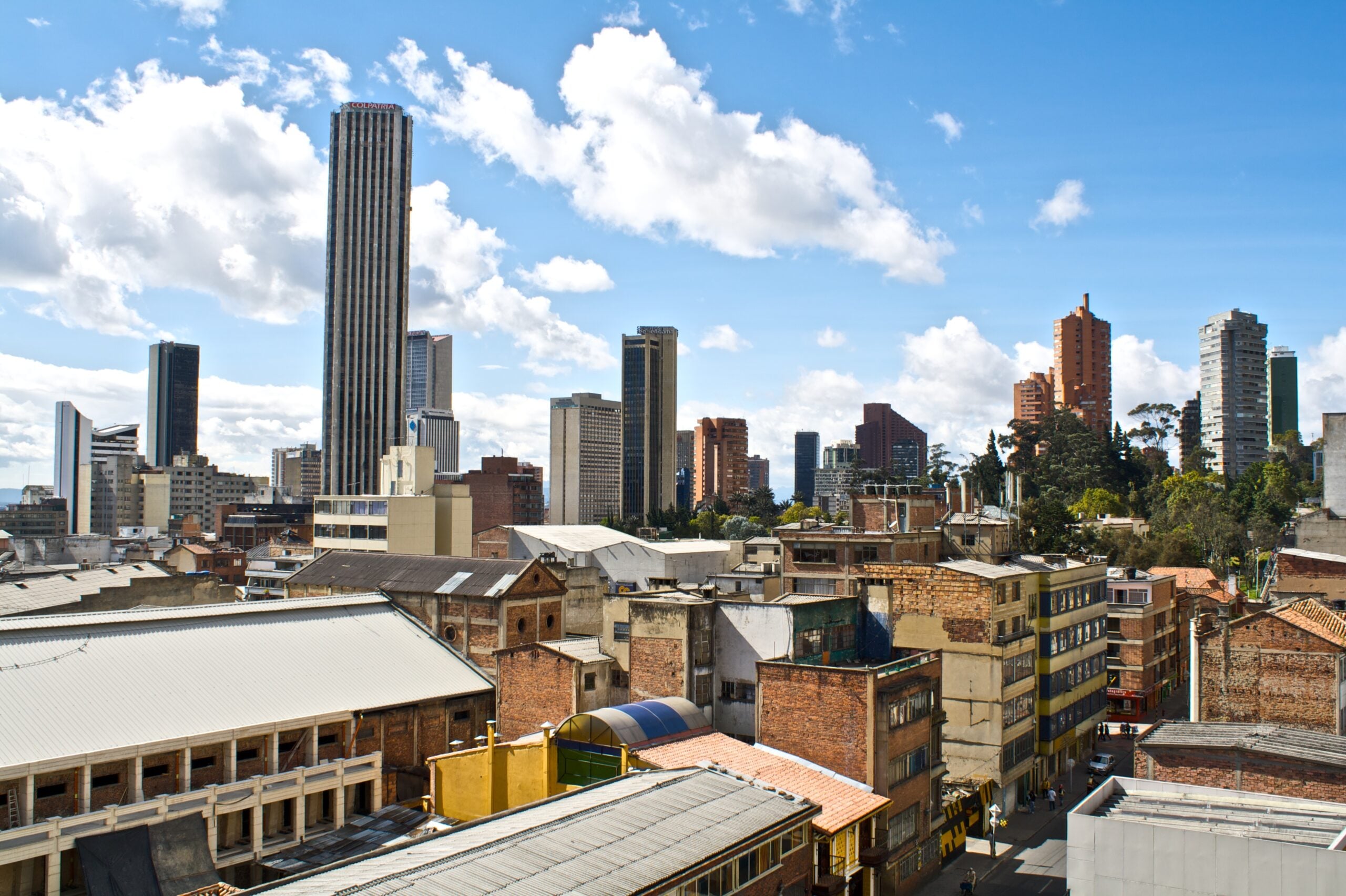
Cost of living in Bogotá
A single person lives comfortably in the central-north neighbourhoods on 8 to 12 million pesos ($1,900 to $2,850) a month, while a more modest setup — cooking at home, a simpler apartment — comes in around 5 to 7 million pesos ($1,200 to $1,650). It is slightly pricier than Medellín in the fancy districts but still far below US or European costs, and everyday services, transport and food remain cheap.
The peso sits near 3,560 to the US dollar in mid-2026.
Where to live: the best neighbourhoods
Expats concentrate in the north and central-north. Chapinero Alto is the creative, café-dense favourite for nomads; mid-range one-bedrooms run about 2 million pesos ($500), with furnished studios at US$550 to US$800.
Chicó, around Parque 93 and Zona T, is the polished restaurant-and-rooftop district, where two-bedrooms run 4.5 to 6 million pesos ($1,070 to $1,430). Usaquén, with its colonial plaza and Sunday market, suits families and quieter professionals at 2.5 to 4 million pesos for a good one-bedroom.
Rosales, La Cabrera and El Retiro round out the upscale options. Lower Chapinero (roughly Calles 40 to 60) is fine by day but warrants care at night.
Visas and residency
The rules are the same friendly ones as the rest of Colombia: the digital nomad visa (V type) needs proof of remote work and about US$1,400 a month in foreign income — three times the minimum wage, with no monthly averaging — and runs up to two years. Migrant (M) visas cover work, marriage and retirement routes, with income floors that rose alongside the 2026 minimum wage, and holders of older Resident (R) visas have an October 31 deadline to transfer.
Tourists get 90 days, extendable to 180 per year.
Safety
Bogotá asks for more street smarts than Medellín’s expat bubble, but the neighbourhoods foreigners actually live in — Usaquén, Chicó, Rosales, La Cabrera, Chapinero Alto — have private security, good lighting and incident rates well below the city average. The practical risks are phone snatching and pickpocketing on busy streets and on the TransMilenio bus system.
Keep the phone put away, use ride apps at night, and follow the local rule of “no dar papaya” — don’t make yourself an easy target.
Work, coffee and culture
This is Colombia’s corporate and startup capital, so coworking spaces, networking events and an English-friendly professional scene are everywhere — and Chapinero’s specialty-coffee density is among the best on the continent for laptop days. Culturally Bogotá outguns every other Colombian city: the Gold Museum and Botero collections, a serious theatre and live-music calendar, and free city-run festivals in Parque Simón Bolívar through the year.
The altitude takes a week or two of adjustment; the reward is a city that never gets hot and never gets cold.
Who Bogotá suits
Choose Bogotá if you want a big-city career and culture base with Colombian prices — and don’t need beaches or eternal sunshine. It pairs naturally with Medellín: many expats split time between the two, keeping Bogotá for work seasons and the Aburrá valley for the weather.
Spanish matters more here than in the nomad hubs; even basics will transform your experience.
More: Colombia news in English, every day from The Rio Times.
Frequently Asked Questions
How much does it cost to live in Bogotá?
A comfortable single budget is 8 to 12 million pesos ($1,900 to $2,850) a month in the central-north; a modest one runs 5 to 7 million pesos ($1,200 to $1,650). Furnished nomad studios cost US$550 to US$1,300 depending on the pocket.
Which neighbourhoods are best for expats?
Chapinero Alto for cafés and creatives, Chicó/Parque 93 for polish and restaurants, Usaquén for families and charm, plus Rosales, La Cabrera and El Retiro upscale. Lower Chapinero deserves caution at night.
Is Bogotá safe?
The expat neighbourhoods are well-secured and calmer than the city average. Main risks are phone snatching and pickpocketing on busy streets and the TransMilenio — keep valuables out of sight and use ride apps at night.
What visa do I need?
Colombia’s digital nomad visa needs about US$1,400 a month in foreign income (three times the minimum wage) and lasts up to two years. Migrant (M) visas cover work, marriage and retirement; 2026 raised the income floors, and old R-visas must transfer by October 31.
How is the weather?
Spring-like all year: at 2,640 metres, days run 13 to 20°C with cool nights. There’s no summer or winter — just rainier and drier stretches — and most people need a week or two to adjust to the altitude.
This article was produced by The Rio Times’ automated newsroom system. How we use AI · Report an error · Editorial responsibility: Matthias Camenzind, Editor-in-Chief
The Bogotá Guide
What The Rio Times publishes for foreigners in Bogotá, Colombia.
This month
Coming up in Bogotá
- Bad Gyal Bogotá Concert Brings Más Cara Tour to Colombia on 18 October 18 Oct
- David Bisbal Plays Bogotá, Colombia on 21 October 21 Oct
- Humbe Plays Movistar Arena in Bogotá on 22 October 22 Oct
- Kris R Movistar Arena Bogotá: Trap Artist's First Arena Show Sold Out in Colombia, 23 October 23 Oct
Living in Bogotá
- Cost of Living in Bogotá for Expats in
- Bogotá Studio Apartment Rent: US$400–US$525 in 2026
- The Rise of Medellín, Bogotá, and Santa Marta as Colombia’s Digital Nomad Hubs
Understand Colombia