
GUIDES · COLOMBIA
Key Facts
- —Colombia in context The largest recipient of US economic assistance in the Western Hemisphere over 50 years, per AmCham Colombia. President Abelardo de la Espriella, a conservative lawyer, took office on 7 August 2026.
- —Top investor The United States put US$3.4 billion of direct investment into Colombia in 2025. That was 29.4% of the total, per central bank data cited by AmCham Colombia.
- —Top buyer The US took about 30% of Colombian exports, US$13.5 billion in January to November 2025 (DANE). A 12.5% extra US tariff has applied since 24 July 2026.
- —Lenders Colombia cancelled its IMF credit line on 1 October 2025 and asked the Fund for a new review on 28 September 2026. The World Bank added US$200 million on 24 September 2026.
- —Diaspora money Remittances reached a record US$13.1 billion in 2025. Foreign direct investment was US$9.2 billion in the same exchange data.
- —Exchange rate The official TRM rate was 3,194.44 pesos to the US dollar for 10 to 13 October 2026.
Colombia foreign relations decide how a country of oil, coal, coffee and flowers is financed, policed and sold to the world. The United States leads on investment, trade and remittances, and is the main security partner.
This guide maps who brings money and influence into Colombia, what each wants in return, and how the new government is reshaping those ties. All figures are dated and taken from official or Colombian sources as of October 2026.
The United States: Investor, Buyer and Security Partner
Washington is Colombia’s first partner in trade and investment. Central bank figures cited by AmCham Colombia, the US business chamber in Bogotá, show US direct investment of US$3.375 billion in 2025.
That was 29.4% of the total and the largest share of any country.
The figure was down 38% from US$5.41 billion in 2024. AmCham’s president, María Claudia Lacouture, says the problem is predictability, not potential.
“Without predictability there is no sustainable long-term investment,” she said in March 2026.
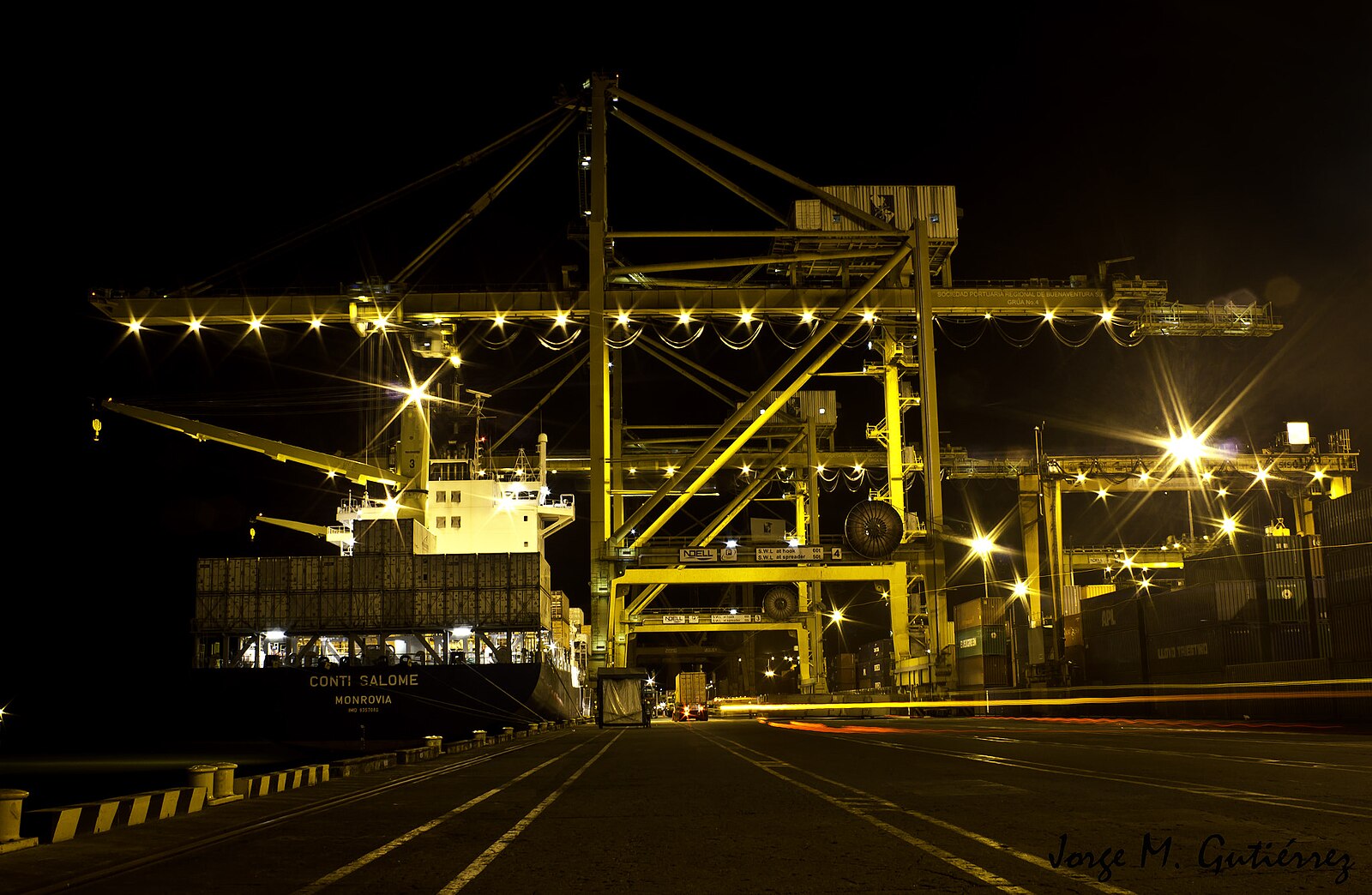
Trade runs the same way. Colombian exports to the US reached US$13.5 billion in January to November 2025.
That was about 30% of all sales abroad, according to DANE, the national statistics office. AmCham counts 3,110 Colombian companies that exported to the US through October 2025.
About two thirds of US-bound exports in January to October 2025 were goods other than oil, coal and minerals. Under the bilateral free trade agreement, Colombia can ship 11,497 tariff lines to the US market.
Tourism and people complete the picture. Colombia’s trade ministry recorded 974,783 US visitors in January to October 2025, 26% of non-resident foreign arrivals.
AmCham also notes that Colombia has been the largest recipient of US economic assistance in the Western Hemisphere over the past 50 years.
Tariffs, Decertification and What Washington Wants
The relationship carries conditions. Since 24 July 2026, many Colombian goods entering the US pay an extra 12.5% tariff on top of normal duties.
It replaced a temporary 10% surcharge, according to Analdex, Colombia’s foreign trade association.
The measure follows a US Section 301 trade investigation into Colombia’s lack of a ban on goods made with forced labour. It does not claim Colombian exports are made with forced labour.
AmCham estimates that 68% to 73% of the export basket still enters duty-free.
Bogotá responded with Decree 1444 of 28 September 2026, which bans imports made with forced labour. Trade Minister Mauricio Gómez Amín said technical teams would meet US officials to review four points Washington considers critical.
The decree does not lift the tariff by itself.
Drugs are the second condition. On 15 September 2026, President Donald Trump kept Colombia on the list of countries that failed demonstrably to meet counter-narcotics obligations.
The finding covers September 2025 to September 2026, largely under former president Gustavo Petro, a leftist.
US assistance continues despite the finding. Trump praised De la Espriella’s pledge of an aggressive campaign against coca and said he would consider lifting the designation if eradication advances.
The State Department also redirected US$52 million in foreign military financing to Panama, Peru, Ecuador and Colombia to fight narco-terrorism.
Secretary of State Marco Rubio flew to Barranquilla on Tuesday, 8 September 2026, to meet De la Espriella. The agenda covered regional security, narco-terrorism, trade and cooperation.
No agreement on the tariff was announced.
Europe and Other Investors Behind the United States
Spain is the second source of direct investment. Its companies put US$2.43 billion into Colombia in 2025, down 13% from 2024, according to the same central bank data.
Panama came third with US$1.17 billion. Switzerland followed with US$1.05 billion, up 82.5%, and France with US$377.4 million.
Two measures exist for the same flows. The central bank’s exchange data, cited by El Colombiano, recorded US$9.18 billion of direct investment in 2025.
Balance of payments figures, used for the country ranking, are compiled differently, so totals differ between reports.
US money alone spans more than 15 sectors, AmCham says. Investors will judge the new government on whether rules stay stable.
China and the Belt and Road Question
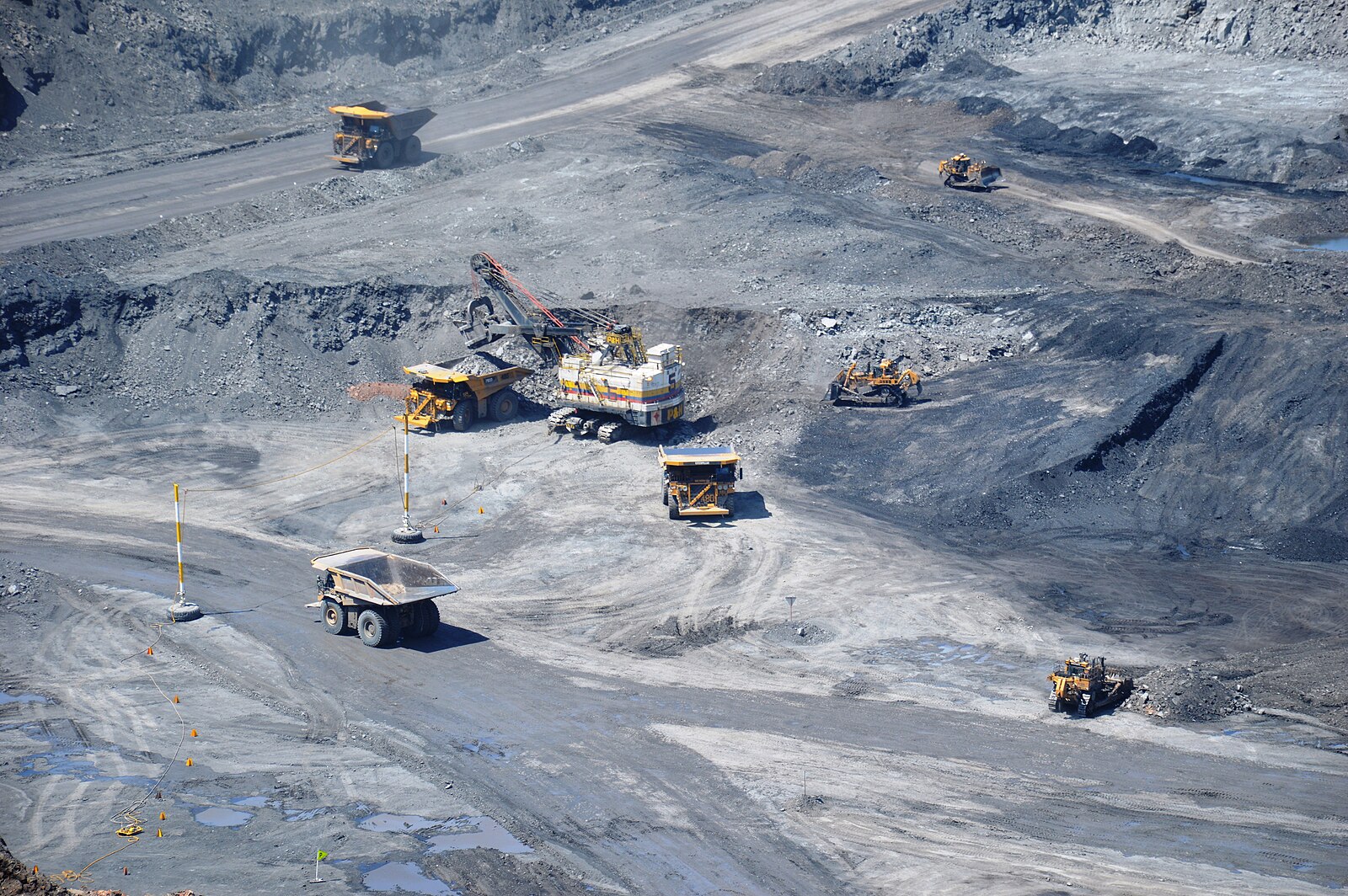
China is Colombia’s second trading partner and second supplier after the United States. In 2024, imports from China reached about US$15.9 billion, roughly a quarter of the total, led by electrical equipment and machinery.
Exports to China were about US$2.4 billion, mainly oil, with smaller sales of ferronickel, copper and coffee.
Those figures come from Colombia’s own customs data reported to UN Comtrade, the United Nations trade database. They show a deep imbalance: Colombia buys far more from China than it sells there.
Under Petro, Colombia signed a memorandum of understanding in Beijing in 2025 to join China’s Belt and Road Initiative. The deal listed cooperation areas such as infrastructure, investment with technology transfer and decarbonisation.
That deal now faces reversal. Nate Morris is Trump’s nominee for ambassador in Bogotá.
At his Senate hearing in August 2026, he said De la Espriella had told him he would withdraw from the memorandum. No formal Colombian withdrawal had been published by mid-October 2026.
Lenders: The IMF, the World Bank and the Fiscal Gap
The International Monetary Fund lends to governments in balance of payments trouble. Its board approved a two-year Flexible Credit Line on 26 April 2024.
Colombia cancelled it with effect from 1 October 2025, the IMF said, without giving a reason.
The new government has turned back to the Fund. On 28 September 2026, the finance ministry asked the IMF to send a team for an Article IV review, the Fund’s regular health check.
The request followed a visit by IMF Deputy Managing Director Nigel Clarke.
Finance ministry figures under Minister Miguel Gómez Martínez show the state spends about 40 trillion pesos (about US$12.5 billion) a month. It collects about 29 trillion pesos (about US$9.1 billion), the ministry said.
Colombian radio station La FM reported talks on possible new IMF financing, but no loan, amount or date has been agreed.
The World Bank is lending as well. On 24 September 2026 it approved US$200 million in additional financing after the earthquake of 10 August 2026.
The money complements a disaster-risk loan approved in February 2025 and already fully disbursed.
The IMF projects Colombian growth of 2.3% and inflation of 5.9% in 2026. Any new IMF money would come with fiscal targets agreed with the Fund, La FM reported.
That would give the lender a say over Colombian spending.
The United Nations, Aid Donors and Civil Society
The UN Verification Mission in Colombia monitors the 2016 peace deal with the former FARC guerrilla. UN Security Council Resolution 2798 extended it to 31 October 2026.
It was adopted on 31 October 2025 with 13 votes in favour and two abstentions.
That resolution dropped verification of the transitional justice sanctions and the ethnic chapter. It kept three tasks: reintegration of former fighters, security guarantees and rural reform.
Whether the mission continues after 31 October 2026 is under discussion in New York.
More than 450 Colombian organisations wrote to the Security Council presidency on 9 October 2026 to ask for renewal. They cite the Ombudsman’s count of 1,777 social leaders and rights defenders killed between January 2016 and 31 August 2026.
The letter also asks that budgets be guaranteed for the transitional justice court and the unit searching for missing people. It cites proposals to cut those budgets.
Rural reform has also lagged: the land fund holds just over 800,000 hectares, under 27% of a 3 million hectare target.
Embassies, NATO and Military Ties
The US Embassy in Bogotá has had no Senate-confirmed ambassador since Philip Goldberg left in July 2022. Morris, a Kentucky businessman and Trump ally, appeared before the Senate Foreign Relations Committee on 5 August 2026.
Colombia also works closely with NATO. It became the alliance’s first Latin American partner in 2017 and joined its individually tailored partnership programme in December 2021, according to NATO.
Cooperation covers training, demining, maritime security and cyber security.
Colombia’s International Demining Centre trains personnel from NATO members and partners. Colombian officers study at NATO schools in Germany and Rome.
A Colombian vessel joined NATO’s counter-piracy Operation Ocean Shield in 2015.
In Washington’s view, security is where the new government matters most. Trump said De la Espriella has promised an aggressive campaign against coca crops and cocaine production.
US counter-narcotics funding continues while Colombia remains decertified.

The Diaspora and Remittances
Colombians abroad send home more money than foreign companies invest. Remittances reached US$13.1 billion in 2025, a record, according to central bank data cited by El Colombiano.
The United States is the main source. In the first half of 2025, US senders accounted for US$3.23 billion, about half of the total.
AmCham reported the figure from central bank data.
Remittances support household spending across Colombia. They also tie Colombian families directly to US migration and deportation policy, and to the US labour market.
What It Means for US Readers
For investors, Colombia offers a government that courts US capital and is mending ties with Washington. The risks are a large fiscal gap, a 12.5% tariff on part of trade and possible IMF conditions.
Colombian stocks, bonds and the peso are exposed to each step.
For exporters and importers, the tariff talks matter most. If Decree 1444 satisfies the US trade representative, flowers, apparel, cosmetics and processed foods could return to lower rates.
For travellers and expats, Colombia remains a top destination for Americans, with almost one million US visitors in ten months of 2025. Security policy is hardening, and some rural regions remain affected by armed groups.
Connected Coverage
Colombia President De La Espriella Launches Iron Fist Crackdown as Investors Weigh Reforms
Foreign Investment in Colombia Fell Again in June, to $634M
Why Colombia’s Foreign Investment Data Tells Two Different Stories
Rubio Colombia Trip Set for Next Week, With Ecuador and Peru
What Is Not Known
- Whether the Senate has confirmed Nate Morris as ambassador, and when he would take up the post.
- Whether Colombia has formally withdrawn from the Belt and Road memorandum, and what happens to any Chinese projects under it.
- Whether the US will cut or remove the 12.5% tariff after Decree 1444 and the technical talks.
- Whether the UN Security Council will renew the Verification Mission beyond 31 October 2026, and in what form.
- Whether Colombia will request new IMF financing, and on what terms.
- Total US assistance to Colombia for 2026, which has not been published in one official figure.
Frequently Asked Questions
Who is the biggest foreign investor in Colombia?
The United States. It invested US$3.375 billion in Colombia in 2025, 29.4% of the total, according to central bank data cited by AmCham Colombia. Spain was second with US$2.43 billion.
Why does the US charge an extra tariff on Colombian goods?
Since 24 July 2026, many Colombian goods pay an extra 12.5% tariff after a US Section 301 investigation found Colombia lacked a ban on imports made with forced labour. Colombia issued Decree 1444 on 28 September 2026 to address it.
Is Colombia still decertified in the US drug fight?
Yes. On 15 September 2026, President Trump kept Colombia on the list of countries that failed demonstrably in counter-narcotics, but US assistance continues and he said the designation could be lifted if coca eradication advances.
Does Colombia have an IMF loan?
No. Colombia cancelled its IMF Flexible Credit Line with effect from 1 October 2025. On 28 September 2026 the government asked the IMF for an Article IV review, and no new loan has been agreed.
Is Colombia part of China’s Belt and Road Initiative?
Colombia signed a memorandum to join in 2025 under President Petro. US ambassador nominee Nate Morris said in August 2026 that President De la Espriella plans to withdraw, but no formal withdrawal had been published by mid-October 2026.
How much money do Colombians abroad send home?
Remittances reached a record US$13.1 billion in 2025, more than foreign direct investment in the same exchange data. The United States is the main source, with about half of the total in the first half of 2025.
Sources: AmCham Colombia, US investment in Colombia 2025 (Banco de la República data); AmCham Colombia, ten facts on Colombia-US trade (DANE, DIAN, MinCIT data); Ministerio de Hacienda, request for IMF Article IV review; IMF, Colombia cancels the Flexible Credit Line; IMF, Colombia country page; World Bank, additional financing after the August 2026 earthquake; NATO, relations with Colombia; Datos Abiertos Colombia, official TRM exchange rate; El Colombiano, US keeps Colombia decertified; El Colombiano, tariff talks and Decree 1444; El Colombiano, remittances and FDI in 2025; El Colombiano, Belt and Road and Nate Morris; Infobae, Analdex on the 12.5% US tariff; Infobae, Nate Morris Senate hearing; Agencia de Periodismo Investigativo, UN Verification Mission mandate; La FM, IMF talks; Diario La Libertad, Rubio visit to Barranquilla; UN Comtrade, Colombia trade with China in 2024. All accessed 12 October 2026.
In depth
Editorial responsibility: Matthias Camenzind, Editor-in-Chief · Editorial standards · Report an error
Expat Guide to Colombia
What The Rio Times publishes for foreigners who live in or move to Colombia.
Start here
- Colombia Rent Increase Limit Is 5.10% in 2026
- Bancolombia Explained, Colombia's Largest Bank in 2026
- Cost of Living in Colombia for Expats in 2026: Rent, Transport and Health in Five Cities
- How to Stay Safe in Colombia in 2026: Advisories, Dating-App Risks and Regions to Avoid
City guides
Medellín, Bogotá, Cartagena, Cali
Coming up in Colombia
- Colombia Holiday Weekends: 12 October, 2 and 16 November 12 Oct
- Altavoz Festival Medellín Brings 59 Free Acts to Colombia, 10–12 October 12 Oct
- Berlin Philharmonic Bogotá Debut: First Colombia Concerts on 14 and 15 October 13 Oct
- Bad Gyal Bogotá Concert Brings Más Cara Tour to Colombia on 18 October 18 Oct
Understand Colombia