
ZAMBIA · POWER STRUCTURE
Key Facts
- What is happening Zambia, a copper-producing country of about 21.9 million people, re-elected President Hakainde Hichilema on Thursday 13 August 2026, and he was sworn in on Tuesday 1 September 2026.
- Why it matters Power sits with the president and his party, the United Party for National Development, and the copper industry, while European Union observers said the process limited freedoms and opposition figures were arrested after the vote.
- The numbers The Electoral Commission declared about 61% for Hichilema and about 38% for Brian Mundubile; as of 2022, 71.7% of Zambians lived below the US$3 poverty line.
- Who is who Hichilema leads the government; Mundubile leads the main opposition; and Mwangala Zaloumis chairs the Electoral Commission that declared the result on 18 August 2026.
- What to watch Watch the court cases against opposition figures, the copper output target of 3 million tonnes by 2031, a possible El Nino drought, and any US decision on trade preferences.
- What it means for you Copper output rose 8% to over 890,000 tonnes in 2025, and the country restructured about 94% of its external debt, so risk for US investors is falling but political risk remains.
Zambia’s power runs through a re-elected president, a copper economy and a contested vote. Who is left out depends on class and place, more than on tribe.
Who dominates Zambia in November 2026? President Hakainde Hichilema and his United Party for National Development (UPND) do, after an election on 13 August.
Beneath them sit the copper mines that pay for the state, a church-minded public culture and a young, poor and fast-growing population. This guide sets out who holds power, who checks it and who is left out.
More coverage sits on the Rio Times Zambia page, with companion guides to Zambian politics, the economy and foreign powers. Figures carry their dates, and no local-currency amounts are used.
The Centres of Power at a Glance
Zambia has several power centres, and they do not carry equal weight. The list below names the main ones and what each holds.
- The presidency: Hichilema, sworn in for a second term on 1 September 2026, appoints ministers and leads the UPND.
- The National Assembly: elected on 13 August under a larger map of 226 constituencies; the seat totals were not confirmed at the ECZ.
- The Electoral Commission of Zambia (ECZ): it ran the vote and declared the result on 18 August 2026.
- The mines: copper output topped 890,000 tonnes in 2025, and the government has set a goal of 3 million tonnes by 2031.
- The churches: the constitution’s preamble declares Zambia a Christian nation, while protecting freedom of belief.
- The opposition: led by Brian Mundubile, who won about 38% against Hichilema in the first round.

The President and His Party
Hichilema won a second term in the first round, the Electoral Commission said. Its chairperson, Mwangala Zaloumis, declared him president-elect on 18 August 2026, with about 61% of valid votes to Mundubile’s 38%.
About 8.8 million people were registered to vote, and the commission lists 226 constituencies, 116 districts and 10 provinces. The number of constituencies is up from 156 before the 2026 vote, after a change to the law.
The European Union’s election observation mission called election day calm overall but said the wider process limited fundamental freedoms. Its chief observer, Michael McNamara, said late legal changes and unequal campaign conditions distorted the playing field.
He first won the presidency in 2021. He says growth improved from a 2.8% contraction to 6.4% over four years.
Hichilema’s party also dominates the executive in practice, because the president names the cabinet and sets the agenda. His first cabinet appointments after the 2026 vote were made in mid-September, and the full line-up was not confirmed for this guide.
The Opposition and the Fallen Giants
The main challenger, Brian Mundubile, leads the National Reconciliation Party for Unity and Prosperity. Police arrested 11 people, including opposition figures, in a raid the government dates to 13 August and his party to 14 August.
Police said the raid targeted a suspected militia and that one unidentified man was fatally wounded in gunfire. Mundubile’s party called the militia claim false, and he said former minister Mutotwe Kafwaya was among those hit.
Mundubile also said his campaign recorded serious irregularities and planned a court challenge. Whether a petition was filed was not confirmed for this guide.
Edgar Lungu, president from 2015 to 2021, died in June 2025. A fight over where to bury him ended in June 2026, when South Africa’s appeals court sided with his family.
Regions, Languages and Ethnic Balance
Zambia’s constitution calls the nation multi-ethnic, multi-racial, multi-religious and multi-cultural. The official language is English, though other languages may be used in schools and in legislative, administrative and court work.
To stand for president, a candidate needs the support of at least 100 registered voters from each of the 10 provinces. That rule pushes every serious candidate to build a national base rather than rely on one region.
About 46% of Zambians lived in towns in 2025, the World Bank says, which gives Lusaka and the mining towns weight. Primary data on how provinces and ethnic groups voted in 2026 could not be confirmed, so no regional conclusions are drawn.
Copper, Money and Business
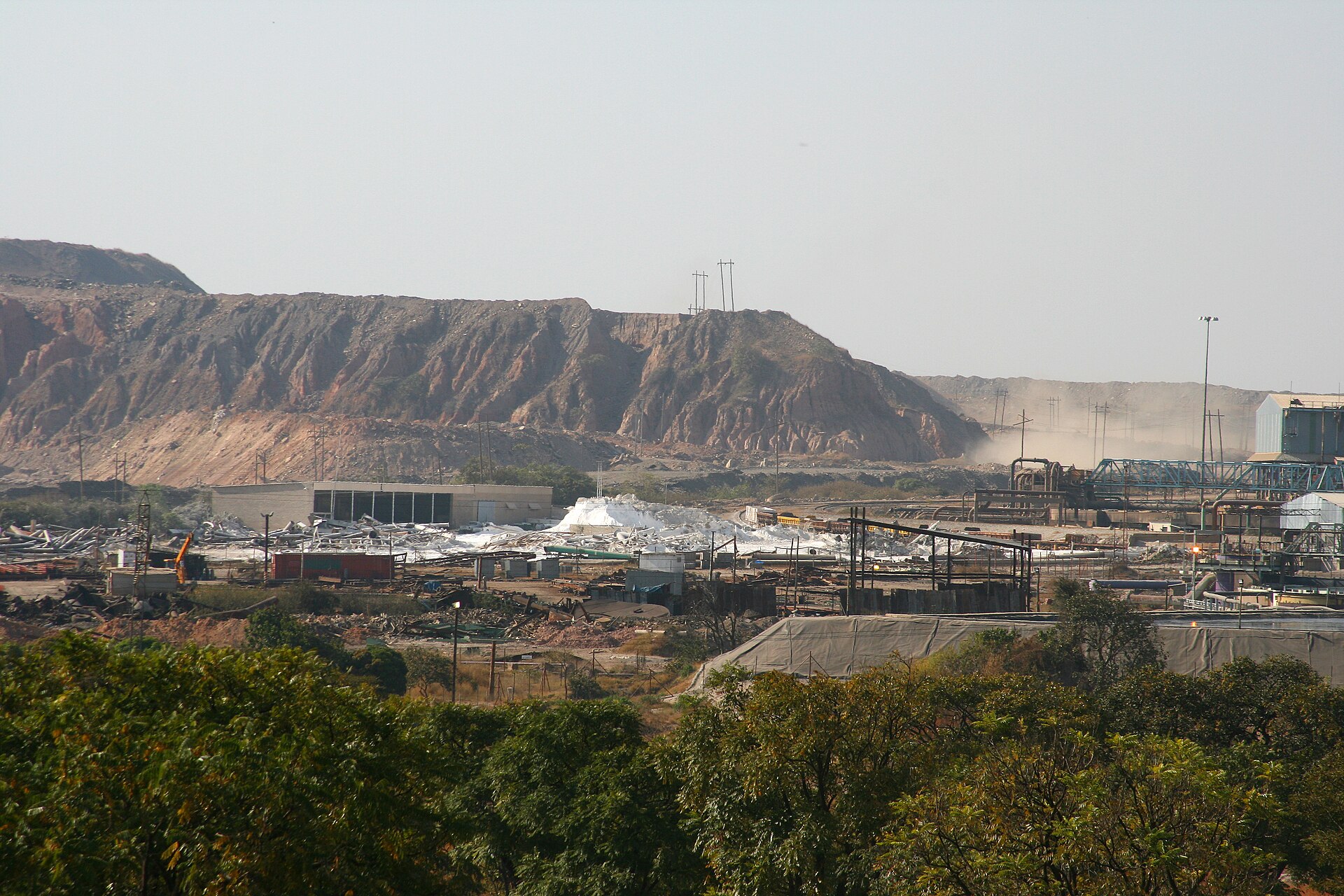
Copper is the state’s main source of income and a main source of influence. The government says production rose 8%, from about 825,000 tonnes in 2024 to over 890,000 tonnes in 2025.
It credits better results at Konkola Copper Mines, Mopani, Kansanshi and Lubambe. A tailings dam incident and weaker output at one mine meant the 1 million tonne target for 2025 was missed.
Public debt fell from 133.4% of GDP in 2023 to an estimated 93.4% in 2025, the World Bank says. Deals covering about 94% of external debt were restructured, and first-quarter 2026 growth was 7.7%, helped by a record maize harvest.
Hichilema told investors in February 2026 that the country had completed a 38-month IMF programme and returned to single-digit inflation. The World Bank puts the 2025 annual average at 13.9%, so check the latest monthly figure before relying on that claim.
Those mines mean that decisions on royalties, power supply and debt are among the most powerful in the country. A change in the world copper price moves state revenue and the currency within weeks.
Churches, Unions and the Security Forces
The constitution’s preamble declares Zambia a Christian nation while upholding the right to freedom of conscience, belief or religion. That wording writes faith into the national identity.
Current information on who heads the main church councils, the trade unions and the army could not be confirmed here. Readers should treat claims about their role in 2026 politics with caution.
Inequality and Who Is Left Out
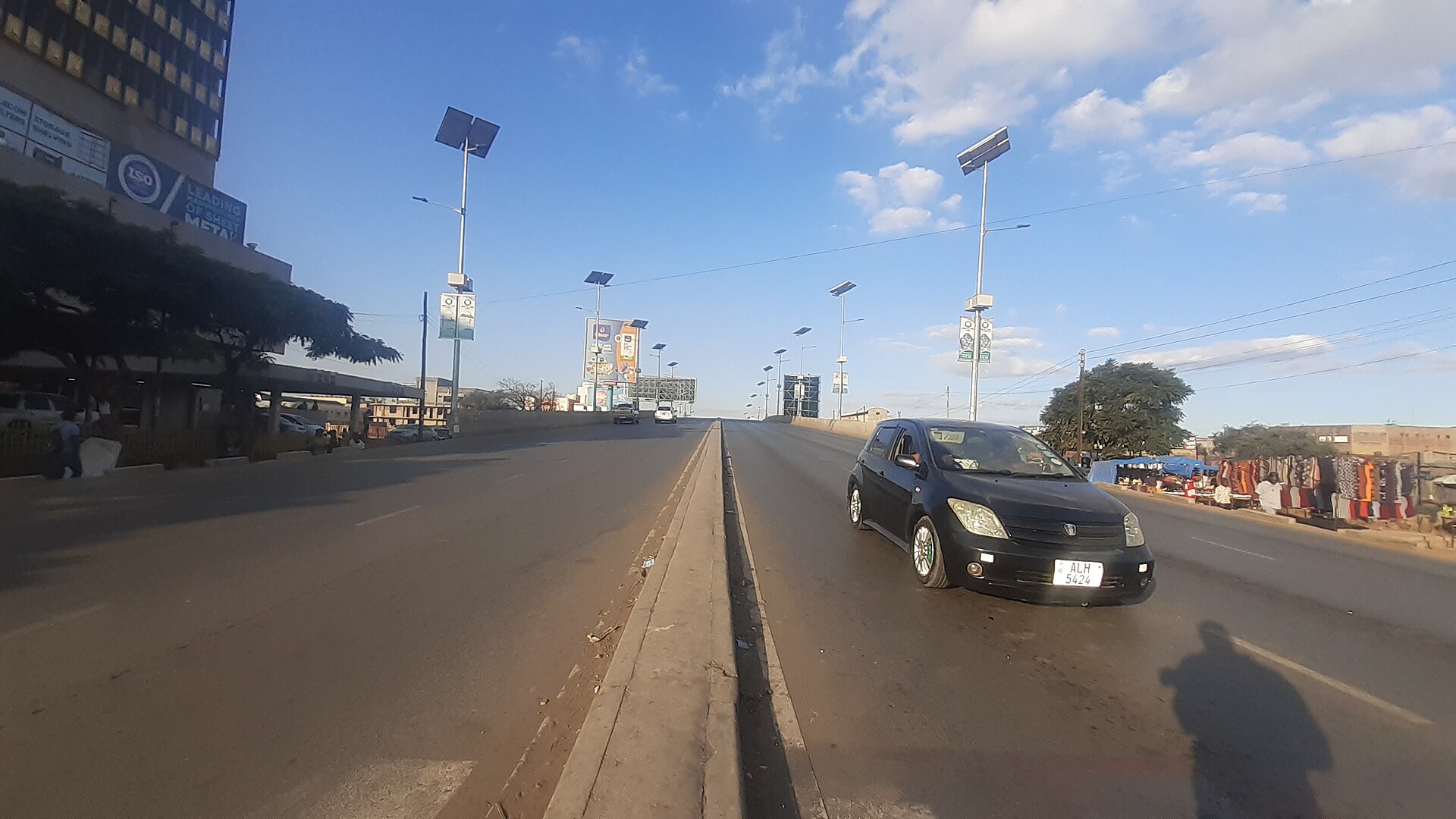
Zambia is young, poor and growing fast. Its population was 21.9 million in 2025, rising 2.8% a year, and 41% of people were under 15.
In 2022, 71.7% of people lived below the World Bank’s US$3-a-day line. The Gini score, an inequality gauge capped at 100, was 51.5, and three quarters of the poor lived in rural areas.
Those left out are the rural poor and the unemployed young, who are far from the copper wealth. The World Bank says growth near 5% a year is too slow to cut poverty quickly.
What It Means for US Readers
Zambia is a large copper producer, so its politics matter to US buyers of metals for wiring and batteries. A second Hichilema term points to policy continuity on mining and debt, though the election dispute adds political risk.
The World Bank lists El Nino drought, energy prices and electricity shortages as the main economic risks. Before travelling or trading, check the State Department advisory and whether AGOA, the US law giving eligible African goods duty-free entry, applies.
What Is Not Known
- The final official vote counts and the seat totals of each party in the new National Assembly, which this guide did not confirm at the ECZ.
- The outcome of legal cases and any election petitions involving opposition leaders, and the exact facts of the raid, which police and the opposition describe differently.
- How provinces and ethnic groups voted, because primary results by province were not confirmed.
- Who currently leads the army, the main union federations and the church councils.
- Which families and tycoons hold the largest private fortunes, as no primary source ranks them.
- The current US tariff rate on Zambian goods, whether AGOA applies, and the State Department advisory level.
Frequently Asked Questions
Who rules Zambia in 2026?
President Hakainde Hichilema of the United Party for National Development was re-elected on 13 August 2026 and sworn in on 1 September. The Electoral Commission declared him the winner on 18 August.
What do ethnic groups mean for Zambian politics?
The constitution calls Zambia multi-ethnic, and presidential candidates need 100 supporters from each province. Primary data on how groups voted in 2026 could not be confirmed.
Who is Brian Mundubile?
He is the main opposition candidate, who took about 38% in the August 2026 first round. His party rejected the police account of a raid on his home after the vote.
Is Zambia a Christian country?
The constitution’s preamble declares Zambia a Christian nation while upholding freedom of conscience, belief or religion. It also calls the nation multi-religious.
How big is the copper industry in Zambia?
The government says copper output rose 8% to over 890,000 tonnes in 2025, short of its 1 million tonne goal. It aims for 3 million tonnes by 2031.
How poor is Zambia?
As of 2022, 71.7% of people lived below the World Bank’s US$3-a-day line. The Gini inequality score was 51.5, and three quarters of the poor lived in rural areas.
Sources: Electoral Commission of Zambia; World Bank, World Development Indicators for Zambia; World Bank, Zambia overview (2026 outlook); Constitution of Zambia (text, preamble and Article 258); Presidential Delivery Unit, Zambia’s mining sector to 2031; Related reading: Zambia politics; Related reading: Zambia economy; Related reading: foreign powers in Zambia (all accessed 4 November 2026).
This article was produced by The Rio Times’ automated newsroom system. How we use AI · Report an error · Editorial responsibility: Matthias Camenzind, Editor-in-Chief
Expat Guide to Zambia
What The Rio Times publishes for foreigners who live in or move to Zambia.
Start here
Understand Zambia