ZAMBIA · ECONOMY
Key Facts
- —The country Zambia is a landlocked southern African republic of about 20.1 million people. Copper drives its economy.
- —Size and direction Output grew 5.4% in 2025, according to the Zambia Statistics Agency. Inflation was 6.1% in September 2026.
- —The copper Zambia mined 890,346 tonnes of copper in 2025. The State Department says copper brings more than 75% of export earnings and 25% of government revenue.
- —Who holds the keys First Quantum, Barrick, Vedanta, Abu Dhabi’s IRH and Chinese groups run the big mines. The state holds stakes through ZCCM-IH.
- —Banks and markets The three largest banks hold half of banking assets, about US$7.9 billion of US$15.9 billion in April 2026. Four companies on the Lusaka exchange are worth over US$1 billion each.
- —Decision-makers President Hakainde Hichilema, Finance Minister Situmbeko Musokotwane and Central Bank Governor Denny Kalyalya all hold office in October 2026.
- —Still open IMF staff agreed a new US$1.47 billion programme on 9 October 2026 that awaits board approval, and a dispute over the Mopani mine is unsettled.
The Zambia economy matters to Americans because Africa’s second-largest copper producer supplies metal for power grids, electric cars and data centres.
A short list of mining groups, state companies, banks and power suppliers decides how the money flows. This guide names them and says who controls what.

The Zambia Economy in Numbers
Zambia had about 20.1 million people in 2024, according to the Labour Force Survey cited by the US State Department. The Zambia Statistics Agency says real output grew 5.4% in 2025, up from 3.8% in 2024.
Annual inflation fell to 6.1% in September 2026 from 6.2% in August, the same agency reports. The Bank of Zambia cut its policy rate to 13.25% in May 2026.
The State Department lists 2025’s largest sectors as trade (14.2% of output), information and communications (12.6%) and construction (9.6%). Mining took 9.6%, manufacturing 9.4% and agriculture 6.4%.
Mining looks small in that list, but it earns most of Zambia’s foreign currency. The State Department says copper brings more than 75% of export earnings.
This guide converts at about 20.2 kwacha to the US dollar, the rate on 21 October 2026. The kwacha gained about 30% against the dollar between May 2025 and May 2026, according to the same State Department report.
Budget and Debt
Press reports of the finance ministry’s budget hearings on 5 October 2026 say the 2027 budget would spend 271.9 billion kwacha (about US$13.5 billion). It expects revenue of 218.6 billion kwacha (about US$10.8 billion).
Planned borrowing is 44.9 billion kwacha (about US$2.2 billion). The ministry is reported to expect growth of 5.3% in 2026, below the 6.4% it projected a year earlier.
Since its 2020 default Zambia has restructured US$12.4 billion of external debt, the State Department says. The country finished a three-year IMF programme worth US$1.9 billion in January 2026.
On 9 October 2026 IMF staff reached a staff-level agreement with Zambia on a new 36-month Extended Credit Facility worth US$1.47 billion. It still needs approval from the IMF’s executive board.
Who Holds Economic Power in Lusaka
Hakainde Hichilema, a former businessman, won a second five-year term on 13 August 2026. He took 60.7% of the vote, according to the State Department, and was sworn in in early September.
Situmbeko Musokotwane was reappointed Minister of Finance and National Planning on 14 September 2026. He has held the post since 2021 and was also named acting Minister of Energy by October.
Denny Kalyalya governs the Bank of Zambia, the central bank. In mid-October 2026 he said Zambia plans to settle some copper sales to China in renminbi from 2027.
In the Zambia economy the Zambia Revenue Authority collects taxes, and the Zambia Development Agency licenses foreign investors. The Minerals Regulation Commission, created by a 2024 law, now issues mining licences.
For the wider picture, see the Rio Times Zambia explainer and the Zambia hub.
- Finance Ministry: writes the budget and runs debt talks.
- Bank of Zambia: sets the policy rate and supervises banks.
- ZCCM-IH: the state’s mining investment arm, listed on the Lusaka exchange.
- Industrial Development Corporation: oversees 44 state companies, according to the State Department.
Copper Miners and the State
Zambia produced 890,346 tonnes of copper in 2025, up 7.8% from about 826,000 tonnes in 2024, according to press reports of figures given to Parliament. The government wants three million tonnes a year by 2031.
Related coverage: ZCCM-IH on the Mopani deal and Zambia’s mining local content rules.
First Quantum and Barrick
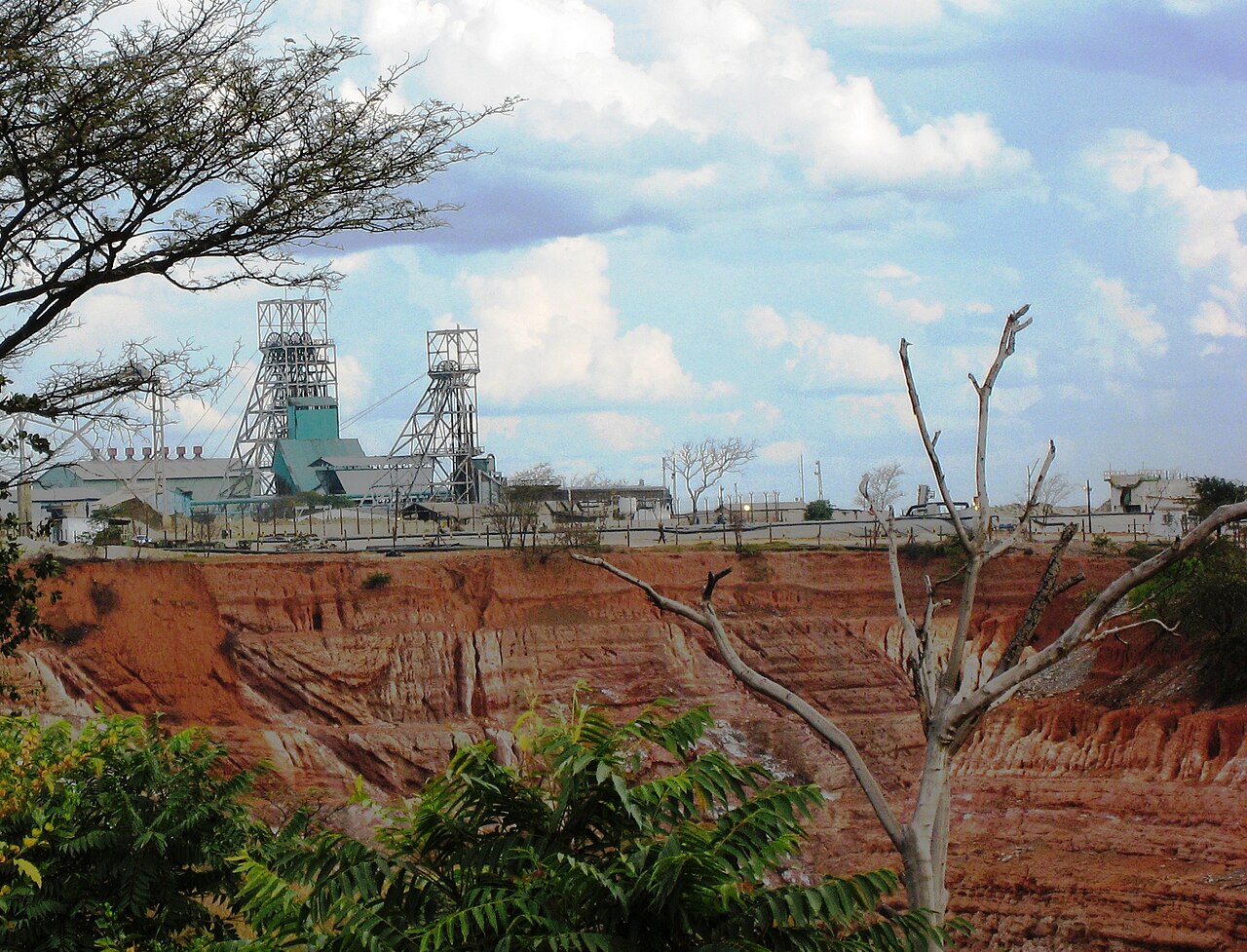
First Quantum Minerals, a Canadian company, runs the Kansanshi and Sentinel mines. Kansanshi produced 181,183 tonnes in 2025 after a US$1.2 billion expansion began operating in August 2025.
The two mines together produced 184,929 tonnes in the first half of 2026, according to company data. Zambia made up about 93% of First Quantum’s group copper output in 2025.
Barrick Mining, a Canadian gold and copper miner, owns the Lumwana mine.
It is spending about US$2 billion to double Lumwana to around 240,000 tonnes a year. First copper from the expansion is due at the end of March 2028.
Vedanta, IRH and the Chinese Groups
Konkola Copper Mines, controlled by India’s Vedanta, produced 80,215 tonnes in 2025, according to the Ministry of Mines. ZCCM-IH holds 20.6% of the company.
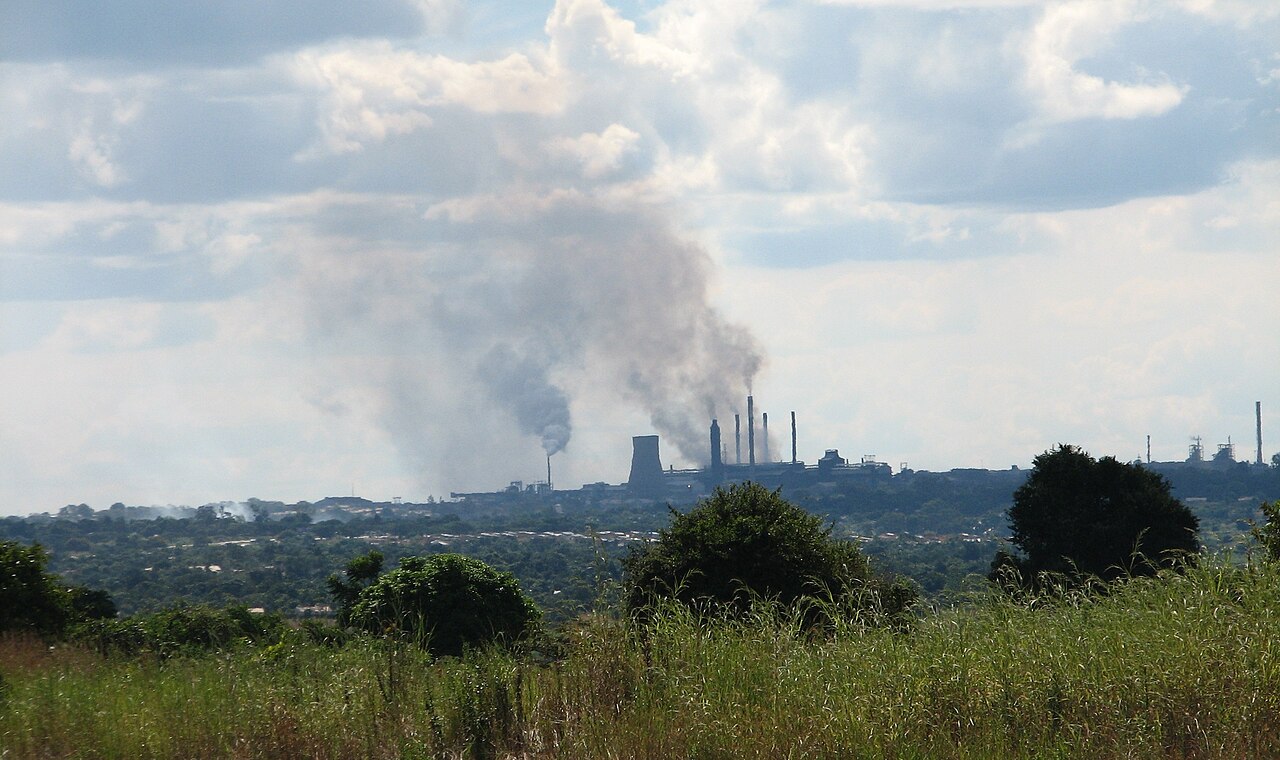
Konkola restarted its Nchanga smelter on 21 September 2026 after a 106-day overhaul that cost about US$40 million. It also signed a US$498 million contract with China Nerin Engineering on 17 September for a tailings leach plant.
Mopani Copper Mines is 51% owned by International Resources Holding (IRH), an Abu Dhabi group, and 49% by ZCCM-IH. ZCCM-IH wrote to IRH on 18 September 2026 alleging breaches of the takeover deal and threatening arbitration.
On 14 October 2026 the two issued a joint statement saying they remain aligned on the mine’s next phase. Both keep a target of 300,000 tonnes of finished copper a year by 2029.
New Entrants
Chinese state-linked groups run the Chambishi and Luanshya mines, and China-owned Nkana Mining and Minerals Processing also operates on the Copperbelt. Chinese miners have paid some taxes and royalties in renminbi since October 2025.
KoBold Metals, a US-backed exploration company, began work on its US$2.3 billion Mingomba copper mine in April 2026. The US Embassy in Lusaka held a groundbreaking ceremony on 29 April.
State Companies and Public Finances
Zambia has 48 state-owned enterprises, with the government holding a majority in 35 and a minority in 13, the State Department reports. Combined accounts for 36 of them showed assets of US$4.5 billion and a net loss of US$797.9 million for fiscal 2024.
ZCCM-IH holds stakes in most large mines, including Konkola, Mopani, Kansanshi, Lubambe and Chambishi Metals. It also holds Copperbelt Energy Corporation, Maamba Energy and Investrust Bank, according to its website.
Its board chairman is Phesto Musonda.
The government also holds Zamtel, the state telecom company, and the Tanzania-Zambia Mafuta pipeline jointly with Tanzania. Zambia has no sovereign wealth fund, the State Department says.
The government owed companies more than US$890 million in overdue VAT refunds in December 2025, and mining firms held 87% of that backlog. The figure was down from a peak of US$2 billion in December 2021.
Power, Water and the Grid
ZESCO, the state utility, runs hydropower stations with a combined capacity of more than 2,900 megawatts, according to its website. Up to 85% of Zambia’s electricity comes from water, the State Department says.
A drought in 2024 emptied Lake Kariba and caused nationwide power cuts. By late June 2026 the lake held 48% of its usable storage, against 23% a year earlier, the Zambezi River Authority says.
See also Zambia’s solar capacity surge and Zambia and the region.
Solar and Independent Producers
Installed generating capacity stood at 4,722 megawatts in October 2026, the Ministry of Energy says. Solar capacity reached 1,027 megawatts in early October, up from 178 megawatts in 2024.
The government wants 10,000 megawatts by 2031. Private producers can now sell power directly under an open-access market, and Copperbelt Energy Corporation is one of the larger private names.
Banks, Markets and Telecoms
In April 2026 the three largest banks held about US$7.89 billion of the sector’s US$15.9 billion in assets, the State Department says. Most banks are regional groups headquartered outside Zambia.
The government holds minority stakes in Zanaco, Indo Zambia Bank and Zambia Industrial and Commercial Bank. Bad loans were 2.7% of the total in April 2026, the lowest in decades.
Lending is costly. Average loan rates were about 28% in May 2026, because banks earn high yields buying government securities.
The Lusaka Securities Exchange had a market value above US$17 billion, according to chief executive Nicholas Kabaso in September 2026. Four companies each passed US$1 billion: Copperbelt Energy, ZCCM-IH, Zambia Sugar and Airtel Zambia.
Kabaso said the first gold exchange-traded fund is due in October 2026. Five listings worth about US$1 billion in total are in the pipeline.
Farming, Food and Business Groups
ZamStats forecast a maize crop of 4.9 million tonnes for the 2025/26 season, up 27.8% on the season before. Small and medium farmers grew 94% of it, according to Statistician General Sheila Mudenda in May 2026.
Secretary to the Cabinet Patrick Kangwa warned that below-average rain is more likely in 2026/27. That would hit crops and hydropower together.
Food Producers and Manufacturers
Zambia Sugar is listed in Lusaka and crossed US$1 billion in market value in 2026. Zambeef Products, listed in Lusaka and on London’s AIM market, produces beef, poultry, dairy, flour and bread.
The State Department notes that several of Zambia’s multi-facility economic zones are occupied almost entirely by Chinese companies. The Lusaka South zone is government-owned and hosts a mix of multinationals.
Rules That Shape Business
Since 1 January 2026 mining firms must buy all designated non-core goods and 20% of designated core goods from Zambian citizen-owned companies. The core share rises to 25% in 2027, 35% in 2028 and at least 40% by 2031.
Insurers must be at least 30% Zambian-owned, and insurance brokers at least 51%. Foreign insurers have until December 2026 to comply.
A 10% export duty on copper concentrate was waived from August 2025 for six producers while smelters were repaired. The waiver was due to expire on 30 September 2026.
The State Department also lists slow permits, delayed VAT refunds and weak asset-seizure law among business obstacles. Companies say the government treats Chinese-linked firms more gently than others.
What Prediction Markets Say
No prediction market on the Zambian economy, its banks or its mines passed the US$10,000 volume threshold in October 2026. The only Zambia contracts found were cricket matches.
What It Means for US Readers
Copper from Zambia feeds the grids and electric vehicles that US buyers want. The State Department says Zambia holds 6% of the world’s known copper reserves.
The United States has no investment treaty or income tax treaty with Zambia, according to the State Department. American firms should expect slow permits and rely on contracts with local partners.
KoBold Metals, a US-backed company, is building a mine on the Copperbelt. American money is already in the Zambia economy.
Buyers of copper should also watch the renminbi settlement plan, which would route more sales through Chinese banks.
What Is Not Known
The IMF executive board has not yet approved the new programme, and its final terms will follow board approval. Zambia has no public ranking of private fortunes, so the owners of many family groups are not on record.
The outcome of the Mopani dispute between ZCCM-IH and IRH is open. Several ministers beyond finance, health, foreign affairs and green economy had not been named in published reports by 21 October 2026.
Frequently Asked Questions
What is the biggest part of the Zambia economy?
Copper earns most of Zambia’s export income. The State Department says copper brings more than 75% of export earnings and 25% of government revenue, although trade and ICT are larger parts of output.
How much copper does Zambia produce?
Zambia produced 890,346 tonnes of copper in 2025. The government targets three million tonnes a year by 2031.
Who owns Zambia’s biggest copper mines?
First Quantum runs Kansanshi and Sentinel, Barrick owns Lumwana, and Vedanta controls Konkola Copper Mines. Mopani is 51% owned by IRH of Abu Dhabi and 49% by the state’s ZCCM-IH.
Who runs Zambia’s finances in October 2026?
Situmbeko Musokotwane was reappointed finance minister on 14 September 2026. Denny Kalyalya leads the central bank.
Is Zambia still in debt trouble?
Zambia restructured US$12.4 billion of external debt after its 2020 default and finished an IMF programme in January 2026. IMF staff and the government reached a staff-level agreement on a new US$1.47 billion programme on 9 October 2026.
What is ZCCM-IH?
ZCCM-IH is the state’s mining investment company, listed on the Lusaka exchange. It holds stakes in most large mines, including 49% of Mopani and 20.6% of Konkola.
Why does the weather matter for the Zambia economy?
Up to 85% of Zambia’s power comes from hydro, and most maize comes from small farms. A drought in 2024 caused power cuts and cut the maize crop by about half.
Sources: US Department of State, 2026 Investment Climate Statements: Zambia, 29 September 2026; Zambia Statistics Agency (ZamStats), October 2026; ZCCM Investments Holdings, October 2026; ZESCO Limited, October 2026; Lusaka Securities Exchange, 21 October 2026; International Monetary Fund, press release 26/331: staff-level agreement with Zambia, 9 October 2026; Lusaka Times, cabinet appointments, 14 September 2026; US Embassy in Zambia, KoBold groundbreaking, 29 April 2026; Forbes Africa, interview with LuSE chief executive, 22 September 2026; News Diggers, Airtel Zambia market value, 10 June 2026; News Diggers, ZamStats maize forecast, 27 May 2026; Zambia Monitor, Bank of Zambia rate decision, 13 May 2026.
This article was produced by The Rio Times’ automated newsroom system. How we use AI · Report an error · Editorial responsibility: Matthias Camenzind, Editor-in-Chief
Expat Guide to Zambia
What The Rio Times publishes for foreigners who live in or move to Zambia.
Start here
Understand Zambia
Rotate for Best Experience
This report is optimized for landscape viewing. Rotate your phone for the full experience.
You've reached your free article limit
Subscribe to The Rio Times for unlimited access to our reporting from across Africa.
Expat Guide to Zambia
What The Rio Times publishes for foreigners who live in or move to Zambia.
Start here
Understand Zambia