Wagner Group’s Deadliest Setback in Mali: The Sahel’s Ongoing Turmoil
In a severe blow to Russia’s Wagner Group, dozens of mercenaries died in northern Mali, highlighting persistent instability in Africa’s Sahel region.
It marks Wagner’s deadliest loss in years and underscores the volatile situation.
Around 50 Wagner fighters perished in an ambush by al-Qaeda, supported by rebels, near the Algerian border.
Wagner confirmed the deaths of its fighters and Malian troops in a battle with hundreds of militants.
However, they did not specify the exact number. The Malian army reported losing two soldiers and killing 20 rebels.
Al-Qaeda claimed the attack aimed to “avenge the massacres” committed in central and northern Mali.
This event illustrates the complex and dangerous dynamics in the Sahel. Wagner’s presence in the region began in late 2021 after a military coup in Mali.
They replaced French troops, assisting in the fight against militants threatening communities for over a decade.
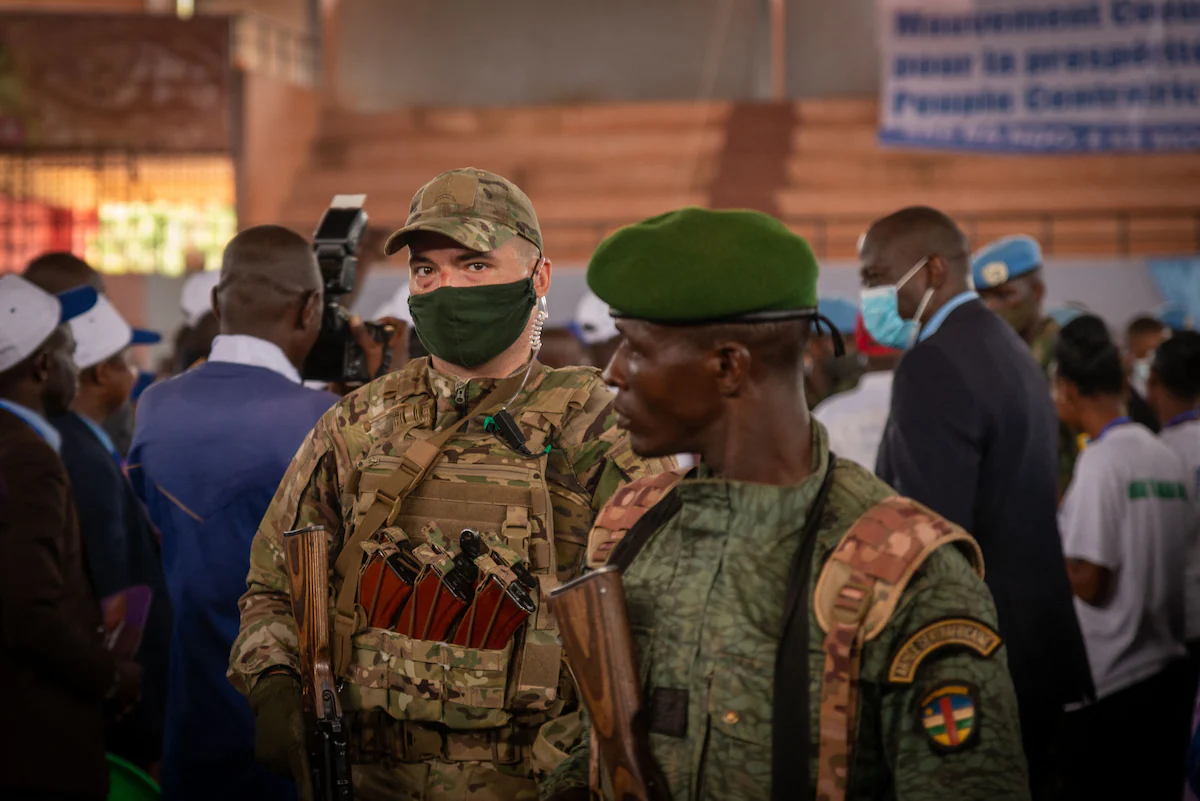
However, Wagner’s involvement has been controversial. They face accusations of human rights abuses, including civilian casualties from raids and drone strikes.
The Sahel, a vast area south of the Sahara Desert, has become a strategic point for Russia. It capitalizes on deteriorating relations between the West and coup-affected nations.
Wagner profits from seized mineral resources in exchange for security services, increasing Russian influence in the region.
France, historically dominant in the Sahel, now faces significant competition from Russia. This rivalry stems from the region’s strategic importance and rich resources.
Uranium, vital for French energy and military needs, plays a crucial role. The instability in the Sahel threatens neighboring countries, which hold significant economic ties with France.
Wagner Group’s Deadliest Setback in Mali: The Sahel’s Ongoing Turmoil
Despite official claims that Wagner is not actively recruiting, reports indicate ongoing recruitment efforts in Russia.
Candidates undergo rigorous selection, focusing on physical fitness and military experience. They are primarily recruited for deployment in Africa.
These failures emphasize the risks involved and the strategic importance of the Sahel region in global geopolitics.
This deadly incident will likely impact Wagner’s future operations, leading to more cautious strategies.
The Sahel remains a hotspot for militant activities and international power struggles, affecting regional stability and global interests.
This article was produced by The Rio Times’ automated newsroom system. How we use AI · Report an error
Part of our ongoing coverage
Africa: The New Scramble — the great-power contest over the continent.
Read More from The Rio Times