Roads to Riches: How Chinese Investment Is Redefining DRC’s Infrastructure
In a major stride towards infrastructure improvement, Chinese companies have commenced several ambitious road projects in the Democratic Republic of the Congo (DRC).
In addition, these projects are part of a freshly renegotiated mining agreement.
This deal, energized by President Felix Tshisekedi’s visit to China, represents a significant upgrade from the previous terms set under his predecessor, Joseph Kabila.
Under the revised terms, the commitment by Chinese firms has surged from an initial US$3 billion to a robust US$7 billion aimed at infrastructural enhancements.
This financial uplift will notably support the construction of the Kinshasa Ring Road.
The project is poised to transform the daily lives of over 17 million residents by linking four major communities across the capital.
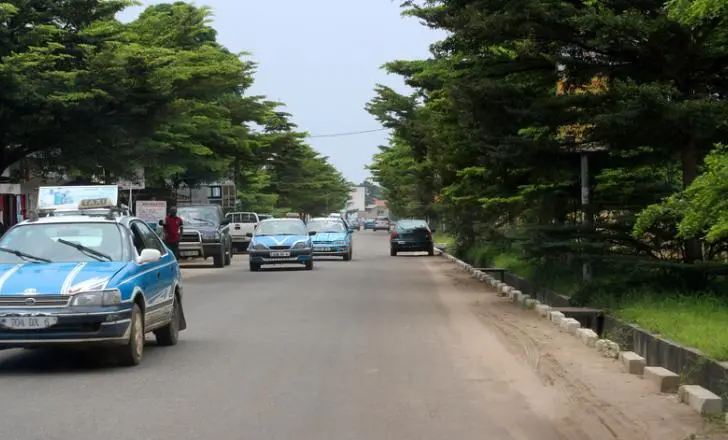
Slated for completion over the next three years, this road is not merely a route but a promise of accelerated regional development and connectivity.
Furthermore, this wave of development continues with the renovation of the 900-km Mbuji Mayi-Nguba Road.
This road is part of the national route linking Kinshasa to Lubumbashi, the mining heartland of the DRC.
This upgrade will transition the road from dirt to asphalt, substantially improving the logistics between these pivotal cities.
A Crucial Infrastructure Project
Another critical project underway is the Kananga-Kalamba Mbuji Road, stretching 230 km to the Angolan border.
This route will play a crucial role in transporting mineral resources vital for industries. It is especially important for those producing batteries for electric vehicles and electronics.
A unique model directly exchanges infrastructure development for resource access, funding these transformative projects.
The DRC, which supplies over 60% of China‘s cobalt needs, finds itself at a crossroads of immense economic potential and challenges related to equitable trade practices.
In addition, people have voiced critiques regarding the transparency and balance of such deals.
Akinwumi Adesina, President of the African Development Bank, has called for clearer debt transparency and accountability.
He highlighted the need to address the opaque nature of natural resource-backed loans. These loans often leave countries struggling with disproportionate debt.
This renegotiation and the projects it enables represent more than just infrastructure. They are testaments to the DRC’s ability to leverage its natural resources for tangible societal benefits.
As the projects commence, the global community watches with hope. They are looking for a model of cooperation that favors equitable growth and sustainable development.
More: Angola news in English, every day from The Rio Times.
This article was produced by The Rio Times’ automated newsroom system. How we use AI · Report an error · Editorial responsibility: Matthias Camenzind, Editor-in-Chief
Part of our ongoing coverage
Africa: The New Scramble — the great-power contest over the continent.