Congo Rights Abuses Jump 41% in September
The September count is the highest of the four months we could verify. The office ties the rise to fighting in the east and to limits on public protest.
Human Rights: DR Congo
The United Nations recorded 694 human rights violations and abuses in Congo in September 2026, up 41% from 491 in August. They left 1,843 victims, most of them men, and about nine in ten cases happened in provinces hit by armed conflict.
The count comes from the UN Joint Human Rights Office in Congo, known by its French initials BCNUDH, in a monthly note reported on Wednesday 18 November 2026. The figures here follow Congolese reports of that note, which we could not open ourselves.
Key Facts
- What. The UN recorded 694 violations and abuses in September 2026, against 491 in August (+41%).
- Victims. 1,843 people: 1,223 men, 277 women, 154 children and 189 whose sex or age was not recorded.
- Where. North Kivu 477 violations, Ituri 70, South Kivu 65; conflict provinces hold 91% of cases.
- Sexual violence. At least 52 conflict-related incidents and 80 victims, mostly women and girls.
- As of. 19 November 2026, 09:00 GMT.
The September count is the highest of the four months we could verify. The office ties the rise to fighting in the east and to limits on public protest.
What the UN Office Counted
The office documented 694 violations in September, compared with 491 in August, 464 in July and 657 in June. That is a rise of 41% in one month, after a 6% rise from July to August.
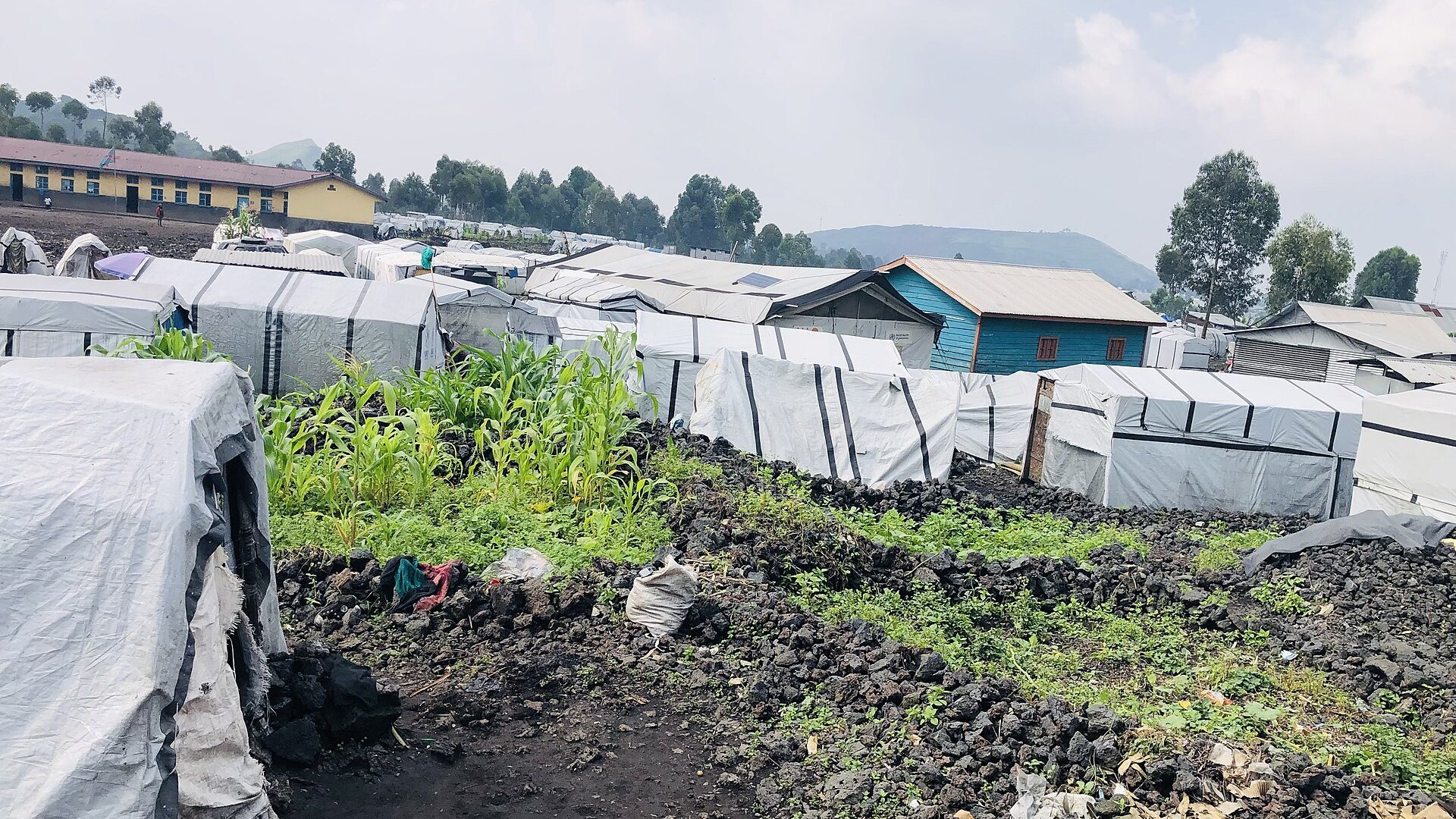
North Kivu, an eastern province where the army and armed coalitions are fighting, had 477 of the cases, far ahead of Ituri with 70 and South Kivu with 65. The office says provinces affected by armed conflict hold 91% of the documented violations.
Among the 1,843 victims were 1,223 men, 277 women and 154 children, and 189 people whose sex or age was not recorded. Physical harm such as ill-treatment, gunshot wounds and knife wounds was the most common category, with 240 cases.
Sexual Violence and Protest Repression
The office documented at least 52 incidents of conflict-related sexual violence in September, affecting 80 victims: 54 women, 25 girls and one man. That is fewer than in August, which the office puts down to difficulty documenting cases, especially in South Kivu, because of security limits and poor communications.
A fall in documented cases is therefore not proof of a fall in abuse. The office also linked part of the rise to restrictions on public freedoms, and recorded incidents during protests organised by a group called Coalition Article 64, including one on 15 September 2026.
Outside the conflict zones, the office recorded 66 violations in September against 79 in August, a fall of 16%. In those provinces, it names soldiers of the FARDC, Congo’s national army, and officers of the national police among the main alleged perpetrators.
The Big Picture: A War That Peace Deals Have Not Stopped
The rise comes while Congo’s eastern provinces remain split between the government and an armed coalition. Former president Joseph Kabila launched it, as the Front for the Refoundation of the Nation (FRN), in Goma on Monday 12 October 2026, with leaders of M23, an armed group holding parts of eastern Congo, as deputies.
Two diplomatic tracks are supposed to end the fighting: the Washington Accords, a December 2025 deal between Congo and Rwanda, and the Doha process with M23 and its political wing, the Congo River Alliance (AFC). Fighting has continued under both.
Rwanda denies backing armed groups in eastern Congo. The Congolese government, the United States and UN experts say Rwanda supports M23, an armed group that holds parts of the east.
Why It Matters
The September count tests a peace effort the United States helped broker in Washington, whose stated aim is to calm relations between Kinshasa and Kigali. The 41% monthly rise is large next to the 6% rise of August, and 694 is the highest of the four monthly counts we could verify.
Congo is a major source of cobalt and copper for batteries and electronics, so security in the east also shapes supply chains that US companies rely on. We found no Congolese government reply to the UN note, so the government’s own view of the count is not yet on the record.
What to Watch Next
The office publishes a monthly note, so the October figures are the next test of whether September was a spike or a new level. We found no confirmed publication date for it, and no confirmed date for the next Doha round.
In Plain English
- BCNUDH: the UN Joint Human Rights Office in Congo, which documents violations and reports monthly.
- Violation or abuse: an act by a state agent (violation) or an armed group (abuse) that breaches human rights.
- FARDC: the Congolese national army.
- Conflict provinces: provinces where armed groups are fighting, mainly North Kivu, South Kivu and Ituri.
What Is Not Known
We could not open the office’s own note, so the figures here follow reports of its content that agree on the main numbers. Reports differ on some secondary percentages and on the August victim total, so we use only the figures that match and the July and June totals match across several Congolese reports.
Frequently Asked Questions
How many human rights violations did the UN record in Congo in September 2026?
The UN Joint Human Rights Office recorded 694 violations and abuses affecting 1,843 victims in September 2026, against 491 violations in August.
Which province had the most violations?
North Kivu, with 477 documented violations, followed by Ituri with 70 and South Kivu with 65.
Who committed the violations?
The reports we read give no full breakdown. In provinces without armed conflict, soldiers and police are named among the main alleged perpetrators.
Related reading: the UN count of 464 abuses in July, Kabila’s armed front reportedly takes a hill in South Kivu, how M23 taxes eastern Congo and all our DR Congo coverage.
Sources: UN Joint Human Rights Office in Congo (BCNUDH), monthly note for September 2026, reported 18 November 2026, and its monthly notes for August (reported 4 November 2026) and June 2026; Doha Framework for a Comprehensive Peace Agreement, 15 November 2025.
This article was produced by The Rio Times’ automated AI newsroom. Editorial responsibility: Matthias Camenzind, Publisher and Editor-in-Chief. The Rio Times also runs Ask Rio Times, which answers from 100,000+ of our own articles, the daily Latin America Power Map, and prediction-market odds on elections and markets.. How we use AI · Report an error