
DR CONGO · SECURITY
Key Facts
- The country Central Africa’s largest country, with armed conflict still ongoing in the east despite US-backed peace deals.
- Why now The UN Joint Human Rights Office made its July 2026 figures public on Thursday 29 October.
- What happened It documented 464 violations and abuses affecting at least 1,081 victims, down 30% from June.
- What it means for you The M23 rebels, a US-designated group, were the largest single perpetrator, with about 160 cases.
- Still open The UN warns the drop may reflect fewer witnesses and monitors, not real improvement.
The UN’s human rights office in Congo documented 464 violations and abuses in July 2026 that affected at least 1,081 victims, according to a monthly note it made public on Thursday 29 October 2026. That is 30% fewer cases than the 657 it recorded in June, but the office warns that the fall may not mean conditions improved.
More than 90% of the cases occurred in provinces touched by the war, led by North Kivu with 270, South Kivu with 89 and Ituri with 52. The note came a day after the US Treasury sanctioned Rwanda’s Defense Ministry for backing the M23 rebels, whom the UN count names as the largest single perpetrator.
In Plain English
The UN Joint Human Rights Office, known by its French initials BCNUDH, is a UN team based at the headquarters of the peacekeeping mission MONUSCO that records abuses and shares its findings with Congolese authorities. The note counts both violations and abuses, which here means harm done by state forces or by armed groups.
AFC/M23, the Congo River Alliance and March 23 Movement, is the rebel coalition that has seized territory in eastern Congo. ADF means the Allied Democratic Forces, an armed group in North Kivu and Ituri, while FARDC is Congo’s army and PNC is the national police.
What the UN Counted
Bodily harm such as beatings and gunshot or knife wounds made up 164 cases, followed by violations of the right to life with 119, of liberty and security with 102 and of property with 69. In the conflict provinces the office documented at least 213 people killed in 97 incidents, including 172 men, 19 children and 18 women.
Armed groups were behind 326 of the 464 cases and state agents behind 138, including 81 by soldiers and 35 by police. AFC/M23 accounted for about 160 cases, roughly one third of the total, followed by the ADF with 40.
The office also documented at least 41 cases of conflict-related sexual violence affecting 76 victims, including 42 women and 34 girls. It says that is no significant change from the 46 cases of June.
Why the Drop May Mislead
The office says the fall does not necessarily show an improvement, because the security situation pushed information sources out of conflict zones and limited its ability to collect and verify allegations. Several human rights defenders, activists and civil society members also fled their areas after repeated threats on their lives.
A second limit is timing, since the note covers July and reached the public three months later. It cannot describe newer fighting, such as the clashes reported near Walikale.
Soldiers, Courts and the Internet
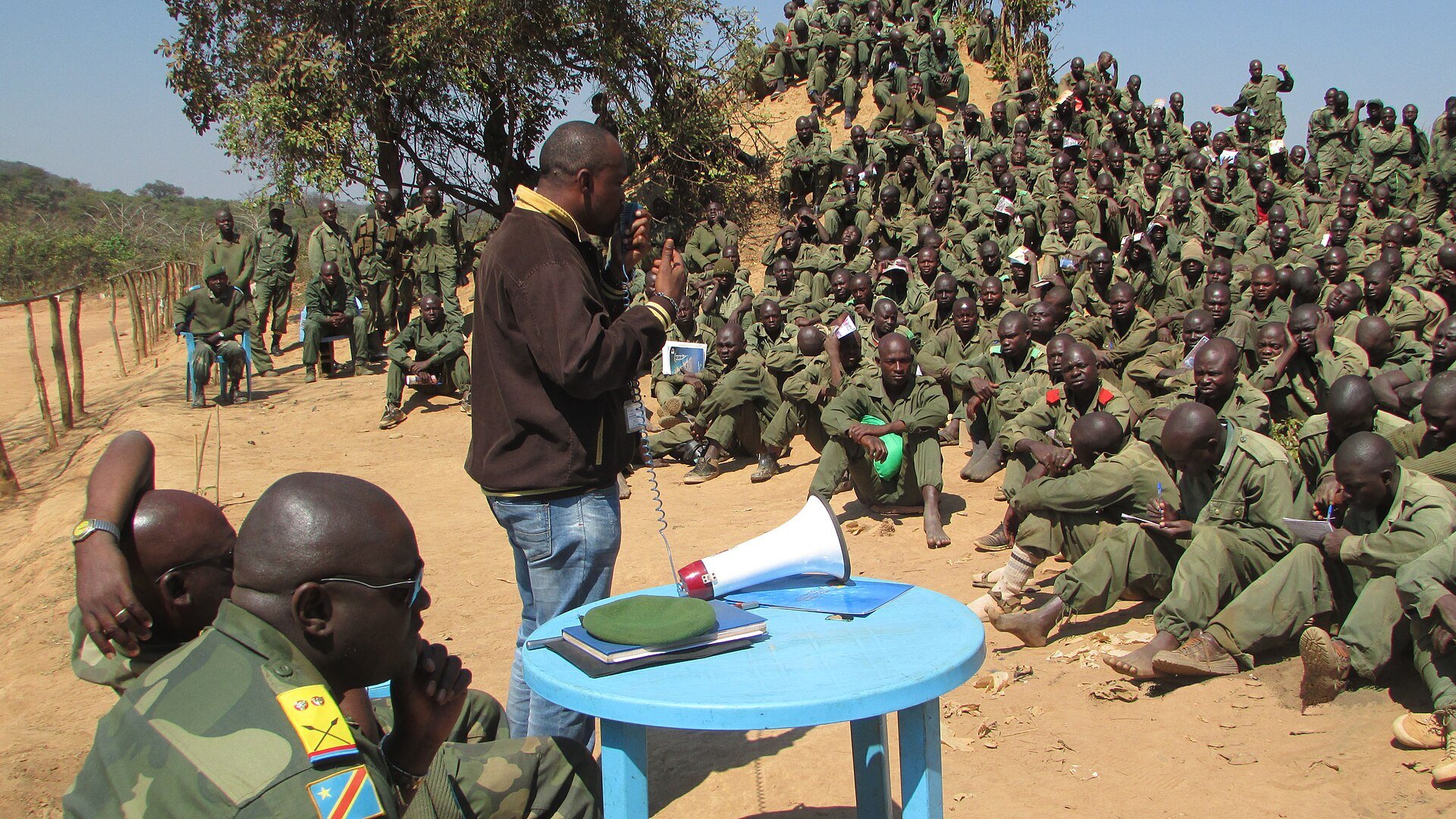
Away from the war the office documented 47 violations, 43% fewer than in June, and blamed excessive force by some defence and security members and persistent failures of accountability. Soldiers committed 20 of them and police officers 19, with Haut-Katanga (14), Kinshasa (12) and Lualaba (7) the most affected.
Military courts opened 18 prosecutions against nine soldiers, four police officers and five civilians, and convicted nearly all of them, with only two civilians acquitted. Six soldiers were sentenced to death, including a warrant officer sentenced in Kinshasa on 22 July 2026 for murder and abandoning his post, with US$250,000 in damages ordered for the victim’s family and community.
From 3 July 2026 South Kivu authorities also suspended telecommunications and internet services and seized equipment for Starlink, the satellite internet service run by the US company SpaceX, at Fizi and Baraka. The UN office says the measures harmed freedom of expression and limited warnings and documentation during operations against AFC/M23.
What It Means for You
For US readers the note is a ground-level check on a conflict that Washington addresses through peace talks and sanctions, such as the Treasury measures against Rwanda’s Defense Ministry and the lender Zigama on Wednesday 28 October 2026. The M23 count matters there because the Treasury describes M23 as a US- and UN-designated armed group.
Travellers should know that the State Department tells Americans not to travel to North Kivu and Ituri, where most of these cases occurred, and to reconsider travel to Congo overall. Buyers of copper and cobalt can note that the note records abuses in the mining provinces of Haut-Katanga and Lualaba, including a five-year-old boy seriously hurt by a stray bullet when security forces put down a protest by artisanal miners at a Fungurume mine site on 4 July.
What Is Not Known
The office reports minimum figures it could verify, so the true number of victims is unknown. The full analysis also gives slightly different counts in two places, such as 89 or 91 cases in South Kivu, so the press-release figures are used here.
It is not known whether August to October brought a rise or a fall, since no later month had appeared on the mission’s website by 30 October. The office says it shares these trends with the authorities so that they take action, but the note records no official reply.
Frequently Asked Questions
How many human rights violations did the UN record in Congo in July 2026?
The UN Joint Human Rights Office documented 464 violations and abuses affecting at least 1,081 victims. That is 30% fewer cases than the 657 recorded in June.
Who committed most of the abuses?
Armed groups were behind 326 of the 464 cases, with the M23 rebel coalition responsible for about 160. State agents were behind 138, including 81 by soldiers and 35 by police.
Did human rights conditions in Congo improve in July?
The UN office says the lower count does not necessarily show an improvement. Sources fled conflict zones, which limited its ability to collect and verify reports.
Is it safe for Americans to visit eastern Congo?
The State Department rates North Kivu, Ituri and eastern Congo Level 4, Do Not Travel. It tells Americans to reconsider travel to Congo overall because of crime and civil unrest.
Sources: UN Joint Human Rights Office, main trends of human rights violations in Congo, July 2026, published 29 October 2026; UN Joint Human Rights Office, press release on the July 2026 monthly note; UN Joint Human Rights Office, analysis of the human rights situation, July 2026; US Treasury, sanctions on the Rwandan Ministry of Defence and Zigama, 28 October 2026; US State Department, Democratic Republic of the Congo travel advisory, read 30 October 2026.
This article was produced by The Rio Times’ automated newsroom system. How we use AI · Report an error · Editorial responsibility: Matthias Camenzind, Editor-in-Chief