Drone Strikes Black Out Sudan’s Southeast

Sudan War
Published Monday, 26 October, 1:53 p.m. ET (7:53 p.m. Port Sudan, the Red Sea city that serves as Sudan’s wartime seat) · Source: Sudan Electricity Holding Company, UN statements
Key Facts
- What happened: Drone strikes hit five power stations in southeastern Sudan and cut electricity across four states.
- Who is blamed: The state power company blames the paramilitary Rapid Support Forces; the group had not replied.
- What is unknown: The claim is not independently verified; repair time and casualties are unclear.
- Prediction markets: Polymarket gives 11% that a Sudan ceasefire starts by 31 December 2026 (as of 1:52 p.m. ET, 26 October).
This story is part of our coverage of the sudan war. Dates, times and how to follow it are in our guide.
Sudan woke up on Monday to a darkness no one had planned for. Drone strikes on five power stations switched off the lights across four states, in the part of the country that the army still holds.
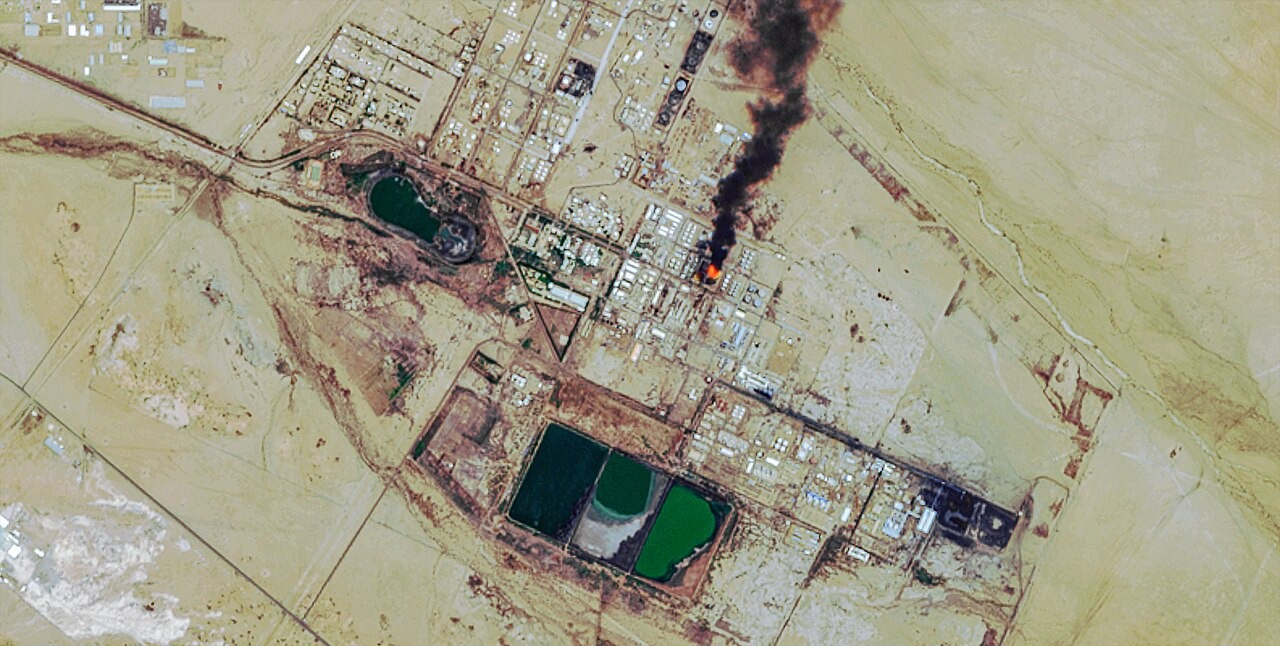
Sudan Electricity Holding Company, the state-owned utility, said the strikes hit substations at Sinja (also spelled Singa), Al-Hawata, Al-Fao, Mashkour and Al-Junaid on 26 October. It blamed the Rapid Support Forces (RSF), the paramilitary group fighting the army in the Sudan war, and said the damage had cut the whole southeastern grid.
In plain English
Sudan has been at war since April 2023. The army and the RSF are fighting for control, and both now use cheap armed drones. A substation is the switching yard that sends power from a plant to homes, so hitting one can darken a whole region.
Four States Lose Power at Once
The outage covers Sennar, Al-Qadarif (also written Gedaref), White Nile and Al-Jazira states. The utility says these four states cover about half of the territory the army now controls.
In parts of Al-Jazira state and in Al-Fao, the power was already off by 2:00 a.m. Sudan time on Monday (8:00 p.m. ET on Sunday), local residents said. Engineers and technicians were sent to assess the damage and start repairs, the company said.
The utility described “severe damage” and “major destruction” to equipment. It warned that the stability of the whole national grid is under threat.
Why a Dark Grid Hurts Civilians First
The United Nations has repeatedly warned that attacks on power stations threaten health services and other basic functions for millions of people. Nearly 20 million Sudanese already face acute hunger, according to the UN-backed hunger monitor IPC.
The UN human rights office counted 306 people killed by drone strikes in the first three weeks of October. Both sides have stepped up drone use this month, including attacks on Nyala, held by the RSF, and Khartoum airport, held by the army.
What Prediction Markets Say
On Polymarket, a real-money prediction market, traders put the odds of a Sudan civil war ceasefire by 31 December 2026 at 11%, with about US$120,000 traded (as of 1:52 p.m. ET, 26 October). That is a bet by traders, not a poll.
Why we show this: prediction markets turn real-money bets into a live probability that moves within minutes of the news, which is why investors, campaigns and newsrooms in the United States now follow them closely. We show them next to polls and official results, never instead of them.
What It Means for US Readers
Sudan’s fighting is increasingly decided by drones that hit infrastructure far from the front lines. For readers in the United States, the practical effect is more civilians in need, slower aid deliveries and a harder case for any near-term ceasefire.
Washington and its Gulf partners have pushed both sides to talk, so each new strike on civilian services adds pressure on that effort. Watch for any UN statement on the grid and for whether the RSF answers the accusation.
What Is Not Known
The RSF has not responded, and the utility’s account has not been independently verified. No one has published the number of drones, any casualty count for the substation strikes, or a date for restoring power.
Frequently Asked Questions
Who is blamed for the drone strikes on Sudan’s power grid?
The state-owned Sudan Electricity Holding Company blames the Rapid Support Forces. The group had not responded, and the claim has not been independently verified.
Which parts of Sudan lost electricity?
Sennar, Al-Qadarif, White Nile and Al-Jazira states lost power. The utility says they cover about half of the territory the army holds.
Sources: Sudan Electricity Holding Company statement, UN OCHA Sudan, UN statements, Polymarket market “Sudan civil war ceasefire by…?”. Background: Sudan explained.
Editorial responsibility: Matthias Camenzind, Editor-in-Chief · Editorial standards · Report an error
Horn of Africa and the Red Sea
- Horn of Africa 2026: Why It Matters and Who Backs Whom
- Ethiopia’s Neighbors Explained, Ports, Eritrea, Somalia
- Eritrea Explained 2026, a Red Sea Country Guide
- Somalia Explained: Al-Shabaab, Somaliland, the Ports and the Fight Over a 2026 Vote