
SUDAN · ECONOMY
Key Facts
- —The country Sudan is a northeast African country where the army and the paramilitary Rapid Support Forces have fought a war since April 2023.
- —What happened On Sunday 25 October 2026, residents of Atbara closed streets and burned tyres to protest a rise in transport fares, Sudan Tribune reported.
- —The fare The fare between Ad-Damer and Atbara rose to 7,000 Sudanese pounds (about US$0.70 at the street rate) per passenger.
- —The spark Heated arguments at a transport stop between residents and drivers over an unannounced increase set off the protest, witnesses told the news site.
- —The backdrop Sudan Tribune said fuel and flour are scarce, the pound is falling and rents are at a record in a city of displaced people.
- —Still open Whether the fare was lowered, whether security forces stepped in, whether the protests spread, and whether any second outlet confirms the report.
The Atbara protests began on Sunday 25 October 2026 in Sudan’s River Nile State after fares jumped, Sudan Tribune reported in Arabic. Residents closed several streets and burned car tyres.
For US readers, the Atbara protests show war-driven shortages squeezing army-held northern Sudan, where aid groups and displaced families have gathered. A fare worth about US$0.70 can still start a street protest when fuel, flour and housing are hard to get.
What Happened in Atbara
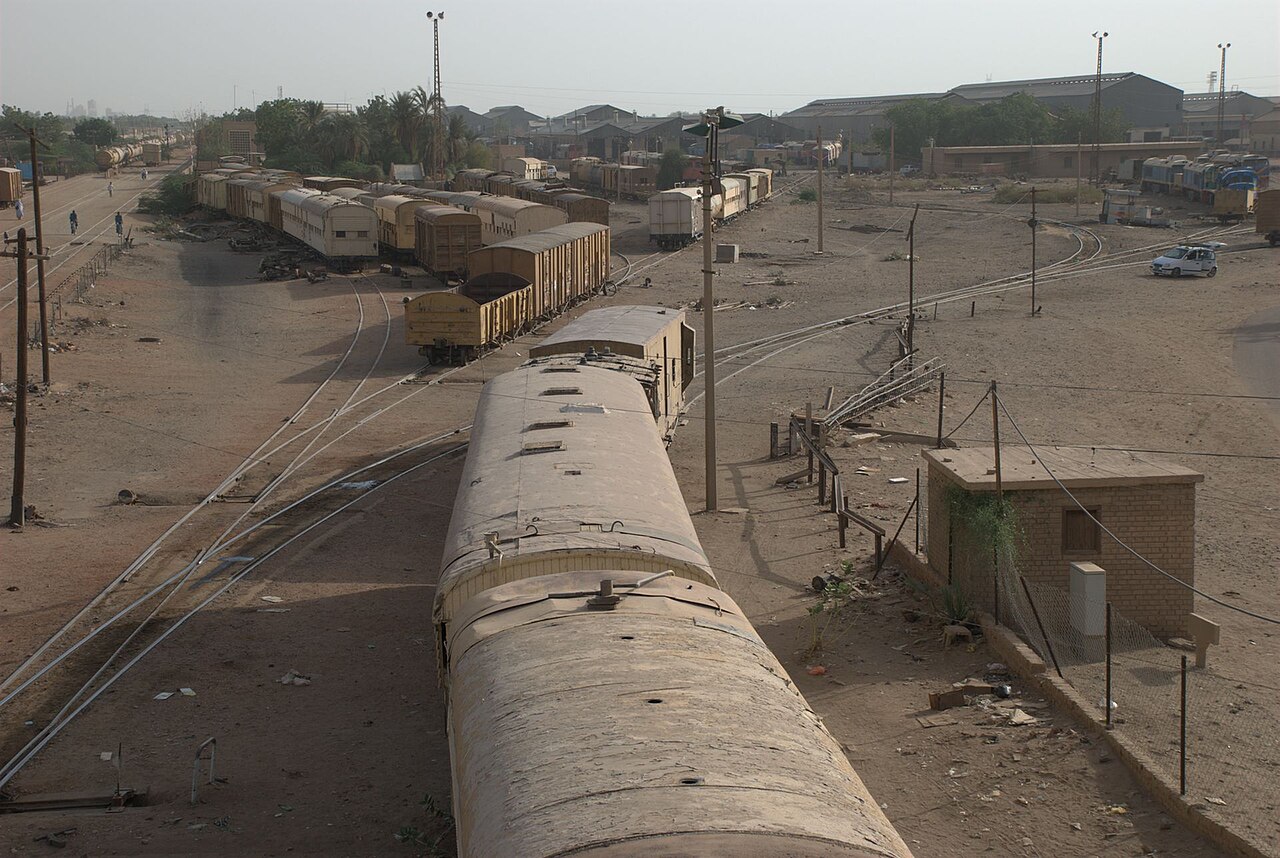
Atbara is a railway city in River Nile State, in north-eastern Sudan. On Sunday 25 October 2026, citizens there blocked a number of streets and set tyres alight, Sudan Tribune said.
The trigger was the fare between Atbara and Ad-Damer, which jumped to 7,000 Sudanese pounds (about US$0.70) per passenger. Witnesses said heated arguments at a transport stop between residents and drivers over an unannounced increase started the protest.
Why Fuel Is Driving the Fares
Sudan Tribune said transport in the city is badly disrupted and that some depots and filling stations have partly closed because fuel is scarce. It tied the unannounced fare rise directly to the fuel crisis.
Sudan’s fuel shortage is a shortage of dollars as much as of oil, as an earlier Rio Times analysis of Sudan’s fuel crisis explained. In early October, Sudan Times reported petrol at 60,000 Sudanese pounds (about US$6.00) a gallon on the parallel market and 37,000 pounds (about US$3.70) officially.
A Falling Pound and Rising Prices
The Sudanese pound keeps losing value, and Sudan Tribune said high prices have hit the city’s markets. On the street market the dollar passed 10,000 pounds (about US$1) this month, as a Rio Times report on the pound showed.
Dabanga reported dealers selling the dollar at 10,300 pounds (about US$1) on 22 October. Dollar figures here use the street rate, and the bank rate of about 4,200 pounds (about US$1) would make the fare about US$1.67.
Rents and a City Full of Displaced People
Atbara hosts thousands of people who fled Khartoum and the neighbouring city of Bahri during the war. Many have chosen not to go home because services there remain poor, Sudan Tribune said.
Rents have hit a record, and some landlords now ask for dollars or their current value, said Ahmed Ibrahim, a displaced man from Khartoum. He also said the state faces a string of service failures and poor management.
A City With a History of Protest
Atbara was a starting point of the street protests that began in December 2018 and ended Omar al-Bashir’s 30-year rule in April 2019. The current report describes anger over fares, fuel and rents and does not mention political demands.
Today the city lies in territory held by the army, which is fighting the Rapid Support Forces. The Atbara protests are a sign of how deep the cost-of-living pressure has become there.
What It Means for US Readers
Aid groups and donors that run operations through army-held northern Sudan can face higher fuel and transport costs. The Atbara protests also show that people who fled the fighting are being squeezed by prices as well as by the war itself.
Atbara is a railway city in the north, so lasting unrest could affect trade and relief shipments, though no such effect has been reported. Washington has sanctioned army chief Abdel Fattah al-Burhan, and the revived Sudanese Petroleum Corporation is one test of whether fuel supply improves.
What Is Not Known
The report does not say how many people took part, whether anyone was arrested or hurt, or whether police reopened the streets. Sudan Tribune is the only outlet found reporting the protest, and no second source had confirmed it when this article was written.
It also leaves out what the fare was before the rise, and it is not known whether drivers or officials have reversed the increase. No other town has been reported to have joined the Atbara protests.
More: Sudan news in English, every day from The Rio Times.
Frequently Asked Questions
Where is Atbara and why does it matter?
Atbara is a railway city in Sudan’s River Nile State, in the north-east of the country. It was a starting point of the protests that began in December 2018 and brought down President Omar al-Bashir in April 2019.
What caused the Atbara protests on 25 October 2026?
Residents reacted to a rise in the fare between Ad-Damer and Atbara to 7,000 Sudanese pounds (about US$0.70) per passenger. Witnesses said arguments with drivers over an unannounced increase tied to the fuel crisis started the Atbara protests.
Why is there a fuel shortage in Sudan?
Sudan has been at war since April 2023, its main refinery near Khartoum was damaged, and importers lack dollars to pay for cargoes. The result is scarce petrol and diesel and prices that rise with the falling pound.
What is the new fare in US dollars?
At the street rate of about 10,000 pounds (about US$1), the fare of 7,000 pounds (about US$0.70) is about 70 US cents. At the bank rate of about 4,200 pounds (about US$1) it is about US$1.67.
Who reported the protests?
The Sudan Tribune news site reported the Atbara protests in Arabic and English on Sunday 25 October 2026, citing eyewitnesses and one displaced resident. The authorities are not quoted in it.
Sources: Sudan Tribune (Arabic), 25 October 2026; Sudan Tribune (English edition of the same report), 25 October 2026; Dabanga, Sudan lifts ban on 46 imports as the dollar climbs, 22 October 2026; Rio Times, Sudan pound passes 10,000 to the dollar, 22 October 2026.
Editorial responsibility: Matthias Camenzind, Editor-in-Chief · Editorial standards · Report an error
Part of our ongoing coverage
Africa: The New Scramble — the great-power contest over the continent.
Horn of Africa and the Red Sea
- Horn of Africa 2026: Why It Matters and Who Backs Whom
- Ethiopia’s Neighbors Explained, Ports, Eritrea, Somalia
- Eritrea Explained 2026, a Red Sea Country Guide
- Somalia Explained: Al-Shabaab, Somaliland, the Ports and the Fight Over a 2026 Vote