Retire in Honduras 2026: Pensionado Visa and Costs
Guides · Honduras
—The visa. Pensionado residence needs a foreign pension of at least US$1,500 a month; rentista residence needs US$2,500 a month from stable income.
—The paperwork. Files go through a Honduran lawyer to the government secretariat for justice and governance, then to the migration institute for the card.
—The fee. The migration regulation sets US$300 for a pensionado or rentista residence, plus smaller registration and card charges.
—The cost. Numbeo puts a single person at about US$655 a month before rent; Roatán rents run well above the mainland.
—The catch. Pensionados may not take paid work without a separate permit, and serious medical cases often mean travel to the big cities or abroad.
Honduras asks retirees for a modest, provable foreign pension and a patient paper trail. The harder decisions are where to live, how to reach good hospitals and how to manage security.
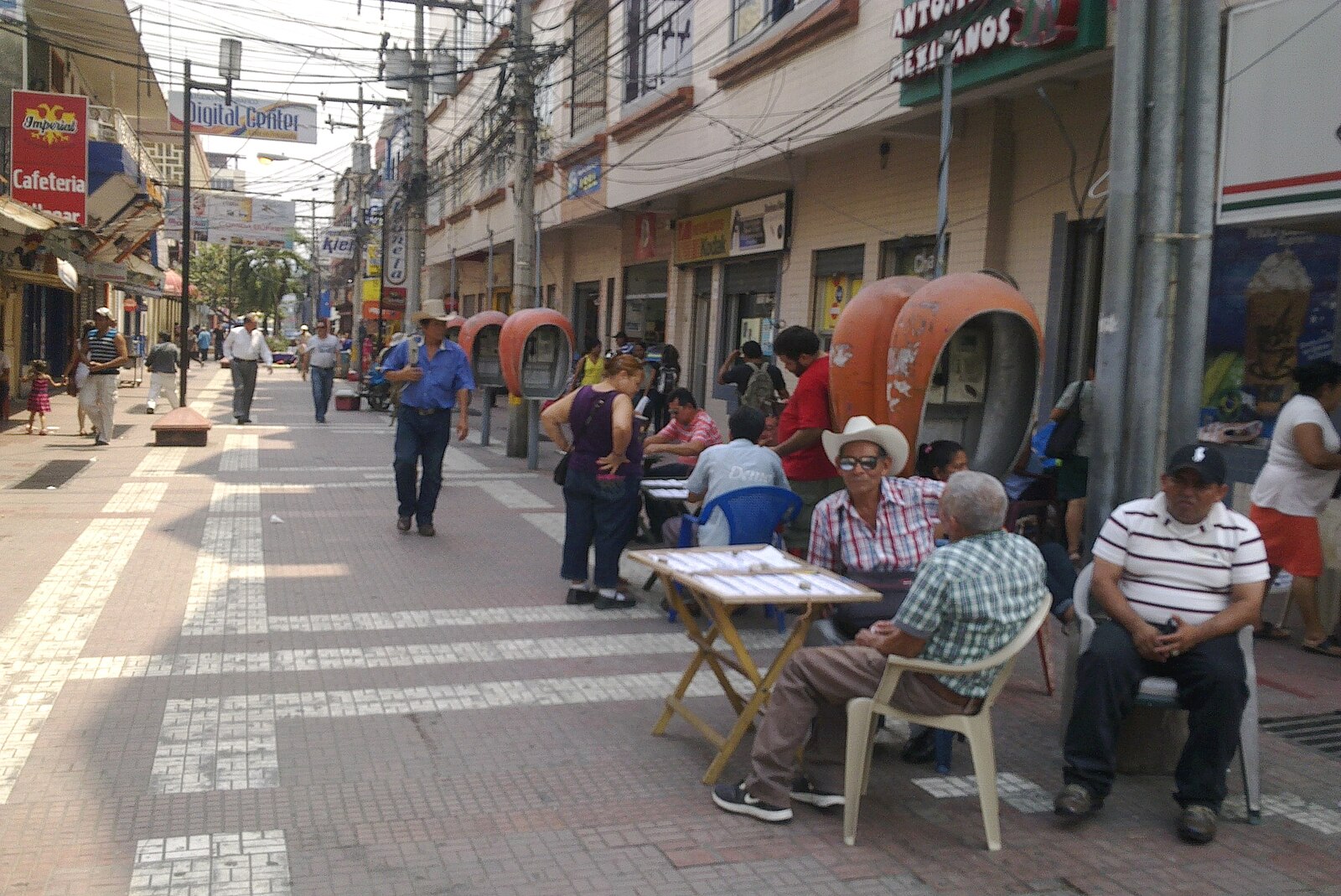
To retire in Honduras legally, most foreigners use one of two residence categories written into the country’s migration law. The pensionado route is built for people with a pension paid from abroad, and the rentista route for people living on other steady income.
Both routes come from the 2003 migration law, and the income tests the migration institute publishes in 2026 are the ones written into it. The effort sits less in the income test than in the paper trail, the choice of region and a realistic plan for healthcare and security.
The two routes: pensionado and rentista
The legal base is the Migration and Foreigners Law, Decree 208-2003. Its Article 24 sets the pensionado test at a permanent, stable pension generated abroad of at least US$1,500 a month. Article 23 sets the rentista test at US$2,500 a month of permanent, lawful and stable income.
As of September 2026, the Instituto Nacional de Migración (INM), the national migration institute, publishes the same two figures on its residence page. A January 2026 comparison by the regional law firm Consortium Legal confirms both amounts.
Rentista income may come from abroad or from inside Honduras, while the pensionado income must come from abroad. In both cases the money has to be received through a bank or other institution of the Honduran financial system.
That banking rule matters in practice. You will need a local account, and renewals ask for a bank certificate showing the pension or income is still arriving.
A newer route sits beside these two. Ministerial Agreement 374-2025, in force since 30 July 2025, lets the authorities consider exceptional residence for applicants who meet at least half of a category’s economic requirement.
The same agreement states that approval is discretionary and creates no acquired right. Treat it as a fallback for a slightly short pension, not as a planned strategy.
Documents and how the file moves
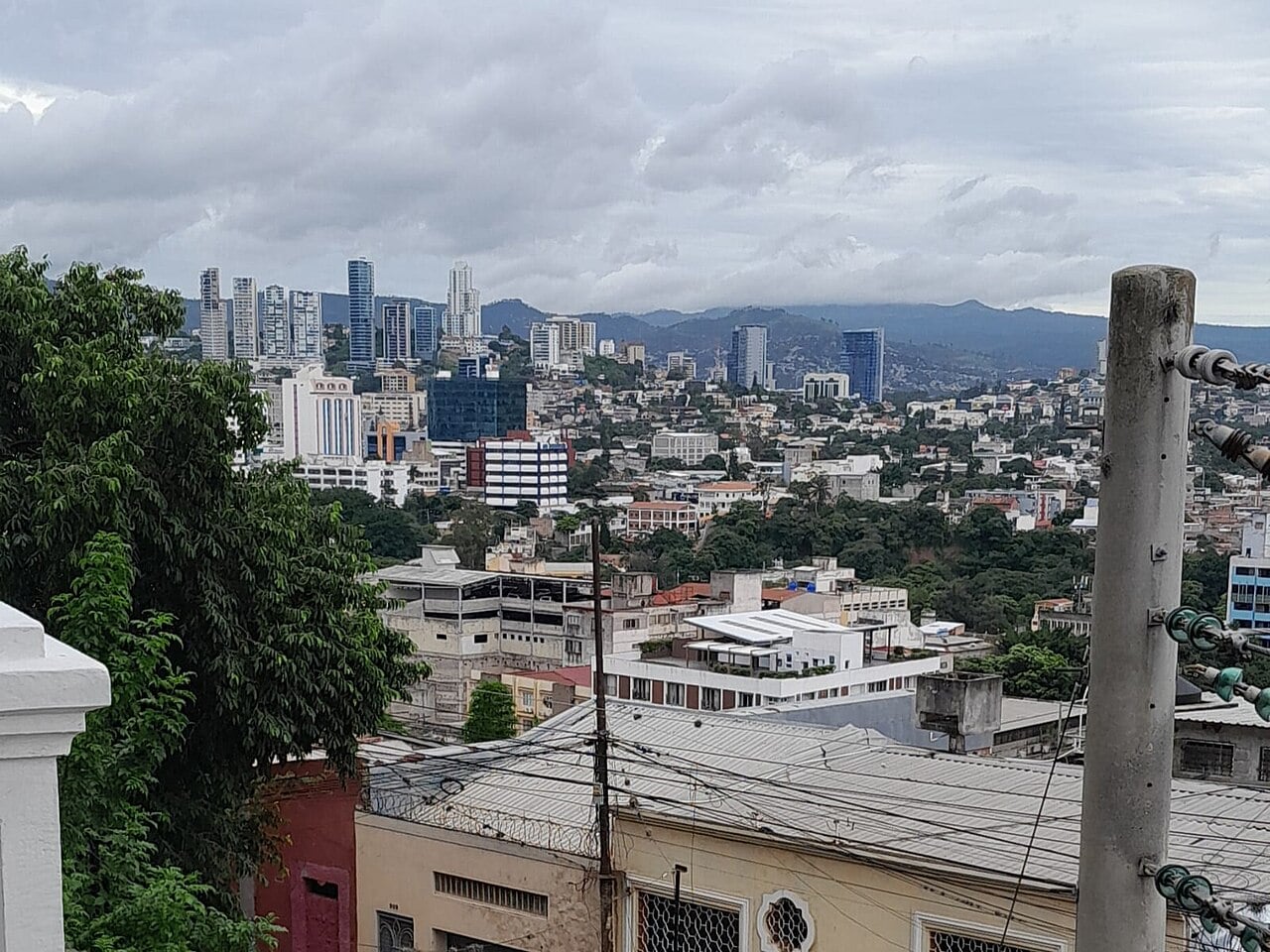
Residence is granted by the government secretariat responsible for justice, governance and decentralisation, not by the migration institute itself. Applications are filed through a Honduran lawyer acting under a power of attorney.
The INM lists the general documents every applicant needs. They include a recent 6-by-5-centimetre photograph, an authenticated passport copy and a certificate of your entries and exits issued by the INM.
You also need police clearance from your country of origin and your last country of residence. A Honduran police certificate showing no complaints against you and a medical certificate less than six months old complete the core set.
Pensionados add a certificate from the institution that pays the pension, with evidence that it will be received in Honduras. Rentistas add proof of the assets or securities that generate their income.
Documents in other languages need an official Spanish translation through the foreign ministry, plus an apostille or legalisation. Apostilles and certified translations usually set the real pace of the file.
Once the secretariat approves, you register in the National Registry of Foreigners at the INM and receive a resident card. Consortium Legal puts the whole procedure at roughly five to six months.
Fees, renewals and the rules that come with residence
The fee schedule in the migration regulation sets US$300 for a pensionado, rentista or investor residence. The secretariat’s own pensionado checklist repeats the same US$300 charge.
The same schedule lists US$150 for each dependent spouse or child and US$20 for registration at the INM. A Honduran law firm’s 2023 guide adds a card charge of US$20 for each year of validity, plus small stamp costs.
The regulation allows cards of up to five years. The same law-firm guide says only settled (inmigrado) and family-tie residents may pay for several years at once, so pensionado and rentista cards are renewed yearly. Renewal is filed online, and the national procedures portal lists offices in Tegucigalpa, San Pedro Sula, La Ceiba and Roatán.
Residence also carries limits. Pensionados and rentistas may not take paid work, although they may invest, and a separate permit for paid activity costs US$200 under the regulation.
The law grants a one-time duty exemption for household goods and one duty-free vehicle, each with resale conditions. Article 27 also exempts the pension or income behind the residence from Honduran income tax.
Honduras taxes on a territorial basis in any case. PwC Tax Summaries treats you as resident after more than 90 days in a fiscal year and taxes Honduran-source income only.
If you earn local income, the 2026 bands exempt the first 228,324 lempiras a year (about US$8,470), then apply 15, 20 and 25 percent. Conversions to US$ use a rate of 26.95 lempiras to the dollar, the midpoint of central bank rates on 21 September 2026.
Cost of living by region
Numbeo, a crowd-sourced price database, estimated in August 2026 that a single person in Honduras spends about US$655 a month before rent. Its national average for a one-bedroom flat in a city centre was about US$500.
Regional differences are large, and the data behind them vary in quality. The figures below are indicative ranges, not quotes, and should be checked against current listings.
Tegucigalpa. Numbeo’s July 2026 data put a central one-bedroom at about US$450, within a wide range of roughly US$190 to US$1,120. Basic utilities averaged about US$143 a month and home broadband about US$35.
A September 2026 retirement cost guide from TheLatinvestor places capital one-bedrooms at 10,000 to 12,000 lempiras (about US$370 to US$445). Better-secured buildings in the preferred districts sit at the upper end or above.

Roatán. The island is the costliest place in the country for foreign residents. Numbeo lists about US$850 for a central one-bedroom and US$550 outside the centre, with broadband near US$100.
Those Roatán figures rest on only 16 entries from two contributors, last updated in November 2025. TheLatinvestor puts two-bedroom rentals at about US$1,200 to US$1,800, well above mainland levels.
Most goods reach the island by sea, and daily prices reflect that. Budget for the ferry or flights to the mainland as a regular expense rather than an occasional one.
La Ceiba. The Caribbean port city is the mainland gateway to Roatán and Utila, and the INM keeps an office there. No regularly updated price index covers it, so rents need to be checked through local agents and listings.
As a mainland city, it generally avoids the island premium on imported goods and transport. Heat and humidity push air-conditioning costs up for most of the year.
Copán. Copán Ruinas is a small hill town beside the Maya archaeological site, close to the Guatemalan border. Numbeo holds no recent price entries for it, so any figure would be a guess.
Small-town rents and daily costs are usually below those of the capital. The trade-off is distance from specialist hospitals and from the international airports.
Healthcare for retirees
The United States State Department says there are adequate facilities in Tegucigalpa and San Pedro Sula for advanced surgical procedures. It also warns that staff, facilities and supplies often do not meet United States standards.
Most foreign retirees use private clinics and hospitals and pay in cash or through insurance. United States Medicare does not apply abroad, which makes a private or international policy the first budget line for many Americans.
The UK Foreign Office notes limited emergency medical facilities on the Bay Islands. It adds that recompression chambers for diving accidents exist on Roatán and Utila.
Serious cases on the islands usually move to the mainland, and some continue abroad. Check that any policy you buy includes medical evacuation with a realistic limit.
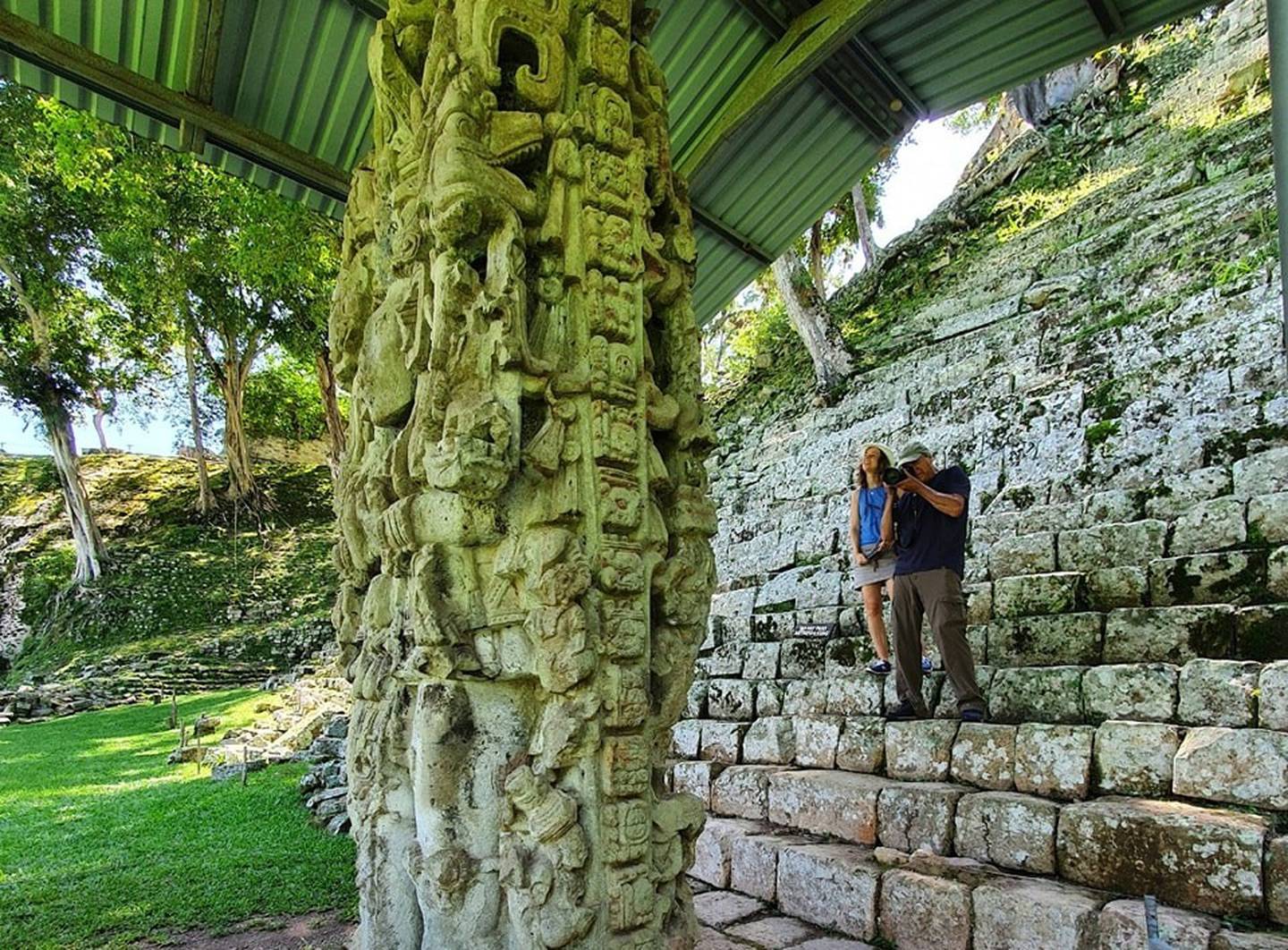
Copán and other inland towns depend on road transfers to larger hospitals in San Pedro Sula. Anyone with a chronic condition should map the route to the nearest adequate hospital before choosing a town.
Safety in context
As of September 2026, the United States State Department rates Honduras at Level 3, reconsider travel. Gracias a Dios department, in the remote east, is at Level 4, do not travel.
Violence has fallen but remains high. InSight Crime, a research group that tracks organised crime, counted 2,332 murders in 2025, a rate of 23.2 per 100,000 people, down from 25.3 in 2024.
The UK Foreign Office advises against walking around Tegucigalpa, San Pedro Sula and other mainland towns and cities. It reports petty theft on the Bay Islands and violent attacks on some roads, including around La Ceiba.
Most violence is concentrated in particular neighbourhoods and linked to gangs and trafficking. Foreign retirees tend to reduce risk through housing choice, secure transport and routines rather than through any single location.
What this means for your plans
If you plan to retire in Honduras on a pension of at least US$1,500 a month, the pensionado route is the natural fit. A spouse can be added under the dependent category, which the regulation charges at US$150 and which rests on the main applicant’s support.
Start with the slow items: apostilles, translations and the pension certificate. Order the police and medical certificates later, since both expire.
Choose the region before the house. Roatán offers an English-speaking community at island prices, Tegucigalpa offers hospitals and services, and La Ceiba and Copán sit in between on cost and access.
Rent for at least six months before buying anything. The Constitution reserves land within 40 kilometres of the coasts and borders, and on the islands, to Hondurans by birth. Narrow exceptions for urban property are set by special law.
Keep money flowing through a Honduran bank from the start, because renewals depend on it. Budget for private health cover with evacuation, and treat security spending as part of the cost of living.
Those who retire in Honduras on these terms can live on a modest income. The rules, fees and prices here are as of September 2026, and each should be rechecked with a Honduran lawyer before filing.
More: Latin America coverage from The Rio Times.
Sources: Instituto Nacional de Migración: residence categories and requirements, Ley de Migración y Extranjería, Decree 208-2003, Regulation of the Migration Law, with fee schedule, Governance and justice secretariat: pensionado checklist, National procedures portal: resident card renewal, Consortium Legal: rentista and pensionado residence in Central America (January 2026), García & Bodán: Agreement 374-2025 on exceptional residence, PwC Tax Summaries: Honduras individual residence, Numbeo: cost of living in Honduras, Numbeo: cost of living in Roatán, United States State Department: Honduras travel advisory, UK Foreign Office: Honduras safety and security, InSight Crime: 2025 homicide round-up, El Heraldo: central bank exchange rate, 21 September 2026
This article was produced by The Rio Times’ automated newsroom system. How we use AI · Report an error
Read More from The Rio Times