Taxes in Honduras for Expats 2026 — Territorial Rules, Rates and What You Owe
GUIDES · HONDURAS
Key Facts
- —What it is A territorial income tax on Honduran-source income, plus a 15% sales tax and municipal property taxes.
- —Who it’s for Foreign retirees, remote workers, local employees and property owners living in Honduras.
- —What it costs Local income is taxed at 0–25% in bands; foreign pensions and foreign earnings are generally outside that base.
- —Why it matters Your income source, not your passport, decides whether Honduras taxes your income at all.
- —The catch Honduras has no double-taxation treaties, and home-country taxes and local property duties still apply.
Taxes in Honduras for expats turn on one question — where your income comes from — and on the local taxes that apply to everyone who lives there.
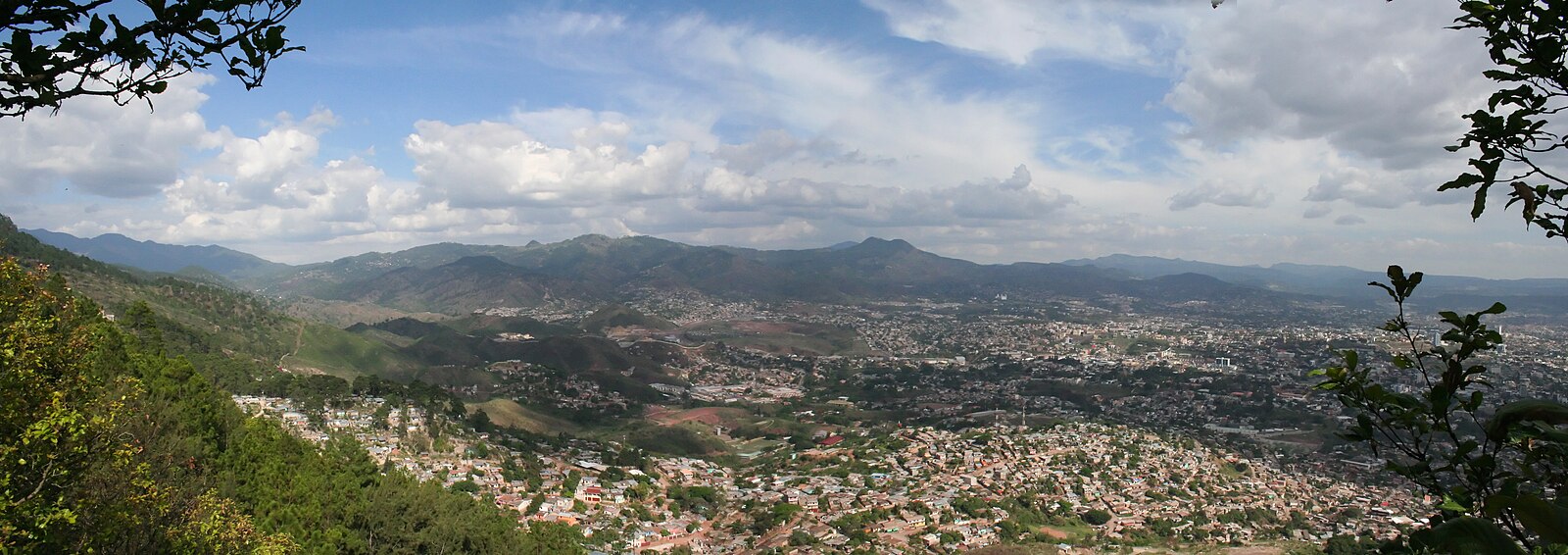
Honduras taxes income on a territorial basis, so it generally reaches only income earned from Honduran sources. For many retirees, taxes in Honduras for expats mean the 15% sales tax and property taxes more than income tax.
How taxes in Honduras for expats are structured
The Honduran tax authority is the Servicio de Administración de Rentas (SAR, the Revenue Administration Service). It administers income tax and the sales tax, while municipalities collect property tax.
Income tax rests on the Ley del Impuesto sobre la Renta, first issued as Decree-Law 25 in 1963. SAR publishes an updated compilation of the law on its website.
Taxes in Honduras for expats sit in three layers: income tax, consumption tax and property-related taxes. A foreigner can owe nothing in the first layer and still pay steadily in the other two.
All figures below use 19 September 2026 exchange rates, when the lempira traded at about 26.85 to the dollar. Lempira amounts are official; dollar figures are rounded guides.
Tax residence: the presence test and why it matters less
Honduran law treats individuals as resident based on domicile or physical presence. PwC’s tax summary states the test as more than 90 days in a fiscal year, consecutive or not.
Some online guides quote 183 days instead, so the exact threshold for your case is worth confirming with a Honduran accountant. The tax year runs from 1 January to 31 December.
For taxes in Honduras for expats, residence matters less than in most countries. Residents and non-residents alike are taxed on Honduran-source income, and non-residents usually through withholding by the payer.
Residence does change how you file and which deductions you can use. Keep passport stamps, a lease and your residency card as evidence of your position.
The territorial principle: foreign pensions and remote income
PwC’s summary puts it plainly: citizens and residents are taxed on income earned from Honduran sources. Income earned abroad is generally outside the Honduran income-tax base.
That is why a US Social Security payment, a European state pension or foreign dividends are usually not taxed in Honduras. This rule is the core of taxes in Honduras for expats living on foreign income.
The harder cases involve work done physically in Honduras for a foreign payer. Where the work is performed can matter as much as where the money is paid, so remote workers need a professional view.
The same caution applies to rent from a Honduran property or a pension paid through a local fund. Those streams can have a Honduran source even if you think of them as passive.
The 2026 income-tax table for local income
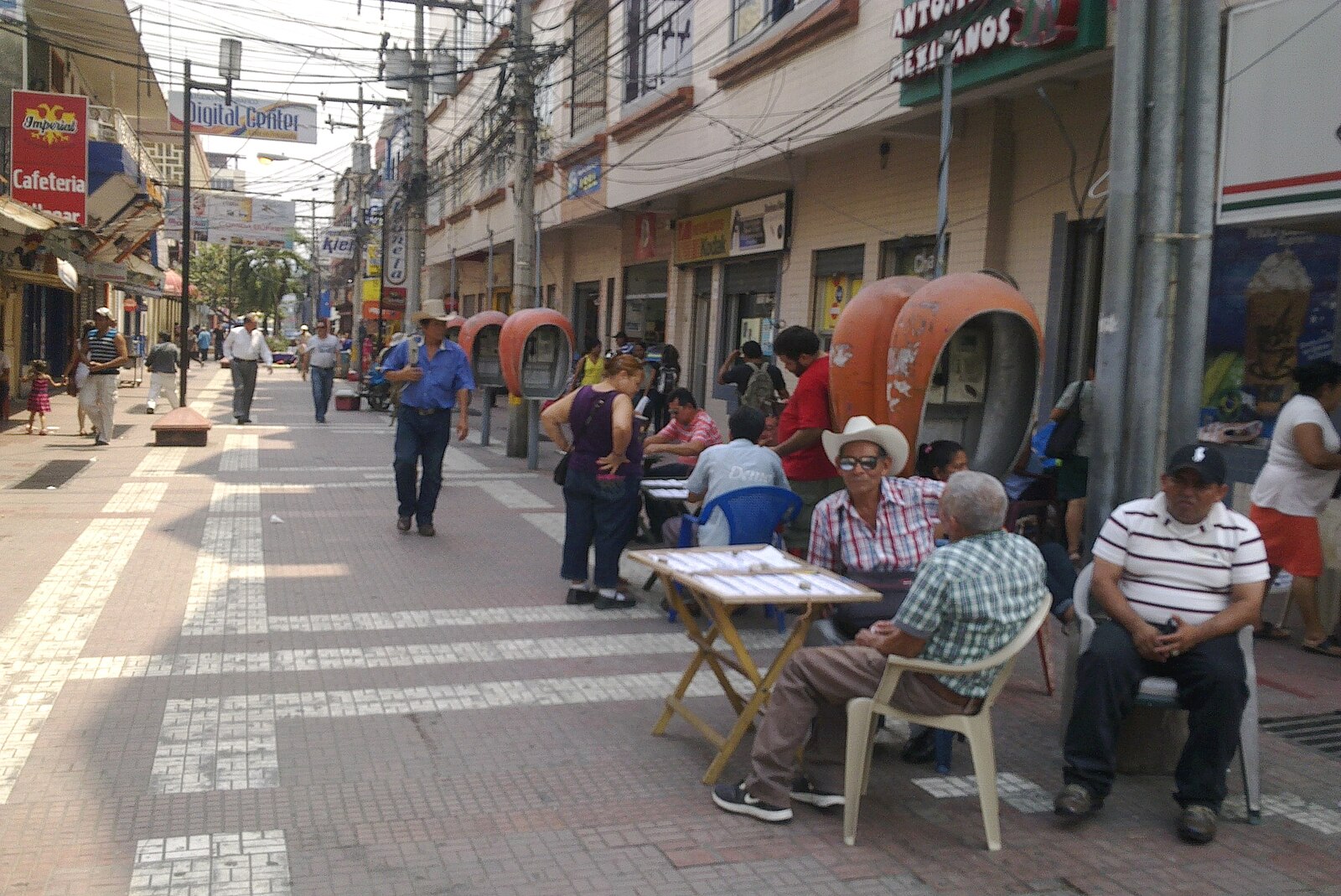
Honduran-source income for individuals is taxed at progressive rates. SAR adjusted the 2026 table upward by 4.98% in line with consumer-price inflation, through Acuerdo SAR-01-2026, published on 23 January 2026.
The first 228,324.32 lempiras (about US$8,500) of annual net income is exempt. Income from there up to 348,154.10 lempiras (about US$13,000) is taxed at 15%.
The 20% band runs up to 809,660.75 lempiras (about US$30,150). Everything above 809,660.76 lempiras (about US$30,150) is taxed at 25%, the top rate.
The law also allows a deduction of up to 40,000 lempiras (about US$1,490) a year for medical fees and education costs. For taxpayers aged 65 or over, SAR’s filing guide sets it at 80,000 lempiras (about US$2,980).
Separately, PwC reports that capital gains are taxed at a flat 10%. That rate matters mainly when you sell Honduran property or shares.
Working for a Honduran employer: withholding and social security
Once you take a local job, taxes in Honduras for expats work like taxes for local staff. The employer withholds income tax every month and pays it to SAR.
SAR’s 2026 withholding table applies to salaries from 22,360.36 lempiras (about US$833) a month. Below that level, no income tax is withheld once the standard deduction is counted.
Employees also contribute to the Honduran social-security institute (IHSS). PwC lists 2.5% for sickness and maternity and 1% for pensions, both on salary up to a capped amount.
The annual return for individuals is due between 1 January and 30 April, according to SAR’s filing guide. Most salaried employees with one employer are covered by withholding, while self-employed people and landlords must file.
No tax treaties: what that means for US and European pensioners
PwC states that Honduras has not signed any comprehensive double-taxation treaties. It also reports no general foreign tax credit in Honduran law.
Honduras does have tax information exchange agreements, including one with the United States. These let tax authorities share data, but they do not reduce anyone’s tax.
For pensioners weighing taxes in Honduras for expats, the missing treaties matter less than it sounds. Honduras does not tax their foreign income anyway.
The risk sits with mixed or Honduran-source income, where no treaty offers relief.
Your home country’s rules still apply in full.
The United States taxes its citizens on worldwide income wherever they live. Some European countries also keep taxing pensions paid abroad.
The property layer: municipal tax and transfer tax
Municipalities levy an annual property tax, the impuesto sobre bienes inmuebles, under the Ley de Municipalidades. The law caps it at 3.50 lempiras per thousand of cadastral value for urban property, and 2.50 per thousand for rural land.
On a house valued at 3 million lempiras (about US$111,700), the urban ceiling means up to 10,500 lempiras (about US$391) a year. Each municipality sets its actual rate and payment calendar, with August as the legal due month.
Every sale also triggers the impuesto sobre tradición de bienes inmuebles, a transfer tax of 1.5% of the transaction. SAR applies it to market or cadastral value, whichever is higher.
By law the seller pays the transfer tax, within three days of the deed. Buyers still pay registry and notary costs, and the split is often negotiated, so check the contract before signing.
The ISV: the tax you pay every day
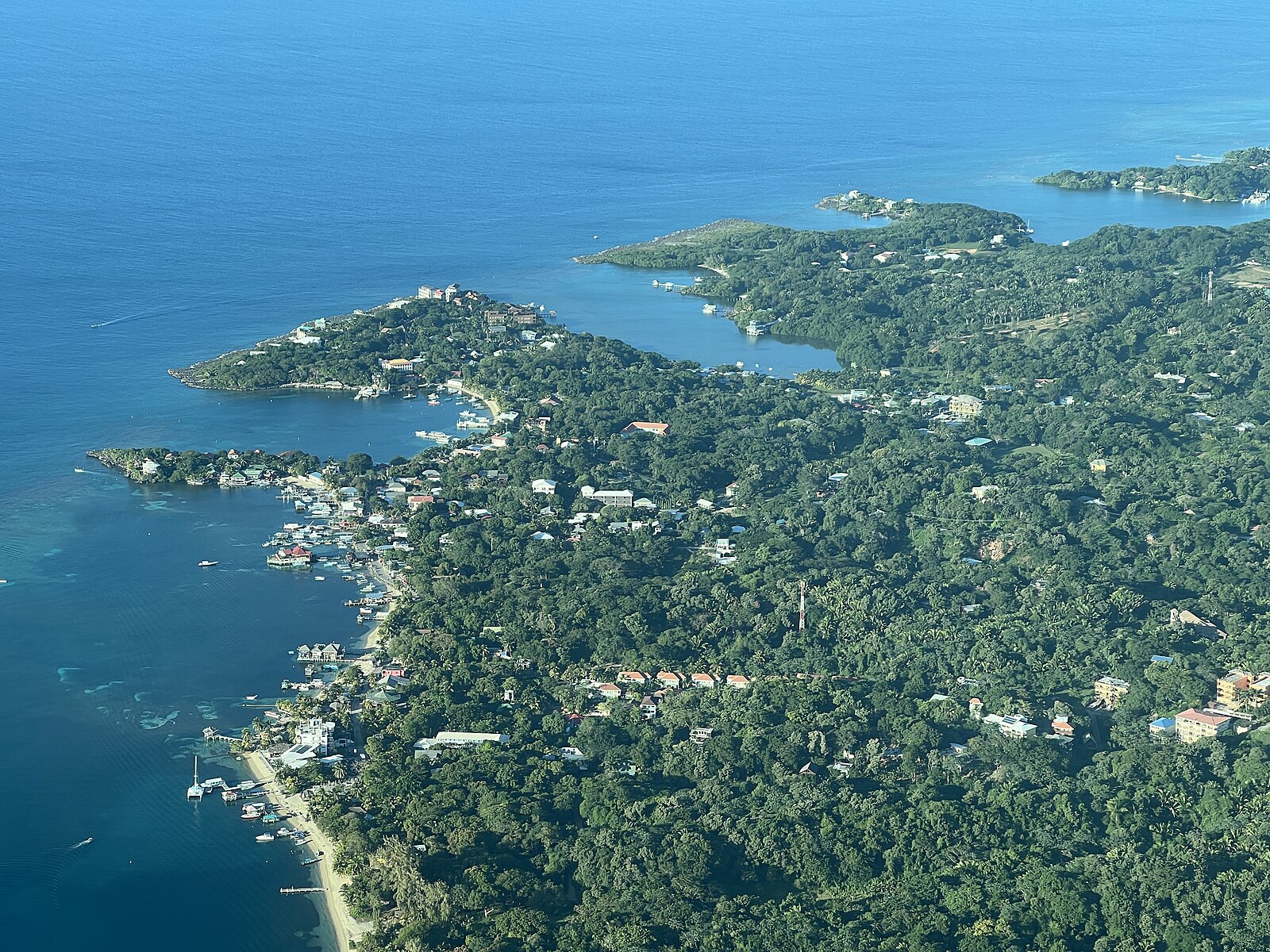
The Impuesto Sobre Ventas (ISV) is Honduras’s sales tax, the equivalent of VAT. The general rate is 15%, with a higher 18% rate on a short list of items, according to PwC.
For a retiree living on a foreign pension, the ISV is often the largest tax paid in Honduras. It is built into shop prices, restaurant bills and many services.
Some basic foods and services are exempt, but most imported goods and electronics carry the full rate. When you compare living costs with other countries, count the ISV inside the price.
Seen over a year, the ISV turns taxes in Honduras for expats into a spending question. A household that spends more on imported goods pays noticeably more tax.
Banking, reporting and what SAR sees
SAR’s visibility comes mainly from domestic records. Payroll withholding, tax returns, bank withholding, notarised property deeds and municipal registers all flow into its picture.
In 2026 SAR has publicly stepped up coordination with the courts on capital-gains and property-transfer taxes. That signals closer attention to real-estate deals.
US citizens should expect Honduran banks to ask about their tax status. US rules require foreign banks to report American account holders.
The practical approach is simple: register for a tax number (RTN) if you earn locally or own property. Keep records showing where each income stream comes from.
Some things remain unclear from official sources. SAR publishes no plain-language residence test for foreigners, and municipal rates are not collected in one public list.
The pensionado route and common mistakes
Honduras has long offered a pensionado (retiree) residency under its law for residents, pensioners and rentistas. Its best-known benefits concern residency and import duties, not a special income-tax regime.
The tax benefit most retirees feel comes from the territorial principle, which covers any foreign-source income. Income thresholds for the permit are set by migration rules, so check them with the Instituto Nacional de Migración.
The most common mistake is assuming territorial means no obligations at all. Local salary, rental income, capital gains, property tax and the ISV can all still apply.
Other frequent mistakes are forgetting the municipal property bill, assuming a treaty exists, and treating Honduran rent as foreign income. An early review by a licensed accountant usually costs less than a later correction.
How Honduras compares with Panama and Costa Rica
Panama also taxes individuals only on Panamanian-source income, with a top rate of 25%. Its sales tax, the ITBMS, is lower at 7%.
Costa Rica taxes income produced within its borders, with a 13% value-added tax. It has periodically debated broader income-tax rules, so its position deserves a fresh check before any move.
For the same retiree or remote worker, all three countries leave most foreign income untaxed today. The differences lie in sales tax, property costs and how clearly each country handles work done locally for foreign clients.
None of the three is a zero-tax country, and rules can shift over time. Taxes in Honduras for expats remain simple for foreign-source income and detailed for everything earned locally.
Sources: This guide draws on Honduras’s Revenue Administration Service (SAR), the Ministry of Finance’s text of the Municipalities Law, and PwC’s tax summaries for Honduras, Panama and Costa Rica.
This article was produced by The Rio Times’ automated newsroom system. How we use AI · Report an error
Read More from The Rio Times