Quito City Guide for 2026, Ecuador’s Capital Explained
ECUADOR · QUITO
Key Facts
- Power Index Ecuador ranks 8th of 14 in The Rio Times Latin America Power Index, with 38.2 points (October 2026 edition).
- Residents 2,679,722 people in the 2022 census, up from 319,221 in 1950.
- Metro 15 stations, 22 km, about 34 minutes from Quitumbe to El Labrador.
- Vote Quito elects a mayor on Sunday 29 November 2026.
- Money Ecuador uses the US dollar, so US visitors need no currency exchange.
- Not confirmed Current crime statistics, metro fares and visa rules are not covered here.
Quito is the capital of Ecuador and home to 2,679,722 people, according to the 2022 census of INEC, the national statistics institute. This Quito city guide was checked on Monday 2 November 2026 and covers history, the metro, the airport, weather and the mayoral vote.
Prices are in dollars, the city sits high in the Andes, and voters pick a mayor on Sunday 29 November. Our Quito city page and the Ecuador power structure guide add more background.
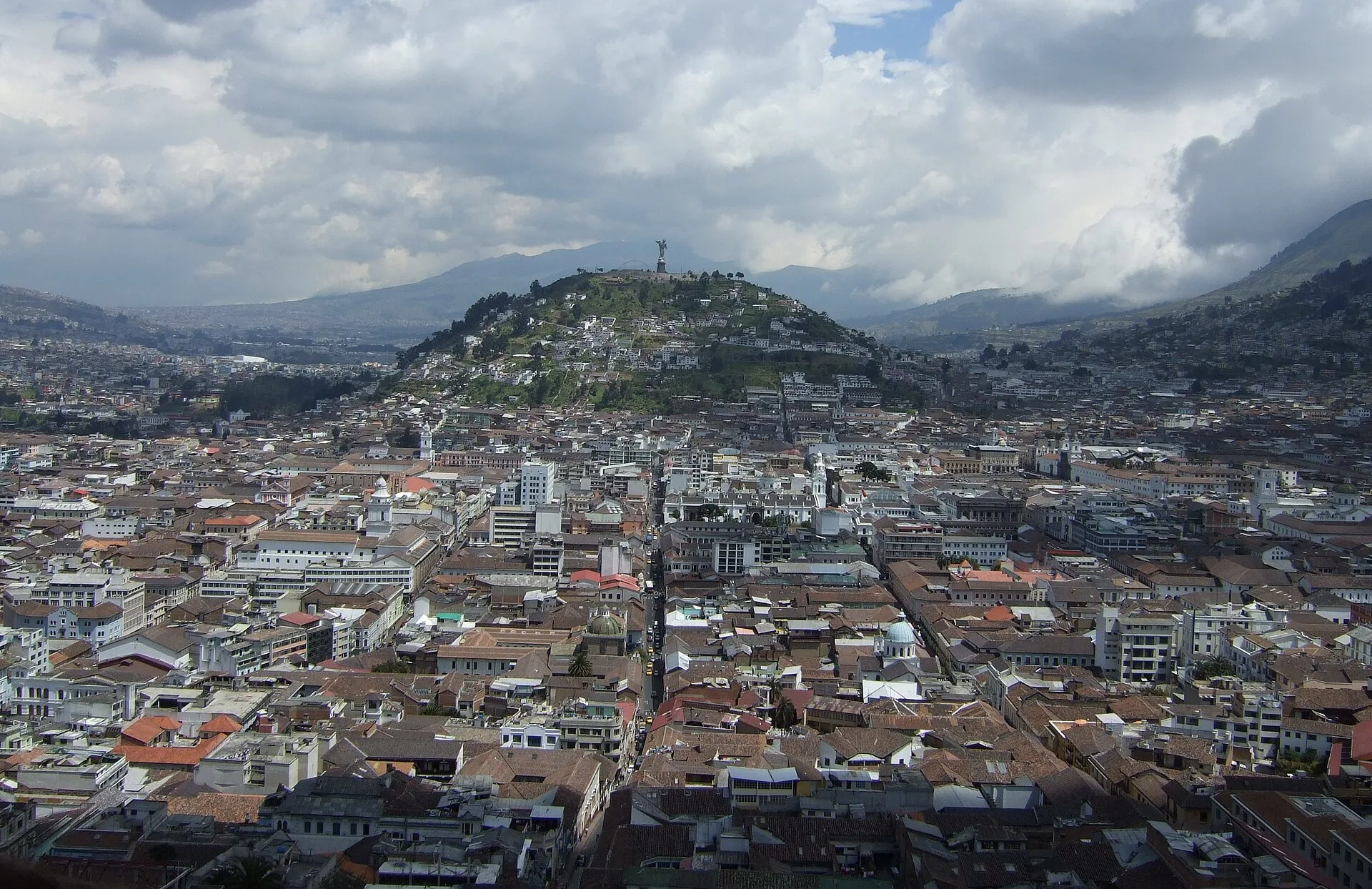
Quito City Guide: What the Capital Is
Quito is the seat of Ecuador’s national government and of its own municipal district, which covers the city and many surrounding parishes. A parish is the smallest official local unit in Ecuador, a little like a township.
INEC counted 2,679,722 residents in the 2022 census, across 34 urban parishes and 33 rural ones. In 1950 the city had 319,221 people, and INEC says the population grew about 2.3% a year on average between the two counts.
Calderón grew from 150,781 to 250,877 residents over twelve years, a gain of 100,096 people. INEC lists it as the largest of the rural parishes in the district.
The 2022 census was the first to ask about pets, and it counted 873,512 in Quito, 37% of them dogs. Some 44.3% of households keep neither a dog nor a cat.
The district has a density of 638 people per square kilometre (about 1,650 per square mile), and women made up 51.7% of residents in 2022. Among rural parishes, Calderón is the largest, with 250,877 people.
The municipality divides the district into ten administrative zones. They are Calderón, Chocó Andino, Eloy Alfaro, Eugenio Espejo, La Delicia, La Mariscal, Los Chillos, Manuela Sáenz, Quitumbe and Tumbaco.
History and the UNESCO Historic Centre
Quito was founded in 1534, and INEC counted it as a city of 491 years in 2025. The earliest census it cites, in 1906, found 50,841 inhabitants, so the modern city is far larger than the colonial town.
UNESCO, the United Nations agency for education, science and culture, put Quito on its World Heritage list in 1978. It describes the historic centre as the best-preserved and least altered in Latin America.
UNESCO points to the Baroque school of Quito, a style that blended European, Moorish, Flemish and indigenous art in churches and monasteries. It also praises the setting, where human work and nature come together.
Plaza Grande is the main square of the old town. Ecuador’s presidency lists its Quito address as García Moreno, between Chile and Espejo streets, a short walk from the square.
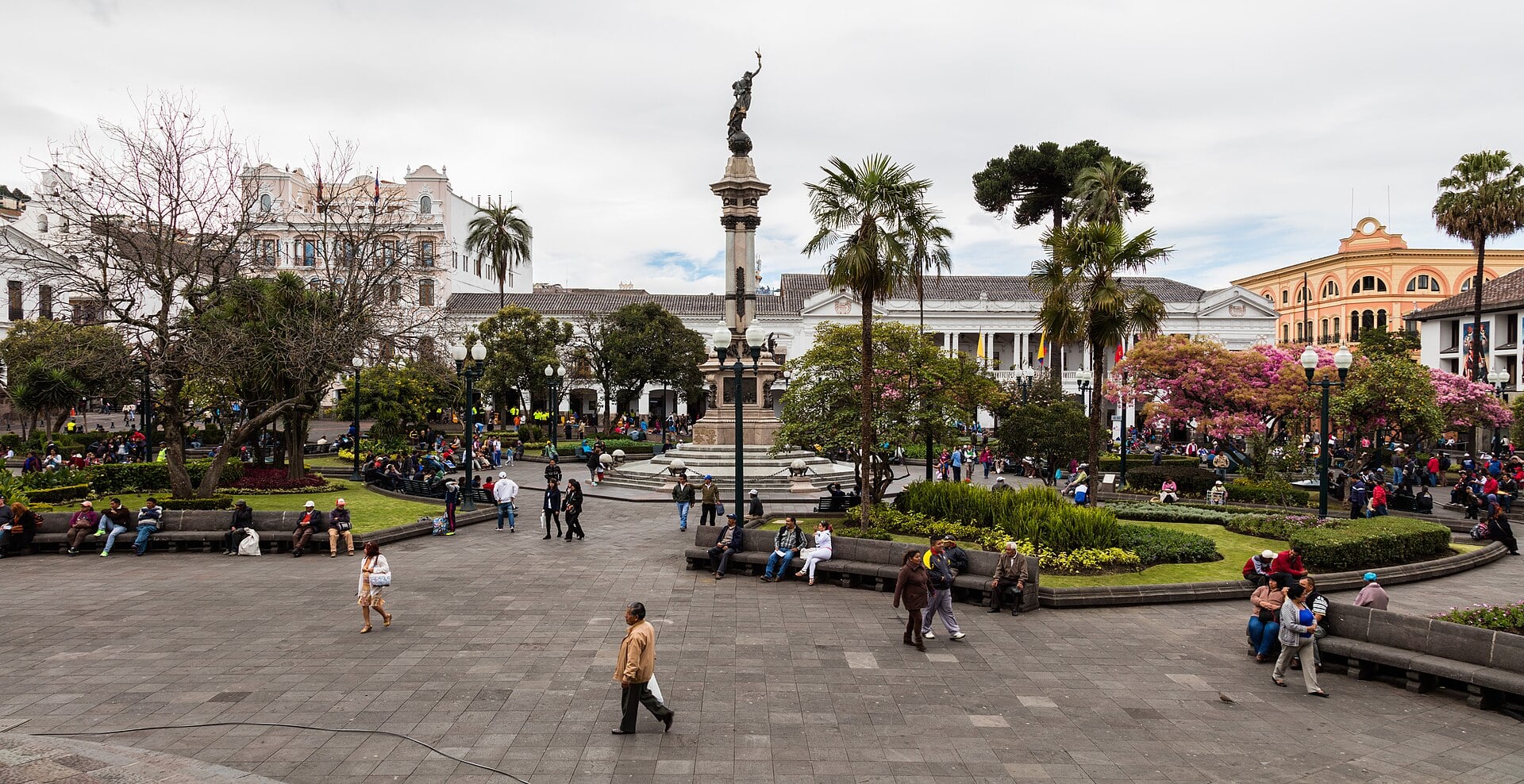
Who Runs Quito in 2026
Daniel Noboa is President of Ecuador, and his government sits in Quito. The city itself is run by a mayor and a municipal council, which handle transport, waste, permits and local security planning.
Pabel Muñoz is the sitting mayor, and the municipality’s news service named him in that role on 26 May 2026. He is seeking a new term in the 29 November vote.
The CNE, Ecuador’s National Electoral Council, set the local elections for Sunday 29 November 2026, earlier than the early-2027 date first planned. Voters choose mayors and provincial prefects, the heads of Ecuador’s provincial governments.
The CNE has not published a final list of Quito candidates in the pages we checked. Readers should rely on the CNE for the official list, the voting rules and polling-place details.
Getting Around on the Quito Metro
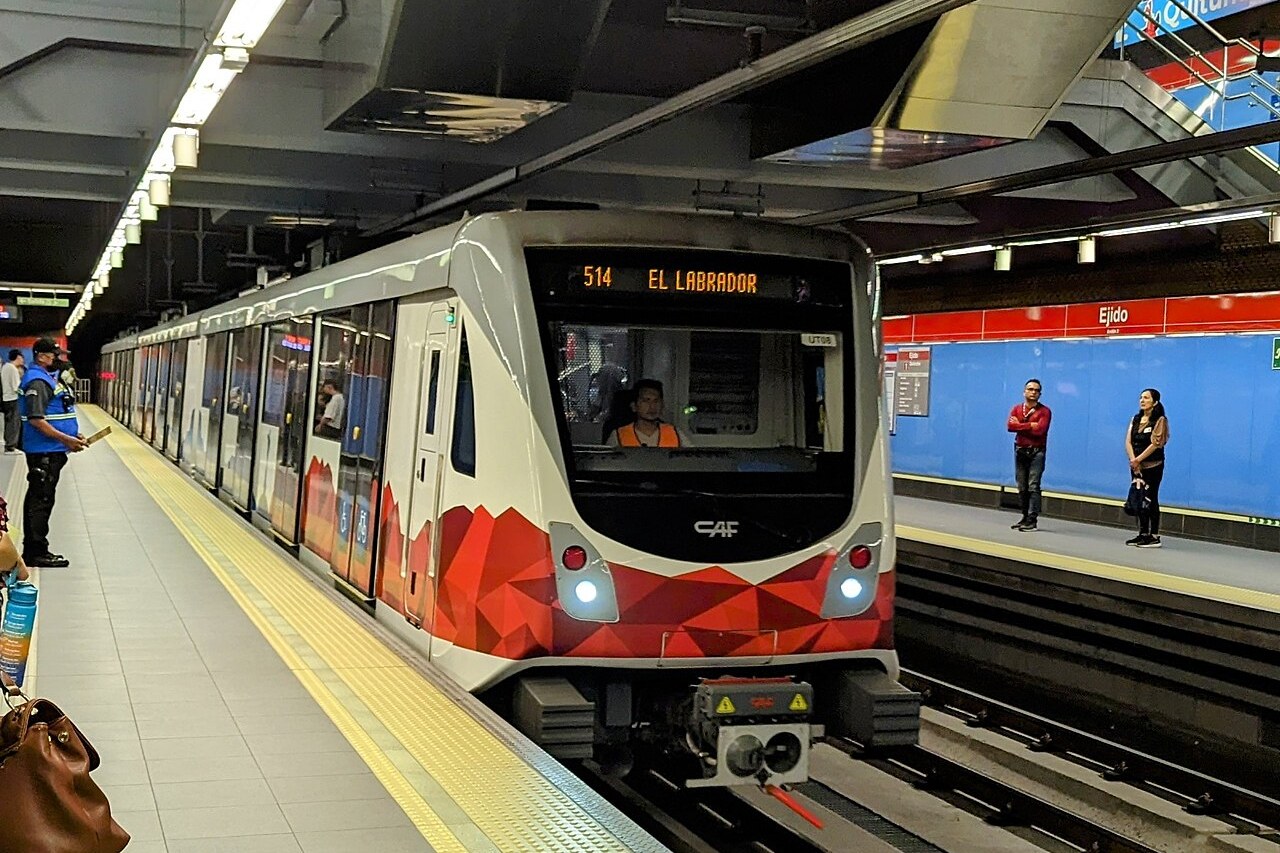
Metro Line 1 has 15 stations, running from Quitumbe in the south to El Labrador in the north. The metro company says the ride takes about 34 minutes along the 22-kilometre (14-mile) line.
The line opened to passengers on Friday 1 December 2023. Stations include San Francisco, La Alameda, El Ejido, La Carolina and Iñaquito, so it links the old town with the modern business district.
On weekdays the service runs from 05:30 to 23:00, according to the metro company. Weekend and holiday hours are listed on its schedule page, and travellers should check them before a trip.
The metro reported 173,281,818 trips from opening to 30 September 2026, and 5,604,799 trips in September alone. Its busiest day was Friday 4 September, and Quitumbe was the busiest station.
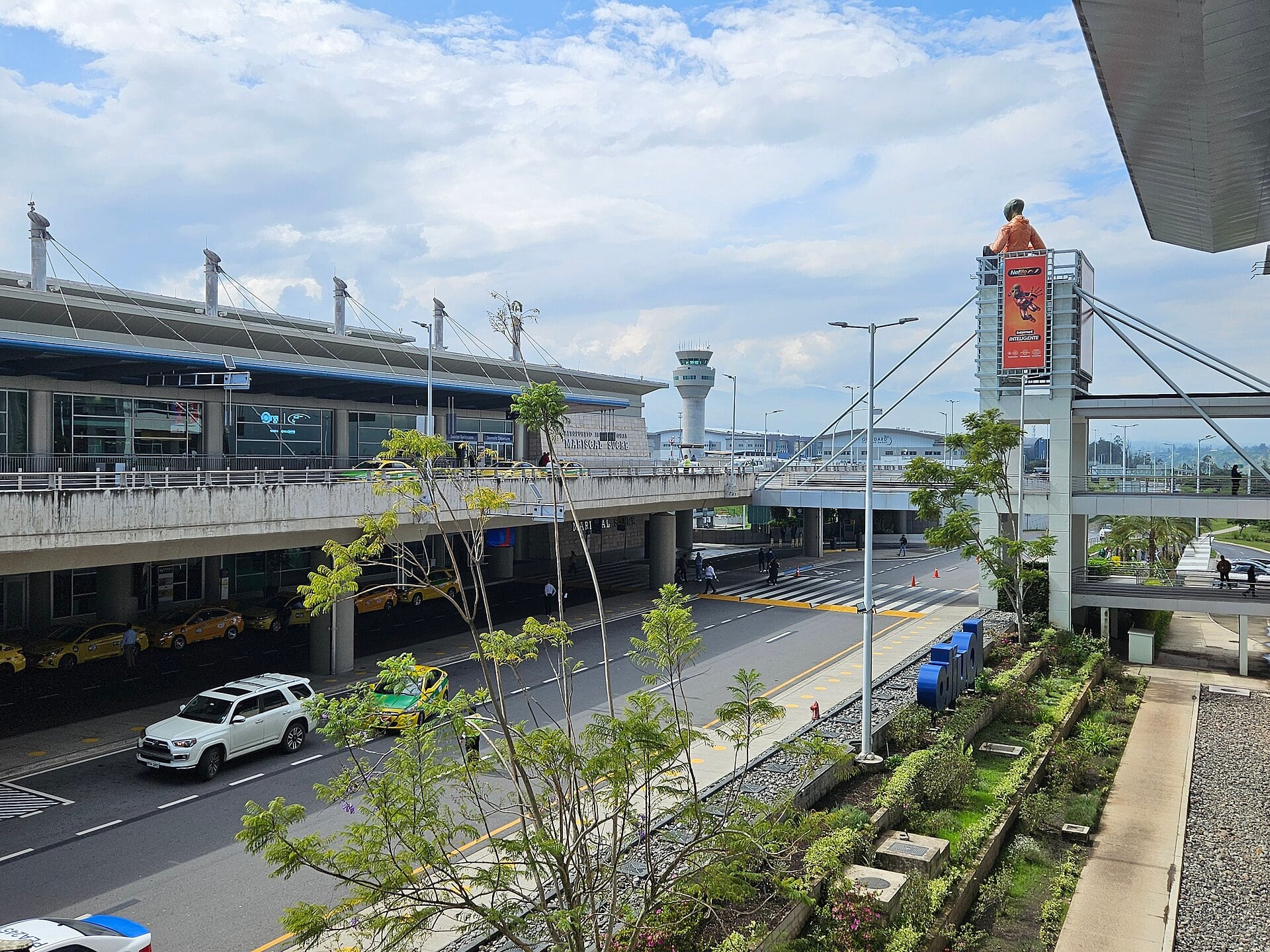
Flying In: Mariscal Sucre Airport
Quito’s international airport is called Mariscal Sucre. It is run by Quiport, a private operating company, and lies in Tababela, about 24 kilometres (15 miles) from the capital.
The airport is outside the city, so plan extra time for the road trip and for traffic. Quiport’s website lists the address as the Tababela parish, on the road to Yaruquí.
Weather, Altitude and What to Pack
Quito sits roughly 2,800 metres (9,200 feet) above sea level, so the air is thin and the sun is strong. A university research institute in Quito, FLACSO, puts the city at 2,830 metres in its profile.
FLACSO says days can reach about 25°C (77°F) while nights drop to about 10°C (50°F). It advises visitors to bring a coat even on sunny days.
The dry season runs from May to September, and the rainy season from October to December, FLACSO says. Newcomers often feel tired or short of breath in the first days, so plan a slow start.
Money, Prices and Daily Life
Ecuador uses the US dollar as its currency, so American visitors do not need to exchange money. This also means local prices are already in US$ and are easy to compare with home.
This guide does not list restaurant, rent or taxi prices, because no official price survey for Quito was confirmed. Our related guides to Ecuador’s economy and Ecuador’s population give the national picture.
Safety in Quito
Crime is the main concern for visitors in Ecuador, and the capital is not exempt. The US State Department publishes a travel advisory for Ecuador and the US Embassy in Quito issues local alerts, so read both before you book.
Our report on Quito homicides in August 2026 tracks the latest local trend. Use licensed taxis or ride apps at night, avoid displaying phones and jewellery, and ask your hotel which streets to skip.
What It Means for You
A US visitor can plan around three points: metro for the old town, taxi for the airport, and a warm coat for the evenings. Local notices will say whether voting day on Sunday 29 November changes any services.
New residents should read our Quito events guide for October and the Ecuador politics guide. For visa, tax and banking rules, use the Ecuadorian government’s own pages, because rules change often.
What Is Not Known
No confirmed official figure for Quito’s current homicide rate, metro fares or the final list of mayoral candidates is included here. A Quito-only GDP figure was also not available.
Visa and residency rules were not verified against the foreign ministry for this guide. The exact outcome of the 29 November vote is, of course, unknown until the CNE publishes results.
More: Ecuador news in English, every day from The Rio Times.
Frequently Asked Questions
How many people live in Quito?
INEC, Ecuador’s statistics institute, counted 2,679,722 residents in the 2022 census. The city had 319,221 people in 1950.
When is the Quito mayoral election?
Voters choose a mayor on Sunday 29 November 2026. The CNE, the national electoral council, brought the local elections forward from early 2027.
Does Quito have a metro?
Yes, Line 1 has 15 stations from Quitumbe to El Labrador. It opened on 1 December 2023 and runs about 34 minutes end to end.
How far is the airport from Quito?
Mariscal Sucre Airport is in Tababela, about 24 kilometres (15 miles) from the capital. Its operator, Quiport, gives that distance on its website.
What currency does Ecuador use?
Ecuador uses the US dollar, so American visitors can pay in dollars. Local prices need no currency conversion.
Sources: INEC, Quito population and census figures (2022 census), retrieved 2 November 2026; INEC, historical figures on Quito’s 491 years, retrieved 2 November 2026; Metro de Quito, schedules and stations, retrieved 2 November 2026; Metro de Quito, ridership figures to 30 September 2026, retrieved 2 November 2026; Quiport, Mariscal Sucre International Airport, retrieved 2 November 2026; UNESCO World Heritage Centre, City of Quito, retrieved 2 November 2026; Municipality of Quito, administrative zones, retrieved 2 November 2026; Presidency of Ecuador, retrieved 2 November 2026; National Electoral Council, 2027 local elections page, retrieved 2 November 2026.
This article was produced by The Rio Times’ automated newsroom system. How we use AI · Report an error · Editorial responsibility: Matthias Camenzind, Editor-in-Chief
The Quito Guide
What The Rio Times publishes for foreigners in Quito, Ecuador.
Coming up in Quito
- Carlos Rivera and Reik in Ecuador: Joint Tour Plays Quito on 5 November and Guayaquil on 7 November 5 Nov
- Shakira in Quito, Ecuador: Three Stadium Nights at Estadio Olímpico Atahualpa on November 8, 9 and 11 8 Nov
- Soy Luna Ecuador: Guayaquil on 12 November, Quito on 14 November 14 Nov
- Cypress Hill in Quito, Ecuador: Hip-Hop Legends at the Coliseo Rumiñahui on November 15, 2026 15 Nov
Living in Quito
- MúsicaOcupa Quito: Classical Music in Ecuador's Markets, Hospitals and Metro This September
- Expats See Quito Living Costs at $1,500 to $3,000 a Month as Rental and Insurance Bills Bite
Understand Ecuador