ECUADOR · CULTURE
Key Facts
- —The country Ecuador is a country of about 18.3 million people in 2025, and its culture reaches the world through pasillo music, novels, prize-winning film and sport. Spanish is the official language, while Kichwa and Shuar are official for intercultural ties.
- —Heritage UNESCO lists five Ecuadorian World Heritage sites, including Quito (1978) and Cuenca (1999), and four living traditions, from the Zápara oral heritage (2008) to the pasillo (2021).
- —Music The pasillo is a sung poem about love, heartbreak and homeland. Julio Jaramillo, born in Guayaquil in 1935, remains one of its best-known voices.
- —Books Mónica Ojeda’s novel Jawbone was a finalist for the 2022 National Book Award for Translated Literature. The Eugenio Espejo prize, the government’s top award for outstanding citizens, went to three winners on 4 August 2026.
- —Film Ana Cristina Barragán won the Orizzonti prize for best screenplay at the Venice film festival in September 2025 for Hiedra, known in English as The Ivy.
- —Sport Richard Carapaz won two Tour de France stages and the mountains jersey in July 2026. Ecuador reached the World Cup knockout round that summer for the second time.
- —Power Index Ecuador ranks 8th of 14 in The Rio Times Latin America Power Index, with 38.2 points (October 2026 edition).

Ecuador culture runs from a sung poem of love and heartbreak that UNESCO added to its heritage list in 2021 to a cyclist who won the mountains jersey at the Tour de France in July 2026. This guide names the musicians, writers, filmmakers, artists, athletes, festivals and officials who shape how a country of about 18.3 million people sees itself in October 2026.
Ecuador Culture in Numbers
The World Bank puts Ecuador’s population at 18,289,896 people in 2025, up from 17,823,897 in 2022. Spanish is the official language, and the constitution names Kichwa and Shuar as official languages for intercultural ties.
The same text says other ancestral languages are in official use by Indigenous peoples where they live. Its heritage article speaks of the plurinational, pluricultural and multiethnic identity of Ecuador as something the state must protect.
Another article allows Indigenous or Afro-Ecuadorian territorial districts, and it also names the coastal montubio communities. These peoples shape the music, dress and festivals described below.
World Heritage and the Festival Calendar
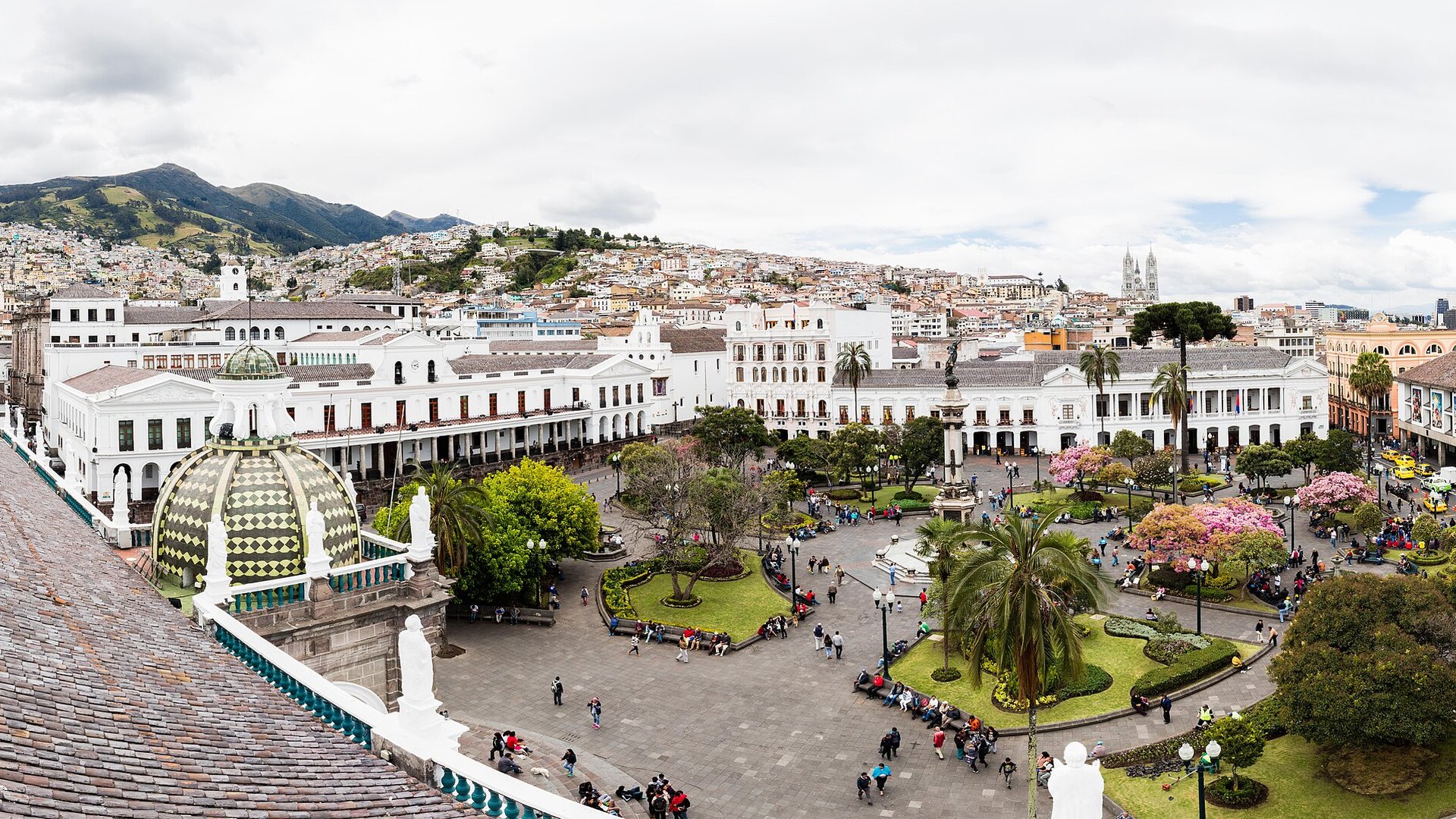
UNESCO has inscribed five Ecuadorian properties on the World Heritage List: the City of Quito and the Galápagos Islands in 1978, Sangay National Park in 1983, the historic centre of Cuenca in 1999 and the Qhapaq Ñan Andean road system in 2014, which Ecuador shares with five other countries. Quito’s old town also hosts the Teatro Sucre, where the city held its solemn session for the 491st anniversary of its founding on 6 December 2025.
UNESCO also lists four living traditions of Ecuador: the oral heritage of the Zápara people of the Amazon (2008), the weaving of the toquilla straw hat (2012), marimba music shared with Colombia (2015) and the pasillo (2021). The Zápara entry was first proclaimed in 2001 and is shared with Peru.
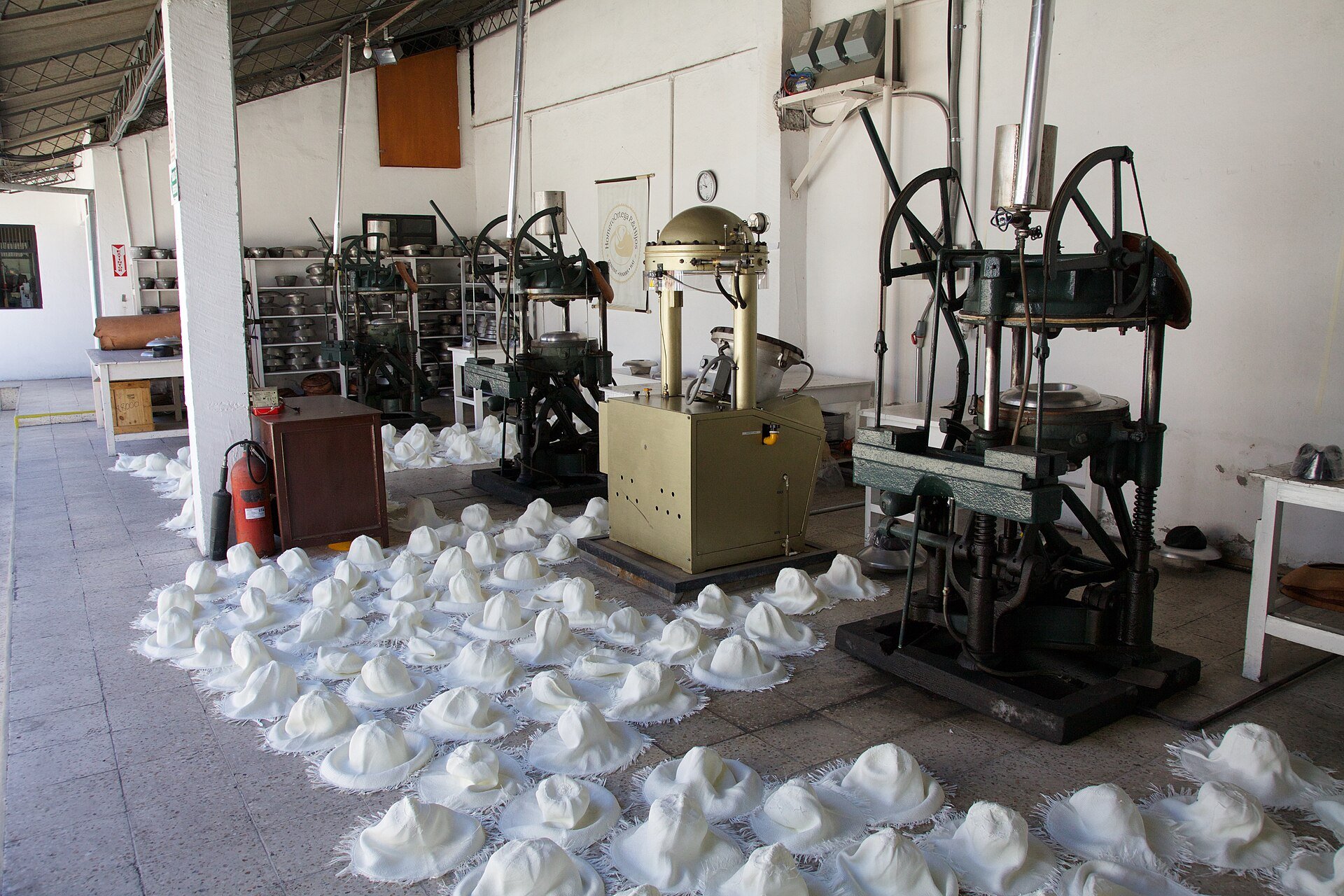
The toquilla straw hat is woven from the fibre of a palm tree characteristic of the Ecuadorian coast. Coastal farmers harvest the stems, boil the fibre to remove chlorophyll and bleach it with sulphur over a wood fire, UNESCO notes.
Inti Raymi, the Andean festival of the sun, fills the highlands with dance and ceremony each June. Ingapirca, the archaeological complex in Cañar province, scheduled three days of events from 19 to 21 June 2026, including a night of Andean music, El Mercurio of Cuenca reported.
In Latacunga, in Cotopaxi province, the Mama Negra procession honours the Virgen de la Merced on 24 September with village bands, dance groups and costumed riders. Organisers told El Comercio that 43 village bands, dance groups and ashangueros joined the 2019 parade, while the 2020 edition shrank to about 30 people because of the pandemic.
Cuenca’s Pase del Niño Viajero, a Christmas parade that was declared intangible cultural heritage of Ecuador in 2008, will pass through the city on 24 December 2026. The image it follows reached the Carmelite monastery on 24 December 1986, so 2026 marks 40 years, El Mercurio reported on 26 October 2026.
Pasillo, Andean Sound and Pop
UNESCO describes the pasillo as a music and dance that emerged in Ecuador in the nineteenth century, during the South American independence wars. It calls the pasillo “essentially a musicalized poem” with lyrics about love, heartbreak, life, death, family and homeland, usually played on guitars and the requinto, a high-pitched guitar.
Ecuador marks the Día del Pasillo on 1 October under a 1993 decree signed by President Sixto Durán Ballén, the news site Primicias reported, citing the Ministry of Culture. The same date is the birthday of Julio Jaramillo, the Guayaquil singer known as the Nightingale of America, who was born on 1 October 1935.
Jaramillo made his first recording in 1952 and broke through with the waltz Fatalidad in 1955, the magazine Vistazo recalled. He died on 9 February 1978 in Guayaquil, and about 250,000 people attended his burial, according to the same outlet.
Music, Names to Know
- —Julio Jaramillo Guayaquil singer, born 1 October 1935, died 9 February 1978, known as the Nightingale of America.
- —Paulina Tamayo Quito-born folk singer known as La Grande del Ecuador, born in 1965, died in 2025.
- —Juan Fernando Velasco Singer-songwriter, former culture minister and presidential candidate, behind the 2025 album Julio Eterno.
- —Benítez and Valencia Duo honoured in tribute concerts at the 2025 Festival del Pasillo in Quito, on 18 and 24 October.
In May 2025 the singer-songwriter Juan Fernando Velasco presented Julio Eterno in Guayaquil, an album in which artificial intelligence pairs Jaramillo’s original voice with his own on five songs, Primicias reported. Velasco, who won an Emmy and has two Latin Grammy nominations according to the same outlet, is also a former minister of culture and a former presidential candidate.
Paulina Tamayo, known as La Grande del Ecuador, was born in Quito on 14 April 1965 and began her career at the age of five. Her death at 60 was announced on 21 October 2025, and Cuenca’s Todos Santos heritage complex opened a tribute exhibition on 21 October 2026, El Mercurio reported.
The exhibition uses an augmented-reality room to introduce genres such as the albazo, sanjuanito, pasillo and pasacalle, according to the complex’s director, Patricia Gualpa. In Quito the foundation of the Teatro Nacional Sucre ran a Festival del Pasillo from 7 to 31 October 2025, with concerts and tributes to Benítez and Valencia.
Writers and Book Fairs
Jorge Icaza was born in Quito on 10 July 1906 and published the novel Huasipungo in 1934, which Britannica says shows Indigenous people deprived of their huasipungo, a plot of land. He died in Quito on 26 May 1978, according to the same encyclopedia.
Jorge Enrique Adoum, the poet from Ambato who died in 2009, discussed poetry in 1970s Paris with writers such as Alejo Carpentier and Juan Rulfo, El Comercio recalled. His wife Nicole arrived in Quito on 5 March 1987 and took up editorial work at the publishing house Ediciones Archipiélago.
Gabriela Alemán, a writer and journalist, won the chronicle prize of CIESPAL, a Quito centre for communication studies, in March 2014 for a text on Nazism and exile in Paraguay. A jury that included the Colombian chronicler Alberto Salcedo Ramos called the piece well supported by history, El Comercio reported.
Mónica Ojeda, from Guayaquil, published the novel Mandíbula in 2018, and its English edition Jawbone, translated by Sarah Booker, was a 2022 finalist for the National Book Award for Translated Literature. El Comercio wrote that an Ecuadorian author appeared on that list of 25 finalists for the first time.
Books, Names to Know
- —Jorge Icaza Quito novelist, 1906 to 1978, author of Huasipungo (1934).
- —Jorge Enrique Adoum Poet from Ambato, died in 2009.
- —Gabriela Alemán Writer and journalist, winner of the CIESPAL chronicle prize in 2014.
- —Mónica Ojeda Guayaquil novelist, author of Mandíbula (2018), a 2022 National Book Award finalist in translation.
Ojeda received the Prince Claus Next Generation Award in 2019, Primicias reported. In September 2025 the same outlet said that the Mexican producers Gael García Bernal and Diego Luna would adapt Mandíbula as an English-language series called Jawbone, directed by Michelle Garza for Universal International Studios.
Ecuador was guest of honour at the 30th Lima International Book Fair, which ran from 22 July to 6 August 2026 in Peru, with its own pavilion and a delegation of 40 authors. The delegation included the former president Rosalía Arteaga and the writers Leonardo Valencia, María Fernanda Heredia and Solange Rodríguez, El Comercio reported.
The Premio Nacional Eugenio Espejo, which Vistazo calls the most important award the government gives to outstanding citizens, went on 4 August 2026 to the sculptor and visual artist Paúl Palacio Collmann, the researcher Carla Tamara Estupiñán Viteri and the writer Carlos Alfonso Carrión Figueroa. President Daniel Noboa handed over the awards at the Carondelet Palace, and each winner received a medal, a diploma, US$10,000 and a lifetime pension of five basic salaries, Vistazo reported.
Estupiñán spoke for the winners and said that without culture “there is nothing”, because culture is the only thing that crosses the llacta, a Kichwa word for community or homeland, called Ecuador. The prize was created in 1975 and this was its 32nd edition, Vistazo said.
Film and the Screen
Ecuador marks the Día del Cine Ecuatoriano on 7 August, the anniversary of the 1924 premiere of El tesoro de Atahualpa, directed by and starring Augusto San Miguel and considered the country’s first fiction production. In August 2026 the city of Cuenca scheduled seven free screening days from 12 to 21 August in heritage houses, museums and a church, El Mercurio reported.
The Cuenca programme included Chuzalongo by Diego Ortuño, Chimborazo by Kaila Cepeda and Sumergible by Alfredo León. It also listed Un cuarto de equipaje by Daniela Cuenca and Sansón by Pável Quevedo.
Ana Cristina Barragán, born in Quito, won the Orizzonti prize for best screenplay in September 2025 at the Venice Film Festival for Hiedra, according to the festival’s list of official awards. The Manabí daily El Diario wrote that it was Ecuador’s first entry at Venice since Sebastián Cordero’s Ratas, ratones, rateros in 1999.
Film, Titles to Know
- —El tesoro de Atahualpa (1924) Directed by Augusto San Miguel and considered Ecuador’s first fiction production.
- —Ratas, ratones, rateros (1999) Sebastián Cordero’s film, Ecuador’s last Venice entry before Hiedra, El Diario wrote.
- —Alba (2016) and La piel pulpo (2022) The first two features by Ana Cristina Barragán.
- —Hiedra (The Ivy) Winner of the Orizzonti best screenplay prize at Venice in 2025.
The nonprofit Cinema Tropical reported on 3 September 2026 that the Ecuadorian Academy of Cinema chose The Ivy as Ecuador’s submission for best international feature at the 99th Academy Awards. Preliminary voting runs from 7 to 11 December 2026 and the ceremony is set for 14 March 2027, the same outlet said.
Alba, Barragán’s debut from 2016, was also Ecuador’s Oscar entry, Cinema Tropical noted. Her second film, La piel pulpo, later won six Colibrí awards of the Ecuadorian Film Academy.
Visual Arts and the Legacy of Two Painters
Oswaldo Guayasamín was born in Quito on 6 July 1919, the first of 10 children of an Indigenous father and a mestizo mother, El Comercio wrote in a profile. He died suddenly on 10 March 1999, the same paper noted on the 19th anniversary in 2018.
His work falls into three great series: Huaycañan, the “road of weeping” in Kichwa, with more than 100 paintings of Indigenous, Black and mestizo peoples, then La edad de la ira on war and violence, and a series for his mother and motherhood. The Fundación Guayasamín, created in 1976, administers his legacy, and the Capilla del Hombre stands in Quito’s Bellavista district.
El Comercio reported that the centenary on 6 July 2019 drew hundreds of visitors to the Capilla del Hombre, with free entry and a performance by the Ballet Jacchigua. Ecuador’s postal service planned to launch commemorative stamps for the centenary that evening, the paper added.
Visual Arts, Names to Know
- —Oswaldo Guayasamín Painter born in Quito in 1919 and died in 1999, whose legacy the Fundación Guayasamín administers.
- —Eduardo Kingman Painter from Loja, died in 1997, whose house in the Los Chillos valley is now a museum.
- —Paúl Palacio Collmann Visual artist and sculptor, aged 84, winner of the 2026 Eugenio Espejo prize for culture and art.
Eduardo Kingman, a painter from Loja who died in 1997, lived his last 30 years in a former bakery in San Rafael, in the Los Chillos valley near Quito, which has become a museum. El Comercio noted that its dining room still holds La Feria de Sangolquí, a painting that has never left the house.
The Galería Kingman in Quito opened an exhibition of about 90 of his drawings on 25 November 2017 to mark 20 years since his death. Soledad Kingman, who runs the gallery, said at the time that the permanent display alone no longer drew attention to the artist.
Sport Icons From the Andes to Chelsea
Richard Carapaz, from Carchi province in northern Ecuador, won the 2019 Giro d’Italia and the Olympic road race at the Tokyo Games, which Olympedia counts among Ecuador’s three medals there. In July 2026 he won stages 18 and 20 of the Tour de France, the second on Alpe d’Huez, and took the mountains jersey, according to his team EF Pro Cycling.
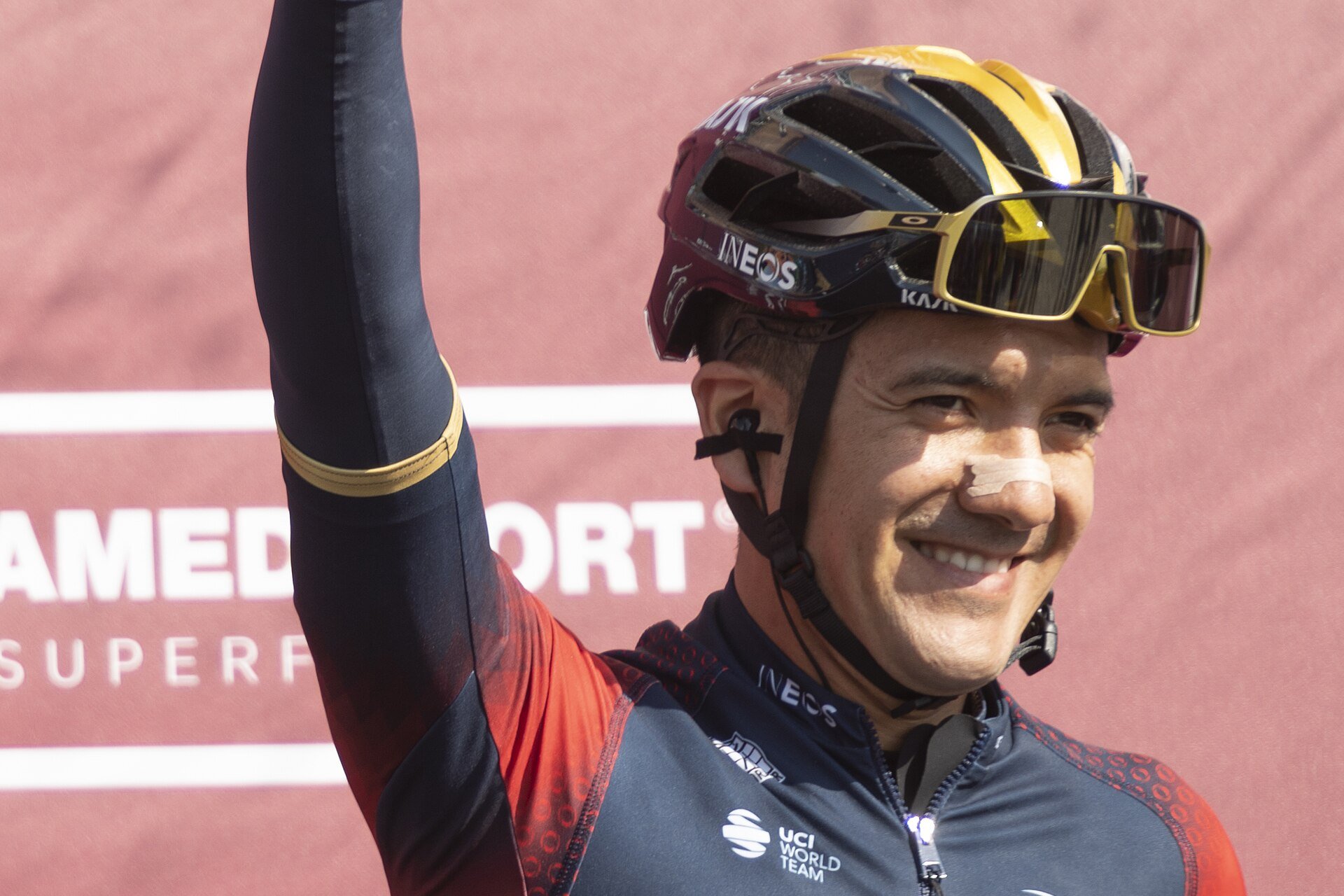
Carapaz finished eighth overall in the Tour and fourth in the Vuelta a España, which ended on 13 September 2026, Vistazo and El Comercio reported. The UCI, cycling’s world governing body, ranked him 11th in the world on 6 October 2026, El Comercio added.
Moisés Caicedo, who joined Chelsea from Brighton in 2023, captained Ecuador at the 2026 World Cup after Enner Valencia handed him the armband before the match against Mexico, Vistazo reported. Chelsea extended his contract to 2033, and in August 2026 he told reporters in Hong Kong that he wants to be “a legend of Chelsea”.
Ecuador lost 1-0 to Ivory Coast, drew 0-0 with Curaçao and beat Germany 2-1 in Group E, with goals by Nilson Angulo and Gonzalo Plata, Vistazo reported. Four points were enough to reach the round of 32 as one of the eight best third-placed teams, where Mexico won 2-0.
President Daniel Noboa declared a national holiday for Friday 26 June 2026 after the win over Germany, in a decree that suspended work in the public and private sectors. The Argentine coach Marcelo Gallardo leads the team and has friendlies planned against Costa Rica on 13 November in Quito and Bolivia on 17 November in Guayaquil, Vistazo reported on 16 October 2026.
Jefferson Pérez, born in Cuenca on 1 July 1974, won the 20 km walk at the 1996 Olympics and silver in 2008, and he took world titles in 2003, 2005 and 2007, Olympedia records. Weightlifter Neisi Dajomes, born in Puyo in 1998, won Olympic gold at Tokyo 2020 and bronze at Paris 2024, where she carried Ecuador’s flag at both the opening and closing ceremonies.
Press, Money and Who Governs Culture
The press freedom group Reporters Without Borders (RSF) ranked Ecuador 125th of 180 countries in its 2026 index, down from 94th in 2025. RSF says journalists work in a climate of increasing danger, self-censorship and hostility marked by criminal gangs and drug cartels.
RSF lists El Comercio, El Universo, La Hora, Primicias and Últimas Noticias as the leading newspapers, and says local outlets closed and correspondents declined between 2024 and 2026. It also recalls that Fernando Villavicencio, a candidate and former journalist, was murdered during the 2023 campaign.
Culture sits inside the Ministry of Education, Sport and Culture, led by Minister Gilda Alcívar in the cabinet that President Noboa presented after cutting the number of ministries from 14 to 10 in June 2026, El Comercio reported. Pamela Cortés, a singer and actress from Guayaquil, became vice-minister of culture and heritage on 16 July 2026.
Cortés replaced Romina Muñoz, who left on 9 July 2026 after the government asked for her resignation amid a dispute over the winning design for the new National Museum, known as MuNa, the newspaper Extra reported. Muñoz said that Alcívar asked her to leave and that no administrative reasons were given.
Cortés named three priorities: protecting heritage, backing artists and independent cultural managers, and strengthening the creative industry. She said that “culture unites us, identifies us and allows us to build a future”.
What It Means for US Readers
Visitors can see much of the heritage described here in Quito, Cuenca and the highlands, including Inti Raymi events each June, Quito’s founding day on 6 December and the Pase del Niño Viajero in Cuenca on 24 December 2026. Check the US State Department’s current travel advisory for Ecuador before booking, and read our guide to safety in Ecuador for the security picture.
Ecuadorian culture reaches US audiences through film and books, since The Ivy is in the Oscar process and Jawbone is published in English by Coffee House Press. Prices in Ecuador are quoted in US dollars, so budgeting is simple for American travellers and for readers who follow its artists on tour.
Readers who follow Ecuador’s wider story can pair this guide with our pillars on who holds power in Ecuador, who runs Ecuador’s economy and Ecuador’s geopolitics. They can also see where the country stands in The Rio Times Latin America Power Index.
Those weighing a move to Cuenca can read our cost of living guide for Cuenca, and the country overview sits in the Rio Times Ecuador hub. Both help to put the festivals, museums and artists above in daily context.
What Is Not Known
No streaming platform or release date for the Jawbone series had been announced when Primicias reported on the project in September 2025. Whether The Ivy reaches the Oscar shortlist will not be known until after the preliminary voting of 7 to 11 December 2026.
It is not clear who will design the new National Museum, because the government proposed a new selection method after the first winning design drew public rejection, Extra reported in July 2026. The Extra report gave no cost or timetable for the project.
The selection of The Ivy as Ecuador’s Oscar entry is reported by Cinema Tropical alone in the material cited here. The Academy’s official list of submitted films is the document that will settle it.
Frequently Asked Questions
What is the most famous music of Ecuador?
The pasillo, a sung poem about love, heartbreak and homeland, is Ecuador’s best-known genre. UNESCO added it to its Representative List of the Intangible Cultural Heritage of Humanity in 2021.
Who was Julio Jaramillo?
Julio Jaramillo, known as the Nightingale of America, was a Guayaquil singer born on 1 October 1935 who died on 9 February 1978. He is one of the best-known voices of the pasillo, and Ecuador marks the Día del Pasillo on his birthday.
How many UNESCO World Heritage sites does Ecuador have?
Ecuador has five: the City of Quito, the Galápagos Islands, Sangay National Park, the historic centre of Cuenca and the Qhapaq Ñan road system. UNESCO also lists four Ecuadorian living traditions, including the pasillo and the toquilla straw hat.
Who is Richard Carapaz?
Richard Carapaz is a cyclist from Carchi who won the 2019 Giro d’Italia and the Olympic road race at the Tokyo Games. In July 2026 he won two Tour de France stages and the mountains jersey.
How did Ecuador do at the 2026 World Cup?
Ecuador beat Germany 2-1 and reached the knockout stage for the second time in its history. Mexico then won 2-0 in the round of 32, ending the run.
Which Ecuadorian film is in the Oscar race?
Hiedra (The Ivy) by Ana Cristina Barragán, which won best screenplay in Venice’s Orizzonti section in 2025, was chosen as Ecuador’s entry for the 99th Academy Awards. Cinema Tropical reported the choice on 3 September 2026.
Who is Mónica Ojeda?
Mónica Ojeda is a novelist from Guayaquil whose book Mandíbula (2018) reached English as Jawbone and was a 2022 National Book Award finalist. A series adaptation was announced in September 2025.
Sources: UNESCO, Pasillo, song and poetry, 2021; UNESCO, toquilla straw hat, 2012; UNESCO, Zápara oral heritage, 2008; UNESCO, marimba music, 2015; UNESCO World Heritage Centre, Ecuador, accessed October 2026; Constitution of Ecuador (2008, amended to 2021), Constitute Project, accessed October 2026; World Bank, population of Ecuador, updated 8 October 2026; La Biennale di Venezia, official awards of the 82nd Venice Film Festival, September 2025; Olympedia, Ecuador, accessed October 2026; Olympedia, Jefferson Pérez, accessed October 2026; Olympedia, Neisi Dajomes, accessed October 2026; Olympedia, Richard Carapaz, accessed October 2026; EF Pro Cycling, Carapaz wins stage 20, 25 July 2026; National Book Foundation, Jawbone, 2022; Reporters Without Borders, Ecuador, 2026; El Comercio, Pamela Cortés vice-minister, 16 July 2026; Extra, Pamela Cortés and the MuNa dispute, 16 July 2026; El Comercio, new cabinet, June 2026; El Comercio, Minister Gilda Alcívar, 19 October 2026; Vistazo, Premio Eugenio Espejo, 4 August 2026; Primicias, Espejo winners, 4 August 2026; El Mercurio, Espejo winners, 4 August 2026; El Comercio, Ecuador at the Lima book fair, July 2026; El Mercurio, Cuenca screenings, 12 August 2026; El Mercurio, Inti Raymi in Ingapirca, 17 June 2026; El Mercurio, Pase del Niño Viajero, 26 October 2026; El Mercurio, Paulina Tamayo exhibition, 21 October 2026; Vistazo, Paulina Tamayo, 21 October 2025; Primicias, Día del Pasillo, 1 October 2025; Vistazo, Julio Jaramillo, 1 October 2021; Primicias, Julio Eterno, 16 May 2025; Primicias, Juan Fernando Velasco, 25 May 2024; Primicias, Mandíbula series, 11 September 2025; El Comercio, Mónica Ojeda, 2022; El Comercio, Gabriela Alemán, 20 March 2014; El Comercio, Nicole Adoum, undated; Encyclopaedia Britannica, Jorge Icaza, accessed October 2026; Cinema Tropical, The Ivy, 3 September 2026; El Diario, Hiedra at Venice, 4 September 2025; El Comercio, Oswaldo Guayasamín, 2022; El Comercio, Guayasamín legacy, 10 March 2018; El Comercio, Guayasamín centenary, 6 July 2019; El Comercio, Kingman house museum, undated; El Comercio, Kingman house, undated; El Comercio, Kingman exhibition, 25 November 2017; El Comercio, Mama Negra, 24 September 2019; El Comercio, Mama Negra, 24 September 2020; Primicias, Quito founding session, 6 December 2025; El Comercio, Carapaz UCI ranking, October 2026; El Comercio, Carapaz Tour and Vuelta, August 2026; Vistazo, Carapaz Vuelta, 13 September 2026; Vistazo, Ecuador World Cup balance, July 2026; Vistazo, Ecuador FIFA ranking, 21 July 2026; Vistazo, Moisés Caicedo, 10 July 2026; Vistazo, Caicedo and Chelsea, 4 August 2026; Vistazo, national holiday decree, 25 June 2026; Vistazo, Ecuador friendlies, 16 October 2026.
This article was produced by The Rio Times’ automated newsroom system. How we use AI · Report an error · Editorial responsibility: Matthias Camenzind, Editor-in-Chief
Expat Guide to Ecuador
What The Rio Times publishes for foreigners who live in or move to Ecuador.
Start here
- Best Places to Live in Ecuador for Expats 2026
- How to Get Residency in Ecuador in 2026: Visas From US$1,446 a Month
- Cost of Living Cuenca, Ecuador — Rent, Bills and Doctors, Priced in Dollars
- Healthcare in Ecuador for Foreigners: Costs & Steps
City guides
Coming up in Ecuador
- Def Leppard in Quito, Ecuador: Rock Legends at the Estadio Olímpico Atahualpa on October 30, with Extreme 30 Oct
- Carlos Rivera and Reik in Ecuador: Joint Tour Plays Quito on 5 November and Guayaquil on 7 November 5 Nov
- Shakira in Quito, Ecuador: Three Stadium Nights at Estadio Olímpico Atahualpa on November 8, 9 and 11 8 Nov
- Soy Luna Ecuador: Guayaquil on 12 November, Quito on 14 November 12 Nov
Understand Ecuador