PERU · DIASPORA
Key Facts
- Power Index Peru ranks 5th of 14 in The Rio Times Latin America Power Index, with 54.7 points (October 2026 edition).
- The group About 830,000 people of Peruvian origin lived in the United States in 2024, per Census data.
- Where they live Florida 18%, California 15%, New Jersey 13%, New York 10% and Virginia 6% (2024).
- Money sent home Peru received about US$5.3 billion in remittances in 2025, its central bank reports.
- Peruvians abroad About 3.5 million Peruvians lived abroad in June 2024; 30.4% were in the United States.
- Peru’s rule Peruvians keep their nationality unless they expressly renounce it, says the constitution.
The Peru diaspora in the United States counts about 830,000 people, who work in Florida, California and New Jersey and send money home. This guide explains where they live, what they send home and which US rules shape their lives.

Peru Diaspora in Plain English
A diaspora is a group of people who left their home country and now live abroad while keeping ties to it. The Peru diaspora in the United States means people born in Peru, plus their American-born children, who live in America.
The numbers below come from official statistics, and each source is explained the first time it appears. Dates are given for every figure, because migration data ages quickly.
- Peruvian origin: a person who says they or their ancestors come from Peru, as counted by the US Census Bureau, the federal statistics agency.
- INEI: Peru’s national statistics institute, which counts Peruvians who live abroad.
- BCRP: Peru’s central bank, which publishes the figures on money sent home.
- Remittances: money that migrants send to relatives in their home country.
How Many Peruvians Live in the United States
About 833,000 people of Peruvian origin lived in the United States in 2024, according to the Census Bureau’s American Community Survey. The Census Bureau is the federal statistics agency, and the survey is its yearly count of households.
Of them, about 536,000 were born in Peru, and the rest are mostly their American-born children and grandchildren. Peruvians are a small share of the roughly 68 million Hispanic Americans, about 1.2% of the total.
Peru’s own statistics institute counts a different group: everyone who left Peru and has not come back. As of 30 June 2024, the institute, known as INEI, counted 3,505,511 Peruvians living abroad, about 10.3% of Peru’s population.
Of those, 30.4% lived in the United States, the largest destination, ahead of Spain at 16.1%, Argentina at 12.9% and Chile at 11.6%. That share works out to roughly 1.07 million people.
It is larger than the Census count of Peru-born residents because the two counts use different methods. Neither is an error, since each answers a different question.
Where Peruvian Americans Live
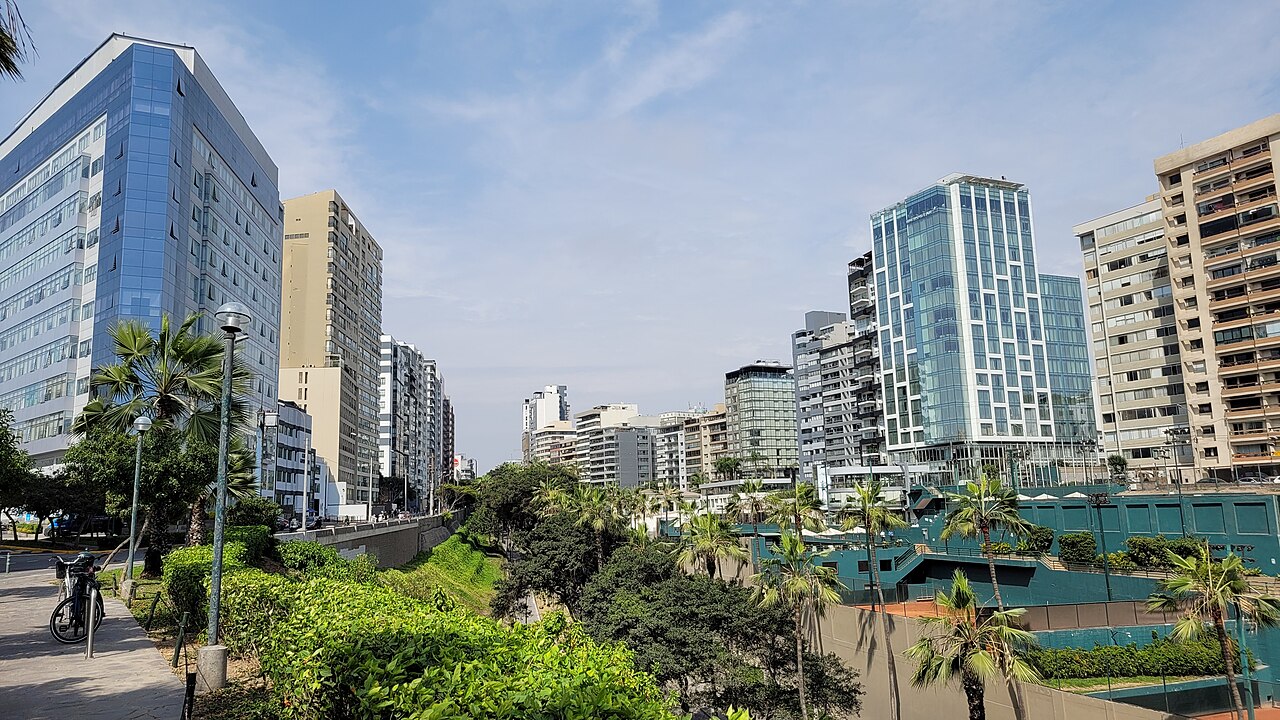
Four states hold most of the community. In 2024, about 18% lived in Florida, 15% in California, 13% in New Jersey and 10% in New York.
Virginia came next with 6%, which puts the Washington suburbs on the map. Texas and Maryland each held about 4%.
That pattern means the Peru diaspora is concentrated in states that matter in US elections and in the US economy. It also means a change in state-level policy, from driver’s licences to in-state tuition, reaches Peruvian families unevenly.
Who Leaves Peru and Where They Settle
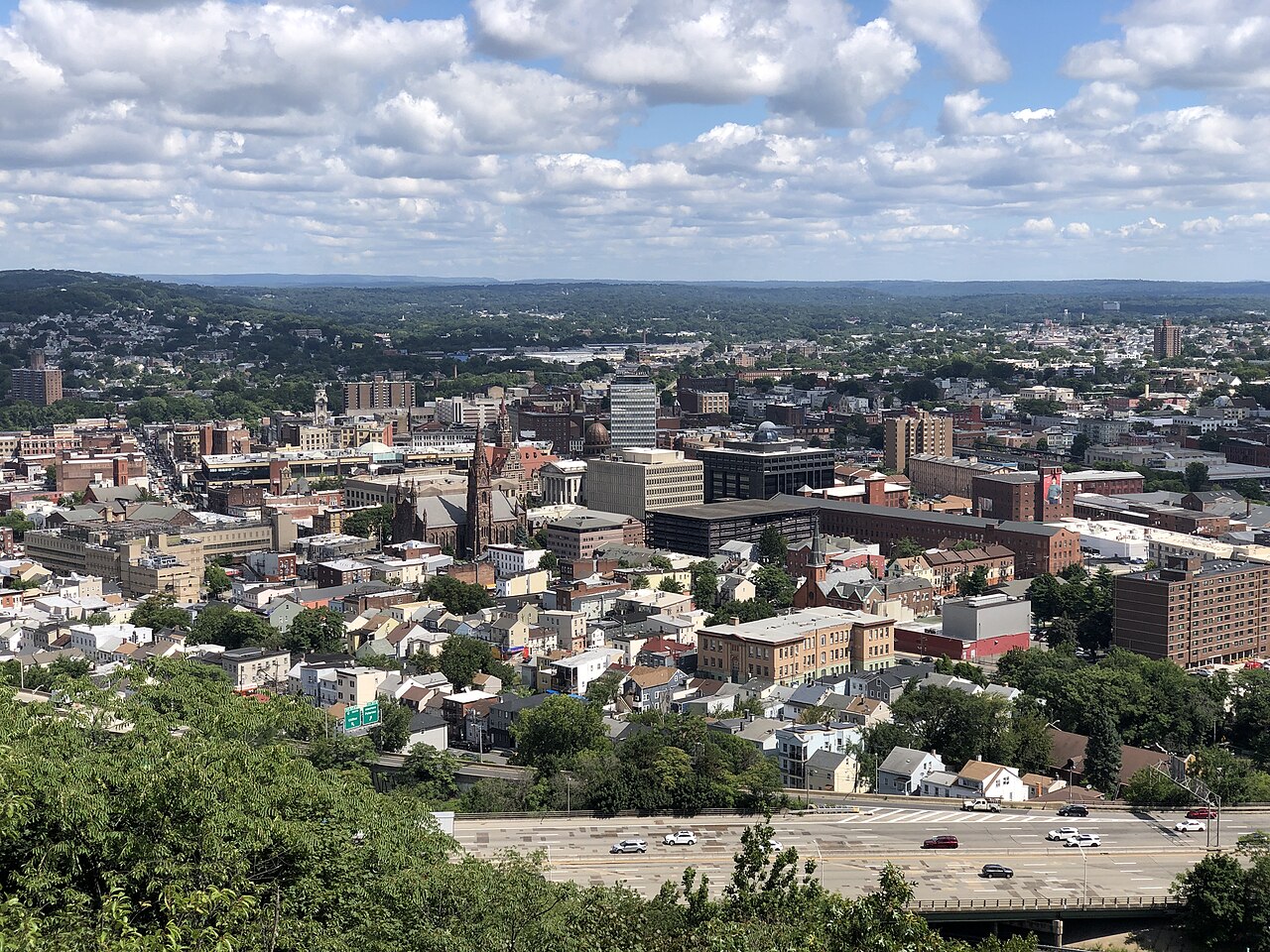
Peruvians who leave are mostly of working age. By June 2024, 68.9% of Peruvians living abroad had been between 15 and 49 years old when they emigrated, according to INEI.
Another 12.4% were under 15, 10.4% were aged 50 to 59 and 8.3% were 60 or older. Spain, Argentina, Chile and Italy together took more of the emigrants than the United States did.
INEI’s 2022 world survey of Peruvians abroad covers all destinations together. It found that 38.2% held permanent residence, 27.0% held the citizenship of their new country and 18.4% held a valid visa.
The same survey found that 16.4% had an expired visa or had stayed past their permitted time. Between 2010 and 2024, INEI counted 230,863 Peruvians who returned home and did not leave again.
Born in Peru or Born in America
The Census Bureau counted about 536,000 Peru-born residents in 2024, so roughly two in three people of Peruvian origin were born abroad. The remaining third grew up in American schools and neighbourhoods.
INEI’s 2022 survey describes how Peruvians abroad earn a living, across all destinations. About 71.8% worked as employees or labourers, 22.4% ran a business or worked for themselves and 5.2% worked as domestic workers.
Many families are mixed in status and generation. The same survey found that 61.6% of Peruvians abroad had children, and 42.4% of those children were born outside Peru.
For a US reader, the practical point is a community that includes new arrivals, long-settled citizens and American-born children. Family ties, job offers and earlier migrants in the same city tend to guide each new move.

Money Sent Home
Peru’s central bank, the BCRP, counted remittances from abroad of about US$5.3 billion (US$5,299 million) in 2025 in its balance-of-payments series. Remittances are money that migrants send to relatives at home.
In 2023 the United States was the main sender, with 48.1% of the total, according to INEI’s tally of central bank data. Spain followed at 12.4% and Chile at 9.2%.
About 53.9% travelled through money-transfer companies, 42.1% through banks and 4.0% through informal channels, the same tally shows. Money-transfer companies were therefore the most used route.
That is a flow of money from American paychecks to Peruvian households, used for food, rent, school fees and small businesses. It reaches families directly, month after month.
A new US rule changed how some of that money travels. A 1% US tax has applied since 1 January 2026 to transfers paid with cash, money orders, cashier’s checks or similar instruments.
The Internal Revenue Service, the US tax agency, says the sender pays the tax and the transfer company collects and passes it on each quarter. A US$500 cash transfer therefore carries US$5 in tax.
Citizenship and Dual Nationality
Many Peruvians abroad take the nationality of their new country. In INEI’s 2022 survey, 27.0% of Peruvians abroad held the citizenship of the country where they live.
Becoming American does not end being Peruvian. Article 53 of Peru’s constitution says Peruvian nationality is not lost except by express renunciation before a Peruvian authority.
That rule lets families keep property, passports and voting rights in Peru while building a life in the United States. It also explains why official counts of the diaspora differ so widely.
Voting and Politics Across Borders
Peruvians abroad vote at Peruvian consulates in national elections. The United States hosts the largest overseas community, INEI’s count shows.
Keiko Fujimori, who leads the conservative Fuerza Popular party, is president of Peru as of October 2026. The presidency’s official news page lists her public events through 27 October.
Luis Galarreta serves as prime minister, the head of her cabinet. A Rio Times guide to Peru and the United States covers the wider relationship.
Peruvians who become US citizens can vote in American elections as well. That gives the largest Peruvian communities a voice in two countries.
Trade and investment shape the home side of the story, as a Rio Times report on Peru’s pitch to US investors shows. The Lima expat guide and the Peru country page collect more coverage.
What It Means for US Readers
If you hire, rent to or live near Peruvian Americans, you meet a community concentrated in Florida, California, New Jersey, New York and Virginia. About two in three were born in Peru, so Spanish and Peruvian ties remain part of daily life.
If you send money to Peru, the 1% tax applies to cash transfers, according to the IRS notice. Remittances of about US$5.3 billion a year show how closely Peruvian household budgets are tied to the American labour market.
What Is Not Known
The number of Peruvians in the United States without legal status is not stated here. The Census figure of about 833,000 is a 2024 survey estimate, and a newer count may differ.
The reasons each person left Peru are not recorded in the statistics used here. The split of the diaspora’s votes between candidates in Peru and in the United States is also not published.
Frequently Asked Questions
How many Peruvians live in the United States?
About 833,000 people of Peruvian origin lived in the United States in 2024, according to the Census Bureau’s American Community Survey. About 536,000 of them were born in Peru.
Where do most Peruvian Americans live?
Florida had about 18% in 2024, California 15%, New Jersey 13%, New York 10% and Virginia 6%. These five states held about 61% of the community.
How much money do Peruvians abroad send home?
Peru’s central bank counted remittances of about US$5.3 billion in 2025 from all countries. In 2023, the United States was the main source with 48.1% of the total.
Can a Peruvian keep Peruvian nationality after becoming a US citizen?
Yes, under Article 53 of Peru’s constitution, Peruvian nationality is lost only by express renunciation before a Peruvian authority. Taking another nationality does not by itself end it.
Is there a tax on sending money to Peru from the United States?
A 1% US tax applies from 1 January 2026 to remittance transfers paid in cash, by money order, cashier’s check or similar instrument. The sender pays it.
Who is the president of Peru?
Keiko Fujimori, leader of the conservative Fuerza Popular party, is president of Peru as of October 2026. The presidency’s official news page lists her activities in late October.
Sources: US Census Bureau, American Community Survey 2024 1-year estimates, tables B03001 and B05006 (Census Reporter data API), 2025-09; INEI, Peruvians living abroad as of 30 June 2024 (press release), 2024-12-18; BCRP, balance of payments series, remittances from abroad, 2026-10-28; IRS, Notice 2025-55, remittance transfer tax (section 4475), 2025-10; Constitution of Peru (1993), Article 53, 2005-01-01; Presidency of Peru, official news page, 2026-10-27.
This article was produced by The Rio Times’ automated newsroom system. How we use AI · Report an error · Editorial responsibility: Matthias Camenzind, Editor-in-Chief
Expat Guide to Peru
What The Rio Times publishes for foreigners who live in or move to Peru.
Start here
- Lima Rent for Foreigners in 2026 Averages US$979 a Month
- Peru Education and Healthcare Explained
- Peru’s New Crime Command and What It Means for Visitors
- Peru Security and Crime Explained 2026
City guides
Coming up in Peru
- Blessd Lima 2026: Peru Show at Arena 1 on 29 October Awaits Venue Reopening 29 Oct
- Hombres G in Lima, Peru: Two Nights of Spanish Pop-Rock at the Estadio Nacional, October 29–30, 2026 29 Oct
- Reggaeton Lima Festival 7 With Anuel AA on 31 October 31 Oct
- Haunted Superclub in Lurín, Peru: Carl Cox and Adam Beyer on 30–31 October 31 Oct
Understand Peru
Brazil runoff date: Sunday, October 25, poll closing times and when results start · Brazil runoff polls: Flávio 51%, Lula 49% · Kalshi and Polymarket odds
Rotate for Best Experience
This report is optimized for landscape viewing. Rotate your phone for the full experience.
You've reached your free article limit
Subscribe to The Rio Times for unlimited access to our news, expat and nomad guides and market intelligence on Latin America and Africa.
Keep reading for free
Your first article was on us. Register with your email address to read 6 free articles every month. You will also receive The LatAm Brief: what moved in Latin American markets, politics and expat life, every weekday morning.
Expat Guide to Peru
What The Rio Times publishes for foreigners who live in or move to Peru.
Start here
- Lima Rent for Foreigners in 2026 Averages US$979 a Month
- Peru Education and Healthcare Explained
- Peru’s New Crime Command and What It Means for Visitors
- Peru Security and Crime Explained 2026
City guides
Coming up in Peru
- Blessd Lima 2026: Peru Show at Arena 1 on 29 October Awaits Venue Reopening 29 Oct
- Hombres G in Lima, Peru: Two Nights of Spanish Pop-Rock at the Estadio Nacional, October 29–30, 2026 29 Oct
- Reggaeton Lima Festival 7 With Anuel AA on 31 October 31 Oct
- Haunted Superclub in Lurín, Peru: Carl Cox and Adam Beyer on 30–31 October 31 Oct
Understand Peru