
ETHIOPIA · ELECTION · OBSERVERS
The Oromo Federalist Congress (OFC), an opposition party rooted in Ethiopia’s Oromia region, said on Thursday 11 June 2026 that African observers had judged the 1 June election without seeing most of it. It called the preliminary findings of the African Union (AU) and the East African regional bloc IGAD “deeply disappointing”.
The dispute matters for US readers because it goes to how far Ethiopia’s vote can be trusted while conflict continues in several regions. Washington and investors follow Ethiopia as a security partner in the Horn of Africa and as host of the AU, which is headquartered in Addis Ababa.
Key Facts
- The dispute The OFC, an opposition party, rejects the AU and IGAD view that the 1 June vote went well.
- The observers The African Union sent 73 short-term observers; the regional bloc IGAD sent 26.
- The OFC claim The party says observers visited just 208 of more than 52,000 polling stations.
- The result The ruling Prosperity Party, led by Prime Minister Abiy Ahmed, won 438 seats in parliament.
- Prediction markets Polymarket, a real-money betting platform, prices Abiy leaving office in 2026 at 4.5% (9 November, 2:30 a.m. ET).
What the Observers Said
The AU mission, led by Uhuru Kenyatta, the former president of Kenya, presented its preliminary findings in Addis Ababa on Wednesday 3 June 2026. It commended the peaceful conduct of voting in many areas and urged “inclusive and sustained political dialogue”.
IGAD, the Intergovernmental Authority on Development, a regional bloc of East African states, deployed 26 observers led by Speciosa Wandira-Kazibwe, a former vice president of Uganda. The OFC says both missions found the vote peaceful and transparent, a finding it disputes.
The AU said its preliminary statement made no specific recommendations for places where voting has not happened, including Tigray in the north. It said a final report will follow.
Why the Opposition Objects
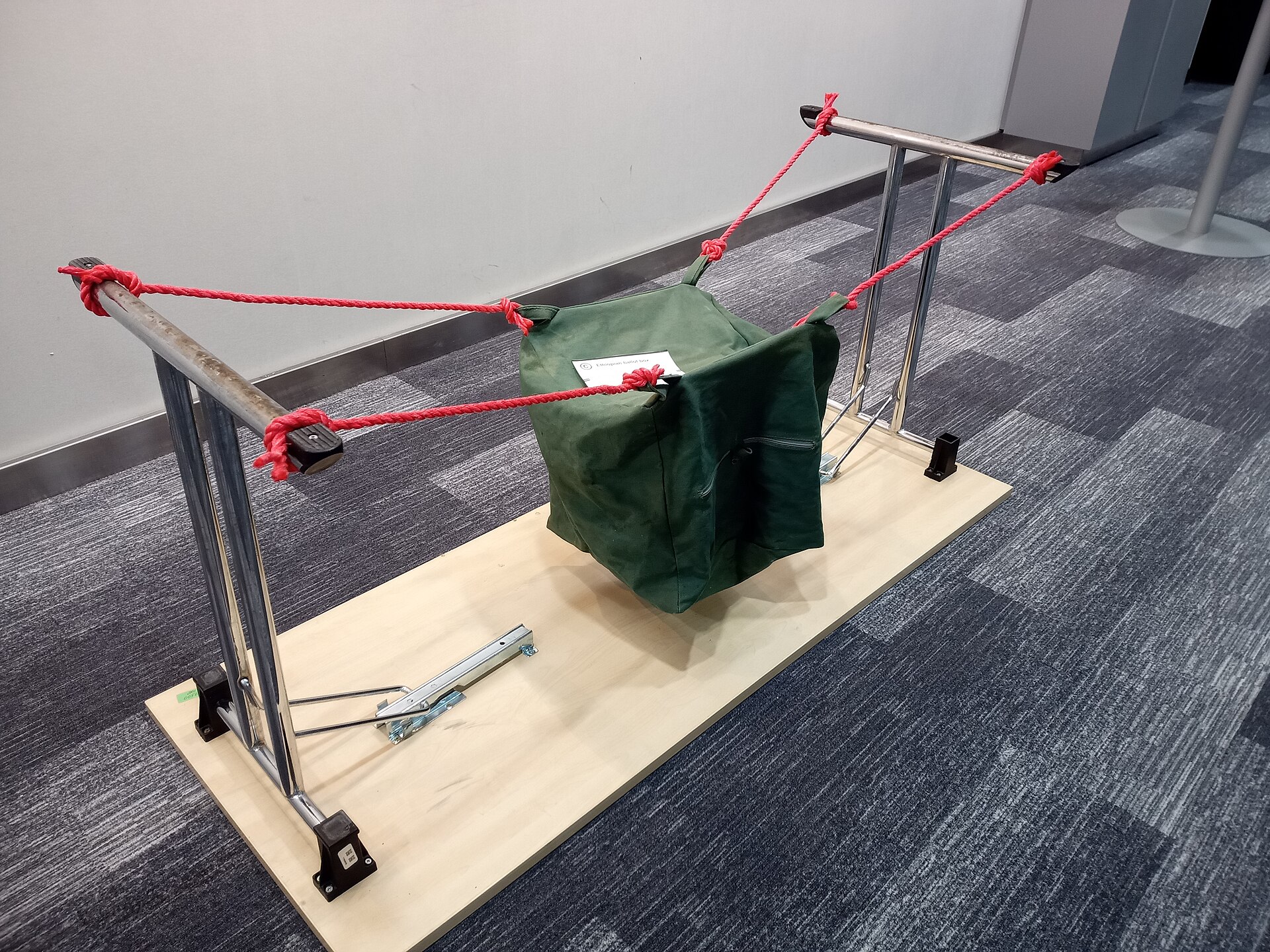
The OFC said fewer than 100 foreign observers covered more than 52,000 polling stations and visited 208 of them, or 0.4%, mostly in secured cities. It called the vote “virtually unobserved” and described the finding of a peaceful, transparent election as “election day tourism”.
The party also described a “systematic ban” on domestic observers. It said the election board’s limited capacity and technology failures left the count “unverified”.
The OFC called a statement by the European Union, which sent no observers, “diplomatic appeasement” and labelled the election a “sham”. These are the party’s allegations, and we have not independently confirmed them.
What Happened Next
Ethiopia’s National Election Board certified that the Prosperity Party, the governing party led by Prime Minister Abiy Ahmed, won 438 seats in the House of Peoples’ Representatives, the federal parliament. The board also announced fresh votes in several constituencies, which we cover in our earlier story on the re-votes.
Our report on the 438-seat result and our guide to who holds power in Ethiopia give the wider picture. More coverage sits on the Ethiopia hub.
What Prediction Markets Say
On Polymarket, a platform where users trade real-money bets, the market asking whether Abiy Ahmed will be out as prime minister of Ethiopia in 2026 priced “Yes” at 4.5% on 9 November at 2:30 a.m. ET. The market had US$13,122 traded and trades thinly, so the price is a rough signal, and it closes on 31 December 2026.
Why we show this: prediction markets turn real-money bets into a live probability that moves within minutes of the news, which is why investors, campaigns and newsrooms in the United States now follow them closely. We show them next to polls and official results, never instead of them.
What It Means for You
For investors and companies with exposure to Ethiopia, the observer reports are one input, not a clean bill of health. The AU final report and the re-votes will show whether the disputed points are addressed.
Travellers and aid groups should note that the vote did not take place in Tigray, and that security problems disrupted polling in parts of Oromia and Amhara. Political tension around the result could affect security conditions.
What Is Not Known
It is not known when the AU final report will appear or whether it will address the OFC’s complaints. We have found no dates for the re-votes or for voting in Tigray.
The OFC’s figures on observer coverage come from the party itself and we could not match them to any mission figure. We found no public reply from either mission to the party’s statement.
Frequently Asked Questions
What did the AU and IGAD say about Ethiopia’s election?
The AU’s preliminary statement, issued on 3 June 2026, commended peaceful voting in many areas and urged inclusive political dialogue. The OFC says IGAD and the AU both judged the vote peaceful and transparent.
Why does the Oromo Federalist Congress object?
The party says observers covered too few polling stations, mostly in secure cities, and that domestic observers were banned. It calls the election a “sham”; these are its allegations.
Who won Ethiopia’s June 2026 election?
The ruling Prosperity Party, led by Prime Minister Abiy Ahmed, won 438 seats in the federal parliament. The election board also announced fresh votes in several constituencies.
Sources: African Union Election Observation Mission preliminary statement and press conference, 3 June 2026; IGAD Election Observation Mission preliminary report; Oromo Federalist Congress statement, 11 June 2026; National Election Board of Ethiopia results; Polymarket market pages, read 9 November 2026.
This article was produced by The Rio Times’ automated AI newsroom. Editorial responsibility: Matthias Camenzind, Publisher and Editor-in-Chief. How we use AI · Report an error
Part of our ongoing coverage
Africa: The New Scramble — the great-power contest over the continent.
Horn of Africa and the Red Sea
- Horn of Africa 2026: Why It Matters and Who Backs Whom
- Ethiopia’s Neighbors Explained, Ports, Eritrea, Somalia
- Eritrea Explained 2026, a Red Sea Country Guide
- Somalia Explained: Al-Shabaab, Somaliland, the Ports and the Fight Over a 2026 Vote