
BRAZIL · INTEREST RATES
Key Facts
- Who Gleisi Hoffmann, a lower-house lawmaker from President Lula’s Workers’ Party, posted on X on Sunday, 8 November 2026.
- What She called Brazil’s interest rates “exorbitant” and “criminal” and accused a major newspaper of “fiscal terrorism”.
- The rate Brazil’s central bank held its benchmark rate, the Selic, at 13.75% on 4 November, ending five cuts.
- Next Copom, the central bank’s rate committee, meets again on 8 and 9 December 2026.
- Prediction markets Polymarket, a platform for betting on events, gives 88.5% to no December rate change (8 November, 6:04 p.m. ET).
- Power Index Brazil ranks 1st of 14 in The Rio Times Latin America Power Index, with 74.2 points (November 2026 edition).
A prominent Workers’ Party lawmaker has attacked the cost of borrowing in public, four days after the central bank paused its rate cuts.
Gleisi Hoffmann, a federal deputy (a member of the lower house of Congress) from Brazil’s ruling Workers’ Party, called the country’s interest rates “exorbitant” and “criminal” in a post on X on Sunday, 8 November 2026. She was reacting to a headline in a major São Paulo newspaper, which she accused of “fiscal terrorism”.
The remarks matter to investors because Brazil’s central bank held its benchmark rate, the Selic, at 13.75% a year on Wednesday, 4 November 2026. The vote was unanimous and ended five straight cuts of 0.25 percentage points.
What She Said
Hoffmann wrote that the newspaper “outdid itself” on its headline with what she called “fiscal terrorism”. She said the paper was “predicting, preaching, wanting” an economic recession for Brazil.
She also said the paper admits only one way to bring rates down: cutting the programmes of the government that elected Lula. Her post closed by calling the country’s rates “exorbitant, criminal”.
Hoffmann lost her own bid for a Senate seat in Paraná state on 4 October, finishing fourth with about 13% of the vote. She remains a federal deputy.
In Plain English
The Selic is Brazil’s benchmark interest rate, comparable to the federal funds rate in the United States. The Workers’ Party, known as PT, is the left-wing party of President Luiz Inácio Lula da Silva.
Copom is the central bank committee that sets the Selic eight times a year. A basis point is one hundredth of a percentage point, so 25 basis points is a quarter of a point.
Why the Selic Matters
The Selic guides what banks charge for loans and what the government pays on its bonds. Brazil’s central bank has been legally independent of the government since a 2021 law, so politicians cannot change the rate by decree.
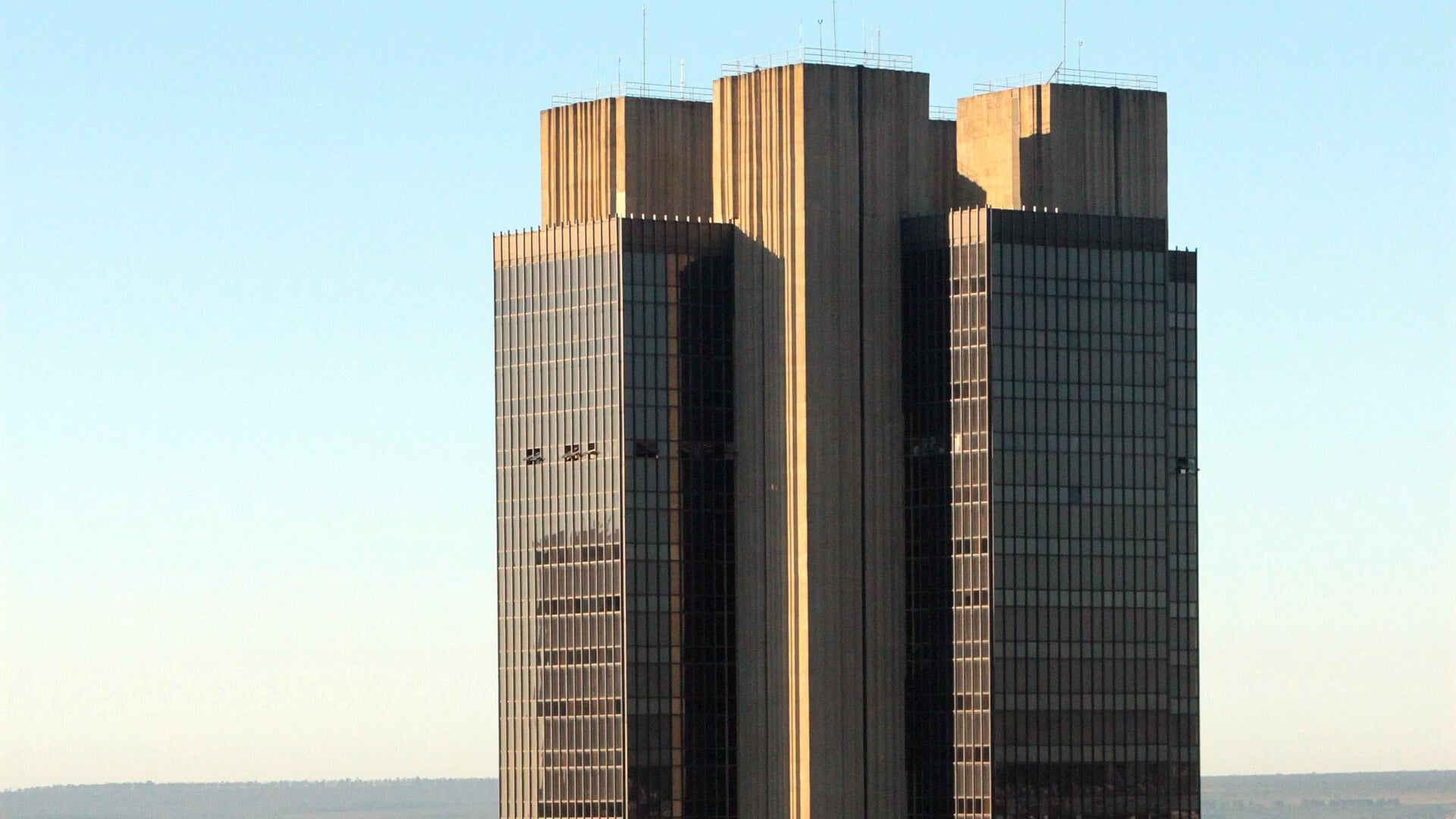
Hoffmann is not a member of the committee. Our report on the November decision is here: Brazil Holds Rate at 13.75% in November.
What Prediction Markets Say
On Polymarket, a platform where users bet real money on events, traders put the chance of no change at the December meeting at 88.5%. A 25-basis-point cut stood at 5.9% and a 25-basis-point rise at 1.6%, with about US$65,000 traded on the question (8 November, 6:04 p.m. ET).
Why we show this: prediction markets turn real-money bets into a live probability that moves within minutes of the news, which is why investors, campaigns and newsrooms in the United States now follow them closely. We show them next to polls and official results, never instead of them.
What It Means for You
For US investors in Brazilian bonds or Brazil-focused funds, a rate held at 13.75% means high yields but also borrowing costs that weigh on growth. Hoffmann’s words are not a policy change, because the committee sets the rate.
Watch the December decision for any change in tone. More on the debate: why rate cuts have stalled and one bank’s view of the path ahead.
What Is Not Known
It is not known whether Lula’s government will back or distance itself from her words. It is also unclear what the committee will do in December, when it meets again.
More: Brazil news in English, every day from The Rio Times.
Frequently Asked Questions
What did Gleisi Hoffmann say about interest rates?
In a post on X on Sunday, 8 November 2026, she called Brazil’s interest rates “exorbitant” and “criminal”. She also accused a major newspaper of “fiscal terrorism”.
What is the Selic rate now?
The Selic is 13.75% a year. Brazil’s central bank held it on 4 November 2026 after five cuts of 0.25 percentage points.
Can politicians change Brazil’s interest rate?
No. The central bank’s committee sets it, and the bank has been legally independent of the government since a 2021 law.
When does Brazil’s central bank decide next?
Its rate committee meets on 8 and 9 December 2026.
Sources: Public post by Gleisi Hoffmann on X (8 November 2026); Central Bank of Brazil, Copom decision of 4 November 2026 (bcb.gov.br); Brazilian Complementary Law 179 of 2021 on central bank autonomy (planalto.gov.br); Polymarket market data, Bank of Brazil decision in December (polymarket.com, read 8 November 2026, 6:04 p.m. ET).
This article was produced by The Rio Times’ automated AI newsroom. Editorial responsibility: Matthias Camenzind, Publisher and Editor-in-Chief. How we use AI · Report an error
Brazil runoff, Sunday, October 25: Brazil runoff date. Latest: Brazil runoff polls, Flávio 51%, Lula 49%.