
Nigeria’s state-owned grid operator, the Transmission Company of Nigeria (TCN), says about 10 of its electricity towers were vandalised in five months on routes around Kano, and that more than 33 suspected vandals have been arrested. Two reports of the House of Representatives sitting on Tuesday, 17 November 2026 say a motion now asks two House committees to investigate the attacks.
For US readers this is a story about the reliability of electricity in Africa’s most populous country, where businesses and households depend on a grid that vandals can cut tower by tower. The House’s own record of the sitting was not yet online, so we attribute the motion throughout.
Key Facts
- What. TCN says about 10 towers were vandalised in five months on routes around Kano.
- Arrests. TCN says more than 33 suspected vandals have been arrested.
- House. Two reports of the 17 November sitting say a motion asks two committees to investigate the attacks.
- Next. The committees would have four weeks to report, about 15 December, if the motion stands as reported.
- As of. Tuesday, 17 November 2026, 9:15 p.m. GMT
Attacks on power-line towers in northern Nigeria have reached the national legislature, while the grid operator’s own count remains the firmest evidence.
What the Grid Operator Has Said
At a public awareness event in Paki, in Kaduna State, reported on Friday, 30 October 2026, Engineer MK Bello, TCN’s general manager for the Kano region, said about 10 towers had been vandalised in five months. He placed them on the routes between Kano and Zaria, Kano and Katsina, and Kano and Hadejia, three links around Kano in northern Nigeria.
Bello said more than 33 suspected vandals had been arrested with help from local people. Ibrahim Aliyu, TCN’s assistant general manager for transmission, said more than 20 electricity poles had been vandalised around an area called Kunkumi, and urged that arrested vandals be prosecuted.
What the House Motion Is Reported to Say
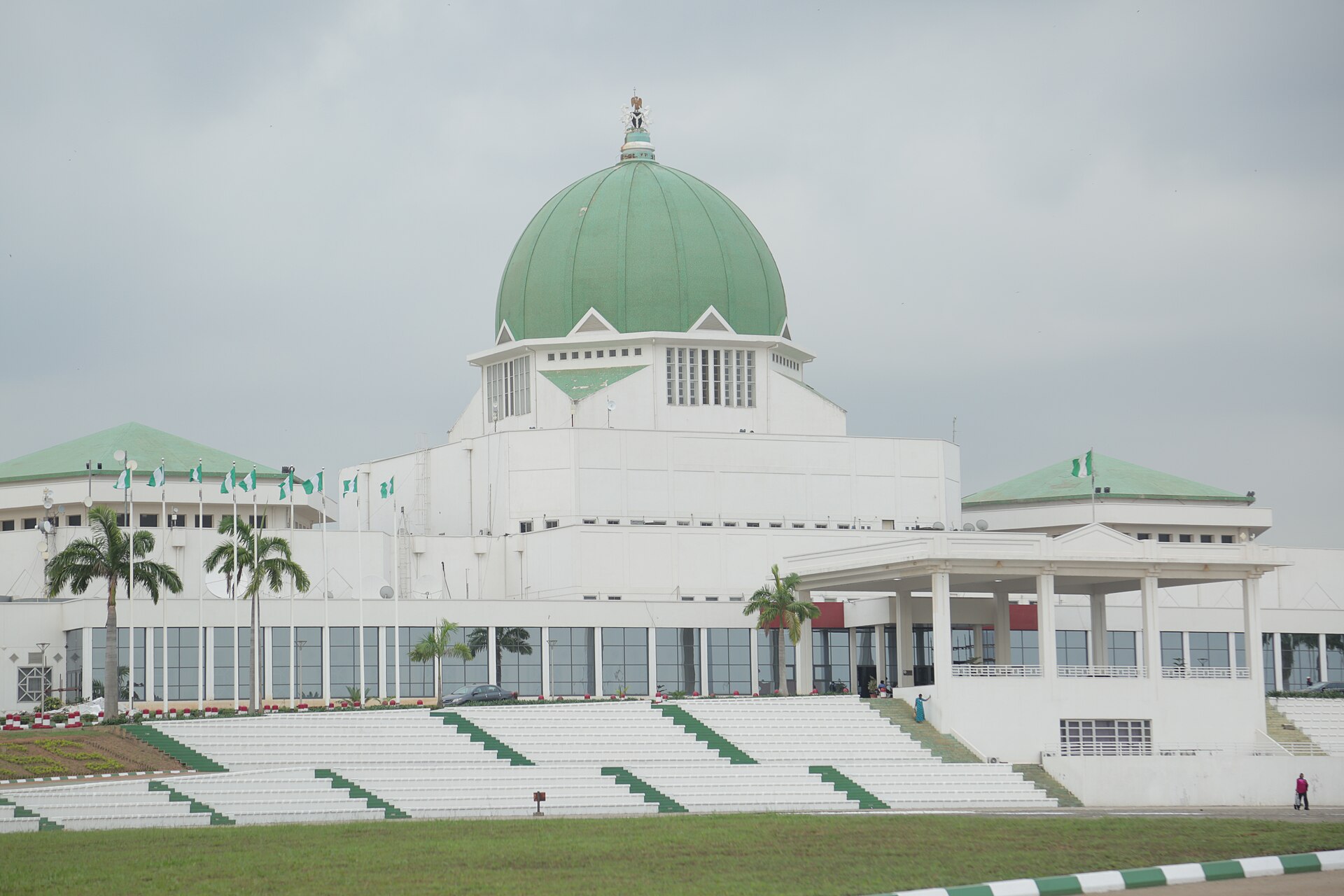
Two reports of the 17 November sitting say Lanre Okunlola, a Lagos member of Nigeria’s ruling party, the All Progressives Congress, moved the motion. They say the motion directs the House committees on Public Assets and on Power to investigate the attacks and asks the Minister of Power and the heads of TCN and the Niger Delta Power Holding Company (NDPHC), a federal company that built power plants and lines, to explain the damage.
The reports say the committees have four weeks to report back, which would fall around 15 December 2026. We have not been able to check these details against the House’s own record.
Where This Comes From
TCN runs the high-voltage lines that carry power from generating plants to the distribution companies that supply customers, so a single fallen tower can cut supply downstream. TCN has reported such attacks before: on 2 June 2026 it said six of its towers had been vandalised along the Apir–Lafia 330-kilovolt (high-voltage) lines.
TCN is also investing in the same region, and on 2 November 2026 it said the Minister of Power had commissioned a new transmission substation and six transformer projects in Kano and Katsina states. Our earlier report covered new grid capacity in Kano, which shows what the region has at stake.
We found no continent-wide count of tower attacks that would show how Nigeria compares with other African grids. Neither TCN nor the House has said what penalties or protection measures may follow.
What It Means for You
People in Kano and Kaduna states are the most exposed when these lines fail, and companies that sell to northern Nigeria can watch for any committee report in mid-December. A House inquiry would be a first step, not a repair, but it could put damage and repair costs on the record.
Read more in our report on the government’s 2027 power plan and on our Nigeria page. Both give the wider picture of Nigeria’s electricity supply.
What Is Not Known
The House’s own record of the 17 November sitting was not yet published when we wrote, so the motion rests on two secondary reports of the sitting. Those reports cite a newspaper report of 29 October for the 10 towers and list different lines (Kano–Bauchi, Kano–Katsina and Kano–Kaduna) from those TCN’s Kano manager named.
We found no statement on the motion from TCN, NDPHC or the Ministry of Power on TCN’s news page. No repair cost, outage figure or motive for the attacks has been published.
Frequently Asked Questions
How many Nigerian power towers were attacked?
TCN officials said, at an event reported on 30 October 2026, that about 10 towers were vandalised in five months on routes around Kano. It said more than 33 suspected vandals had been arrested.
What is the House of Representatives doing?
Two reports of the 17 November 2026 sitting say a motion asks two committees to investigate the attacks. We could not yet check it against the House’s own record.
Who runs the towers?
TCN, the state-owned company, operates Nigeria’s high-voltage grid. The reported motion also asks NDPHC, a federal company that built power plants and lines, to explain the damage.
When would the committees report?
The motion, as reported, gives them four weeks from 17 November 2026, which would be about 15 December 2026.
Sources: remarks by TCN officials at Paki, Kaduna State, reported 30 October 2026; reports of the House sitting of 17 November 2026; TCN news page (https://tcn.org.ng/blog_grid_3.php), checked 17 November 2026; Nigeria’s National Assembly (https://nass.gov.ng), whose record of the 17 November sitting was not yet online.
This article was produced by The Rio Times’ automated AI newsroom. Editorial responsibility: Matthias Camenzind, Publisher and Editor-in-Chief. The Rio Times also runs Ask Rio Times, which answers from 100,000+ of our own articles, the daily Latin America Power Map, and prediction-market odds on elections and markets.. How we use AI · Report an error