Nigeria Safety for Expats 2026: Five Countries, Not One
NIGERIA · EXPAT GUIDE
Key Facts
- —The headline rating The United States says reconsider travel. It also puts 23 states at do not travel.
- —Kidnapping 7,825 people were taken in the year to June 2026, up 66 percent on the previous twelve months.
- —The geography Northern states accounted for 7,334 of those 7,825 victims, or 93.7 percent.
- —The ransom The equivalent of about US$5.9 million was paid against roughly US$17.2 million demanded.
- —Where foreigners live Lagos Island, Ikoyi, Victoria Island and central Abuja are ordinary big-city crime environments.
- —The catch The single highest-value rule is never to drive between cities after dark.
A single national rating tells you nothing useful here. The gap between Lagos and Zamfara is wider than the gap between most countries.
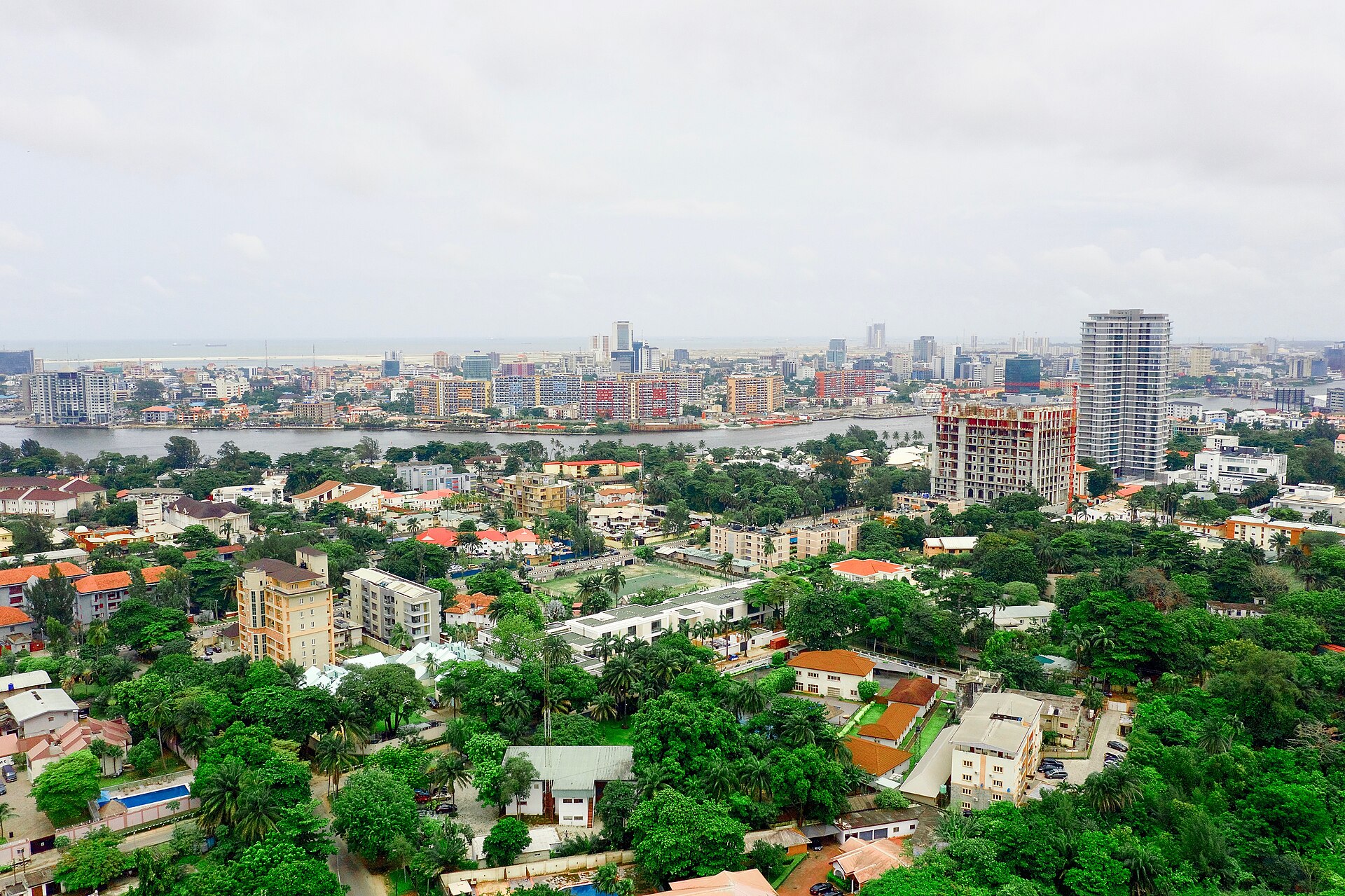
Nigeria is not one risk environment. It is at least five, and the distance between them is larger than the distance between most countries.
Any guide that answers the Nigeria safety question in a single sentence is useless. The answer depends entirely on which part of the country you are in.
What the Governments Actually Say
The United States rates the country level three, reconsider travel, as of 12 June 2026. That headline is close to meaningless.
Twenty-three states plus part of a twenty-fourth are rated level four, do not travel. Most of the country sits in the worst category.
Britain advises against all travel to Borno, Yobe, Adamawa, Gombe, Katsina and Zamfara, plus the riverine areas of five southern states. It advises against all but essential travel to sixteen more.
What is not on the British list matters as much. Lagos, the federal capital territory, Oyo, Ogun, Edo, Osun, Ondo, Ekiti and Nasarawa are all absent.
Canada is the outlier. It is the only one of the three that rates Abuja worse than Lagos.
It places the capital in its avoid-non-essential-travel zone. Lagos and Calabar get a lower warning.
One further signal. In April 2026 the United States authorised the departure of non-emergency government staff and families from its Abuja embassy.
The Kidnapping Numbers
In the twelve months to June 2026, 7,825 people were kidnapped. That is up 66 percent from 4,722 the year before.
Ransom actually paid came to 7.78 billion naira, about US$5.9 million, against 22.86 billion demanded. That is a collection rate near a third.
There were 1,142 deaths in the course of kidnap incidents. Of those, 895 were civilians.
The geography is decisive. Zamfara accounted for 1,921 victims, Sokoto 1,157, Kaduna 814 and Katsina 559.
Northern Nigeria accounted for 7,334 of the 7,825 victims. That is 93.7 percent.
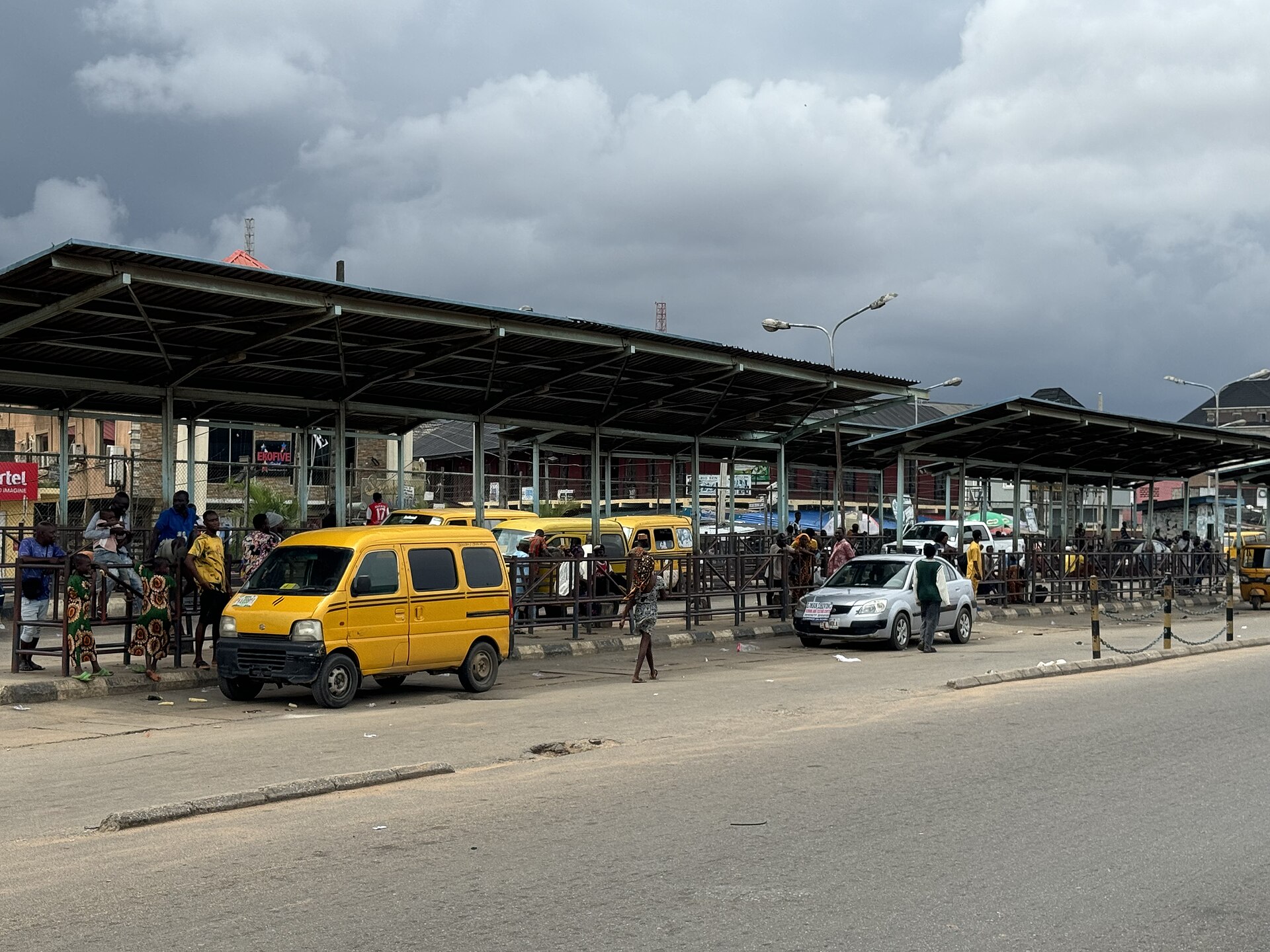
Read the ransom geography separately, because it splits differently. Borno produced 5.05 billion naira of ransom, some US$3.8 million, from far fewer victims.
That is 65 percent of the national total. Nigeria has two kidnap economies running side by side.
Zamfara, Sokoto and Katsina are a high-volume, low-value abduction economy aimed at rural Nigerians. Borno is the high-value end, and foreign nationals sit in that second category.
The escalation is recent. One conflict monitor recorded over 900 conflict deaths in Sokoto state in the year to June 2026.
That monitor called June the deadliest month in Sokoto since its records began in 1997. Nigeria’s northwest is getting worse, not better.
The Figures You Will See Misused
Two numbers circulate constantly in 2026 articles and neither is current. The first is a national survey finding 51.89 million crime incidents and 2.23 trillion naira in ransom, about US$1.7 billion.
That survey covers May 2023 to April 2024 and was published in December 2024. It is the most recent official one, and it is more than two years stale.
The second is a widely shared claim of 2,583 people killed and 2,164 abducted in three months. That is data from early 2024, republished without its date.
On homicide, the most recent comparable figure is 15.75 per 100,000, from 2023. The series is sparse and reporting quality makes the apparent decline from earlier years hard to trust.
What Employers Require
Both Lagos and Abuja are rated critical for crime against official American interests. The same assessment recommends buying kidnap and ransom insurance and cooperating rather than resisting armed assailants.
It also notes that kidnapping is rising in areas previously considered safer, naming the central federal capital territory and Abuja specifically.
British guidance to organisations is concrete. Limit travel after dark outside city centres and avoid poorly lit routes.
Consider convoys outside urban areas. Keep windows up and doors locked.
Vary your routine and avoid regular travel patterns. Arrange drivers through your hotel rather than hailing them, and verify the identity of anyone meeting you at an airport.
One group is named first in that guidance and it is not the obvious one. Dual nationals visiting family are identified as a primary target, alongside staff of international corporations with access to funds.
Armed gangs stop vehicles on major highways and the Abuja to Kaduna road is named specifically. That is why expatriate staff fly that route rather than drive it.
Anyone working offshore has a separate problem. Piracy and armed robbery at sea in the Gulf of Guinea remain live risks.
Living Here, Honestly
Lagos and Abuja are livable for foreigners with normal urban-crime discipline plus kidnap awareness. The rest of the country is not somewhere you travel casually.
Fly between cities rather than driving. Never drive intercity after dark, which is the single highest-value rule on this page.
Assume the Abuja to Kaduna road is closed to you by car. Treat that as a fixed constraint rather than a judgement call.
Do not announce your employer, your salary or your travel plans. Do not carry detailed personal financial information.
Expect kidnap and ransom insurance to form part of your package. Check that it covers you personally and not only your employer.
Express kidnapping and carjacking at traffic stops are the urban risks. Mass abduction is a rural northern one, and the two need different habits.
A dual national visiting family is at higher risk than a visibly foreign employee inside a corporate security envelope. That is counterintuitive and it is what the guidance says.
More: Africa news in English, every day from The Rio Times.
Frequently Asked Questions
How safe is Nigeria for expats?
It depends entirely on where. Lagos and Abuja are manageable with urban-crime discipline and kidnap awareness. Twenty-three states are rated do not travel by the United States.
How bad is the kidnapping problem?
7,825 people were kidnapped in the year to June 2026, up 66 percent. Northern states accounted for 93.7 percent of victims, with Zamfara alone at 1,921.
Which states should I avoid?
Britain advises against all travel to Borno, Yobe, Adamawa, Gombe, Katsina and Zamfara plus southern riverine areas, and against all but essential travel to sixteen more states.
Is Abuja safer than Lagos?
Not according to Canada, which is the only government of the three to rate Abuja worse. American assessments also note kidnapping rising inside the central capital territory.
What is the single most important rule?
Never drive between cities after dark, and fly rather than drive where you can. Treat the Abuja to Kaduna road as closed to you by car.
Sources: US Department of State advisory of 12 June 2026, the UK FCDO of 20 August 2026, Global Affairs Canada of 9 September 2026, SBM Intelligence published 27 August 2026, ACLED, the National Bureau of Statistics crime survey, the World Bank and OSAC.
This article was produced by The Rio Times’ automated newsroom system. How we use AI · Report an error
Read More from The Rio Times