
Nigeria is preparing to extend its National Single Window, a government platform that lets traders file import permits online in one place, to exports. Officials said at stakeholder forums in Port Harcourt and Abuja that the first export component of Phase 2 goes live on 14 December.
At a forum in Abuja on Tuesday, Zacch Adedeji, chairman of the Nigeria Revenue Service (NRS), the federal revenue agency, pledged technical and institutional support for the rollout. The Nigerian Export Promotion Council (NEPC), the government’s export agency, said non-oil exports reached US$6.1 billion in 2025.
Key Facts
- What. Phase 2 puts export permits on Nigeria’s National Single Window, starting 14 December.
- Exports. Non-oil exports reached US$6.1 billion in 2025, up 11.5%; 281 products went to 120 countries.
- Phase 1. Since March 2026, the platform has processed more than 169,000 import licences, certificates and permits.
- Next. Processes of Nigeria’s central bank follow in the first quarter of 2027.
- As of. 18 November 2026, 09:00 GMT.
Nigeria wants exporters to file permits once, online, instead of visiting several agencies, and it is betting the platform can support a growing non-oil export sector.
What Phase 2 Changes
Phase 1 of the National Single Window, launched in March 2026, covered import licences, certificates and permits. Phase 2 turns to exports, so that a trader submits documents once and the agencies read them electronically.
Tola Fakolade, director of the National Single Window project, said the first component of Phase 2 goes live on 14 December. It begins with digital export permits issued by agencies including the Standards Organisation of Nigeria (the product-standards body), NAFDAC (the food and drug regulator) and the Federal Produce Inspection Service (which checks farm exports).
A second component, covering processes of the Central Bank of Nigeria, is planned for the first quarter of 2027. Fakolade said compliance on the platform blocks revenue leakages.
In Plain English
National Single Window: one online platform where traders submit the documents that several agencies need, instead of filing separately at each.
NRS: the Nigeria Revenue Service, the federal agency that collects revenue. Customs comptroller: a senior officer of the Nigeria Customs Service.
NEPC: the Nigerian Export Promotion Council, which supports and records non-oil exports.
NXP and NCX: the Nigeria Export Proceeds and Non-Commercial Export forms that exporters file.
The Export Numbers
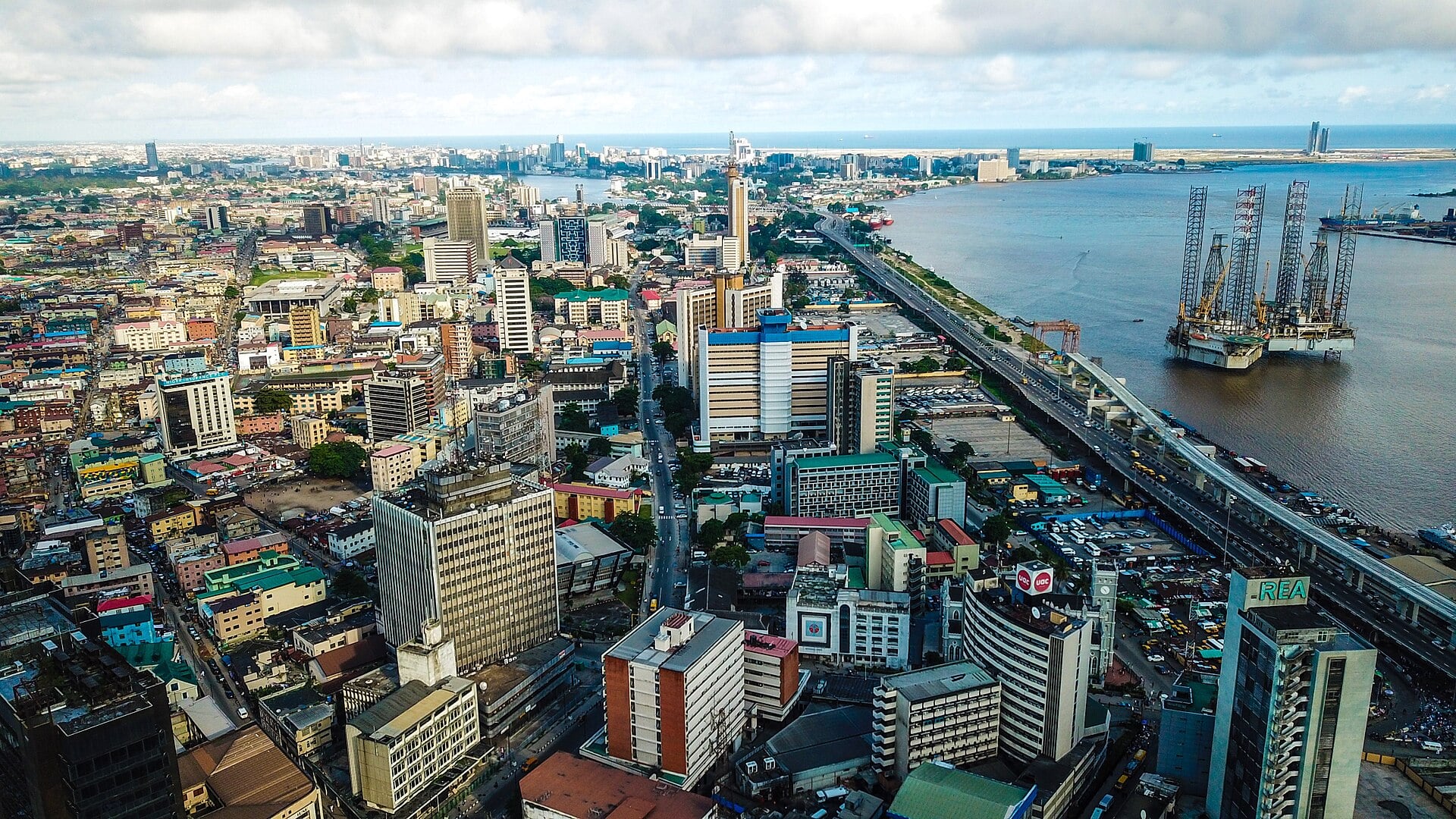
NEPC said Nigeria earned US$6.1 billion from non-oil exports in 2025, which is 11.5% above the US$5.46 billion of 2024. Export volume rose 10% to 8.02 million tonnes across 281 products sold to 120 countries, the agency said at the Port Harcourt forum.
Nonye Ayeni, NEPC’s chief executive, told the Abuja forum she expects the figure to rise by the end of 2026. She also said the council has begun work to bring its Exporter’s Certificate registration service onto the platform.
The Big Picture: From Border Revenue to Trade Facilitation
President Bola Tinubu inaugurated a committee for the project in April 2024, with the aim of a fully operational platform by the first quarter of 2026. Phase 1 went live in March 2026, and Phase 2 now carries the same logic to the export side.
Adedeji, represented by Alfred Okoh, the NRS group director for transformation and strategy, described the Single Window as a shift from collecting revenue at the border to facilitating trade, and from separate compliance checks to integrated, data-driven efficiency. Nigeria’s stated aim is to cut the time cargo sits in ports and to lower trade costs.
What It Means for You
For US importers of Nigerian goods and US exporters selling into Nigeria, the platform is meant to replace repeated paper filings with a single online submission. Fewer separate approvals can shorten the time a shipment waits before it moves.
The gain depends on how many agencies actually connect and how reliably the system runs. Phase 1 gives a first test: more than 169,000 documents have passed through it since March 2026, according to Fakolade.
The Counter-View: Capacity Gaps
Aondona Fanyam, a comptroller in charge of compliance and modernisation at the Nigeria Customs Service headquarters, named capacity gaps, change management and uneven digital capability among agencies as challenges seen in Phase 1. He said training and stakeholder sensitisation are being stepped up ahead of the next phase.
In September the government told agencies to clear export barriers and finish Phase 2 work by November, a target that has now moved to a 14 December start for the first component. The earlier end-November target came from Jumoke Oduwole, the trade and investment minister.
What Is Not Known
Officials have not published how many export documents the platform is expected to handle in its first month. They have also not said which agencies beyond those already onboarded will connect on 14 December.
What to Watch
The first Phase 2 component is due on Monday 14 December 2026. Central Bank of Nigeria processes are due in the first quarter of 2027, with no exact date announced.
Connected Coverage
Nigeria news and analysisNigeria Senate Orders Probe of Vote Violence
Nigeria’s Opposition Court Ruling and the 2027 Vote
Frequently Asked Questions
What is Nigeria’s National Single Window?
It is a federal government digital platform where traders submit trade documents, permits and approvals once, and agencies access them electronically. Phase 1 covered import licences and certificates, and Phase 2 adds exports.
When does Phase 2 start?
The project director said the first component of Phase 2 goes live on 14 December. A second component, covering Central Bank of Nigeria processes, is planned for the first quarter of 2027.
How much did Nigeria earn from non-oil exports in 2025?
NEPC says Nigeria earned US$6.1 billion from non-oil exports in 2025, up 11.5% from US$5.46 billion in 2024. Volume rose 10% to 8.02 million tonnes.
How many documents has Phase 1 processed?
The project director said more than 169,000 licences, certificates and permits had been processed through the platform since its launch in March 2026. That figure covers imports only, since Phase 1 did not include exports.
Sources
Nigeria Revenue Service (nrs.gov.ng); Nigerian Export Promotion Council (nepc.gov.ng); National Single Window project office statements at the Phase 2 forums in Port Harcourt and Abuja, November 2026.
This article was produced by The Rio Times’ automated AI newsroom. Editorial responsibility: Matthias Camenzind, Publisher and Editor-in-Chief. The Rio Times also runs Ask Rio Times, which answers from 100,000+ of our own articles, the daily Latin America Power Map, and prediction-market odds on elections and markets.. How we use AI · Report an error