Mexico Visa and Residency in 2026: What the Rules Now Require
MEXICO · EXPAT GUIDE
Key Facts
- —The rule that changed Income tests moved from minimum wage to UMA units in July 2025. The numbers roughly doubled.
- —Temporary residency Around US$4,500 to US$4,700 a month in income, or US$76,000 to US$78,500 in savings.
- —Permanent residency Around US$7,300 to US$7,800 a month, or roughly US$292,000 to US$314,000 in savings.
- —The clock You have 30 calendar days after entering Mexico to start the card exchange, or the visa lapses.
- —The cost A first temporary card runs about US$758 in Mexican fees, plus a US$56 consular fee.
- —The catch Every consulate converts the peso figure itself, so posted thresholds differ by hundreds of dollars.
The money test for Mexican residency changed, and it changed upward. Almost every guide online still quotes the superseded rule.
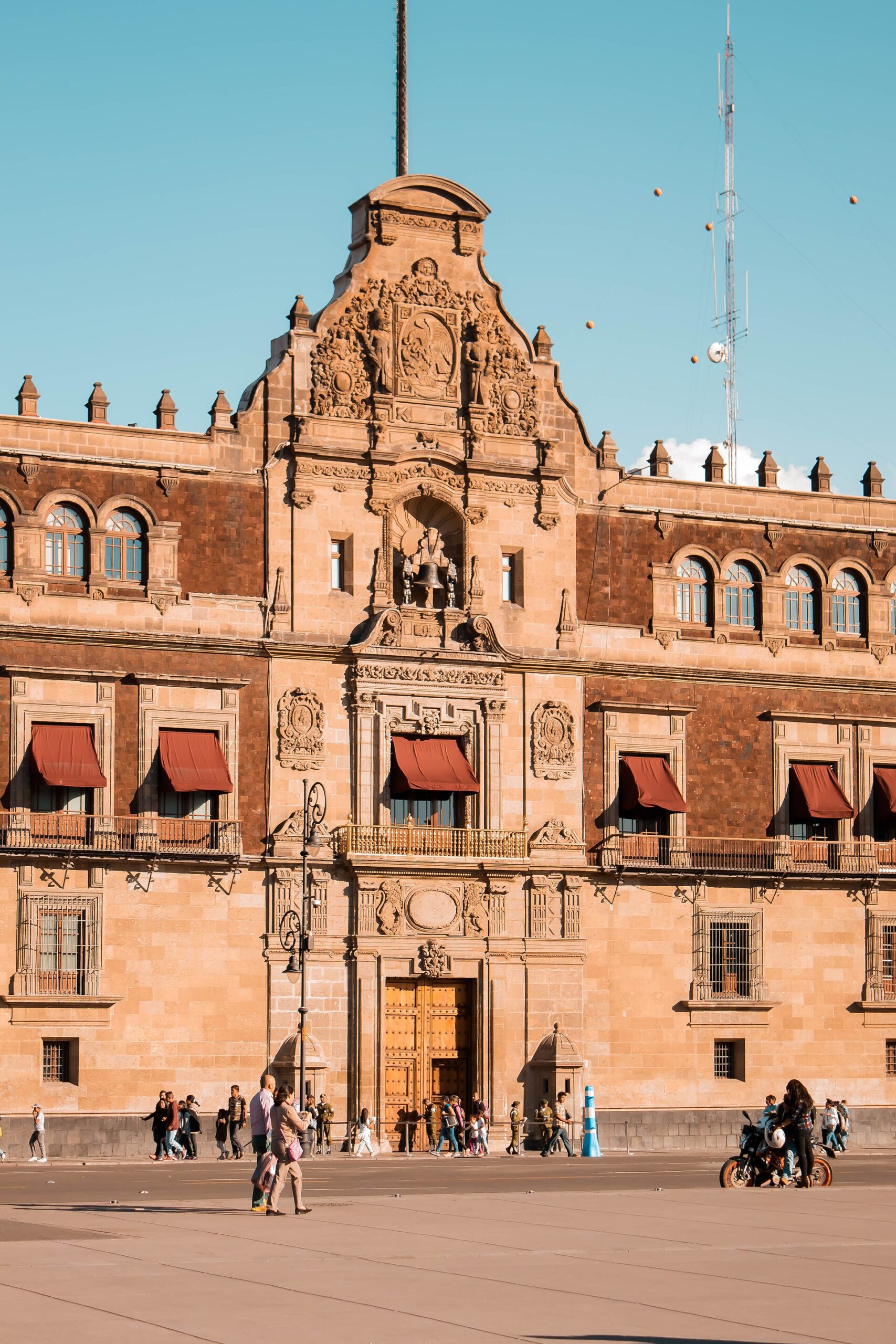
A Mexico visa application now turns on a number most guides have not updated. The economic test was rewritten in July 2025 and the new figures took full effect this year.
Mexico used to measure your income in days of minimum wage. It now measures it in days of UMA, a separate index published by the statistics agency.
The switch sounds technical. In practice it roughly doubled what an applicant must show.
What the Rule Actually Says
The governing text is the Lineamientos Generales for issuing visas, published in the official gazette on 25 July 2025. It sets every threshold in UMA days.
The 2026 UMA is 117.31 pesos a day, about US$6.85, in force since 1 February. Every figure below is that number multiplied out.
For temporary residency the test is 680 UMA days of monthly income over the last six months. That is 79,770 pesos a month, about US$4,657.
The savings alternative is 11,460 UMA days averaged over twelve months. That comes to 1,344,372 pesos, roughly US$78,491.
For permanent residency through the pensioner route the income test is 1,140 UMA days. That is 133,733 pesos a month, near US$7,808.
The permanent savings test is 45,850 UMA days, some 5,378,663 pesos or about US$314,033. A dependent on a family application needs only 220 UMA days.
Why Consulates Quote Different Numbers
Each Mexican consulate converts the peso figure into local currency on its own schedule. The posted thresholds therefore drift apart.
San Diego’s 2026 sheet asks for US$4,510 a month or US$75,950 in savings. Las Vegas asks US$4,630 and US$78,025 for the same category.
The Mexican embassy in Spain publishes roughly 3,550 euros a month, some US$4,095, or 60,000 euros in savings, about US$69,200. It adds that amounts convert at the rate on the day you apply.
None of these is wrong. They are the same rule, converted on different days.
Plan for the top of the range rather than the bottom. A borderline file is refused at the window, and the fee is not returned.
The Figures Still Circulating That Are Wrong
Two numbers appear constantly in English-language guides and both are superseded. They are 300 days of minimum wage for temporary and 500 days for permanent.
Those were the pre-2025 formulations. Anyone budgeting from them will arrive at roughly half the real requirement.
A second problem in Mexico visa guides is the exchange rate. Some guides still convert at a flat 18 pesos to the dollar, which understates the requirement by about three percent.
The peso traded at 17.13 to the US dollar on 14 September 2026. Use the day’s rate, not a rounded one.
What It Costs
The consular visa fee is US$56 at both San Diego and Las Vegas, cash only and non-refundable. Other posts quote US$53 to US$56.
The fees inside Mexico are larger. Receiving and studying the application costs 1,847 pesos, about US$108.
A one-year temporary card is 11,141 pesos, about US$650, so the realistic first-card total is 12,988 pesos, about US$758.
A permanent card is 13,579 pesos, near US$793, making that route about 15,426 pesos, or US$901. A work permit adds 4,341 pesos, some US$253.
Family-unit and employer-sponsored applicants pay half the card fee. That is a genuine saving, not a discount to negotiate.
The Thirty-Day Trap
The visa your consulate issues is a single-entry sticker valid for 180 days. It is not the residency itself.
Once you enter Mexico you have 30 calendar days to begin the canje. That is the exchange of the Mexico visa for a residence card.
Miss that window and the visa lapses. You start the whole process again, from the consulate, from abroad.
This is the single most common way a successful application is lost. Book the immigration appointment before you fly.
How Long It Lasts
The first temporary card is always issued for one year. Asking for longer does not change that.
Renewals afterwards run for one, two or three years, to a four-year maximum as a temporary resident.
At the end of the fourth year you have the right to convert to permanent residency. You do not have to meet the permanent income test to do it.
That is the route most people actually take. The high permanent threshold applies only to those applying directly as pensioners.
Two years is enough if you are married to or in a recognised partnership with a Mexican or a permanent resident.
What the Rules Do Not Tell You
Every Mexico visa decision leaves room for discretion. A file that meets the number on paper can still be refused if the officer doubts the source of funds.
Bank statements must be in your own name and must show the balance consistently. A lump sum deposited the month before will be questioned.
Income statements must be free of deductions, which is what the Spanish phrase libres de gravamenes means. Gross salary is not the figure.
Appointments at popular consulates in the United States run months behind. That waiting time is part of the real timeline.
Before You Commit
Read your own consulate’s published Mexico visa sheet, not a summary. Every post publishes its own requirements page and they are the only figures that bind your application.
Check the date on the sheet. Several posts were still showing 2025 tables well into this year.
Budget above the published number and hold the balance steady for the full twelve months the rule requires. There is no partial credit.
More: Expat guides, every day from The Rio Times.
Frequently Asked Questions
How much money do I need for a Mexico visa in 2026?
Roughly US$4,500 to US$4,700 a month in income, or US$76,000 to US$78,500 in savings, for temporary residency. Permanent residency asks about US$7,300 to US$7,800 a month.
Did the requirements go up?
Yes. The test moved from minimum-wage days to UMA days in July 2025, which roughly doubled the amounts. Guides quoting 300 or 500 days of minimum wage are out of date.
How long do I have to exchange the visa for a card?
Thirty calendar days from the date you enter Mexico. Miss it and the visa lapses and you start again from the consulate.
What does it cost?
About US$56 at the consulate, then roughly 12,988 pesos or US$758 for a first temporary card inside Mexico. A permanent card is about 15,426 pesos, or US$901.
Can I go straight to permanent residency?
Only through the pensioner income test, immediate family ties to a Mexican, or refugee status. Most people spend four years as a temporary resident and convert with no further income test.
Sources: Lineamientos Generales para la expedicion de visas (DOF, 25 July 2025), Secretaria de Relaciones Exteriores consular sheets for San Diego and Las Vegas, the Mexican Embassy in Spain, INM 2026 fee tables, INEGI and Banco de Mexico.
This article was produced by The Rio Times’ automated newsroom system. How we use AI · Report an error
Read More from The Rio Times