MEXICO · CITY GUIDE
Key Facts
- Power Index Mexico ranks 2nd of 14 in The Rio Times Latin America Power Index, with 71.4 points (October 2026 edition).
- Prediction markets Polymarket gives President Sheinbaum a 3.0% chance of being out by 31 December 2026 (29 October, 9:07 a.m. ET).
- People 9.2 million in the city in 2020; about 21 million in the wider metropolitan area, says the city government.
- Economy 15.0 percent of Mexico’s output in 2024, about 5.0 trillion pesos (US$269 billion).
- Government Clara Brugada of the Morena party has led the city since 5 October 2024.
- Setting About 2,240 metres (7,350 feet) above sea level, on the site of the Aztec capital.
- Metro 101.6 million passenger trips in June 2026, up 1.5 percent on June 2025.
This Mexico City city guide explains how Mexico’s capital works in 2026, from its economy and boroughs to politics and safety. About 9.2 million people live in the city itself, and the city government puts the wider metropolitan area at about 21 million.

Why Mexico City Matters
Mexico City is the capital of Mexico, the seat of the federal government and the country’s largest city. The Aztecs founded it in 1325 as Tenochtitlan on an island in Lake Texcoco, according to the city government’s tourism portal.
The city stopped being the Distrito Federal, or Federal District, and officially became Ciudad de México on 29 January 2016. It is divided into 16 boroughs, called alcaldías, each with its own elected mayor.
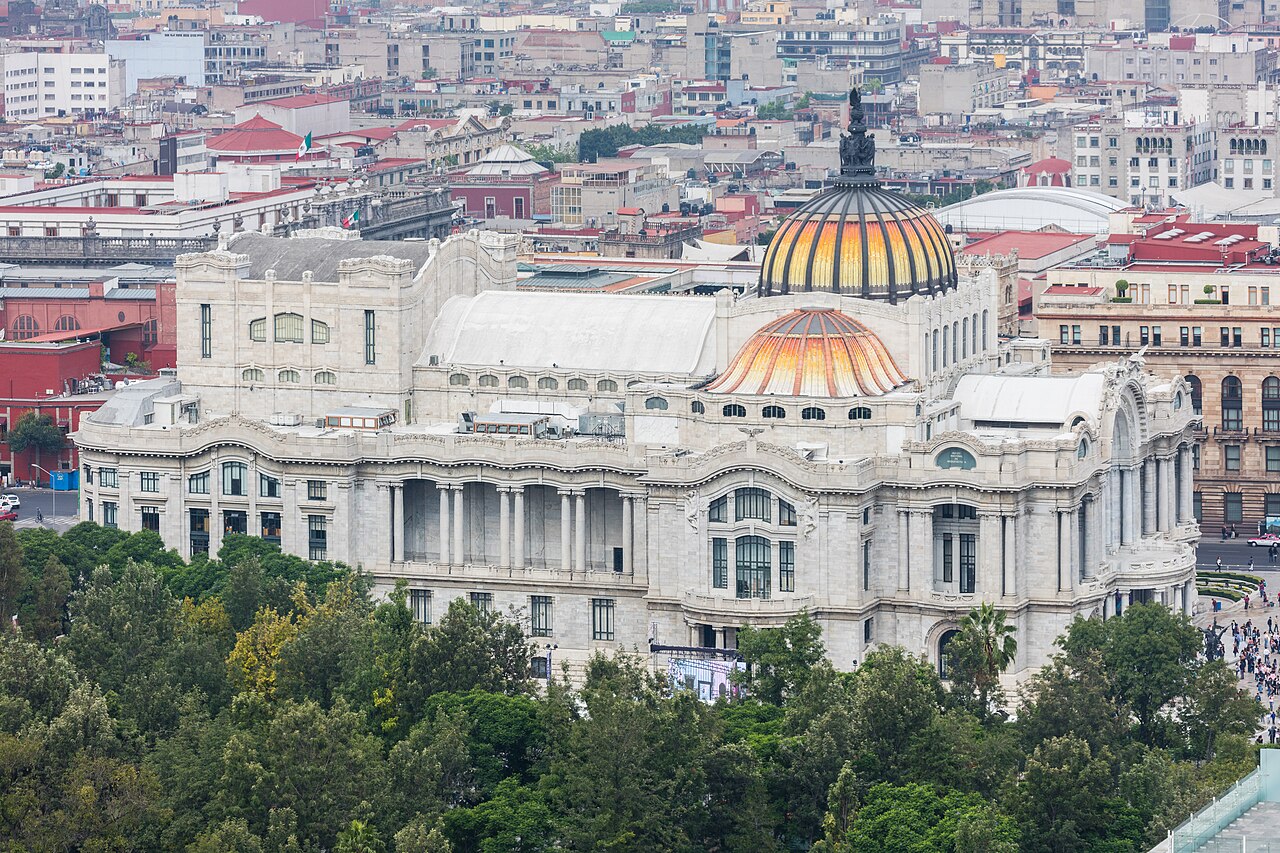
UNESCO, the United Nations cultural agency, lists the Historic Centre of Mexico City and Xochimilco as a World Heritage site. The centre holds the Templo Mayor ruins and the cathedral, and Xochimilco keeps the old canals and floating gardens.
Who Lives Here
The 2020 census counted 9,209,944 residents, 52.2 percent of them women, in the national statistics office INEGI’s latest full count. The median age was 35, and the city packs about 6,163 people into each square kilometre.
Iztapalapa is the largest borough, with 1,835,486 residents, followed by Gustavo A. Madero with 1,173,351. Milpa Alta, at the southern edge, is the least populous, with 152,685.
About 125,000 residents speak an indigenous language, or 1.4 percent, and 2.0 percent identify as Afro-Mexican. Residents average 11.5 years of schooling, against 9.7 years nationwide, and 75.9 percent say they are Catholic.
Between 2015 and 2020, the city lost a net 248,495 residents to the rest of Mexico. About 42 percent of the 557,181 people who left moved to the State of Mexico, the state that wraps around the capital.
The census also found 48,591 residents who had lived abroad five years earlier. The capital draws newcomers from other states and countries even as many families move out to cheaper suburbs.
How the Economy Works
Mexico City produced 15.0 percent of the country’s output in 2024, the largest share of any state, INEGI reported in December 2025. That is about 5.02 trillion pesos (US$269 billion at the 29 October 2026 rate), and the economy grew 2.1 percent after inflation.
Services make up 83.5 percent of the city’s output, which fits a capital of banks, offices, shops and government. Factories add 9.4 percent.
The State of Mexico follows with 9.1 percent of national output, then Nuevo León with 8.1 percent and Jalisco with 7.5 percent. The central bank, the Banco de México, and the Mexican Stock Exchange both have their headquarters in the capital.
That helps explain why the city tops the foreign investment table. The economy ministry says it took US$16.9 billion, 48.2 percent of the US$34.97 billion that reached Mexico in early 2026.
Nuevo León was second with 10.6 percent, and the State of Mexico third with 6.0 percent. Foreign investment into Mexico hit a record for a first half, the ministry said on 24 August 2026.
Boroughs and Neighbourhoods
The Centro Histórico is the old core around the Zócalo, the vast main square, with the cathedral and the National Palace. Most visitors start there, then walk or ride west toward Chapultepec Park.
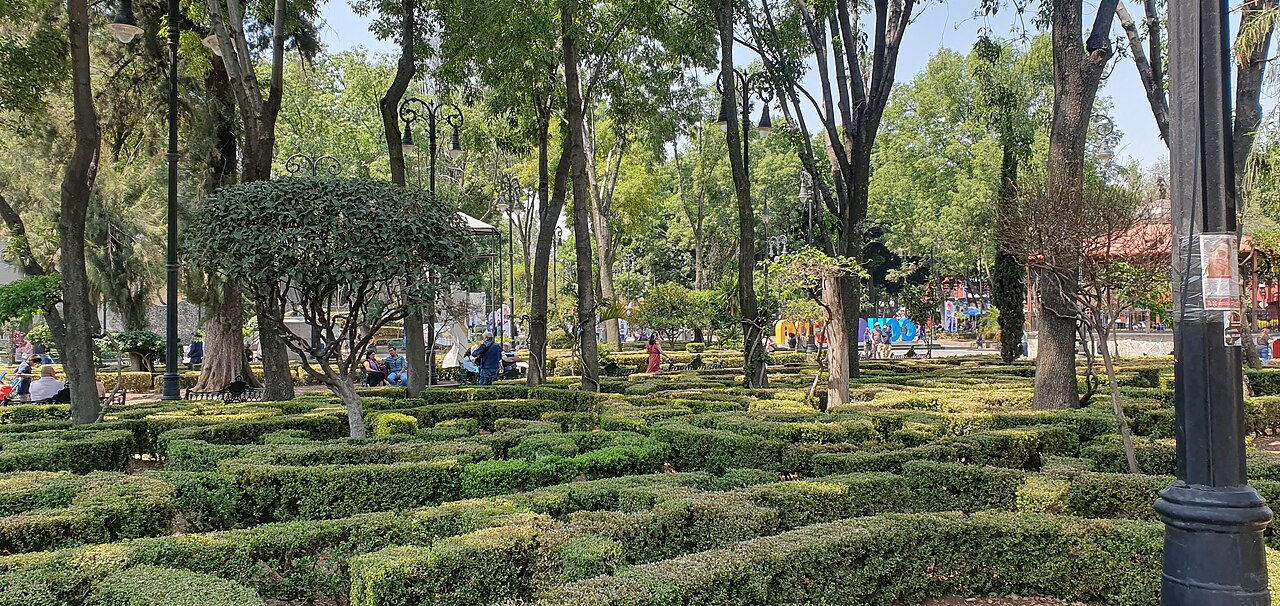
Roma and Condesa are the leafy districts of cafés, galleries and apartment blocks that foreign remote workers made famous. Polanco, further west, is the upscale area of embassies, luxury shops and restaurants.
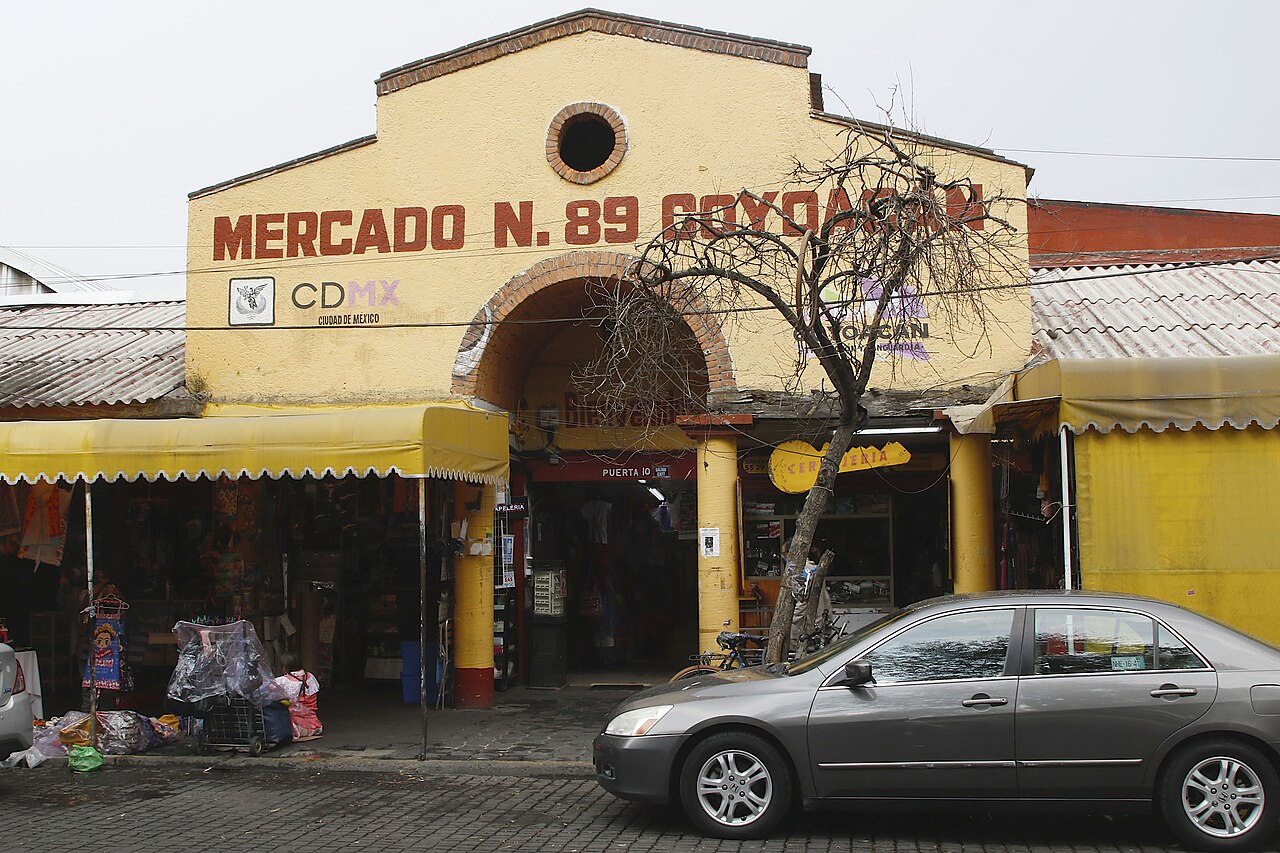
Coyoacán in the south keeps its village feel, with cobbled streets, markets and the house where painter Frida Kahlo lived. Santa Fe, in the far west, is the business district of glass towers, and the El Insurgente train now serves it.
Iztapalapa in the east is the biggest borough and a working-class heartland. Visitors rarely stay there, but millions of residents call it home.
Politics and Governance
Clara Brugada has led the city as Head of Government, its elected top official, since 5 October 2024. She belongs to Morena, the ruling left-wing party founded by former president Andrés Manuel López Obrador.
Brugada was elected in June 2024 and marked two years in office in October 2026 with a public report. Our coverage of her second government report has the details.
President Claudia Sheinbaum also comes from this city, where she was Head of Government before winning the presidency. The two women share a party, so city hall and the federal government pull in the same direction.
Each of the 16 boroughs has its own elected mayor, who runs local services such as street maintenance and markets. Big decisions on security, water and transport stay with the city government.
Security and Crime
Safety is the first question visitors ask about Mexico City, and the answer depends on the neighbourhood and the hour. Tourist districts such as the Centro Histórico, Roma, Condesa and Polanco see far more police and visitors than the outer boroughs.
INEGI’s national survey found that 58.1 percent of adults in 91 urban areas considered their city unsafe in September 2026. That is down from 59.8 percent in June 2026 and 63.0 percent in September 2025.
In the same survey, 64.2 percent of women and 50.6 percent of men called their city unsafe. The release did not publish a separate number for Mexico City.
Ordinary precautions help, such as using licensed taxis or ride-hailing apps at night and keeping phones out of sight on the street. Check the US State Department’s current travel advisory before you book.
Transport, Water and Infrastructure
The Metro is the backbone of daily travel, with 101.6 million trips in June 2026, up 1.5 percent on a year earlier. Metrobús, the city’s bus rapid transit network, carried 33.0 million trips, down 6.2 percent, INEGI reported.
The Valley of Mexico area, which adds the neighbouring municipalities, carried 177.3 million of 268.8 million passengers in June 2026. That is about 66 percent of the national urban total in INEGI’s survey.
The El Insurgente train links the western edge of the city at Observatorio with Toluca, the capital of the State of Mexico. President Sheinbaum opened its final Santa Fe to Observatorio section on 2 February 2026, cutting the full trip to under an hour.
The Benito Juárez International Airport handled 44,605,576 passengers in 2025, against 45,359,485 in 2024, its own operating report shows. That is a drop of 1.7 percent.
Daily Life and Culture
At 2,240 metres the city sits high enough that the air is thinner than at sea level. Any Mexico City city guide should tell newcomers to allow a day or two to adjust.
The city tourism office says Mexico City has more museums than any other city except London. Day of the Dead on 1 and 2 November fills the streets with altars and parades, as our November events guide explains.
The city hosted the opening match of the 2026 World Cup on 11 June 2026. The stadium, known as the Azteca, is among the most famous in world football.
For longer stays, our expat city page covers neighbourhoods and rents.
What Prediction Markets Say
Polymarket, a platform for real-money bets, gave Sheinbaum a 3.0 percent chance of being out by 31 December 2026 (29 October, 9:07 a.m. ET). About US$41,200 has traded on that outcome.
A low price means traders see little risk of a sudden change at the top of the government in Mexico City. Our Mexico politics guide explains who holds power.
Why we show this: prediction markets turn real-money bets into a live probability that moves within minutes of the news, which is why investors, campaigns and newsrooms in the United States now follow them closely. We show them next to polls and official results, never instead of them.
What It Means for US Readers
Our Mexico City guide starts from one fact: the city hosts the federal government that negotiates trade, migration and security with Washington. Its decisions shape trade, visas and border policy for American businesses and travellers.
Prices are quoted in pesos, and the rate on 29 October 2026 was about 18.65 pesos per US dollar. Convert prices before you spend, because every amount quoted locally is in pesos.
Investors should note that the capital took almost half of recorded foreign investment in early 2026 and hosts the national stock exchange. Visitors should check the US State Department’s current travel advisory before booking and expect the altitude to make an impression.
What Is Not Known
The 2020 census is the last full headcount, so the city’s current population is not known exactly. The metropolitan figure of about 21 million comes from the city government and has not been updated since the last census.
INEGI’s September 2026 safety survey gives no separate figure for Mexico City. How safe a given neighbourhood feels cannot be read from the national number.
The economy ministry’s investment figures show where flows are booked, not where the money is spent. It is also unclear whether the airport’s 2025 dip in passengers will continue.
Frequently Asked Questions
How many people live in Mexico City?
The 2020 census counted 9,209,944 people in the city itself. The wider metropolitan area has about 21 million, according to the city government’s tourism portal.
Who runs Mexico City in 2026?
Clara Brugada of the Morena party is Head of Government and has held the job since 5 October 2024. President Claudia Sheinbaum led the city before her.
How big is the Mexico City economy?
It produced about 5.02 trillion pesos (US$269 billion) in 2024, or 15.0 percent of Mexico’s output, the largest share of any state, according to INEGI.
Is Mexico City safe in 2026?
It depends on the area and the hour. INEGI’s September 2026 survey found 58.1 percent of adults in 91 urban areas felt unsafe, and visitors should check the US travel advisory in any Mexico City guide.
Which neighbourhoods should visitors know?
Any Mexico City guide starts with the Centro Histórico, Roma, Condesa, Polanco and Coyoacán. Santa Fe is the business district, and Iztapalapa is the largest borough.
How does the Metro work for visitors?
The Metro carried 101.6 million trips in June 2026 and is the cheapest way across the city. Expect crowds at rush hour, when most of the city is heading to work.
Sources: INEGI, Census 2020 results for Ciudad de México, 2021-01-29; INEGI, GDP by state 2024, 2025-12-05; INEGI, GDP of Ciudad de México 2024, 2025-12-05; INEGI, urban passenger transport statistics, June 2026, 2026-08-18; INEGI, urban public-safety survey ENSU, September 2026, 2026-10-23; Secretaría de Economía, foreign direct investment, first half of 2026, 2026-08-24; Presidency of Mexico, opening of the Santa Fe to Observatorio section of El Insurgente, 2026-02-02; Mexico City Government, tourism portal, About Mexico City, 2026-10; UNESCO World Heritage Centre, Historic Centre of Mexico City and Xochimilco, 2026-10; Benito Juárez International Airport, results indicators December 2025, 2025-12.
This article was produced by The Rio Times’ automated newsroom system. How we use AI · Report an error · Editorial responsibility: Matthias Camenzind, Editor-in-Chief
The Mexico City Guide
What The Rio Times publishes for foreigners in Mexico City, Mexico.
This month
Coming up in Mexico City
- Mexico City Grand Prix 2026: Schedule, Tickets and TV 30 Oct
- Calvin Harris in Mexico City: Two Nights at The Line Up Fest, October 30–31, 2026 30 Oct
- Day of the Dead 2026 in Mexico City: Dates and Parade 31 Oct
- Dimitri Vegas & Like Mike in Mexico City: Halloween Night at Plaza México on October 31, 2026 31 Oct
Living in Mexico City
- Medellín vs Mexico City for Expats in 2026: The Visa Gap Decides It
- Mexico City Residence Cards Now Take 4 to 6 Weeks: What Expats Should Know About INM Delays
- Mexico City Rents Push Expat Budgets Past 2800 Dollars as Roma Condesa Pressure Mounts
- Best Mexico City Neighborhoods for Expats
Understand Mexico
Brazil runoff date: Sunday, October 25, poll closing times and when results start · Brazil runoff polls: Flávio 51%, Lula 49% · Kalshi and Polymarket odds
Rotate for Best Experience
This report is optimized for landscape viewing. Rotate your phone for the full experience.
You've reached your free article limit
Subscribe to The Rio Times for unlimited access to our news, expat and nomad guides and market intelligence on Latin America and Africa.
Keep reading for free
Your first article was on us. Register with your email address to read 6 free articles every month. You will also receive The LatAm Brief: what moved in Latin American markets, politics and expat life, every weekday morning.
The Mexico City Guide
What The Rio Times publishes for foreigners in Mexico City, Mexico.
This month
Coming up in Mexico City
- Mexico City Grand Prix 2026: Schedule, Tickets and TV 30 Oct
- Calvin Harris in Mexico City: Two Nights at The Line Up Fest, October 30–31, 2026 30 Oct
- Day of the Dead 2026 in Mexico City: Dates and Parade 31 Oct
- Dimitri Vegas & Like Mike in Mexico City: Halloween Night at Plaza México on October 31, 2026 31 Oct
Living in Mexico City
- Medellín vs Mexico City for Expats in 2026: The Visa Gap Decides It
- Mexico City Residence Cards Now Take 4 to 6 Weeks: What Expats Should Know About INM Delays
- Mexico City Rents Push Expat Budgets Past 2800 Dollars as Roma Condesa Pressure Mounts
- Best Mexico City Neighborhoods for Expats
Understand Mexico