How to Get Residency in Mexico in 2026: Income Rules, Costs and Steps

GUIDES · MEXICO
Key Facts
- —What it is A step-by-step guide to residency in Mexico, the most populous Spanish-speaking country.
- —Who it’s for Retirees, remote workers, investors and families who want to live in Mexico for longer than a 180-day visitor stay.
- —The rules Temporary residency needs net income above about US$4,460 a month or savings of about US$75,100. Permanent residency for retirees needs about US$7,470 a month in pension income.
- —What it costs A US$56 consular visa at posts such as Las Vegas, then about US$622 for a one-year card.
- —The catch Each consulate converts the peso thresholds itself and some still post older figures, so the bar you face depends on where you apply.
- —What is still open Whether every consulate aligns its posted amounts with the 2026 UMA values, and how long card processing will take at busy migration offices.
Residency in Mexico is won at a consulate abroad and finished at a migration office inside the country. This guide shows the 2026 money tests, the fees and the order of the steps.
For an American or European, Mexico is one of the few countries where a pension or steady remote income can buy a legal, long-term stay. The rules changed in 2025 and the fees more than doubled in 2026, so older advice is now often wrong.
How residency in Mexico works in 2026
As of 19 September 2026, Mexico offers two main residence statuses for foreigners. Temporary residency lasts up to four years. Permanent residency has no end date for adults.
Both rest on the Migration Law (Ley de Migración) and its regulation. The Migration Law lets a temporary resident stay up to four years, with the right to leave and re-enter as often as they like.
Most people cannot apply from inside Mexico as tourists. The standard route has two stages: a resident visa from a Mexican consulate abroad, then a residence card from the National Migration Institute (INM) after you arrive.
That second stage is known as the canje, or exchange. The consulate issues a visa sticker in your passport, and INM swaps it for a plastic card inside Mexico.
The money test: UMA, not minimum wage
The income and savings tests are set by the general visa guidelines of the Interior and Foreign ministries. A new version was published in the official gazette, the Diario Oficial de la Federación, on 25 July 2025 and took effect 15 days later.
The new guidelines express every threshold in days of UMA. The UMA, or unit of measure and update, is a reference value that the statistics agency INEGI publishes each year.
From 1 February 2026 one UMA is worth 117.31 pesos a day (about US$6.55), according to INEGI. This guide converts pesos at about 17.90 to the dollar, the open-market rate in late September 2026.
For temporary residency, you must show net monthly income from a job or pension above 680 days of UMA over the last six months. That is 79,771 pesos a month (about US$4,457).
The alternative is an average monthly balance in savings or investments of 11,460 days of UMA over the last twelve months. That is 1,344,373 pesos (about US$75,107).
Each family member you bring adds 220 days of UMA, in income or in savings. That is 25,808 pesos (about US$1,442) per person.
For permanent residency as a retiree or pensioner, the bar is a net pension above 1,140 days of UMA over six months. That is 133,733 pesos a month (about US$7,471).
A retiree may instead show average savings or investments of 45,850 days of UMA over twelve months. That comes to 5,378,664 pesos (about US$300,497).
Why the number you see may differ
The older rules measured the same tests in days of minimum wage. The 2026 general minimum wage is 315.04 pesos a day (about US$17.60), set by the wage commission CONASAMI and in force since 1 January 2026.
Consulates convert the peso figures into local currency themselves, and some still publish amounts that do not match the UMA arithmetic. The Las Vegas consulate’s 2026 page asks for monthly income above US$4,630 or an average balance of US$78,025.
The Tucson consulate, in a notice updated on 31 December 2025, asks permanent-residency applicants for a pension above US$7,322 a month or savings above US$292,859. Always check the page of the consulate where you will apply.
Which route fits you
Temporary residency by economic solvency is the usual route for remote workers and early retirees. It does not by itself allow you to work for a Mexican employer.
The Migration Law grants a temporary resident a work permit only against a job offer. Remote work for a foreign employer is not addressed by a specific digital nomad visa in Mexican law.
Other temporary routes exist. Owning Mexican property worth more than 91,710 days of UMA, about 10.76 million pesos (about US$601,061), can qualify. So can an investment in a Mexican company above 45,850 days of UMA.
Family ties open further doors. The Migration Law grants permanent residency to parents of children who are Mexican by birth, and to relatives in a direct line up to the second degree of a Mexican by birth.
Retirees who meet the pension test can go straight to permanent residency. Everyone else on the temporary route can switch to permanent status after four years, as the Migration Law allows.
Step one: the consulate appointment
Book an appointment at a Mexican consulate in the country where you live legally. If you are not a national of that country, the guidelines require proof of your legal stay there.
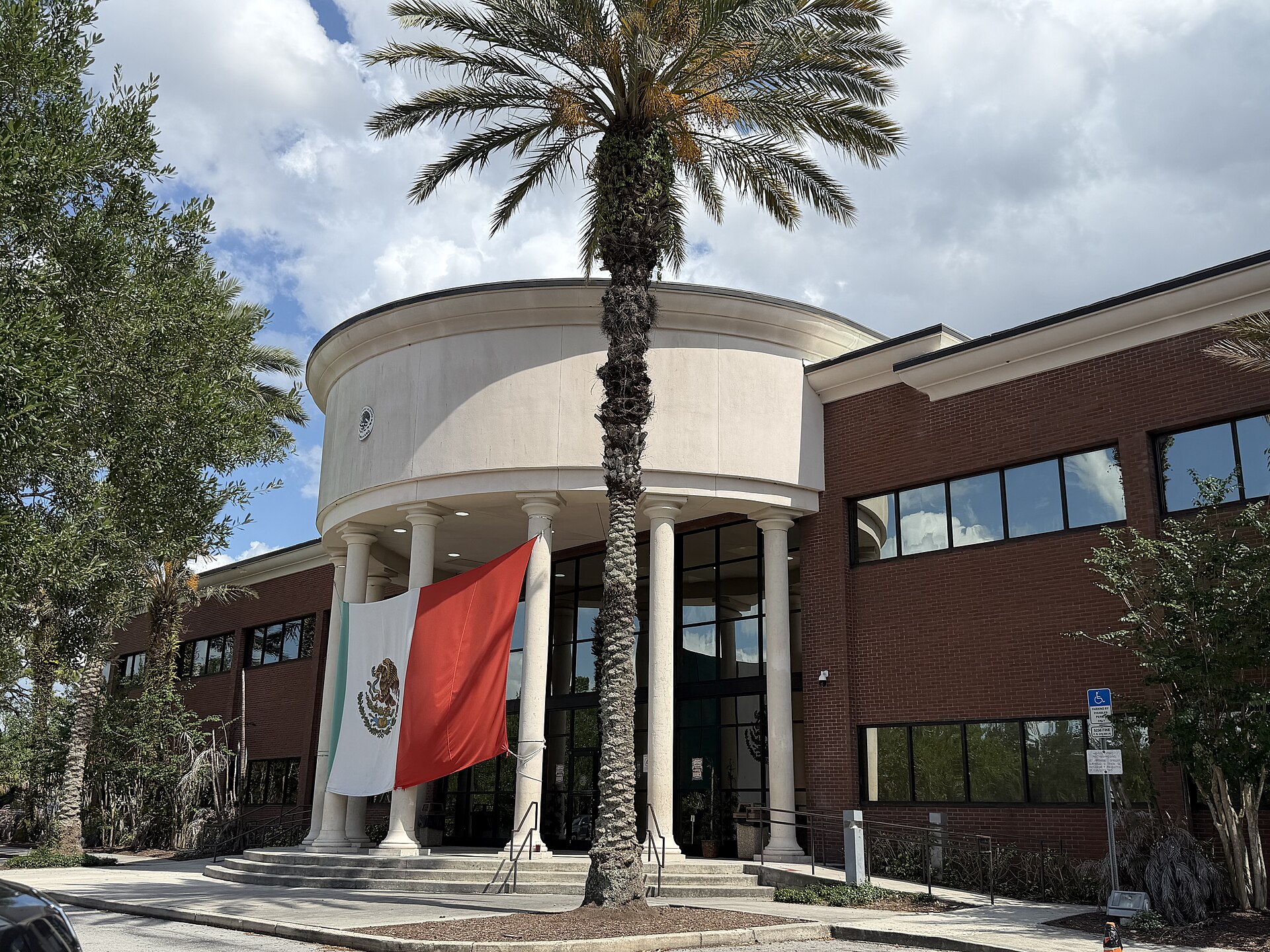
Procedures differ by post. The Las Vegas consulate, for example, takes appointment requests by e-mail.
Bring your valid passport, the completed visa application form, and original bank or investment statements for the full six or twelve months. Pension or employment letters should state the monthly amount.
The visa is issued only after a consular interview, and the guidelines give the consulate up to ten working days to decide. The Las Vegas and Tucson consulates list a visa fee of US$56.
Keep a copy of every document you hand in. The Las Vegas consulate asks for statements split by month, with verification letters from the bank.
Step two: enter Mexico and start the canje
The resident visa is valid for 180 days and allows a single entry. You must use it within that window or start again.
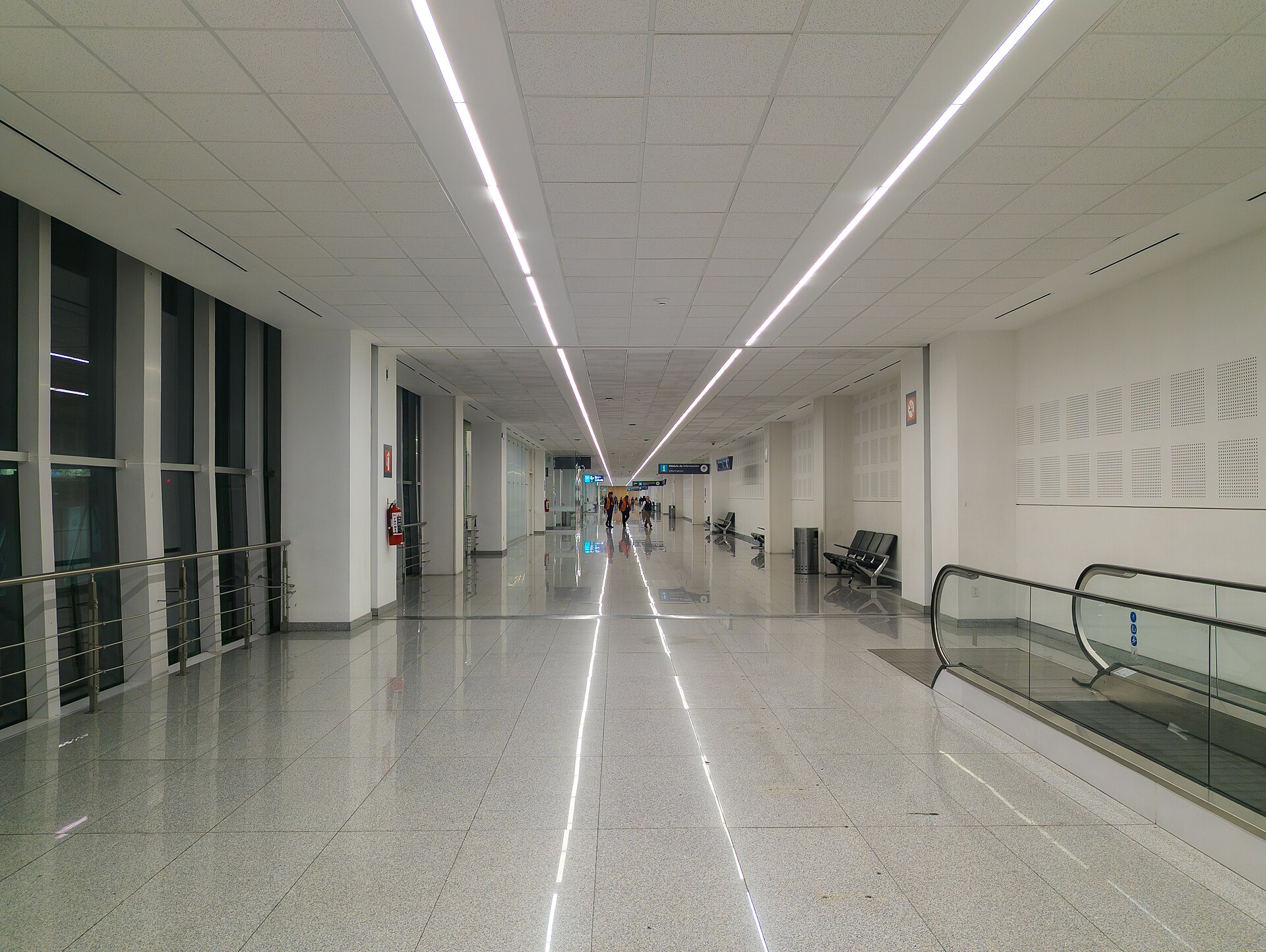
On arrival, have the officer mark your entry for exchange. Show the passport with the visa at the immigration desk. Mexican embassies stress that they do not issue or renew residence cards.
You then have 30 calendar days from the day you enter to apply to INM for the residence card. Treat that deadline as fixed.
INM’s exchange requirements list your passport, the entry record, the consular visa, a basic application form and proof that you paid the fee. Expect fingerprints and photographs at the appointment.
The Rio Times reported in September 2026 that residence cards in Mexico City were taking four to six weeks. Book the INM appointment as soon as you land.
What residency in Mexico costs in 2026
Government fees for residence cards more than doubled on 1 January 2026. The new amounts come from a reform of the Federal Fees Law published on 7 November 2025.
A temporary resident card now costs 11,140.74 pesos (about US$622) for up to one year. Two years cost 16,693.36 pesos (about US$933).
Three years cost 21,142.58 pesos (about US$1,181). Four years cost 25,057.82 pesos (about US$1,400).
A permanent resident card costs 13,578.96 pesos (about US$759). It is paid once, because the adult card does not expire.
The same reform halves the card fee in some cases. These are family unity, a job offer from a registered employer, or an unpaid invitation from an institution.
As an example, a one-year card followed by a three-year renewal adds up to 32,283.32 pesos (about US$1,804). Moving to permanent status after that brings the total to 45,862.28 pesos (about US$2,562), before the consular fee.
Translations, apostilles, lawyers and travel to the consulate are extra. They vary too widely to put a single figure on them.
Renewals, travel and the path to permanent residency
A temporary card can be issued for one, two, three or four years. The regulation lets you request renewals in the 30 calendar days before expiry, up to four years in total.
A renewal needs three things. These are your current card, a signed statement that nothing has changed, and proof of the fee. You must appear in person.
If your card expires while you are abroad, the regulation lets you re-enter within 55 calendar days of expiry. You must then file for renewal within five working days.
After four years as a temporary resident, you can apply to change to permanent status inside Mexico. The regulation requires a valid card, the fee and the specific requirements of the new status.
A permanent card for an adult has no expiry date, and it carries permission to work. Children’s cards follow separate renewal rules.
Common mistakes that cost time
Showing gross instead of net income is a frequent problem. The guidelines ask for monthly income free of taxes, so check your statements after deductions.
Another is a savings balance that dips below the threshold for part of the year. The test uses the average monthly balance over twelve months, so a late deposit may not count in full.
Some applicants enter Mexico with the visa but treat the canje as optional. It is not, and the 30-day clock runs from your arrival date.
Finally, many rely on figures from blogs written before 2026. Use the consulate’s own page and INM’s fee schedule on the day you apply.
What this means for you
Residency in Mexico remains within reach for a retiree or remote worker with a steady, documented income. The key is to match the exact test of the consulate you choose.
Plan for three stages: the consulate interview, the 30-day canje window, and the renewals. Budget about US$622 or more in card fees for the first year, plus the consular fee.
If you qualify for permanent residency from the start, you skip the renewals. That saves both fees and appointments over the following four years.
Connected Coverage
Mexico Visa and Residency in 2026: What the Rules Now Require
Mexico City Residence Cards Now Take 4 to 6 Weeks: What Expats Should Know About INM Delays
Mexico’s 2026 Residency Fees Doubled: What Expats Now Pay
Mexico’s “Digital Nomad Visa”: The 2026 Reality for Remote Workers
Sources: Visa guidelines of the Interior and Foreign ministries (DOF, 25 July 2025), INEGI, the Federal Fees Law reform (DOF, 7 November 2025), the Migration Law and its regulation, INM, and the Las Vegas, Tucson and Trinidad and Tobago consular pages; exchange rate from open.er-api. All accessed 19 September 2026.
- consulmex.sre.gob.mx
- inegi.org.mx
- bdomexico.com
- diputados.gob.mx
- diputados.gob.mx
- diputados.gob.mx
- inm.gob.mx
- consulmex.sre.gob.mx
- consulmex.sre.gob.mx
- embamex.sre.gob.mx
- clarkhill.com
- open.er-api.com
What Is Not Known
It is not known when every consulate will align its posted dollar amounts with the 2026 UMA values. Some pages still show figures that do not match the arithmetic, and consulates use their own exchange rates.
How strictly each consulate reads the documents is also not fixed in public. Officers judge statements and letters case by case, and the interview result decides the visa.
Processing times at INM offices are not published as official statistics. The four-to-six-week delay in Mexico City comes from relocation trackers and practitioners, and other offices may be faster or slower.
How INM applies the 50 percent fee reduction in practice is not fully clear. The law names the categories, but formal guidance on proof was still pending when legal advisers reviewed the reform.
The UMA is updated every February. The 2027 value, and therefore next year’s peso thresholds, has not been set.
More: Mexico news in English, every day from The Rio Times.
Frequently Asked Questions
How much income do I need for temporary residency in Mexico in 2026?
The visa guidelines ask for net monthly income above 680 days of UMA over the last six months. With the UMA at 117.31 pesos a day from 1 February 2026, that is 79,771 pesos, or about US$4,457. The alternative is an average savings balance of 11,460 days of UMA over twelve months, about US$75,107.
How much pension do I need for permanent residency in Mexico?
Retirees need a net pension above 1,140 days of UMA over six months, which is 133,733 pesos or about US$7,471 a month. They can instead show average savings of 45,850 days of UMA over twelve months, about US$300,497. Some consulates post different dollar figures, such as US$7,322 at Tucson.
What does a Mexican residence card cost in 2026?
A one-year temporary card costs 11,140.74 pesos, about US$622, and a four-year card 25,057.82 pesos, about US$1,400. A permanent card costs 13,578.96 pesos, about US$759. The consular visa fee is US$56 at posts such as Las Vegas and Tucson.
How long do I have to exchange the visa for a residence card?
You must apply to the National Migration Institute within 30 calendar days of entering Mexico. The resident visa itself is valid for 180 days and allows one entry. The Rio Times reported that cards in Mexico City were taking four to six weeks in September 2026.
Can I work in Mexico as a temporary resident?
Only with a work permit, which the Migration Law ties to a job offer. Temporary residency by economic solvency does not by itself allow work for a Mexican employer. A permanent resident card for an adult carries permission to work.
When can a temporary resident switch to permanent residency?
After four years as a temporary resident, the Migration Law allows a change to permanent status. You apply inside Mexico with a valid card, the fee and the requirements of the new status. Retirees who meet the pension test can apply for permanent residency from the start.
This article was produced by The Rio Times’ automated newsroom system. How we use AI · Report an error · Editorial responsibility: Matthias Camenzind, Editor-in-Chief