
MEXICO · ECONOMY · PUBLIC FINANCES
Key Facts
- The country Mexico, Latin America’s second-largest economy, is led by President Claudia Sheinbaum; Finance Minister is Édgar Amador.
- What happened Mexico’s Finance Ministry put the January-September budget deficit at 968.5 billion pesos (about US$52 billion).
- Versus plan That is below the programmed deficit, though 23.1% above a year earlier before inflation.
- The debt The broadest debt measure stands at 19.55 trillion pesos (US$1.05 trillion), or 52.6% of GDP.
- The goal The government keeps its 2026 deficit target of 4.1% of GDP and expects debt near 54%.
- Power Index Mexico ranks 2nd of 14 in The Rio Times Latin America Power Index, with 71.4 points (October 2026 edition).
Mexico’s public-sector budget deficit reached 968.5 billion pesos (about US$52 billion) in the first nine months of 2026, the Finance Ministry (Hacienda) said on Friday 30 October 2026. The gap is smaller than the budget programmed for the period, but 23.1% larger than a year earlier before inflation.
For US investors who hold Mexican bonds or debt of Pemex, the state oil company, the report shows a government that is missing on revenue yet still meeting its deficit goal. Our earlier look at Mexico’s deficit through August shows how the picture has moved in one month.
What Happened
Hacienda published its third-quarter report on the economy, public finances and public debt, which is the quarterly update that follows the monthly numbers. The Fiscal Balance row for September in our economic calendar listed a prior reading of -737.3 billion pesos and no analyst forecast.
We could not match that prior reading to a published Hacienda series, so we do not use it to work out a figure for September alone. The ministry’s headline number is the nine-month total of 968.5 billion pesos.
In Plain English
- Budget deficit: the gap between what the federal government and its public companies take in and what they spend.
- RFSP: Mexico’s broadest debt gauge, which adds public companies, development banks and other obligations to the government’s own debt.
- Real terms: numbers adjusted for inflation, while nominal numbers are not.
Why the Deficit Stayed Below Plan
Total public revenue was 6.3 trillion pesos (about US$339 billion), down 2.8% after inflation, but spending fell short of its plan by more than revenue did. Total spending was 0.4% lower in real terms than in the first nine months of 2025.
The main drag was oil income, which fell 21.5% in real terms because 2025 included a one-time extra government payment to Pemex, the state oil company. Without that base effect, Hacienda says oil revenue would have grown 8.1%.
Tax revenue rose 0.7% in real terms. Value-added tax (IVA) collection jumped 12%, while income tax (ISR) fell 5.3%.
Interest and other financial costs were 959 billion pesos (about US$51.6 billion), down 3.7% in real terms. Hacienda ties the fall to a stronger peso, interest-rate conditions and debt-swap operations.
Where the Money Went
Social spending rose 7.4% in real terms. Spending on physical investment, such as roads and hospitals, grew 8%.
Debt and the Pemex Question
The RFSP stood at 19.55 trillion pesos (about US$1.05 trillion) at the end of September, which is 52.6% of GDP, the same share as at the end of 2025. In real terms the balance grew 4.5% from a year earlier and 5.3% in nominal terms since December.
Hacienda says most of the debt is in pesos, at fixed rates and with long maturities. Finance Minister Édgar Amador kept the 2026 deficit target at 4.1% of GDP and expects debt to end the year near 54%.
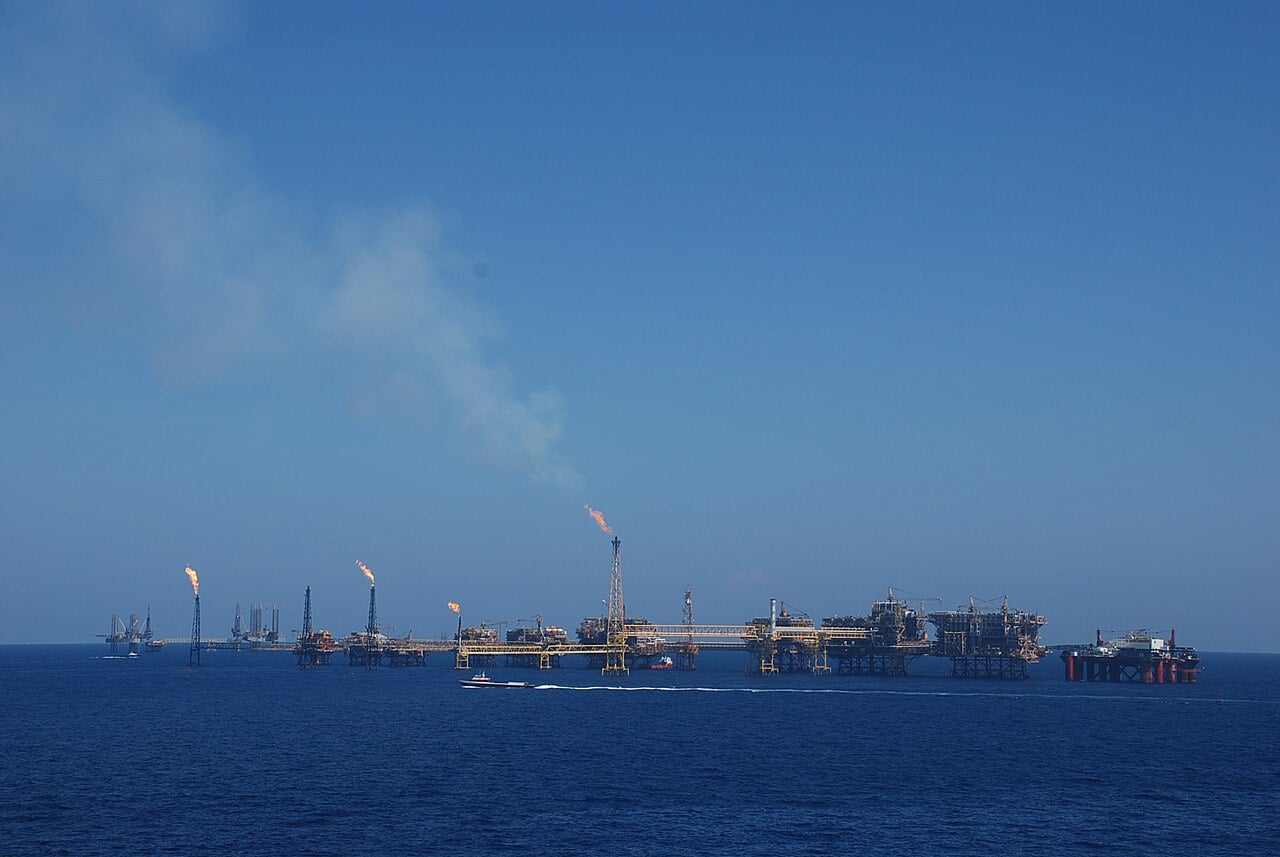
Pemex shaped the oil numbers because 2025 included an extraordinary government contribution to the company. We could not confirm how much federal support Pemex received through September.
Our report on the fall in Pemex debt explains how the company says it cut its borrowing. The 2027 budget path will matter more for bond buyers than this one report.
What It Means for You
If you own Mexican government bonds through a US fund, the report supports the case that Mexico is meeting its targets without new borrowing shocks. Finance Minister Édgar Amador says most of the debt is in pesos, which lowers exposure to currency swings.
A deficit of 4.1% of GDP is still high, and debt near 54% leaves less room if growth or oil prices fall. For US travelers and businesses the report changes nothing directly, but it shapes how much Mexico can spend on roads, health care and security in 2027.
The report also arrived alongside a growth surprise, since INEGI said the economy grew 0.9% in the third quarter. Our report on the 2027 revenue law shows how the same government plans to raise money next year.
What Would Change the Picture
Weaker oil income or a fall in income tax would widen the deficit, because both are already running below last year. A new US tariff round or a weaker peso would change debt costs, since Hacienda ties lower interest costs partly to a stronger peso.
Faster growth would help, because tax revenue follows output with a delay. A new extraordinary payment to Pemex would raise the 2026 deficit even if it cut Pemex’s own debt.
What Is Not Known
It is not known how much support Pemex received through September, or whether Pemex will need another one-time payment before the year ends. The September-only deficit is also not part of the headline numbers we reviewed.
We could not confirm which measure the calendar’s prior reading of -737.3 billion pesos refers to, so we draw no September figure from it. Whether Hacienda can reach 4.1% of GDP depends on revenue in the last quarter, which the report does not forecast.
More: Mexico news in English, every day from The Rio Times.
Frequently Asked Questions
How Big Is Mexico’s Deficit in 2026?
Mexico’s budget deficit was 968.5 billion pesos (about US$52 billion) from January to September 2026. The government targets 4.1% of GDP for the full year.
Is Mexico Meeting Its Deficit Target?
The nine-month deficit is below the programmed level, and Finance Minister Édgar Amador keeps the 4.1% goal. Revenue is weak, but spending fell by more.
How High Is Mexico’s Public Debt?
The broadest measure, called RFSP, is 19.55 trillion pesos (about US$1.05 trillion), or 52.6% of GDP. Hacienda expects it near 54% by year-end.
Why Did Mexico’s Oil Revenue Fall 21.5%?
Hacienda says 2025 included a one-time extra payment to Pemex, which makes the comparison hard. Without it, oil revenue would have grown 8.1%.
Sources: Ministry of Finance and Public Credit of Mexico (SHCP), Informes sobre la Situación Económica, las Finanzas Públicas y la Deuda Pública, third quarter 2026, 30 October 2026; INEGI, flash GDP estimate, bulletin 673/26, 30 October 2026.
In depth
Editorial responsibility: Matthias Camenzind, Editor-in-Chief · Editorial standards · Report an error