Who Runs Colombia’s Economy, the Key Players in 2026
A new conservative government, an inflation-fighting central bank, a state oil giant and a few banking families decide where Colombia’s money goes.
COLOMBIA · ECONOMY
Key Facts
- The country 53.4 million people (World Bank, 2025); GDP about US$457 billion.
- Who governs President Abelardo de la Espriella, a conservative, since 7 August 2026.
- Interest rates Central bank rate 12.25% since 1 October; September inflation 6.29%.
- The state giant Government entities own 88.49% of oil company Ecopetrol (September 2026).
- The families Luis Carlos Sarmiento Angulo controls Grupo Aval with 97.9% of voting shares.
- Prediction markets Kalshi gives 15% to a 2027 minimum wage rise beating inflation by over 4 points (9 October, 5:07 a.m. ET).
A new conservative government, an inflation-fighting central bank, a state oil giant and a few banking families decide where Colombia’s money goes.
The Colombia economy, worth about US$457 billion in 2025 by World Bank data, is steered by a short list of players. They are the government, the central bank, state oil company Ecopetrol, three banking groups and the families behind them.
Three of those companies trade on the New York Stock Exchange, so their fortunes reach American portfolios. This guide sets out who controls what, as of October 2026, with every figure dated.
The Colombia Economy at a Glance
Colombia had about 53.4 million people in 2025, World Bank figures show. Its output that year was about US$457 billion, or roughly US$8,600 per person.
Growth has picked up. DANE, the national statistics office, said on Tuesday, 18 August 2026, that output grew 3.5% year on year in the second quarter.
The biggest push came from public administration, defence, education and health, which together grew 10.0%. That block alone added 1.7 percentage points, so state-linked activity delivered almost half of the growth.
The details are in the Rio Times report on second-quarter growth led by public spending. Trade and transport added another 0.5 points.
Prices are the weak spot. Annual inflation reached 6.29% in September 2026, according to DANE data published by the central bank, against an official target of 3%.
More news on prices, the peso and politics is collected on the Rio Times Colombia page.
The Referees: The President, the Treasury and the Central Bank
Abelardo de la Espriella, a conservative, was sworn in as president on Friday, 7 August 2026, for a term to 2030. He won the runoff on Sunday, 21 June, according to the preliminary count reported by Colombian media.
His first moves, including a security crackdown, are covered in the Rio Times report on Colombia’s new president. The foreign-policy picture is set out in the guide to Colombia geopolitics.
Economic policy runs through the Ministry of Finance and Public Credit. The minister is Miguel Gómez Martínez, an economist and former head of Bancoldéx, the state business development bank.
The ministry writes the budget and holds the state’s company stakes. On Wednesday, 7 October 2026, it issued Decree 1490, which removes a 30% cap on pension fund investments abroad.
In early October it also filed a royalties budget of COP 27.5 trillion (about US$8.5 billion) for 2027 and 2028. Royalties are what oil and mining companies pay the state for extracting its resources.
Interest rates are set by the Banco de la República, known as BanRep, an autonomous central bank. Its seven-member board is chaired by the finance minister and includes governor Leonardo Villar and five full-time co-directors.
On Wednesday, 30 September 2026, the board voted by majority to raise the policy rate by 0.25 points to 12.25%. The new rate took effect on 1 October, and the next decision is due on Friday, 30 October.
A rate of 12.25% makes borrowing expensive for households and companies. It also keeps returns on peso deposits high, which tends to support the currency.

Live Company IntelligenceEcopetrol SA ADR — the full investor dossier
Ecopetrol and the State’s Corporate Empire
Ecopetrol, the national oil company, sits at the centre of the state’s portfolio. Government entities owned 88.49% of its shares on 8 September 2026, the company’s shareholder register shows.
JPMorgan Chase Bank, as depositary for its American depositary receipts, held 2.77%, and Colombian pension funds hold smaller stakes. American depositary receipts, or ADRs, let US investors buy foreign shares in dollars.
Ecopetrol’s ADRs trade in New York under the ticker EC. Its chief executive is Joaquín Gutiérrez Caballero, according to the company’s executive team page in September 2026.
Six of the nine board members joined on Tuesday, 15 September 2026, about five weeks after the new government took office. Because the state holds the majority, the government in practice decides who sits on that board.
Friction between the new leadership and the press is covered in the Rio Times report on Ecopetrol’s chairman and two Colombian outlets.Ecopetrol aims to keep production between 700,000 and 750,000 barrels of oil equivalent a day through 2040, its 2025 annual report says.
It owns the Cartagena refinery outright and 72.65% of Ocensa, the Oleoducto Central crude pipeline company. In August 2021 Ecopetrol bought 51.4% of ISA, Interconexión Eléctrica, from the Finance Ministry.
ISA runs electricity transmission and toll-road concessions. The company also has a US foothold.
Since 2019 it has operated in the Permian Basin through an alliance with Occidental Petroleum, the Houston-based oil producer. That structure makes Ecopetrol the main channel between oil prices and public finances.
When crude rises, dividends and taxes flowing to the state tend to rise with it.

The Banks and the Families Behind Them
Banks dominate Colombian finance. They held 93.9% of the assets of Colombian credit institutions in December 2025, according to Grupo Cibest’s annual report.
Grupo Aval, a Bogotá holding company, is controlled by Luis Carlos Sarmiento Angulo. He beneficially owned 97.9% of its common shares on 10 April 2026, its annual report to US regulators says.
Luis Carlos Sarmiento Gutiérrez chairs Aval’s board, and María Lorena Gutiérrez is its president. The group owns Banco de Bogotá, Banco de Occidente, Banco Popular and Banco AV Villas.
Aval also controls the financial corporation Corficolombiana and the pension fund Porvenir. It says it is Colombia’s largest banking group by consumer loans, and its ADRs trade in New York as AVAL.
At the end of 2025, 94.6% of Aval’s consolidated assets were in Colombia and 5.4% in Panama, the filing shows. Banks are also competing over digital payments, as the Claro Pay move to Grupo Aval’s platform shows.
Grupo Cibest, created in 2025 as the holding company of Bancolombia, trades in New York as CIB. Its chief executive, Juan Carlos Mora Uribe, has also run Bancolombia since May 2016.
Cibest describes its network as Colombia’s largest non-government banking network. It also owns Banco Agrícola in El Salvador and a bank in Guatemala, and has agreed to sell Banistmo in Panama.
Cibest’s largest shareholder is Grupo Sura, with 46.16% of the common shares. Grupo Sura, led by chief executive Ricardo Jaramillo Mejía, is the Colombian holding company of the Sura–Bancolombia financial conglomerate.
Banco Davivienda, the third big name, announced in 2025 that it would integrate with Scotiabank Colpatria by 2026. Under the plan, Scotiabank takes a 20% stake in what Cibest calls Colombia’s second-largest bank.
What Colombia Sells: Oil, Coal, Coffee and More
Colombia exported US$4.46 billion of goods in August 2026, up 15.1% from a year earlier. DANE published the figures on Monday, 5 October.
Fuels and extractive products, such as oil and coal, made up 40.1% of that total. Farm goods, food and drinks, including coffee, made up 23.9%.
Manufactured goods accounted for 20.0% and other sectors for 16.0%. DANE said most of August’s growth came from that last, mixed group.
The first-half trend is covered in the Rio Times report on Colombian exports rising 14.2%. Oil links the export bill directly to Ecopetrol and to the state budget.
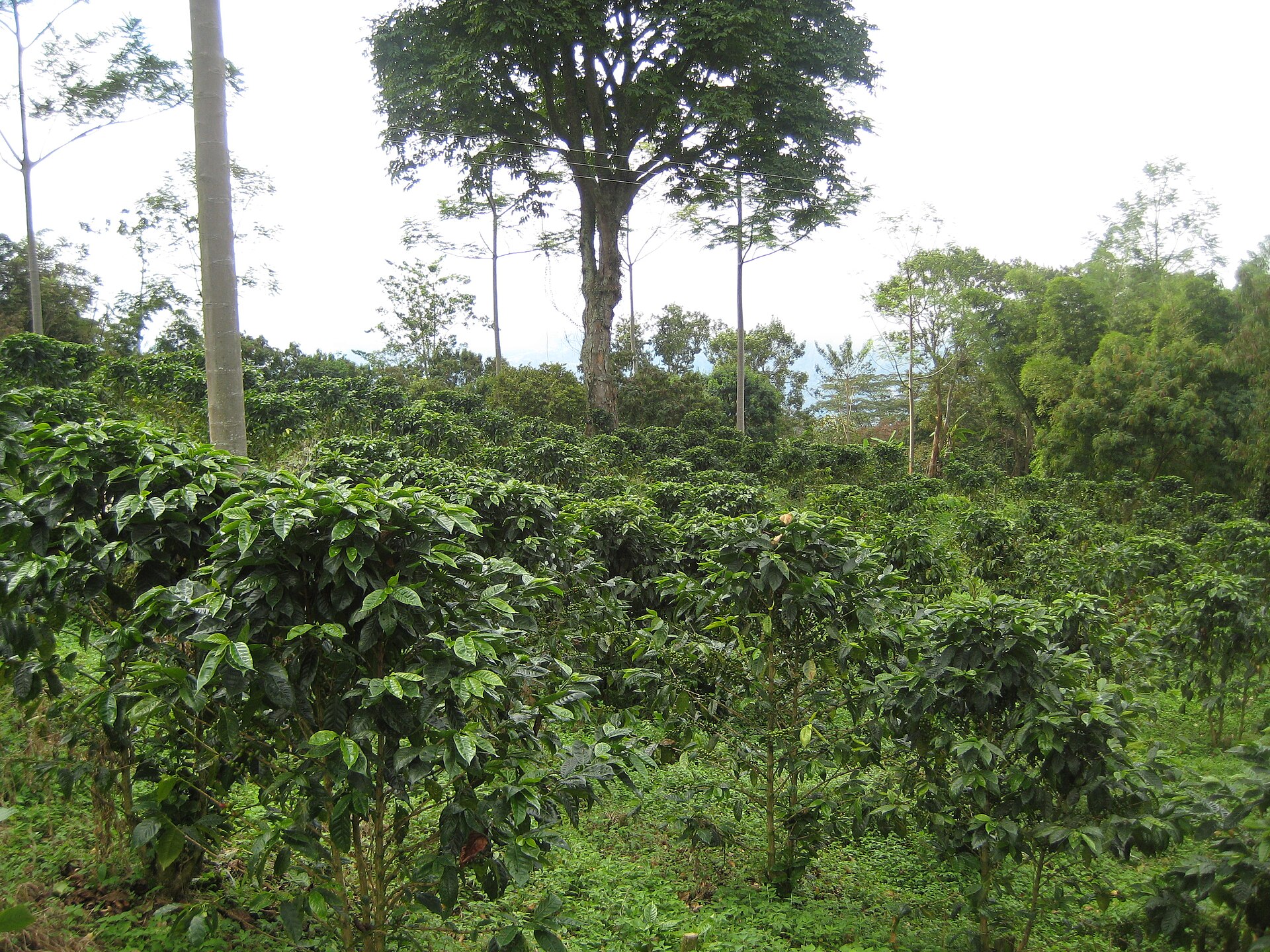
Coffee sits in the farm group, which ties export earnings to rural regions far from Bogotá. Those regions feel a change in world prices quickly, through farm incomes and local jobs.
The Stock Market, the Watchdog and the Pension Funds
Colombian shares trade on the Bolsa de Valores de Colombia, the national stock exchange. It is part of nuam, a regional holding that joins the Santiago, Lima and Colombian exchanges into a single market.
The main index is the MSCI COLCAP, which index funds track. An iShares fund linked to that index held 0.82% of Ecopetrol in September 2026, the company’s register shows.
Banks, insurers, pension funds and listed companies are supervised by the Superintendencia Financiera, known as the Superfinanciera. It also certifies the official daily dollar rate, the TRM.
The TRM stood at COP 3,218.75 per US dollar for Friday, 9 October 2026. Conversions in this guide use that rate.
Pension funds are among the biggest local investors. The mandatory funds run by Porvenir, owned by Grupo Aval, held more than 1.5% of Ecopetrol in September 2026.
Decree 1490 lets those funds put more money abroad. That could send more Colombian savings into foreign markets, including US stocks and bonds.
Wages, Workers and the Minimum Wage Fight
The minimum wage is one of the most political prices in Colombia. It is set each December by agreement between unions and employers or, failing that, by government decree.
For 2026, the government of Gustavo Petro, the leftist president until August, raised it 23% by Decree 1469 of December 2025. The Consejo de Estado, the top administrative court, provisionally suspended that decree on 12 February 2026.
A stopgap, Decree 159 of Thursday, 19 February 2026, kept the 23% rise at COP 1,750,905 a month (about US$544). The increase was COP 327,405 (about US$102).
On Friday, 17 July 2026, the court lifted the suspension and restored Decree 1469; the amount did not change. Talks for 2027 have begun, as the Rio Times reported in its minimum wage preview.
The decision will show whether the new government puts wage gains or lower inflation first.
What It Means for US Readers
Three Colombian groups trade in New York: Ecopetrol (EC), Grupo Cibest (CIB) and Grupo Aval (AVAL). Their prices react to oil, to BanRep’s rate and to policy choices in Bogotá.
Ecopetrol’s alliance with Occidental Petroleum ties the Colombian state to US shale output in the Permian Basin. Decisions by Ecopetrol’s new board can therefore matter in Texas as well as in Colombia.
High local rates and 6.29% inflation matter for anyone holding pesos or peso bonds. Any move in the TRM changes the dollar value of every Colombian asset.
For visitors and remote workers, the peso rate sets the cost of a stay. At the 9 October rate, the 2026 monthly minimum wage equals about US$544.
What Prediction Markets Say
Kalshi, a US exchange regulated by the Commodity Futures Trading Commission, lists a market on Colombia’s 2027 minimum wage. It is titled “Colombia minimum wage growth minus inflation in 2027.”
At 5:07 a.m. ET on Friday, 9 October, the outcome “above 4.00 percentage points” traded at 15%. In other words, bettors see a large real wage rise as unlikely, though not ruled out.
Why we show this: prediction markets turn real-money bets into a live probability that moves within minutes of the news, which is why investors, campaigns and newsrooms in the United States now follow them closely. We show them next to polls and official results, never instead of them.
What Is Not Known
Whether the Davivienda and Scotiabank Colpatria integration closed as planned in 2026 could not be confirmed from primary sources. The chair of Ecopetrol’s new board could not be confirmed from company documents either.
Stakes of other family groups often called powerful, such as the Gilinski, Santo Domingo and Ardila Lülle families, are not covered here. They could not be confirmed in primary filings.
The 2027 minimum wage and the Consejo de Estado’s final ruling on the 2026 decree are still pending. BanRep’s next rate decision is due on 30 October 2026.
Frequently Asked Questions
Who runs Colombia’s economy?
Economic policy runs through President Abelardo de la Espriella’s Finance Ministry, while the central bank sets interest rates independently. State oil company Ecopetrol and the Aval, Cibest and Davivienda banking groups are among the main corporate players.
What is Colombia’s interest rate in October 2026?
The Banco de la República’s policy rate is 12.25%, in force since 1 October 2026. The board raised it by 0.25 points on 30 September and meets again on 30 October.
Who owns Ecopetrol?
Government entities held 88.49% of Ecopetrol’s shares on 8 September 2026. The rest trades on the Colombian exchange and, as ADRs, on the New York Stock Exchange.
Who controls Grupo Aval?
Luis Carlos Sarmiento Angulo beneficially owned 97.9% of Grupo Aval’s common shares as of 10 April 2026. Aval owns Banco de Bogotá, Banco de Occidente, Banco Popular, Banco AV Villas and the pension fund Porvenir.
What does Colombia export?
In August 2026, fuels and extractive products such as oil and coal made up 40.1% of goods exports, DANE says. Farm goods, food and drinks made up 23.9%, and manufactures 20.0%.
Can Americans invest in Colombian companies?
Yes. Ecopetrol, Grupo Cibest, the parent of Bancolombia, and Grupo Aval trade on the New York Stock Exchange as EC, CIB and AVAL.
What is the minimum wage in Colombia in 2026?
The 2026 monthly minimum wage is COP 1,750,905 (about US$544), a 23% rise under Decree 1469, in force again since July 2026. The 2027 figure is due to be set in December 2026.
Sources: Banco de la República (policy rate, inflation); Banco de la República, board of directors; DANE, GDP second quarter 2026; DANE, exports August 2026; Ministry of Finance and Public Credit; Ecopetrol, ownership; Ecopetrol, executive team; Ecopetrol, board; Ecopetrol Form 20-F 2025; Grupo Aval Form 20-F 2025; Grupo Cibest Form 20-F 2025; Superfinanciera TRM via datos.gov.co; nuam; World Bank, Colombia; Decree 159 of 2026 (text); Portafolio (Consejo de Estado, 17 July 2026);Vanguardia; Blu Radio; Kalshi market price as of 9 October 2026, 5:07 a.m. ET (all accessed 9 October 2026).
In depth
This article was produced by The Rio Times’ automated AI newsroom. Editorial responsibility: Matthias Camenzind, Publisher and Editor-in-Chief. The Rio Times also runs Ask Rio Times, which answers from 100,000+ of our own articles, the daily Latin America Power Map, and prediction-market odds on elections and markets.. How we use AI · Report an error
Expat Guide to Colombia
What The Rio Times publishes for foreigners who live in or move to Colombia.
Start here
- Colombia Healthcare and Education Explained for 2026
- Colombia SIM Card and Internet for Foreigners in 2026
- Colombia Rent Increase Limit Is 5.10% in 2026
- Bancolombia Explained, Colombia's Largest Bank in 2026
City guides
Medellín, Bogotá, Cartagena, Cali
Coming up in Colombia
- Dimash Plays Bogotá's Movistar Arena on 22 November, First Colombia Show 22 Nov
- Marco Antonio Solís Performs in Medellín on 27 November 27 Nov
- Blippi Kids Show Listed in Bogotá on 29 November 29 Nov
- IRONMAN 70.3 Cartagena on 29 November 2026 29 Nov
Understand Colombia