
COLOMBIA · MEDELLÍN BUDGET
Key Facts
- The country Colombia’s second city, Medellín, owns EPM, a utility group that sells electricity, water and gas and pays the city part of its yearly profit.
- What happened Medellín’s 2027 budget draft counts on about COP 1.5 trillion (about US$476 million) from EPM, against about COP 2.8 trillion (about US$888 million) in 2026.
- The cause Losses at Afinia, EPM’s power distributor on the Caribbean coast, and El Niño, which cut energy output, are the reasons given by city officials.
- The gap The city plans about COP 1 trillion (about US$317 million) in credits plus COP 465,406 million (about US$148 million) in bonds.
- What it means for you EPM keeps borrowing in dollars, and its owner city now faces a smaller payout and more debt.
- Still open The 2027 figure is a preliminary estimate, and the city council has not yet voted on the budget.
- Power Index Colombia ranks 6th of 14 in The Rio Times Latin America Power Index, with 51.9 points (October 2026 edition).
EPM transfers to Medellín are set to fall by almost half in 2027, Blu Radio reported on Wednesday 21 October 2026. EPM, or Empresas Públicas de Medellín, is the city-owned utility that sells power, water and gas and shares its profit with the city.
The draft budget counts on about COP 1.5 trillion (about US$476 million) for 2027, against roughly COP 2.8 trillion (about US$888 million) in 2026. For US readers, the drop shows strain at a major Colombian utility that signed a US$348.69 million loan with a French development agency in September.
What the Budget Draft Shows
Medellín’s mayor filed a 2027 budget of COP 12.14 trillion (about US$3.85 billion) with the city council, only 0.67% above 2026. El Colombiano reported the filing on 15 October 2026, and it is the last budget of Mayor Federico Gutiérrez’s term.
EPM transfers to Medellín are the weak spot, falling from about COP 2.8 trillion (about US$888 million) to COP 1.5 trillion (about US$476 million). That is a drop of more than COP 1 trillion, which Finance Secretary Orlando Uribe Villa links to El Niño and Afinia’s troubles.
Why the Money Is Shrinking
Officials blame Afinia losses and El Niño, the weather pattern that cut rainfall and energy generation, for the lower EPM transfers to Medellín in 2027. Afinia is the EPM unit that sells power to homes and businesses in four Caribbean-region departments, or states: Bolívar, Córdoba, Sucre and Cesar.
Gutiérrez, who is also chairman of EPM’s board, says Afinia collects only 57% of what it bills, because of theft, evasion and unpaid bills. He has said the unit needs about COP 1.2 trillion (about US$381 million) to avoid rationing.
The Afinia Problem
Alejandro De Bedout, president of the Medellín council, put the collection shortfall at about COP 360 billion (about US$114 million) a year. He said informal neighbourhoods pay only 5% to 6% of their bills and that EPM alone carries the burden.
EPM invested COP 3.2 trillion (about US$1.01 billion) in Afinia, and Gutiérrez says it would sell for that price. After meeting President Abelardo de la Espriella in Barranquilla in late September 2026, he said the national government has no plan to take Afinia over.
How Medellín Plans to Fill the Gap
The city plans to borrow, with about COP 1 trillion (about US$317 million) in credits for 25 projects. It also plans COP 465,406 million (about US$148 million) in so-called thematic bonds for six projects, El Colombiano reported.
Council member Damián Pérez, who coordinates the budget’s reviewers, says the money will pay for investment and not for running costs. Uribe Villa says the loans rest on the district’s own capacity and would not affect the indicators that the national government monitors.
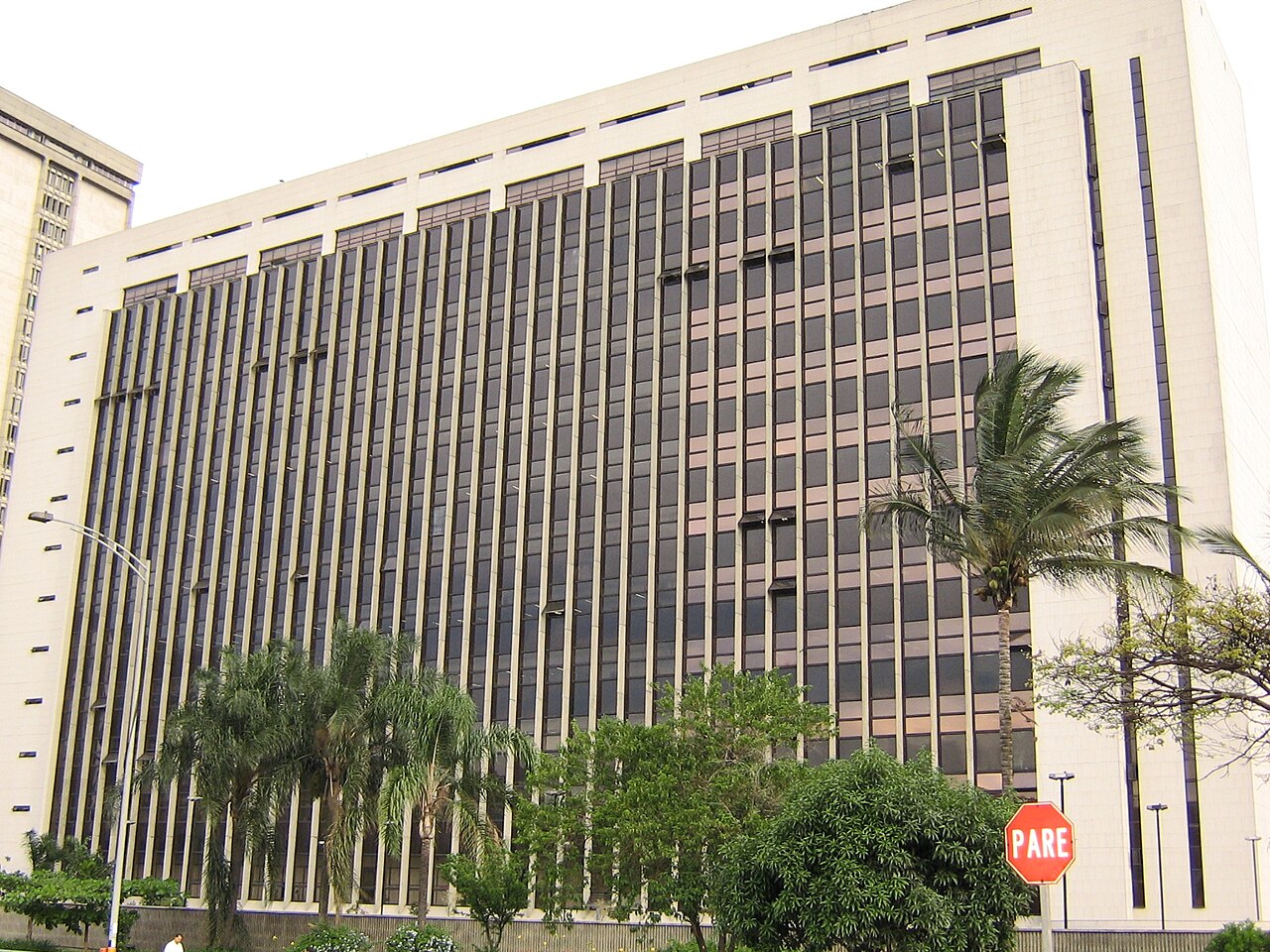
Why EPM Transfers to Medellín Matter
EPM sends Medellín a share of its annual profit, which the city receives like a dividend from its own company. The money helps fund education, health, roads, mobility, social programmes and the environment, so EPM transfers to Medellín shape the city’s spending.
EPM paid the city COP 2.6 trillion (about US$824 million) for 2025 and announced COP 2.8 trillion (about US$888 million) for 2026. Our earlier report on Hidroituango’s first profits covers the giant dam that EPM owns.
What It Means for US Readers
For investors in Colombian debt, falling EPM transfers to Medellín show how one weak distribution unit can reach into a healthy parent and its owner. EPM keeps borrowing abroad, including a US$348.69 million loan from the French development agency AFD that it announced on 11 September 2026.
That loan is priced off Term SOFR, a benchmark interest rate for US dollar borrowing. Americans who live in or visit Medellín may also notice the pressure, since the city is already managing water rationing linked to El Niño.
What Is Not Known
Blu Radio’s headline speaks of a cut of almost COP 1.5 trillion (about US$476 million), which matches the 2027 figure itself. El Colombiano puts the drop at more than COP 1 trillion (about US$317 million), and officials call the 2027 number a preliminary estimate.
EPM has not yet announced its own 2027 budget or payout to the city. No sale of Afinia has been announced, so it is unclear how much the unit’s losses will weigh on later years.
What Comes Next
The city council opens its review with a first presentation in late October, followed by committee sessions. Telemedellín reported that the second debate is set for 28 November 2026.
The council must vote before 30 November 2026. The vote will show whether the EPM transfers to Medellín estimate and the borrowing plan survive the debate.
More: Colombia news in English, every day from The Rio Times.
Frequently Asked Questions
What is EPM?
EPM is Empresas Públicas de Medellín, a utility group owned by the city. Its profit-sharing payments, known as EPM transfers to Medellín, fund city programmes.
How much will EPM pay Medellín in 2027?
The draft budget counts on about COP 1.5 trillion (about US$476 million). That compares with roughly COP 2.8 trillion (about US$888 million) planned for 2026.
Why is the payment falling?
City officials point to losses at Afinia, EPM’s power distributor on the Caribbean coast, and to El Niño, which cut energy generation. They say neither was foreseen when the city planned its finances.
What is Afinia?
Afinia is an EPM subsidiary that sells electricity in Bolívar, Córdoba, Sucre and Cesar. Mayor Federico Gutiérrez says it collects only 57% of what it bills, which drags down EPM transfers to Medellín.
How will Medellín cover the shortfall?
The draft relies on COP 1 trillion (about US$317 million) in credits and COP 465,406 million (about US$148 million) in bonds. Council member Damián Pérez says the money is for investment, not running costs.
When will the budget be approved?
The city council must vote before 30 November 2026. Telemedellín reported that the second debate is set for 28 November.
Sources: Blu Radio, 21 October 2026; El Colombiano, 15 October 2026; Telemedellín, 15 October 2026; El Colombiano, 8 May 2026; EPM, 11 September 2026; La República, 26 September 2026; Blu Radio, 28 September 2026.
In depth
Editorial responsibility: Matthias Camenzind, Editor-in-Chief · Editorial standards · Report an error
LatAm Markets: Live Signals → — real-time movers, turnover leaders and FX across Latin America.
Living in or visiting Medellín? See this month's events and our Medellín city guide with rents, safety and upcoming concerts.