
COLOMBIA · JUSTICE
Key Facts
- The country Colombia, led by conservative President Abelardo de la Espriella, is still judging the crimes of its armed conflict.
- What happened On Friday 30 October 2026 the JEP, Colombia’s peace tribunal, charged 12 former army and police members with war crimes and crimes against humanity.
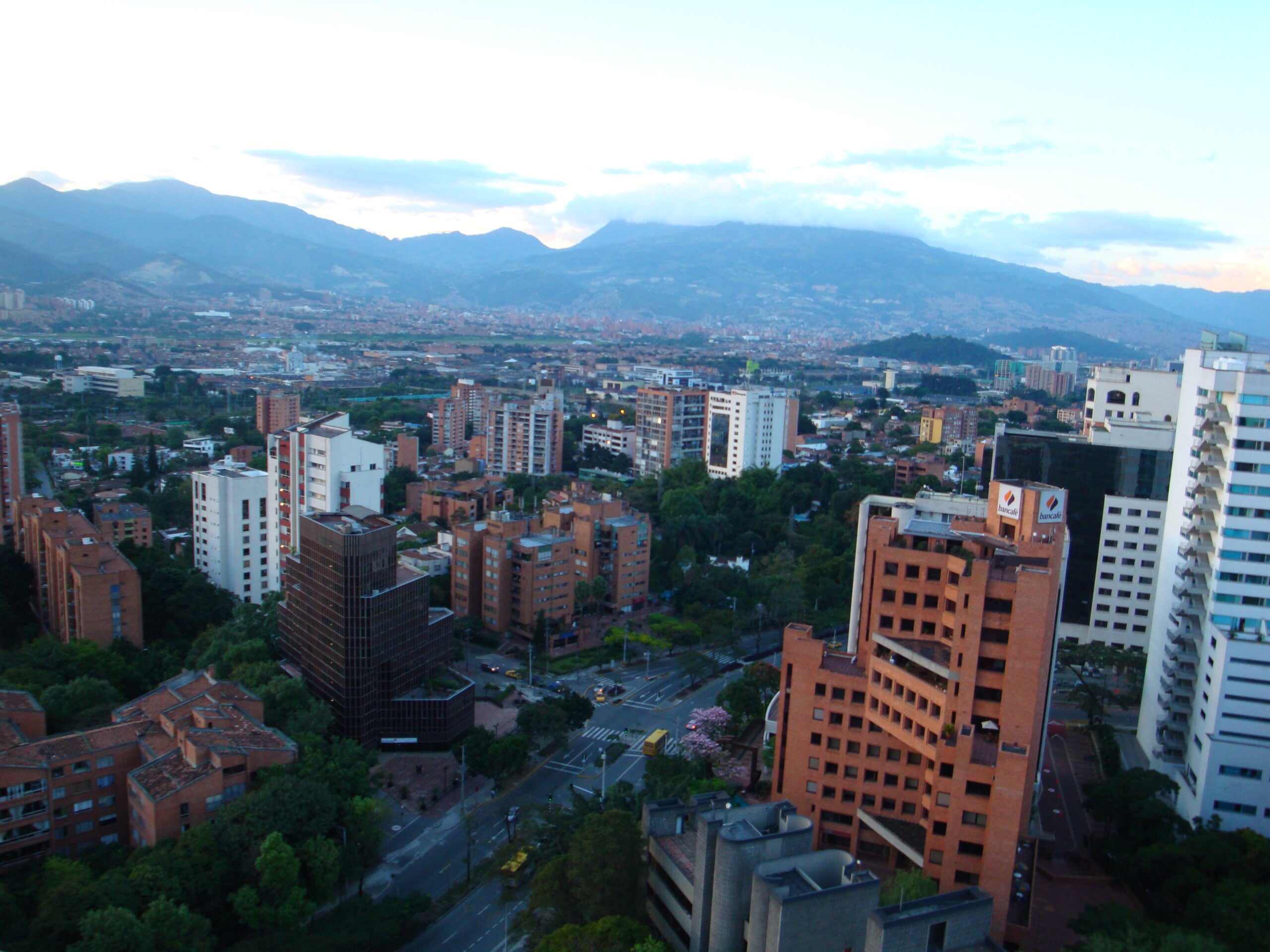
- The place The charges cover Comuna 13, a Medellín district, from 2001 to 2004, including Operation Orion in October 2002.
- The scale The JEP counts 891 victims in the area between 2001 and 2004, including 87 forced disappearances.
- Next step The 12 must now say whether they accept or reject the charges, and a conviction is not yet decided.
- Power Index Colombia ranks 6th of 14 in The Rio Times Latin America Power Index, with 51.9 points (October 2026 edition).
Colombia’s peace tribunal charged 12 former soldiers and police officers on Friday 30 October 2026 with war crimes and crimes against humanity in Medellín’s Comuna 13 district. Among them are two retired generals, Mario Montoya and José Leonardo Gallego.
For US readers, the case matters because Medellín is one of Colombia’s most visited cities and Comuna 13 is a well-known stop for foreign tourists. It also shows that Colombia’s transitional justice system is now judging state forces, not only former guerrillas.
What Happened
The JEP, short for Special Jurisdiction for Peace, is the court created by Colombia’s 2016 peace deal with the FARC guerrillas to judge the worst crimes of the conflict. Its Truth Recognition Chamber announced the charges in Case 08, in the Antioquia subcase, led by magistrate Óscar Parra.
Eight of the accused are former army members and four are former police. Three are named: retired general Mario Montoya, who commanded the army’s Fourth Brigade, retired general José Leonardo Gallego, a former commander of the Medellín metropolitan police, and retired colonel Darío Enrique Cortés Castillo, a former regional military intelligence chief.
What Operation Orion Was
Operation Orion began on 16 October 2002 and sent army, police and intelligence units into Comuna 13 to push out guerrilla militias. The JEP’s decision describes it as the largest urban military and police operation Colombia had seen up to that point.
The JEP’s charging decision describes crimes against civilians during the operation, and says a paramilitary group, the Cacique Nutibara Bloc, later consolidated control of the district. It alleges a pattern of treating residents as militia members and ties between some officers and paramilitaries.
The Crimes and the Numbers
The charges cover homicide, forced disappearance, forced displacement, torture, sexual violence, persecution and serious deprivation of liberty between 2001 and 2004. The JEP counts 891 victims between 2001 and 2004, among them 87 forced disappearances.
Montoya is charged as an author by omission, which means the tribunal says he failed to act to prevent attacks on civilians, arbitrary detentions, disappearances and torture. Gallego, the retired police general, faces the same kind of charge as an author by omission.
What Happens Next
The accused can accept or reject the charges in writing within a set number of working days. If they accept and tell the full truth, they go to the JEP’s Peace Tribunal, which can impose sanctions that restrict their freedom but are not ordinary prison terms.
If they refuse, the case moves to the JEP’s prosecution unit and can end in a trial, where sentences of up to 20 years in prison are possible. Our earlier report on the nine former rebels charged by the same court shows that the JEP is moving against both sides of the war.
What It Means for You
If you plan to visit Medellín, the charges concern events from 2001 to 2004 and do not change any travel advice we know of. Our Medellín city guide explains the district for visitors and expats.
For investors and US officials, the case is a test of whether Colombia can hold senior officers accountable without splitting the armed forces or Congress. The country’s politics are explained in our guide to Colombia’s key players.
What Is Not Known
It is not known whether the 12 will accept the charges, or what sanctions the Peace Tribunal might set if they do. The JEP has not announced a date for any hearing.
We name only three of the 12 accused. A charge is not a conviction, and each of the 12 may acknowledge or contest the facts.
More: Colombia news in English, every day from The Rio Times.
Frequently Asked Questions
Who Did the JEP Charge?
It charged 12 former army and police members, including retired generals Mario Montoya and José Leonardo Gallego. The charges are war crimes and crimes against humanity in Medellín’s Comuna 13.
What Is the JEP?
The JEP is Colombia’s peace tribunal, set up under the 2016 deal with the FARC. It judges the worst crimes of the armed conflict, by guerrillas and state forces alike.
What Was Operation Orion?
It was a military and police operation that began on 16 October 2002 in Comuna 13, Medellín. The JEP’s charging decision describes crimes against civilians during it.
Sources: Special Jurisdiction for Peace (JEP), Truth Recognition Chamber, Case 08, Antioquia subcase, charging decision on Comuna 13, 30 October 2026.
Editorial responsibility: Matthias Camenzind, Editor-in-Chief · Editorial standards · Report an error