Attack on Mali Army Camp at Dioura Kills at Least 100 Soldiers
Mali · SECURITY
Key Facts
- —What happened JNIM attacked the Dioura military camp in central Mali on 10 September 2026, killing at least 100 soldiers and five Russian Africa Corps personnel.
- —The claim JNIM said it captured 93 soldiers, while Malian authorities reported only that they had launched air-ground operations and neutralised dozens of attackers.
- —Where it sits Dioura is a key army position in Mopti region, where JNIM has expanded as the state retreats from parts of the Sahel.
- —Why it matters The presence of Russia-linked fighters shows Bamako’s reliance on Moscow after ending cooperation with France and deepening security ties with Russia.
- —What comes next The attack pressures Mali’s army and raises questions about the state’s security model in the wider Sahel power vacuum.
The Mali Dioura attack killed at least 100 soldiers and five Russian Africa Corps personnel, according to security, military and local sources cited by AFP. The 10 September 2026 assault by JNIM marks one of the deadliest blows to Mali’s army in the central Sahel.
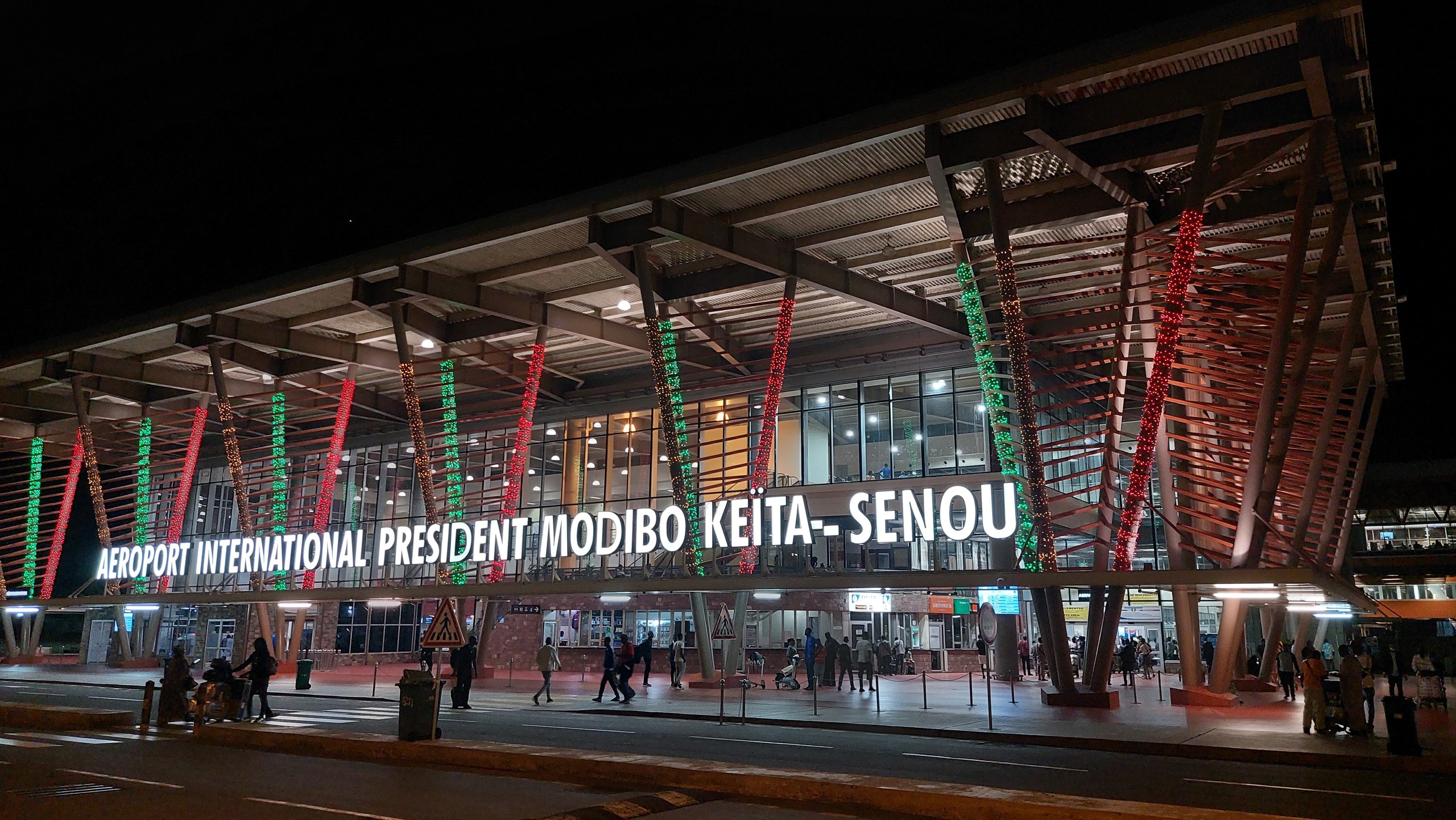
At least 100 Malian soldiers and five Russian Africa Corps personnel were killed in the 10 September 2026 assault on the Dioura military camp in central Mali. That toll comes from security, military and local sources cited by AFP. Earlier estimates had put the toll at 50, then between 60 and 80.
What happened at the Mali Dioura attack
JNIM, the Group for the Support of Islam and Muslims, struck the Dioura camp in Mopti region on 10 September 2026. The group claimed to have captured 93 soldiers during the operation.
Malian authorities publicly said only that they had launched air-ground operations and neutralised dozens of attackers. The government has not confirmed the full casualty figures reported by AFP-cited sources.
Dioura is a key army position in Mali’s central theatre. JNIM has expanded its reach there as the state retreats from parts of the Sahel.
The rising toll and the information gap
The death toll from the Mali Dioura attack has climbed steadily since the assault. Initial reports suggested around 50 dead, then sources revised the figure to between 60 and 80.
The latest AFP-cited estimate puts the number at more than 100 soldiers killed. Five Russian Africa Corps personnel also died in the same attack.
The gap between official statements and source-based reporting remains wide. Bamako has not released a detailed casualty list, while JNIM’s claim of 93 captured soldiers has not been independently verified.
Russia’s footprint and Mali’s shifting alliances
The presence of Russian Africa Corps personnel at Dioura underscores Bamako’s reliance on external military backing. Mali ended cooperation with France and has deepened security ties with Moscow.
Africa Corps personnel are part of Russia’s evolving footprint in the region. Their deaths in the attack highlight the risks of that partnership.
Mali’s junta now sits at the intersection of counterinsurgency financing, Russian influence, and the wider Sahel power vacuum. Jihadist violence is pressuring the army while the state’s security model has shifted away from Western partners.
The Sahel power vacuum and regional read-through
The Mali Dioura attack is not an isolated incident. It reflects a broader pattern of jihadist expansion across the Sahel as state authority weakens in remote areas.
JNIM has used the vacuum to consolidate control over rural zones in central Mali. Military camps like Dioura have become prime targets for high-casualty assaults.
For investors and professionals watching the region, the security deterioration carries direct consequences. Mining operations, transport corridors and local supply chains all face heightened risk.
The great-power contest in the Sahel
Mali’s turn toward Russia is part of a wider realignment in West Africa. Several Sahelian juntas have expelled French forces and welcomed Russian military support.
This shift has drawn the Sahel into the broader contest between Western powers and Moscow. The Africa Corps deaths at Dioura show that Russian-backed forces are now directly exposed to jihadist attacks.
The dynamic fits the pattern covered in our pillar on Africa: The New Scramble. Security partnerships, mineral access and political influence are increasingly intertwined across the continent.
What to watch next in Mali
The immediate question is whether Bamako will acknowledge the full scale of the losses. A detailed official statement would mark a shift from the current posture.
Military morale and recruitment are likely to suffer after such a heavy blow. The army’s ability to hold fixed positions in central Mali will face fresh scrutiny.
Russia’s response will also be closely watched. Moscow has invested heavily in its Sahel presence, and the Dioura losses may prompt a reassessment of force protection.
For now, the Mali Dioura attack stands as a stark reminder of the Sahel’s deepening insecurity. The state’s retreat and the jihadist advance continue to reshape the region’s security map.
Frequently Asked Questions
How many soldiers died in the Mali Dioura attack?
At least 100 Malian soldiers and five Russian Africa Corps personnel were killed, according to security, military and local sources cited by AFP.
Who carried out the Dioura camp attack?
JNIM, the Group for the Support of Islam and Muslims, claimed responsibility for the 10 September 2026 assault on the Dioura military camp.
What did Malian authorities say about the attack?
Malian authorities said they had launched air-ground operations and neutralised dozens of attackers, without confirming the full casualty figures.
Connected Coverage
Sources
This article was produced by The Rio Times’ automated newsroom system. How we use AI · Report an error
LatAm Markets: Live Signals → — real-time movers, turnover leaders and FX across Latin America.
Read More from The Rio Times