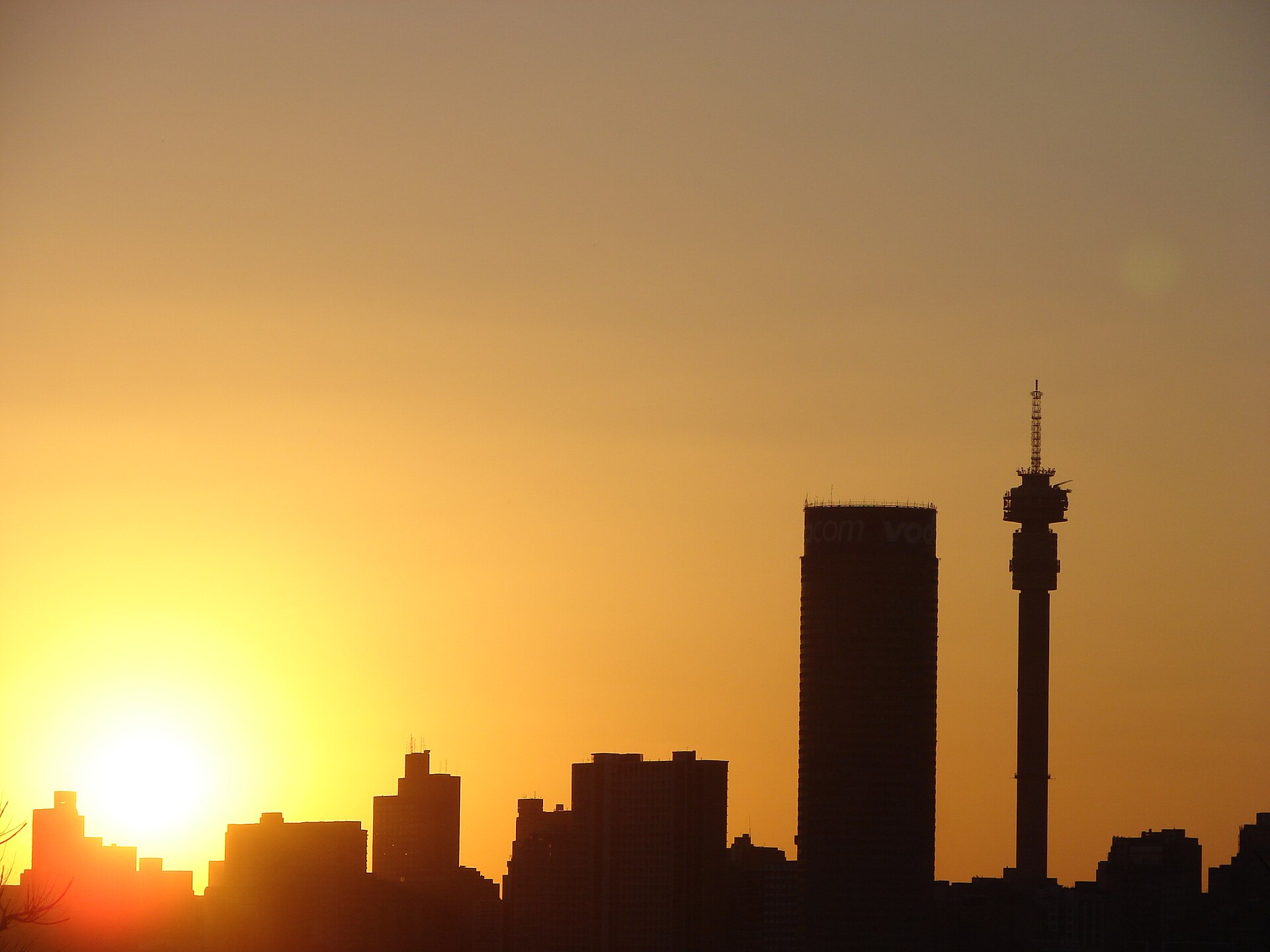
Earnings: South Africa
Key Facts
—Profit. AngloGold Ashanti, a global gold miner listed in New York and Johannesburg, earned US$790 million in the third quarter, up 18%.
—Squeeze. Free cash flow fell to US$722 million from US$920 million, as all-in mining cost per ounce rose 26%.
—Payout. Shareholders get US$361 million, or 71 US cents a share, payable on 11 December 2026.
—Next. The firm kept its 2026 output target of 2.8 to 3.17 million ounces and expects a stronger fourth quarter.
—Prediction markets. Polymarket, a real-money betting platform, gives gold a 58% chance of touching US$4,200 in November (as of 3:22 a.m. ET, 6 November 2026).
AngloGold Ashanti made more on each ounce of gold it sold in the third quarter, with the price up US$749 an ounce and all-in cost up US$450. But it sold fewer ounces and spent far more overall to dig them out.
Gold sold at an average of US$4,239 an ounce in the quarter, against US$3,490 a year earlier. That 21% jump in price pushed headline earnings up 18% to US$790 million, or 155 US cents a share.
“Headline earnings” is a profit measure that strips out one-off items such as asset write-downs. The Johannesburg Stock Exchange (JSE) requires listed companies to report it, so investors there watch it closely.
In Plain English
—AISC. All-in sustaining cost: what it costs to mine one ounce, including the upkeep spending needed to keep a mine running.
—Free cash flow. Cash left after paying for running costs, taxes and investment.
—Net cash. Cash in the bank minus all borrowings, so a positive number means the firm owes less than it holds.
Why Cash Fell While Profit Rose
Free cash flow, the cash left after costs, taxes and investment, was US$722 million. That is 22% below the US$920 million of a year earlier.
The company points to three causes. Capital spending at the mines it runs rose 45% to US$497 million, cash taxes more than doubled to US$174 million from US$75 million, and it sold fewer ounces.
Group output was 696,000 ounces, down from 768,000 a year earlier. Output was down 8% even after excluding the Serra Grande mine in Brazil, which AngloGold sold on 1 December 2025.
Costs rose faster than the gold price in percentage terms. All-in sustaining cost reached US$2,170 an ounce, up from US$1,720, which is a 26% rise.
Where Production Slipped and Where It Grew
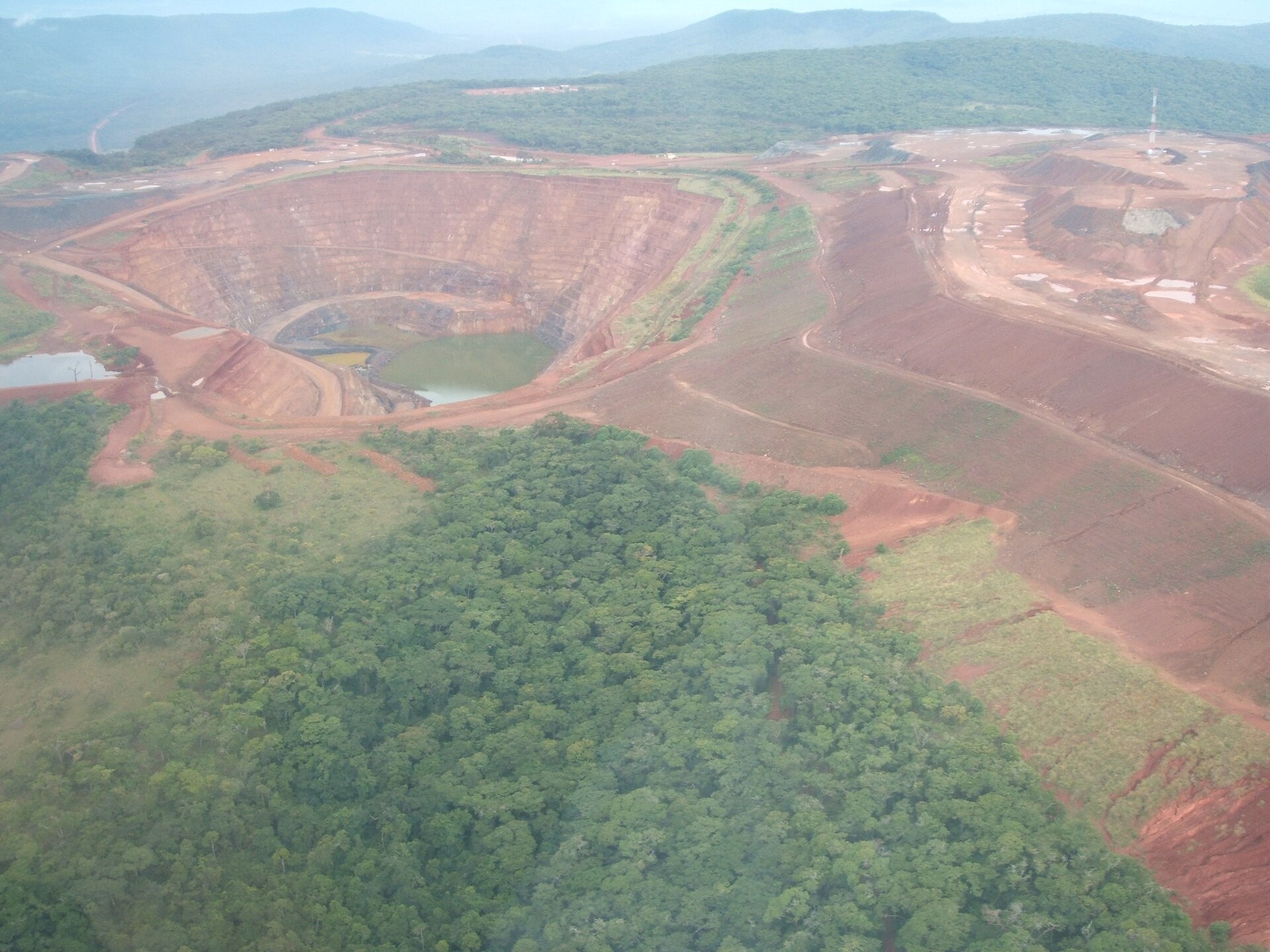
Five operations produced more gold than a year ago, led by Siguiri in Guinea, up 49%. Sunrise Dam in Australia, Kibali (a joint venture in the Democratic Republic of the Congo) and Cuiabá in Brazil rose 4% to 6%, and Cerro Vanguardia in Argentina rose 2%.
Three African mines fell by more than 20%. Iduapriem in Ghana dropped 43%, after flooding from a neighbouring mine this year, Obuasi in Ghana fell 26% and Sukari in Egypt fell 21%.
The company also reported two fatalities this year. One was a contractor at Obuasi in April 2026, and the other was an underground rockfall at Sukari in August 2026 that suspended operations there until they resumed.
AngloGold says Iduapriem now has full access to its high-grade mining blocks again. It also says waste removal at Sukari is opening richer ore, which it expects to lift the fourth quarter.
What It Means for You
For a US investor holding the New York-listed shares, the quarter is a reminder that a much higher gold price does not guarantee rising cash. Royalties paid to governments rise with the gold price, and the company says they added US$81 an ounce to costs in the first nine months of 2026.
The balance sheet offers a cushion. Net cash climbed to US$1.26 billion from US$231 million a year earlier, and it has declared US$1.31 billion in dividends so far this year.
What Prediction Markets Say
On Polymarket, a platform where traders bet real money on outcomes, the “What will Gold (XAUUSD) hit in November 2026?” market had US$88,631 traded at 3:22 a.m. ET on 6 November 2026. It priced a touch of US$4,200 at 58% and a touch of US$4,300 at 33.5%.
Why we show this: prediction markets turn real-money bets into a live probability that moves within minutes of the news, which is why investors, campaigns and newsrooms in the United States now follow them closely. We show them next to polls and official results, never instead of them.
What Comes Next
The board approved funding on 3 November 2026 to build the North Bullfrog gold project in Nevada, but only once federal and state permits arrive. The company also plans US$750 million to US$900 million over three years on expansions at Geita, Siguiri and Cuiabá.
It expects those projects to add 300,000 to 450,000 ounces a year by the end of the decade, measured against a 2025 base. The company did not say when the Nevada permits will come, and we could not confirm a date.
Readers should watch fourth-quarter output. About 636,000 ounces would reach the bottom of the full-year range, which is below the 696,000 ounces of Q3.
The record date, which decides who receives the dividend, is 27 November 2026.
Frequently Asked Questions
How much profit did AngloGold Ashanti make in Q3 2026?
Headline earnings were US$790 million, or 155 US cents a share (132 cents a year earlier), up 18% from US$672 million. Profit attributable to shareholders was US$787 million.
How much is the AngloGold Ashanti dividend?
The board declared 71 US cents a share, a total of US$361 million. New York holders are paid on 11 December 2026, and the record date is 27 November.
Why did AngloGold’s free cash flow fall?
Free cash flow was US$722 million against US$920 million a year earlier. Higher capital spending, higher cash taxes and fewer ounces sold weighed on it.
Did AngloGold change its 2026 gold output guidance?
No. It reaffirmed a range of 2.8 million to 3.17 million ounces. Output for the first nine months was 2.164 million ounces.
Sources
AngloGold Ashanti, Q3 2026 earnings release and dividend declaration, 5 November 2026 · Polymarket
This article was produced by The Rio Times’ automated newsroom system. How we use AI · Report an error · Editorial responsibility: Matthias Camenzind, Editor-in-Chief