Kenyans in Egypt Face Discrimination and Deportation, Kenyan Lawmakers Say
Egypt · Kenya · EXPAT
Key Facts
- —The country Egypt has about 118 million people and a US$365 billion economy (World Bank, 2025), roughly a tenth the size of Britain’s. Kenya’s government estimates that about 3,000 Kenyans live there.
- —Why it matters Egypt is a major destination and transit country for African migrants. Foreigners there without valid residence papers risk arrest, detention and deportation, and Kenya’s embassy in Cairo is thinly resourced.
- —Why now A report by the Kenyan parliament’s defence and foreign relations committee has gone before the National Assembly, Kenya’s lower house. Kenyan media have reported it since early September 2026, and more widely since 23 September.
- —What happened The committee inspected the Cairo embassy on 26–30 March 2026. It reported discrimination, scarce legal work, gender-based violence risks and deportation cases “every month”.
- —Who is involved Ambassador Fred Outa, a former Kenyan senator, runs the Cairo mission, which also covers Jordan and Eritrea. MP (member of parliament) Yusuf Hassan Abdi led the inspection.
- —What it means for you Expats in Egypt who employ domestic workers should check that staff hold valid residence papers. Kenyan visitors should know their embassy has no emergency fund, legal aid or shelter.
- —Still open Whether the full House adopts the report, and whether Kenya’s Treasury funds more Cairo staff in the budget year from July 2027.
About 3,000 Kenyans in Egypt face discrimination, scarce legal work and regular deportations, Kenyan lawmakers say. Their report adds that Kenya’s embassy in Cairo lacks the money and staff to protect them.
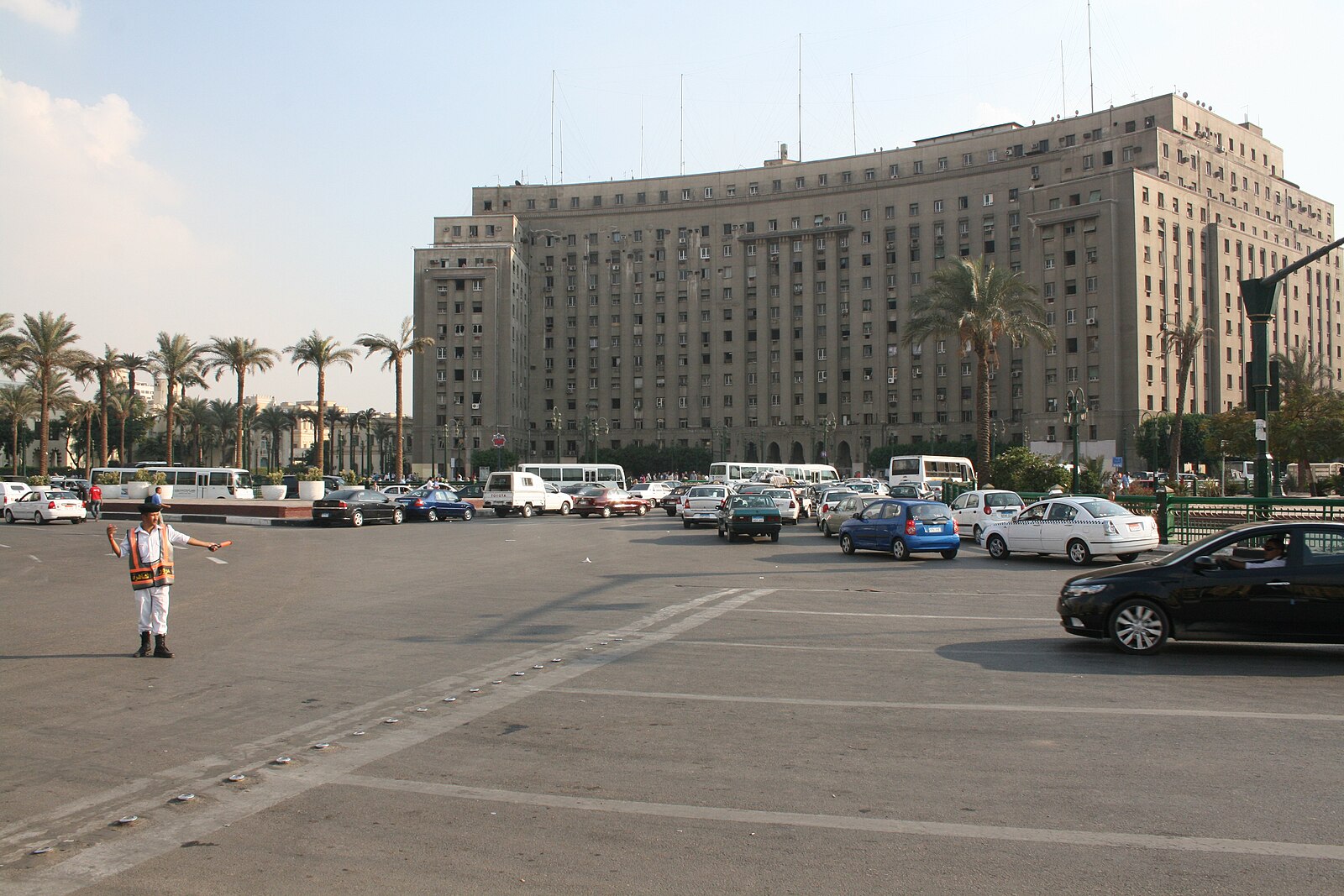
Egypt, a country of about 118 million people, is both a destination and a transit route for migrants from across Africa. Kenya, in East Africa, has a small community there, including domestic workers and students.
A new report from Kenya’s parliament says that community is exposed and its safety net is thin. It also says Kenya’s embassy in Cairo, the Egyptian capital, cannot cope.
What the report found
The report comes from the Departmental Committee on Defence, Intelligence and Foreign Relations of Kenya’s National Assembly, the lower house of parliament. Its members inspected the embassy in Cairo from 26 to 30 March 2026.
Yusuf Hassan Abdi, the member of parliament for Kamukunji in Nairobi, led the delegation. Caleb Amisi, the member for Saboti, went with him.
The committee adopted its report unanimously on 28 July 2026. It was tabled in the full House the same day, and the Nation newspaper in Nairobi reported its findings on 23 September.
The findings are blunt. Kenyans in Egypt face limited access to formal and legal jobs, weak legal protection and exposure to sexual and gender-based violence.
Domestic workers and students are the most exposed to exploitation and discrimination, the committee said. Some detained Kenyans lack food and medical care until the diaspora steps in.
Papers, police cells and monthly deportations
Documentation is the central problem. Many Kenyans lack valid residence or other papers, which exposes them to arrest, detention and deportation.
“Deportation cases are reported every month,” the committee wrote. Egypt requires foreigners who stay long-term to hold a residence permit issued by its Interior Ministry.
To ease the paperwork, the MPs want the Cairo mission to become a registration centre for Kenyan national ID cards and passports. That would serve Kenyans across Egypt and the wider region.
An embassy stretched across three countries
Kenya’s embassy in Cairo is led by Fred Outa, a former senator for Kisumu, a city in western Kenya. The mission is also accredited to Jordan and Eritrea.
The committee said the mission’s duties have grown without matching staff or money. It rents its offices, the ambassador’s residence and staff housing, and its computer equipment is described as “obsolete”.
Staff handle arrests, detentions, illness and deaths. Yet there is no dedicated emergency fund, no legal representation and no safe accommodation for citizens in trouble.
Distressed Kenyans therefore depend on fellow citizens and well-wishers for food and a bed. Many lack health insurance and pay medical bills out of pocket or through community collections.
The committee said this informal rescue model “places considerable financial and emotional strain on community leaders and active members”. They often coordinate and fund the help themselves.
What the MPs want
The central demand is a dedicated consular emergency fund, run by the Ministry of Foreign and Diaspora Affairs. It would pay for legal aid, medical help and repatriation.
The committee wants the fund set up within six months of the House adopting the report. It also asks the Treasury to raise the Cairo mission’s budget for the 2027/28 financial year.
Further demands include more legal, labour and consular officers within three months of adoption. The MPs also want a permanent embassy building and ambassador’s residence in Cairo, owned rather than rented.
Finally, they want bilateral labour agreements with Egypt that are actually implemented. Kenya’s Global Labour Market Strategy already aims for such a deal, according to the Kenyan government.
Trade ties that have not delivered
The report also looks at economic diplomacy. Kenya still sells Egypt mainly raw tea and coffee, while buying mostly manufactured goods.
Figures cited during President William Ruto’s state visit to Cairo in January 2025 show the gap. Kenyan exports to Egypt were put at about US$176 million, against imports of about US$340 million.
Joint trade committees and a joint cooperation commission exist on paper. The committee found they have not been fully put to work, despite that visit.
The wider picture for Africans in Egypt
Egypt has taken in large numbers of Sudanese since war broke out in Sudan in April 2023. Rights groups, including Amnesty International, documented mass arrests and deportations of Sudanese refugees in 2024.
That backdrop explains why residence papers matter so much to any African foreigner in Egypt. Kenyans report pressure elsewhere too, the diaspora news site Mwakilishi noted, citing harassment in South Africa.
For the broader contest over African labour, trade and influence, see Africa: The New Scramble.
What to watch next
The report is a committee finding, not a government decision. Money and staff depend on Kenya’s foreign ministry and on the Treasury.
The first test is whether the full National Assembly adopts it, starting the six-month clock on the emergency fund. The second is the 2027/28 budget, which begins in July 2027.
Until then, Kenyans in Egypt will keep relying mostly on each other when things go wrong. The report has put that gap on the record in Nairobi.
Frequently Asked Questions
How many Kenyans live in Egypt?
About 3,000, according to a Kenyan government estimate. The parliamentary committee singled out domestic workers and students as the most vulnerable to exploitation.
What did Kenya’s parliament find?
A National Assembly committee found discrimination, scarce legal work, risks of gender-based violence and monthly deportation cases. It also found the Cairo embassy underfunded and short of staff.
What can Kenya’s embassy in Cairo do for citizens in trouble?
It handles arrests, detentions, illness and deaths. But it has no dedicated emergency fund, no legal representation and no safe accommodation, the committee found.
What happens next?
The full House must adopt the report. The committee then wants an emergency fund within six months and more legal, labour and consular officers within three months.
Connected Coverage
Sources
- Nation (nation.africa)
- The Eastleigh Voice
- Mwakilishi
- The EastAfrican
- Government of Kenya (mygov.go.ke)
- The Star (Kenya)
- Kenya National Assembly Hansard, 28 July 2026
- Amnesty International (June 2024)
- World Bank: Egypt data
This article was produced by The Rio Times’ automated newsroom system. How we use AI · Report an error
LatAm Markets: Live Signals → — real-time movers, turnover leaders and FX across Latin America.
Read More from The Rio Times