
EGYPT · HISTORY
Key Facts
- —The basics Egypt, a country of more than 100 million people on the Nile, has one of the oldest recorded histories on earth, from the first pharaohs around 3100 BC to a republic since 1953.
- —Why it matters Its history explains why the army has stood at the centre of power since the 1952 revolution, why Egypt keeps peace with Israel and why the Suez Canal is a national symbol.
- —The numbers The Suez Canal opened in 1869, Egypt signed peace with Israel in 1979, and since 1978 the United States has given it over US$50 billion in military and US$30 billion in economic aid.
- —Who is who President Abdel Fattah el-Sisi, who rose to power after the army removed President Mohamed Morsi in 2013, began a six-year term in April 2024; Prime Minister Mostafa Madbouly heads the government.
- —What to watch Whether the constitution is changed again before Sisi’s term ends in 2030, who succeeds him, and whether Egypt and Ethiopia ever settle their dispute over the Nile dam.
- —What it means for you For US travellers, the past is Egypt’s main draw, from Giza to the Grand Egyptian Museum opened in November 2025; for US policy, Cairo remains a key partner on Israel and Gaza.
Egypt history spans some 5,000 years, from the pharaohs and the pyramids through Greek, Roman, Arab, Ottoman and British rule. This guide explains the turning points a US reader needs to understand Egypt in 2026.
Egypt history begins on the banks of the Nile, where one of the world’s earliest states took shape around 3100 BC. Pharaohs ruled for nearly 3,000 years before Greeks, Romans, Arabs, Ottomans and the British took their turns.
Modern Egypt was born in the 1952 revolution, when army officers toppled the king and soon declared a republic. Since then the armed forces have stood at the centre of power, a pattern that still defines the country in October 2026.
Egypt History Begins With the Pharaohs
Around 3100 BC, Upper Egypt in the south and Lower Egypt in the Nile Delta were united under a single king. The river’s yearly flood fed the farms that made this early state rich and stable for centuries.
The pharaohs built the pyramids of Giza, on the edge of today’s Cairo, about 4,500 years ago. The Great Pyramid, built for King Khufu, is the only one of the Seven Wonders of the Ancient World still standing.
Historians divide ancient Egypt into the Old, Middle and New Kingdoms, separated by periods of division and foreign rule. The New Kingdom, from about 1550 BC, produced famous rulers such as Hatshepsut, Akhenaten, Tutankhamun and Ramses II.
Hieroglyphic writing, a calendar of 365 days and early medicine all developed in this long era. Ancient Egypt still shapes the country’s identity, its tourism and the way Egyptians present themselves to the world.

Greeks, Romans and the Arrival of Islam
Alexander the Great took Egypt in 332 BC and founded Alexandria on the Mediterranean coast. His general Ptolemy then started a Greek-speaking dynasty that ruled Egypt for nearly three centuries.
Its last ruler, Cleopatra VII, died in 30 BC, and Egypt became a province of Rome. For centuries it shipped grain across the sea to feed the imperial capital.
Christianity spread early, and the Coptic Orthodox Church traces its roots to Saint Mark in Alexandria. Coptic Christians remain a sizeable minority in Egypt today, led by their own pope in Cairo.
Arab armies led by Amr ibn al-As conquered Egypt between 639 and 642. Arabic gradually replaced Coptic as the spoken language, and Islam became the faith of the majority.
The Fatimid dynasty founded Cairo in 969 and soon built the Al-Azhar mosque, still a leading centre of Sunni learning. Later the Ayyubids under Saladin and then the Mamluks, soldier slaves turned rulers, governed from Cairo.
The Ottoman Empire conquered Egypt in 1517 and ruled it, at least on paper, until the First World War. Local Mamluk elites kept much of the real power for most of the Ottoman centuries.
Napoleon, Muhammad Ali and the Suez Canal
Napoleon Bonaparte invaded Egypt in 1798, and French troops stayed until British and Ottoman forces drove them out in 1801. French soldiers found the Rosetta Stone in 1799, the key that later unlocked hieroglyphs.
Muhammad Ali, an Ottoman officer of Albanian origin, took power in 1805 and is often called the founder of modern Egypt. He built a modern army, factories, schools and a cotton economy, and his family ruled until 1952.
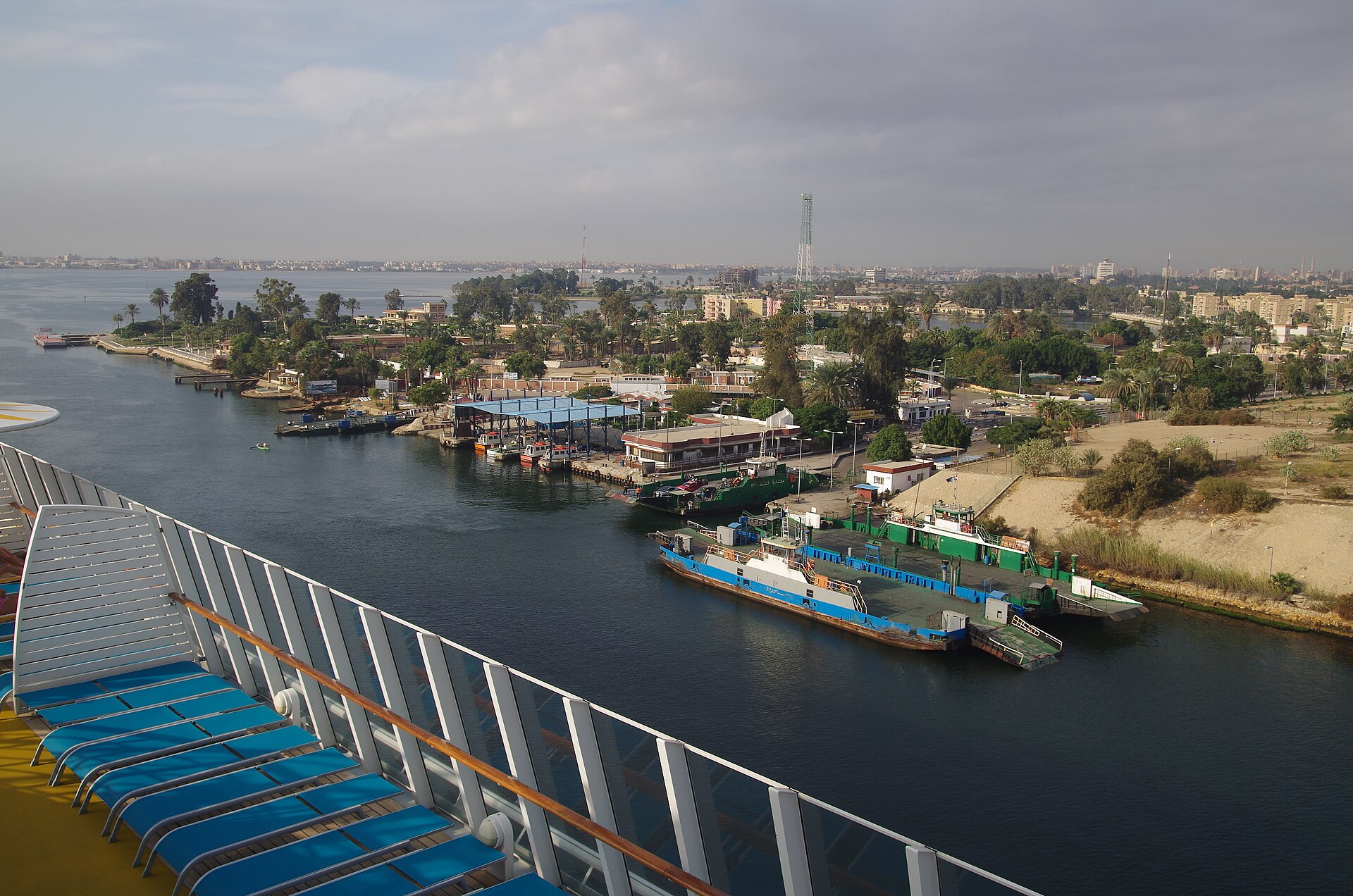
The Suez Canal, linking the Mediterranean and the Red Sea, opened on Wednesday, 17 November 1869. It cut the sea route between Europe and Asia by thousands of miles and made Egypt a strategic prize.
The canal and a building boom left Egypt deeply in debt to European banks. In 1875 it sold its canal shares to Britain, and in 1882 British troops occupied the country.
From British Rule to the 1952 Revolution
Britain declared Egypt a protectorate in 1914, at the start of the First World War. A nationwide uprising in 1919, led by Saad Zaghloul and his Wafd party, demanded full independence.
Britain recognised Egypt as an independent kingdom on Tuesday, 28 February 1922, but kept troops there and control of the canal. The United States established diplomatic relations with Egypt that same year.
King Fuad and then his son Farouk ruled a monarchy marked by deep wealth gaps and British influence. Defeat in the 1948 war against the new state of Israel deepened anger inside the army.
On Wednesday, 23 July 1952, a group of army officers known as the Free Officers seized power. King Farouk went into exile, and Egypt was declared a republic on Thursday, 18 June 1953.
Nasser, Sadat and the Wars With Israel
Gamal Abdel Nasser became the dominant leader and then president, preaching Arab unity and state control of the economy. On Thursday, 26 July 1956, he nationalised the Suez Canal Company.
Britain, France and Israel invaded in response, but pressure from the United States and the Soviet Union forced them to withdraw. The Suez Crisis made Nasser a hero across the Arab world.
With Soviet help, Egypt built the Aswan High Dam, completed in 1970, which tamed the Nile flood and created Lake Nasser. In the 1967 war Israel seized the Sinai Peninsula, and the canal stayed closed for eight years.
Anwar Sadat succeeded Nasser in 1970 and launched the war of Saturday, 6 October 1973, sending troops across the canal. He then turned towards Washington, opened the economy and visited Jerusalem in 1977.
After the Camp David Accords of 1978, Egypt and Israel signed a peace treaty on Monday, 26 March 1979. Israel handed back Sinai in stages by 1982, and Egypt became a close US partner.
Islamist militants assassinated Sadat at a military parade on Tuesday, 6 October 1981. His vice president, Hosni Mubarak, took over and ruled for almost 30 years.
Mubarak, the 2011 Uprising and the Sisi Era
Mubarak kept the peace with Israel, ruled under emergency law and slowly opened the economy. Rising prices, corruption and talk of his son succeeding him fuelled public anger.
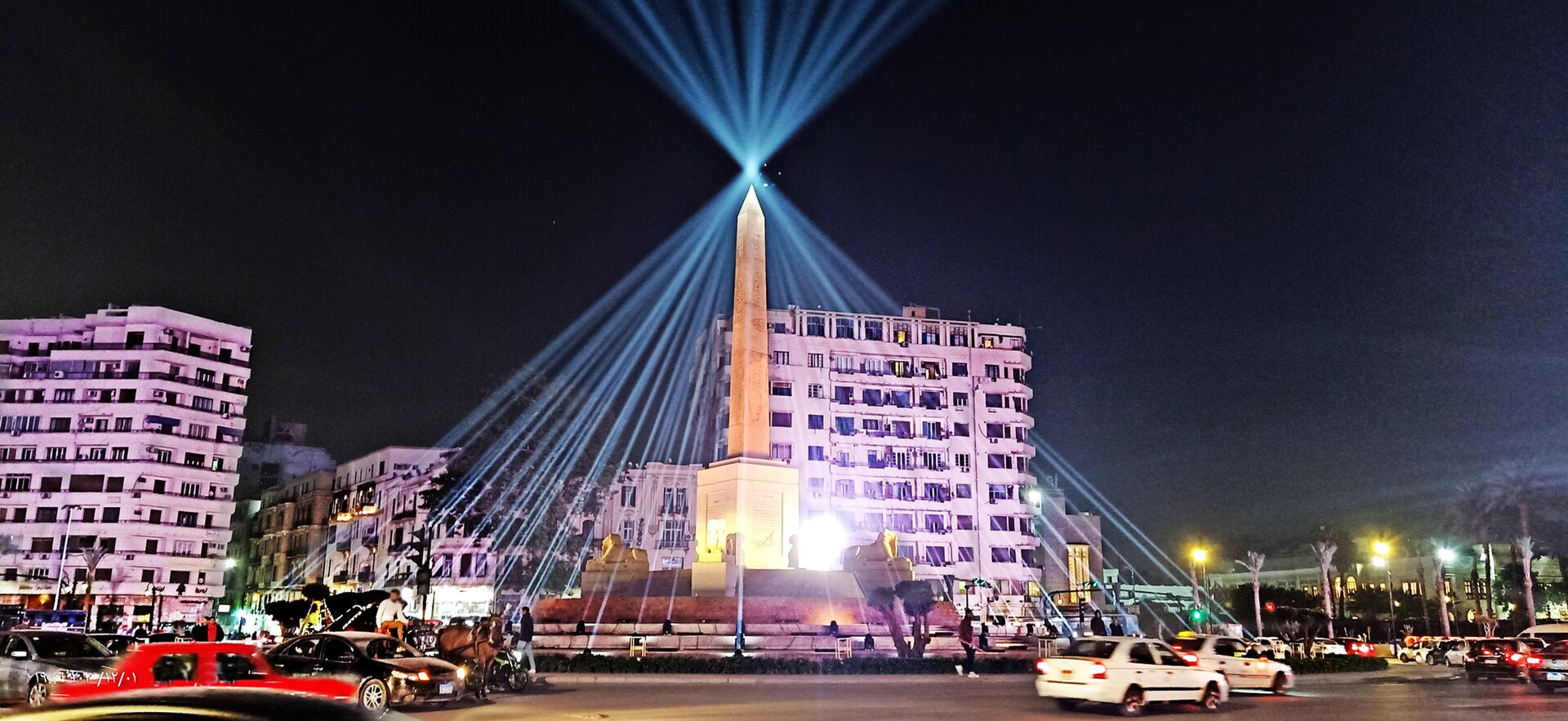
Mass protests began on Tuesday, 25 January 2011, centred on Tahrir Square in Cairo. After 18 days, Mubarak resigned on Friday, 11 February 2011, and the army took temporary control.
Mohamed Morsi of the Muslim Brotherhood, an Islamist movement founded in Egypt in 1928, won the 2012 presidential election. After mass protests, the army removed him on Wednesday, 3 July 2013.
Abdel Fattah el-Sisi, then defence minister and head of the armed forces, led that move and won the presidency in 2014. Constitutional amendments approved in 2019 extended presidential terms from four to six years.
Sisi won another term in December 2023 and was sworn in on Tuesday, 2 April 2024, for six years. Under the current constitution, that term ends in 2030 and is meant to be his last.
How the Past Shapes Egypt Today
The 1952 revolution left the armed forces at the heart of the state, the economy and politics. The government of Prime Minister Mostafa Madbouly now meets in the New Administrative Capital east of Cairo.
The canal Nasser nationalised remains a major source of US dollars and national pride. Attacks by Yemen’s Houthis on Red Sea shipping from late 2023 cut traffic sharply, but big container lines are returning in 2026.
The ancient past is also big business, because tourism is one of Egypt’s main sources of foreign currency. The Grand Egyptian Museum near the Giza pyramids opened on Saturday, 1 November 2025, with the treasures of Tutankhamun.
The Nile is still a matter of survival, because almost all Egyptians live along the river and its delta. Egypt objects to Ethiopia’s Grand Ethiopian Renaissance Dam upstream, which Cairo sees as a threat to its water.
The Rio Times maps who holds power today in Who Dominates Egypt, Elites and Regions Explained. The country’s artists and icons appear in Egypt Culture, the Key Figures to Know in 2026.
What It Means for US Readers
For US travellers, Egypt history is the main reason to visit, from Giza and Luxor to the new museum. Newcomers who plan to stay can start with the Rio Times guide to living in Cairo.
For US policy, Egypt matters because it borders Israel and the Gaza Strip and controls the Suez Canal. Since 1978 the United States has provided over US$50 billion in military and US$30 billion in economic aid, the State Department says.
For investors, the legacy of state and military control still weighs on private business and foreign capital. Readers can find the wider picture in Egypt Explained, the Egypt population guide and the Egypt news hub.
What Is Not Known
It is not known whether the constitution will be amended again before President Sisi’s term ends in 2030. No successor has been publicly named as of October 2026.
Many dates in ancient Egypt remain estimates, and scholars still debate the timeline of the earliest dynasties. New finds around Giza, Saqqara and Luxor keep adding to the record.
It is also unclear when Red Sea shipping, and with it Suez Canal revenue, will fully recover. A binding deal with Ethiopia over the Nile dam remains out of reach as of October 2026.
Frequently Asked Questions
What are the main periods of Egypt history?
The main periods are ancient Egypt under the pharaohs, Greek and Roman rule, the Islamic era, Ottoman rule and the modern state. The modern period runs from Muhammad Ali in 1805 through British occupation to the republic of 1953.
When did Egypt become independent?
Britain recognised Egypt as an independent kingdom on 28 February 1922, but kept troops there and control of the Suez Canal. Full sovereignty came after the 1952 revolution, when the officers ended the monarchy and ousted British influence.
Who built the pyramids of Giza?
The pyramids of Giza were built about 4,500 years ago as tombs for the pharaohs Khufu, Khafre and Menkaure. Excavations of nearby workers’ villages suggest that large, organised crews of Egyptian labourers did the building.
Why is the Suez Canal so important to Egypt?
The Suez Canal links the Mediterranean and the Red Sea and gives Egypt a steady source of US dollars. Nasser’s nationalisation of the canal in 1956 also made it a lasting symbol of independence.
Who rules Egypt in 2026?
President Abdel Fattah el-Sisi has led Egypt since 2014 and is serving a six-year term that runs to 2030. Prime Minister Mostafa Madbouly heads the government as of October 2026.
What was the 2011 Egyptian revolution?
It was an 18-day wave of mass protests, centred on Tahrir Square in Cairo, that began on 25 January 2011. It ended Hosni Mubarak’s nearly 30-year rule when he resigned on 11 February 2011.
Sources: US State Department, U.S. Relations With Egypt; Presidency of the Arab Republic of Egypt; Egyptian Cabinet, weekly cabinet meeting, 7 October 2026; National Election Authority of Egypt; Suez Canal Authority, canal history; Daily News Egypt, CMA CGM return to the Suez Canal, 14 October 2026; Ahram Online, Grand Egyptian Museum inauguration holiday; Egyptian Streets, Grand Egyptian Museum opening date (all accessed 14 October 2026).
This article was produced by The Rio Times’ automated newsroom system. How we use AI · Report an error · Editorial responsibility: Matthias Camenzind, Editor-in-Chief
Part of our ongoing coverage
Africa: The New Scramble — the great-power contest over the continent.
Expat Guide to Egypt
What The Rio Times publishes for foreigners who live in or move to Egypt.
Start here
- Retire in Egypt: No Retirement Visa, Ministry Lists US$100,000 Property for One-Year Permit
- How Foreigners Open a Bank Account in Egypt in 2026
- Taxes in Egypt for Expats 2026 — Residence, Income and Property
- Egypt Residence Visa Rules 2026, Entry From US$30
City guides
Coming up in Egypt
- El Gouna Film Festival 2026: 15-23 October, First 10 Films 15 Oct
- Tul8te Fills Cairo's Al Manara Arena on 16 October, Tickets From US$17.50 16 Oct
- Arab Music Festival Honours Hany Shaker in Egypt From 20 to 30 October 20 Oct
- Abu Simbel Sun Festival on 22 October: Sunrise Hits the Sanctuary 63 Metres Inside the Temple 22 Oct
Understand Egypt