Mozambique Explained 2026: The Gas Bet, the Insurgency, the Economy and What to Watch
GUIDES · COUNTRY
Key Facts
- —Capital Maputo, in the far south, close to the borders with South Africa and Eswatini. Most embassies, banks and company head offices are there.
- —Population About 35.6 million in 2025, on World Bank estimates. That is roughly half the population of the United Kingdom.
- —Currency The metical (MT, plural meticais). It traded at MT63.25 to the US dollar on 25 September 2026, market data, and has barely moved since 2021.
- —Language Portuguese is the official language, but most Mozambicans grow up speaking an African language such as Emakhuwa, Xichangana or Cisena.
- —Economy Output of about US$22.3 billion in 2025, or roughly US$630 per person, on World Bank figures. That places Mozambique among the poorest countries on earth.
- —Government A presidential republic. The Frelimo party has governed since independence from Portugal on 25 June 1975.
Mozambique explained for newcomers: how a poor, gas-rich country is run, why its debts and insurgency matter, and what to watch.
Mozambique explained in one sentence: a country sitting on some of Africa’s largest gas reserves, still waiting to be paid for them. The money is due from 2029. Until then it lives on credit and fights an insurgency in the north. It is also recovering from a disputed election that ended in deadly protests.
What kind of country is this?
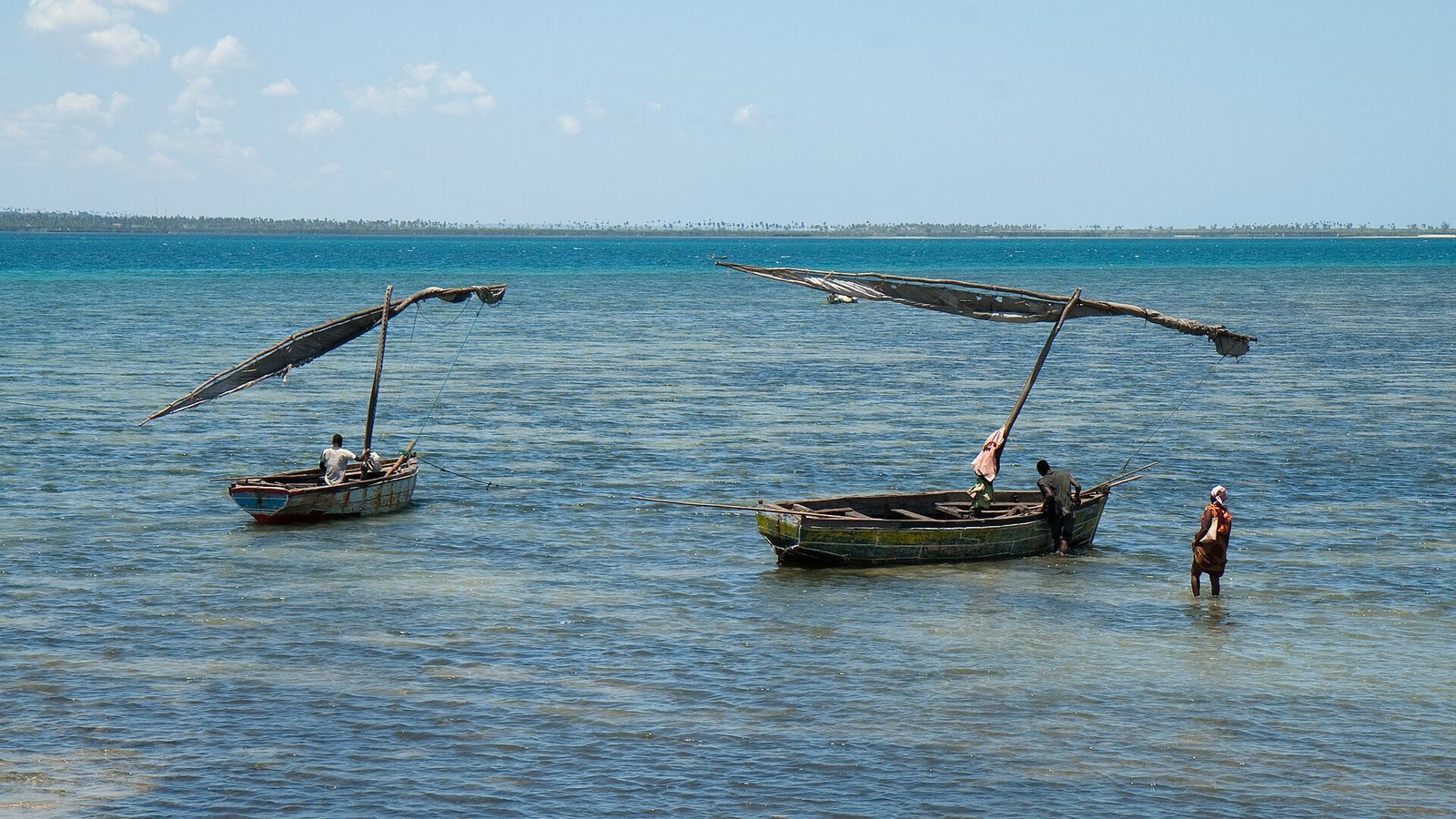
Mozambique covers about 800,000 square kilometres, more than three times the size of the United Kingdom. It has roughly 2,500 kilometres of Indian Ocean coastline, from Tanzania in the north to South Africa in the south. Six countries border it, and four of them are landlocked and depend on its ports.
Portugal ruled the coast for more than four centuries. Independence came on 25 June 1975 after a liberation war led by Frelimo, the Front for the Liberation of Mozambique. A civil war against Renamo, the Mozambican National Resistance, followed and lasted until a peace accord signed in Rome in 1992.
Most people still live off the land. In 2022, the latest survey year, about four in five Mozambicans lived below the World Bank’s poverty line of US$3 a day. That does not mean there is no money in the country. It means the money sits in a few projects, a few cities and a few hands.
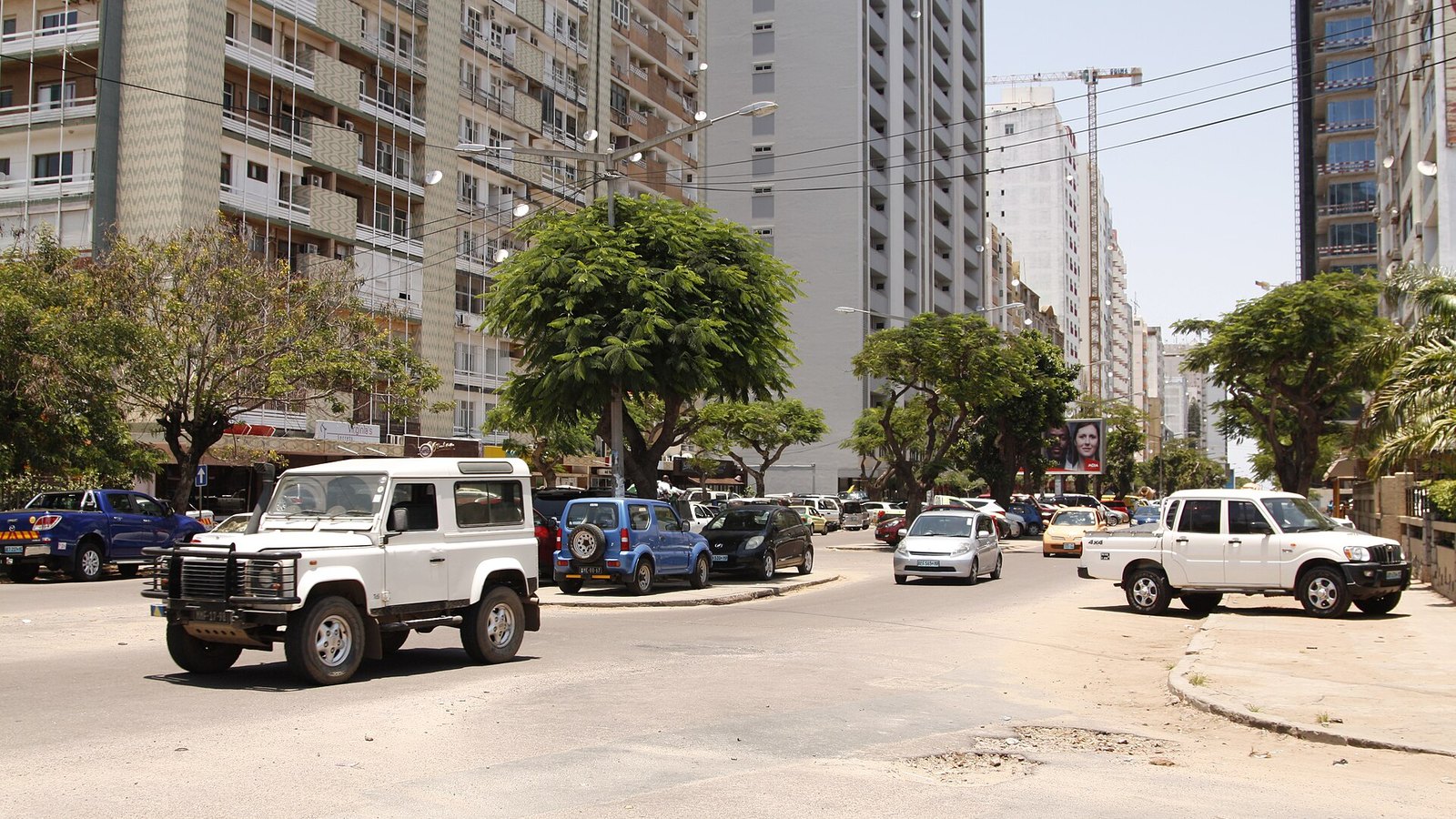
The capital, Maputo, is far from the rest of the country. It is closer to Johannesburg than to Pemba, the northern port city. That distance, political as well as physical, shapes almost everything described below.
Who runs Mozambique and how
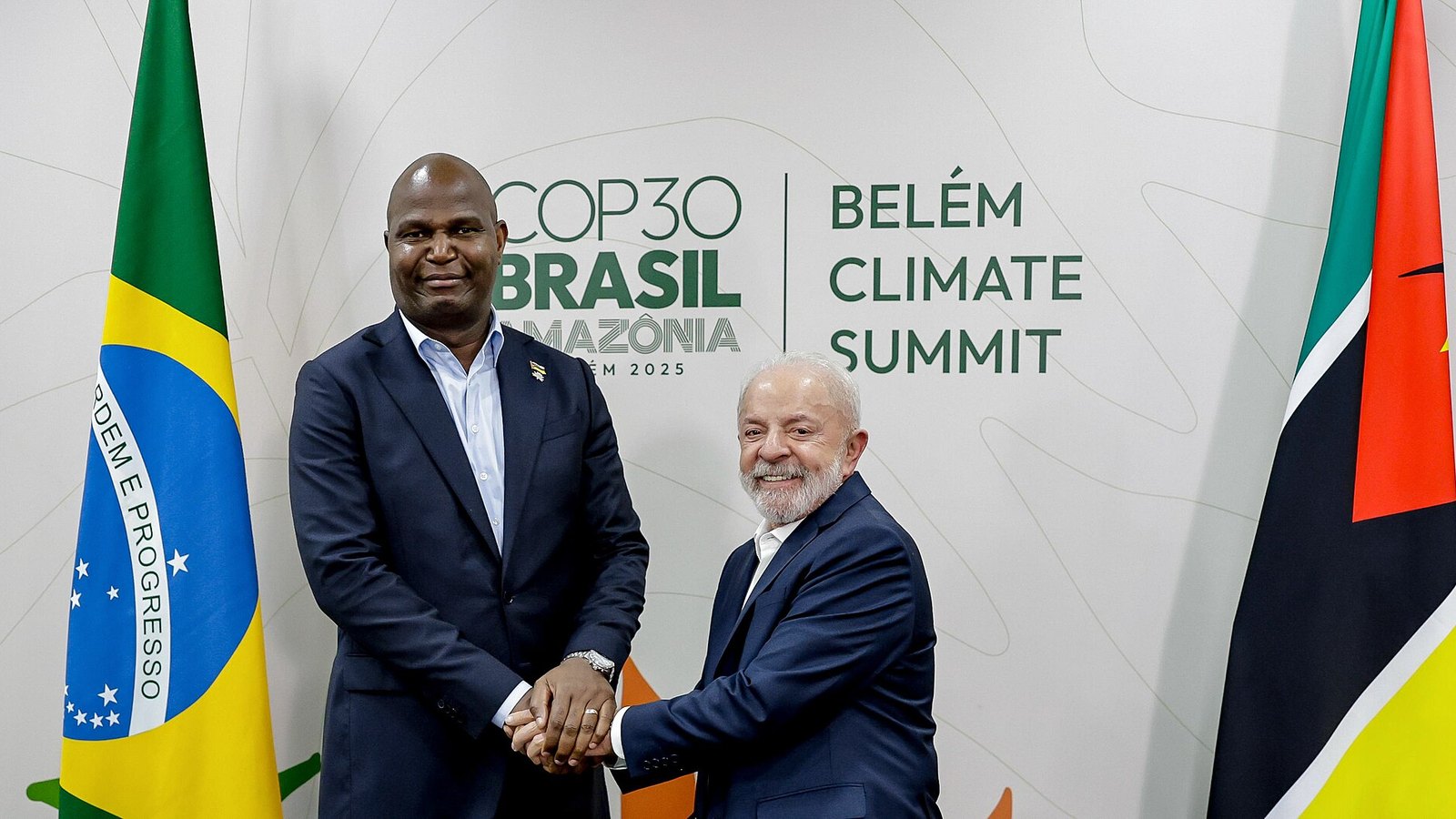
The president is head of state and government, elected directly for five years and limited to two terms. Daniel Chapo of Frelimo took office on 15 January 2025. He is the first Mozambican president born after independence. The prime minister, Maria Benvinda Levi, runs the cabinet but answers to him.
Parliament, the Assembly of the Republic, has 250 seats. After the election of 9 October 2024, Frelimo holds 171 of them, more than two-thirds. Podemos, the Optimistic People for the Development of Mozambique, became the largest opposition group with 43 seats. Renamo fell to 28 and the Democratic Movement of Mozambique, MDM, to 8.
That result was disputed. Chapo was declared the winner with 65.17 percent. The runner-up, Venâncio Mondlane, took 24.19 percent officially and says he won. His supporters protested for months. Amnesty International reported more than 300 people killed in the security crackdown by early 2025.
On 5 March 2025 Chapo and nine parties signed a commitment to an inclusive national dialogue. Parliament turned it into law that April. It is meant to lead to political and constitutional reforms. Mondlane now leads his own party, Anamola. He faces trial before the Supreme Court from 17 November 2026 on charges linked to the protests, which he denies.
Real power is concentrated. Frelimo controls the presidency, a two-thirds majority in parliament and much of the state’s business interests. For an investor this means continuity. It also means that when the ruling party is divided, decisions stall.
How the economy works
The economy has two layers. One is farming, fishing and informal trade, which employ most people. The other is a handful of large projects in coal, aluminium, hydropower and gas, run largely by foreign companies. Economists call these the megaprojects. They earn most of the dollars but employ few Mozambicans.
The biggest prize is natural gas in the Rovuma Basin, off the northern province of Cabo Delgado. Three projects matter. Coral South, a floating plant run by Italy’s Eni, has exported liquefied natural gas (LNG) since November 2022. LNG is gas cooled into liquid so it can travel by ship. A second floating unit, Coral North, is due in 2028.
The largest, Mozambique LNG, is led by TotalEnergies of France and costs about US$20 billion. It stopped in 2021 after insurgents attacked the nearby town of Palma. On 7 November 2025 TotalEnergies lifted force majeure, the legal suspension of its contracts. It announced a full restart on 29 January 2026. First gas is targeted for 2029. ExxonMobil’s larger Rovuma LNG plant has not yet received a final investment decision.
The older pillars are weaker. The Mozal aluminium smelter near Maputo, once among the country’s largest exporters, went into care and maintenance on 15 March 2026. Its main owner, South32 of Australia, could not agree an affordable power price. Coal from Tete province still sells abroad, but at lower prices than in 2022.
The state’s finances are the weak point. A hidden-debt scandal in 2016, when about US$2 billion of undisclosed loans came to light, cut Mozambique off from donors for years. Fitch, a credit-rating agency, projects government debt at about 98 percent of annual economic output in 2026. The International Monetary Fund (IMF) regards the debt as unsustainable.
Inside the country, the Bank of Mozambique keeps the metical almost fixed against the US dollar. Its main policy rate, the MIMO rate, has been held at 9.25 percent at every meeting since March 2026. Annual inflation was 6.45 percent in August 2026, down from 7.5 percent in June. In July the bank said higher fuel prices would push it up again in the short term.
What is happening right now
As of September 2026, three stories dominate. The first is money. Growth has barely returned. The economy grew 1.7 percent in the second quarter of 2026 from a year earlier, says INE, the statistics institute. The IMF sent a mission from 9 to 18 September but did not agree a new loan programme. It said discussions on the needed reforms would continue “in the coming months”.
Rating agencies are more worried. Moody’s cut Mozambique’s foreign-currency rating to Caa3 in September 2026. It cited a higher risk that the government restructures its US$900 million eurobond. That is a dollar bond sold to foreign investors and due in 2031. Fitch already rates the country CC, meaning it sees default as probable. Domestic debt alone, excluding some loans and arrears, reached MT538.3 billion (about US$8.5 billion) by mid-2026, the central bank says.
The second story is security. The insurgency in Cabo Delgado began in October 2017. The fighters call themselves part of Islamic State and are known as Islamic State Mozambique. Rwandan troops have fought alongside the Mozambican army since 2021. OCHA, the UN humanitarian office, counted more than 400 conflict incidents in the first half of 2026. That is 10 percent more than a year earlier.
The fighting is spreading. On 3 September 2026 insurgents attacked a hunting camp in Niassa province. It was their first raid there since May 2025, says ACLED, a conflict-monitoring group. About 662,000 people remain displaced inside the country, OCHA says. Our report on the Niassa hunting camp attack sets out why it matters for the gas projects.
The third story is leadership at the central bank. Rogério Zandamela’s second term ended on 31 August 2026. Felisberto Navalha was sworn in as governor on 2 September, after a first appointment was withdrawn within a day. His first rate decision is due on 30 September.
What to watch
The Bank of Mozambique’s rate committee meets on 30 September 2026. In July the bank said inflation risks remained high. It will be the first decision under the new governor, so markets will read it for signs of his approach.
Mondlane’s trial opens on 17 November 2026. It is the most sensitive political event of the year. The 2024 protests showed how quickly anger can spread from Maputo to other cities. The verdict will also shape the national dialogue.
On the money side, watch for three things. One is whether the IMF agrees a programme; Fitch expects one by early 2027. Another is any move by the finance ministry to reschedule the eurobond. The third is whether ExxonMobil takes its final investment decision on Rovuma LNG, which would add a second onshore gas plant.
In the north, the test is whether the insurgency threatens the gas site at Afungi, near Palma. TotalEnergies has restarted construction there under the protection of Mozambican and Rwandan forces. A serious attack near the site would reset every timetable in this guide.
What this means for foreigners
Entry is easier than it was. Citizens of 29 countries can visit for up to 30 days without a visa. They include the United States, the United Kingdom and many European Union states. They must first get a pre-authorisation on the official e-visa portal and print the letter, says Mozambique’s High Commission in London. Other nationalities need a visa.
Safety depends on where you go. The US State Department rates Mozambique at Level 2, exercise increased caution, as of August 2026. It says do not travel to Cabo Delgado, the Niassa Special Reserve, and the Memba and Erati districts of Nampula. Maputo, Inhambane’s beaches and the southern game parks lie far from the conflict, but street crime is common in cities.
Money needs planning. Fuel importers take about half of the dollars that banks sell to their largest customers, the central bank says. It has also capped spending abroad on Mozambican-issued cards at MT3 million (about US$47,400) a year. The rule covers non-residents holding local cards. Our report on the card limit explains the details. Fuel shortages hit some provinces this year, including the coal hub of Tete.
For investors, Mozambique explained plainly is a long bet. The gas is real and the contracts are signed. But the state is short of cash and may restructure debt before the gas revenue arrives. Contracts with the state need strong arbitration clauses and patience.
Connected Coverage
TotalEnergies Restarts Mozambique Gas as Insurgents Keep Killing Civilians
Mozambique Gas Revenue Stays Tiny as Debt Nears 96% of GDP
Exxon Commits US$1.1 Billion to Mozambique’s Rovuma LNG Before Final Decision
A Hunting Lodge Just Tested Mozambique’s Gas Wager
Mozambique Halved the Card Limit Abroad and Made It Permanent
South Africa Explained: The Country, the Coalition Government and What to Watch
Tanzania Explained: The Country, Its Politics, Its Economy and What to Watch
Zimbabwe Explained: The ZiG Currency, the Politics, the Economy and What to Watch
Sources: Policy rate, inflation, domestic debt and the central bank leadership from the Banco de Moçambique; the IMF mission statement of September 2026; output and population from the World Bank; quarterly growth from INE via Carta de Moçambique; ratings from Fitch and Moody’s as reported by Club of Mozambique; gas project dates from TotalEnergies and Club of Mozambique; conflict data from ACLED and OCHA; travel rules from the US State Department and Mozambique’s High Commission in London. The exchange rate is from market data. All accessed 28 September 2026.
- Banco de Moçambique — Monetary Policy Committee communiqué 4/2026, 29 July 2026
- Banco de Moçambique — August 2026 inflation, new governor sworn in 2 September 2026
- IMF — staff mission to Mozambique, 9–18 September 2026
- World Bank — population, GDP, GDP per head and poverty data
- INE via Carta de Moçambique — second-quarter 2026 GDP
- Fitch via Club of Mozambique — rating affirmed at CC, July 2026
- Moody’s via Club of Mozambique — downgrade to Caa3, September 2026
- TotalEnergies — Mozambique LNG full restart, 29 January 2026
- Club of Mozambique — Coral Norte LNG on course for 2028 start-up
- Mining Weekly — South32 places Mozal on care and maintenance
- ACLED — Mozambique Conflict Monitor, September 2026
- OCHA via allAfrica — Cabo Delgado displacement and incidents, September 2026
- Amnesty International — post-election killings, February 2025
- Human Rights Watch — parliament approves the inclusive dialogue law, April 2025
- allAfrica — Mondlane trial set for 17 November 2026
- US State Department — Mozambique travel advisory, 21 August 2026
- High Commission of Mozambique in London — visa exemption and e-visa pre-authorisation
What Is Not Known
Whether Mozambique restructures its debt. Fitch calls a reprofiling of the eurobond probable, and Moody’s sees rising risk. The government has not announced any plan, and the IMF has not said what a programme would require.
When the big gas money arrives. TotalEnergies targets 2029, but the project has slipped before. ExxonMobil has not taken its final decision on Rovuma LNG, and no date for it is public.
How far the insurgency can spread. The raids into Niassa and Nampula show mobility, not territorial control. Nobody outside the security services knows how many fighters there are.
Where the national dialogue ends. The 2025 law promises constitutional reform, but no final text is public and no date is set for a vote.
Whether Mozal reopens. Its owners and the government are still talking about power supply. Care and maintenance keeps the plant intact, but no restart date exists.
Frequently Asked Questions
Who is the president of Mozambique in 2026?
Daniel Chapo of the Frelimo party, in office since 15 January 2025. He won the October 2024 election with 65.17 percent, a result the runner-up, Venâncio Mondlane, still disputes.
Is Mozambique safe to visit?
Much of it is, with care. The US State Department rates the country at Level 2 but says do not travel to Cabo Delgado, the Niassa Special Reserve and two districts of Nampula because of the insurgency. Maputo and the southern coast are far from the conflict, though street crime is common.
Do I need a visa for Mozambique?
Citizens of 29 countries, including the United States, the United Kingdom and many EU states, can stay up to 30 days without a visa. They must obtain a pre-authorisation on the official e-visa portal before travelling and carry a printed copy.
What is the currency of Mozambique?
The metical, written MT, with the plural meticais. It traded at about MT63.25 to the US dollar in late September 2026 and has been held almost flat by the central bank since 2021.
Why does Mozambique’s gas matter?
The Rovuma Basin off the north coast holds some of Africa’s largest gas reserves. One floating plant already exports, and TotalEnergies’ US$20 billion onshore project aims to ship its first gas in 2029. The state is counting on that income to cut its debt.
This article was produced by The Rio Times’ automated newsroom system. How we use AI · Report an error
Read More from The Rio Times