In 2019 Bolsonaro Increased Defense Spending by 22 Percent
RIO DE JANEIRO, BRAZIL – In his first year in office, President Jair Bolsonaro increased federal spending on investments and funding for Defense and reduced spending on Education, Health and Safety.
The final result of the federal government’s accounts, released by the Treasury, showed a real increase (above inflation) of 22.1 percent in Defense spending compared to 2018, a nominal increase of R$4.2 (US$1) billion from one year to the next.

Conversely, spending on education dropped 16 percent and health fell 4.3 percent. Investments in the safety area, led by Justice Minister Sérgio Moro, decreased 4.1 percent. Over the past year, Moro, at the peak of the budget tightening, joined the queue of ministers asking the Planalto Palace to increase funds for their portfolios.
The data are the so-called discretionary expenditures (such as investments and expenses for the operation of the public machine) that the government has the power to cut and can prioritize.
The government cannot cut into compulsory spending, such as salaries and social welfare. Examples of discretionary spending are the payment of grants and expenses for the maintenance of public universities and hospitals, as well as investment programs.
By the end of the year, the government had already prioritized investing R$7.6 billion in EMGEPRON, a state-owned naval company that manufactures corvettes. The capitalization inflated defense spending, although it remained outside the spending ceiling, a rule established in the Constitution that prevents spending from growing above inflation. The other areas, mainly social, were left with spending compressed by the spending ceiling.
Stockpiling
Minister Abraham Weintraub’s Education area lost R$3.22 billion in investment spending. With the ministerial changes and the leadership of the National Education Development Fund (FNDE), the Ministry of Education’s (MEC) main branch for investments, it also suffered from management issues.

The so-called stockpiling, when the money is released but the Education ministry is unable to spend it, reached R$4.5 billion last year, the worst result among the ministries. The total stockpiling was R$17.4 billion.
According to João Marcelo Borges, director of Todos pela Educação’s (“All for Education”) political strategy, the data show a prioritization of the military sector, disregarding the free-market approach, since the contribution was made to a state-owned company, a position contrary to the policy of the Minister of Economy, Paulo Guedes.
In his opinion, the data also suggest management skills shortcomings. According to an analysis by ‘Todos pela Educação’, the amount of the so-called remainders to be paid (expenses transferred from one year to another) reached R$17.1 billion in 2020, the highest figure since 2013. These expenses are accounted for to meet the Education ceiling.
Lígia Bahia, a health specialist at the Federal University of Rio de Janeiro (UFRJ), recalls that the ceiling amendment was sold by the economic area with the argument that there would be more funding for priority areas such as Health and Education, which did not occur, in her view.
Lígia points out that she is not an expert in funds for the Armed Forces, but believes that “with certainty” Brazil needs more investments in health, mainly because the population is increasing and aging.
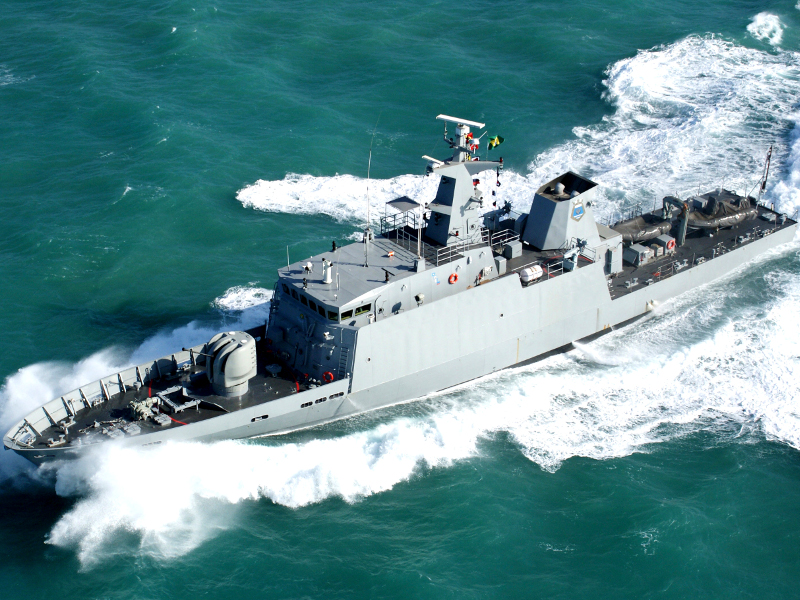
The Ministry of Defense reported that the increase in discretionary spending was due to the capitalization of EMGEPRON (which will build four Tamandaré class ships and purchase an Antarctic Support Ship), extraordinary credits for the continuation of Operation Acolhida (welcoming people in vulnerable situations in the state of Roraima) and execution of individual amendments by deputies.
The Ministry of Health provided figures that are inconsistent with those of the Treasury to claim that it executed a higher amount of expenditure in 2019 than the previous year. The Ministry of Education and Justice did not comment.
More: Brazil news in English, every day from The Rio Times.
This article was produced by The Rio Times’ automated newsroom system. How we use AI · Report an error · Editorial responsibility: Matthias Camenzind, Editor-in-Chief