
Africa: Djibouti
A new treaty for the Intergovernmental Authority on Development (IGAD), the regional bloc of East African states, has entered into force. IGAD announced it on Monday 16 November 2026 from Djibouti City, where its secretariat, the bloc’s administrative headquarters, is based.
The treaty replaces the agreement that has governed the bloc since 1996. For US readers it matters because Djibouti, home of the bloc’s Secretariat, sits on the Red Sea shipping route and hosts Camp Lemonnier, which the Congressional Research Service (a research arm of the US Congress) calls the only enduring US military installation in Africa.
Key Facts
- Treaty. The Intergovernmental Authority on Development (IGAD) says its 2023 treaty is now in force.
- Replaces. The new treaty replaces the bloc’s 1996 agreement, which now “ceases to have legal force”.
- Ratified. Five states have ratified: Djibouti, Ethiopia, Kenya, Somalia and South Sudan (recorded 15 September 2026).
- Caution. The goals are “not automatic entitlements”, and entry into force only starts implementation.
- US link. Djibouti, which hosts the bloc’s Secretariat, also hosts Camp Lemonnier, a US military base.
The Horn of Africa’s main regional club has a new legal footing after three decades. What changes in practice depends on member states, money and follow-through.
The Big Picture: From Drought Bloc to Treaty Body
IGAD was founded in 1986 to tackle drought, desertification and food insecurity, IGAD says on its own pages. The 1996 agreement then widened its mandate to peace, security, development and regional cooperation.
On Monday 12 June 2023, the bloc’s Assembly of Heads of State and Government, its top body of national leaders, adopted a new treaty in Djibouti. That was the 14th Ordinary Session, and IGAD marks its 40th anniversary in 2026.
Djibouti’s president, Ismail Omar Guelleh, has chaired that Assembly since the June 2023 summit. The bloc’s Secretariat sits in Djibouti City.
What changes is the legal footing: the 1996 text no longer applies, but existing institutions and decisions continue “subject to the necessary alignment with the new Treaty”, IGAD says. IGAD adds that the treaty strengthens governance, clarifies the duties of its organs (decision-making bodies) and provides for more structured dispute resolution.
What it confirms is the wide mandate: Article 24 lists 18 areas of cooperation, among them trade, energy, agriculture, free movement, peace and security, and health. What it rules out is a quick payoff, because IGAD says the objectives “are not automatic entitlements arising on the date of entry into force”.
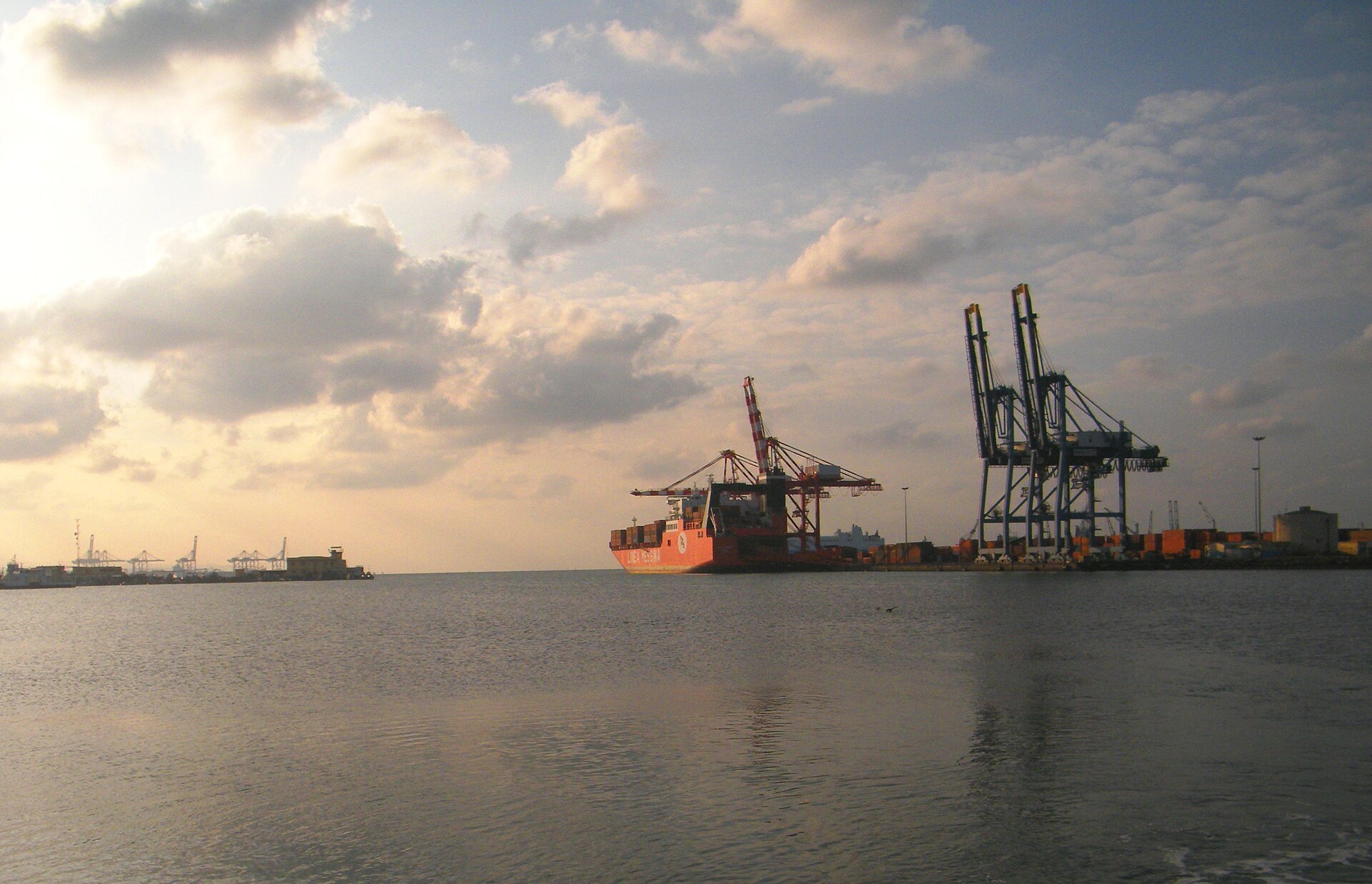
For background on the host country, see our explainer on Djibouti’s role in Africa and our Djibouti coverage. The country is small, but its port and location give it unusual weight in the region.
How the Treaty Got Over the Line
Article 59, as IGAD summarises it, says the treaty takes effect 60 days after two-thirds of member states deposit their ratification with the Executive Secretary, IGAD’s top official. Ratifying means a state formally approves the treaty at home, and depositing means lodging that approval with him as depositary.
On Tuesday 15 September 2026, the 74th Extraordinary Session of the IGAD Council of Ministers in Djibouti welcomed that the required threshold had been reached. It recorded five ratifying states and endorsed the formal entry into force.
The council called on the remaining states to finish and told the Executive Secretary to notify members of the effective date. It also asked him to send certified copies and to register the treaty with the African Union, the continental body, and the United Nations.
Somalia ratified in January 2026, according to an IGAD statement. On 16 November 2026, Executive Secretary Dr Workneh Gebeyehu, IGAD’s top official, thanked heads of state, ministers and parliamentarians and urged the rest to complete ratification.
Why It Matters
A treaty cannot feed anyone, but it sets the rules for how neighbours act together in a crisis. Gebeyehu said on 16 November 2026: “When conflict spills across our borders or drought takes away a family’s livelihood, our ability to act together matters.”
The scale is large. IGAD said on 15 September 2026 that nearly 49 million people in its member states face acute food insecurity and more than 19 million are displaced inside their own countries.
Money is the weak point, in IGAD’s own words. On the same day Gebeyehu urged the council to stabilise essential operations, settle outstanding arrears (unpaid member dues) and set up a funding framework.
For the United States, the region matters for security and aid, and the Congressional Research Service calls Camp Lemonnier in Djibouti the only enduring US military installation in Africa. Our report on the joint condemnation of drone strikes in Sudan shows how closely the region’s crises are watched.
What Is Not Known
IGAD’s pages give no effective date for the treaty and no dates on which states deposited their ratifications. They also list no states that have yet to ratify, so the full count of members still outside the treaty is not public.
The Secretariat says it will explain the 18 areas of cooperation “in the coming weeks”, but has not yet said which will be acted on first. Whether member states will pay the arrears and fund the new structure is also not stated.
What It Means for You
If you follow shipping, security or aid, the practical test is whether IGAD members now coordinate better on cross-border crises. A stronger bloc could be a steadier partner for Washington and other donors, but that depends on money and political will.
Travellers and investors should expect no overnight change, since IGAD says nothing is automatic. Watch for the Secretariat’s explanations of the 18 areas, which will show where the bloc intends to put its effort.
Frequently Asked Questions
What is IGAD?
IGAD, the Intergovernmental Authority on Development, is a regional bloc of East African states. It was founded in 1986 to fight drought and now also works on peace, security and development.
What does the new IGAD treaty do?
It replaces the 1996 agreement and, IGAD says, strengthens governance, clarifies the duties of its organs and provides for more structured dispute resolution. IGAD says the 1996 agreement now ceases to have legal force.
Which states have ratified it?
IGAD’s Council of Ministers recorded five ratifying states on 15 September 2026: Djibouti, Ethiopia, Kenya, Somalia and South Sudan. IGAD’s pages do not list the members that have not yet ratified.
Does the treaty create free movement now?
No, not automatically. IGAD says the objectives “are not automatic entitlements arising on the date of entry into force”, although free movement is one of the 18 areas of cooperation in Article 24.
Why does Djibouti matter to the United States?
Djibouti hosts Camp Lemonnier, which the Congressional Research Service, a research arm of the US Congress, calls the only enduring US military installation in Africa. Its president, Ismail Omar Guelleh, chairs the IGAD Assembly, and the country sits on the Red Sea shipping route.
Sources
IGAD press release, 16 November 2026 · IGAD treaty explainer · Congressional Research Service on Djibouti · IGAD Council of Ministers, 74th Extraordinary Session, 15 September 2026
This article was produced by The Rio Times’ automated AI newsroom. Editorial responsibility: Matthias Camenzind, Publisher and Editor-in-Chief. The Rio Times also runs Ask Rio Times, which answers from 100,000+ of our own articles, the daily Latin America Power Map, and prediction-market odds on elections and markets.. How we use AI · Report an error
Horn of Africa and the Red Sea
- Horn of Africa 2026: Why It Matters and Who Backs Whom
- Ethiopia’s Neighbors Explained, Ports, Eritrea, Somalia
- Eritrea Explained 2026, a Red Sea Country Guide
- Somalia Explained: Al-Shabaab, Somaliland, the Ports and the Fight Over a 2026 Vote