Djibouti Explained: Foreign Bases, the Port Economy, Guelleh’s Sixth Term and What to Watch
AFRICA · DJIBOUTI
Key Facts
- —The country A Horn of Africa state of about 1.1 million people, guarding the Bab el-Mandeb entrance to the Red Sea.
- —Who rules Ismail Omar Guelleh, in power since 1999, won a sixth term in April 2026 with about 97 percent.
- —The business model Ports serving landlocked Ethiopia and rent from foreign military bases, including the only permanent US base in Africa.
- —The catch The IMF rates Djibouti in debt distress, and China’s Exim Bank holds about half of its external debt.
Djibouti has about 1.1 million people, little farmland and no oil, yet the world’s largest militaries crowd onto its coast. This guide explains how the country earns its living, who runs it and what that means for outsiders.
Djibouti sits where the Red Sea meets the Gulf of Aden, on one of the busiest shipping lanes on earth. As of September 2026, its economy rests on two incomes: moving Ethiopia’s trade and leasing land to foreign armies.
Where Djibouti Is and Why It Matters
The Republic of Djibouti covers about 23,200 square kilometres on the Horn of Africa. It borders Eritrea, Ethiopia and Somalia, and faces Yemen across the narrow Bab el-Mandeb strait.
The World Bank estimates the population at about 1.1 million, and the capital is Djibouti City. Arabic and French are the official languages, and Islam is the religion of about 94 percent of residents.
The two main communities are Somalis, mostly of the Issa clan, and the Afar, with a smaller Arab minority. An Afar rebellion in the 1990s showed how sensitive the balance between them can be.
Roughly one-tenth of the world’s seaborne oil passes the strait, according to our analysis of the waterway. That position explains why a country with few natural resources matters to Washington, Beijing, Paris and Tokyo.
From French Outpost to the Guelleh Era
Djibouti was a French colony, known in its final years as the French Territory of the Afars and the Issas. Djibouti became independent on 27 June 1977, and Hassan Gouled Aptidon led it until 1999.
From 1991 an Afar rebel movement, the Front for the Restoration of Unity and Democracy (FRUD), fought the government. A first peace deal came in 1994, and a final agreement ended the conflict in 2001.
Ismail Omar Guelleh, Gouled’s nephew and former security chief, succeeded him on 8 May 1999. He was born in Dire Dawa, Ethiopia, in 1947 and comes from the Issa community.
In 2010 parliament removed presidential term limits, and the change fed street protests in early 2011. The same amendment introduced an upper age limit of 75 for candidates.
How Power Works in 2026
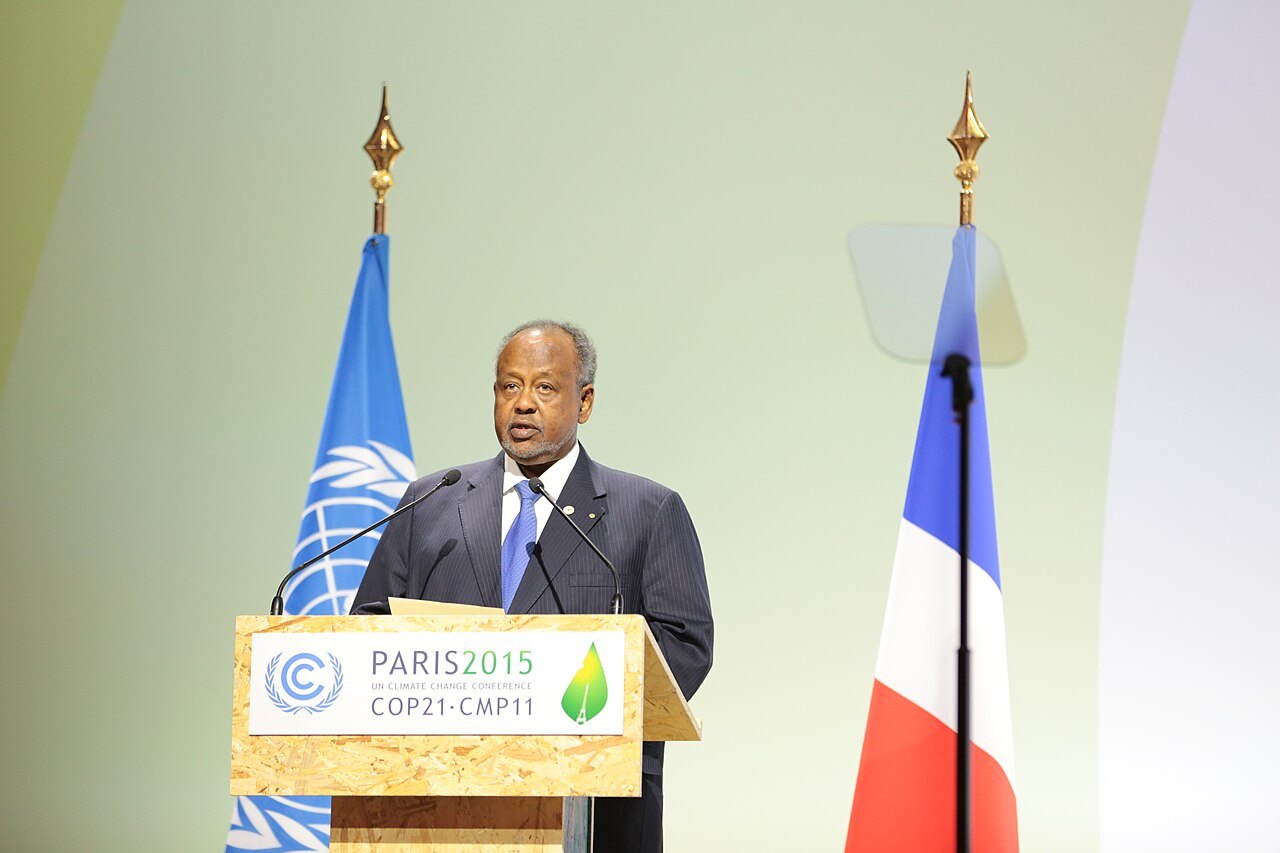
On 26 October 2025 all 65 lawmakers present in the National Assembly voted to scrap that age limit, Al Jazeera reported. Guelleh, then 77, was free to run again, and the vote took place on 10 April 2026.
The interior ministry first announced 97.81 percent for Guelleh, and the Constitutional Council later confirmed about 97 percent. His only opponent was Mohamed Farah Samatar, a former member of the ruling party with little national profile.
The main opposition coalition, the Bloc for National Salvation, fielded no candidate, and opposition groups had also boycotted the 2021 vote. Before the vote, Jeune Afrique openly asked whether the opposition would be visible at all.
Critics see a lifetime presidency taking shape. Omar Ali Ewado of the Djiboutian League for Human Rights said the revision “prepares a presidency for life”.
Opposition leader Daher Ahmed Farah said the country’s strategic interests “lie with the Djiboutian people, not with a single man”. National Assembly Speaker Dileita Mohamed Dileita defended the change as essential for stability in a turbulent region.
After the vote, Workneh Gebeyehu, head of the East African bloc IGAD, pledged continued cooperation on regional peace and stability. The African Union, whose commission is chaired by Djiboutian diplomat Mahmoud Ali Youssouf, also sent good wishes for the new term.
Press freedom is tightly limited. Reporters Without Borders ranks Djibouti 167th of 180 countries in its 2026 index and says no independent media operate inside the country.
In September 2026 the authorities held South African journalist Micah Reddy for four days over missing press accreditation, we reported. He was deported without charge, and officials gave no further explanation.
Ports, Railways and the Ethiopia Dependence
Ethiopia, landlocked since Eritrea’s independence in 1993, sends most of its foreign trade through Djibouti’s ports. Analysts who track the corridor say servicing that trade generates more than 75 percent of Djibouti’s GDP.
Chinese firms built much of the infrastructure, including the Doraleh Multipurpose Port and a free trade zone. The electrified railway to Addis Ababa, about 750 kilometres long, began commercial service on 1 January 2018.
The Doraleh Container Terminal is a lasting sore point with foreign investors. Djibouti seized it from Dubai’s DP World in February 2018, and a London arbitration ruling in 2020 ordered compensation.
The award was about US$533 million, and DP World says Djibouti has ignored the rulings in its favour. The terminal is now run by a government-owned management company, a warning about contract risk for investors.
Ethiopia wants more options, and that worries Djibouti. In January 2024 Addis Ababa signed a memorandum with Somaliland seeking sea access through the port of Berbera.
Guelleh has rejected an Ethiopian request for an extraterritorial corridor and naval base at Tadjourah, as we reported in September. “Djibouti is not Crimea,” he said, according to the Ethiopian Business Review, while offering Ethiopia ordinary port access.
Renting Out Geography: The Foreign Bases
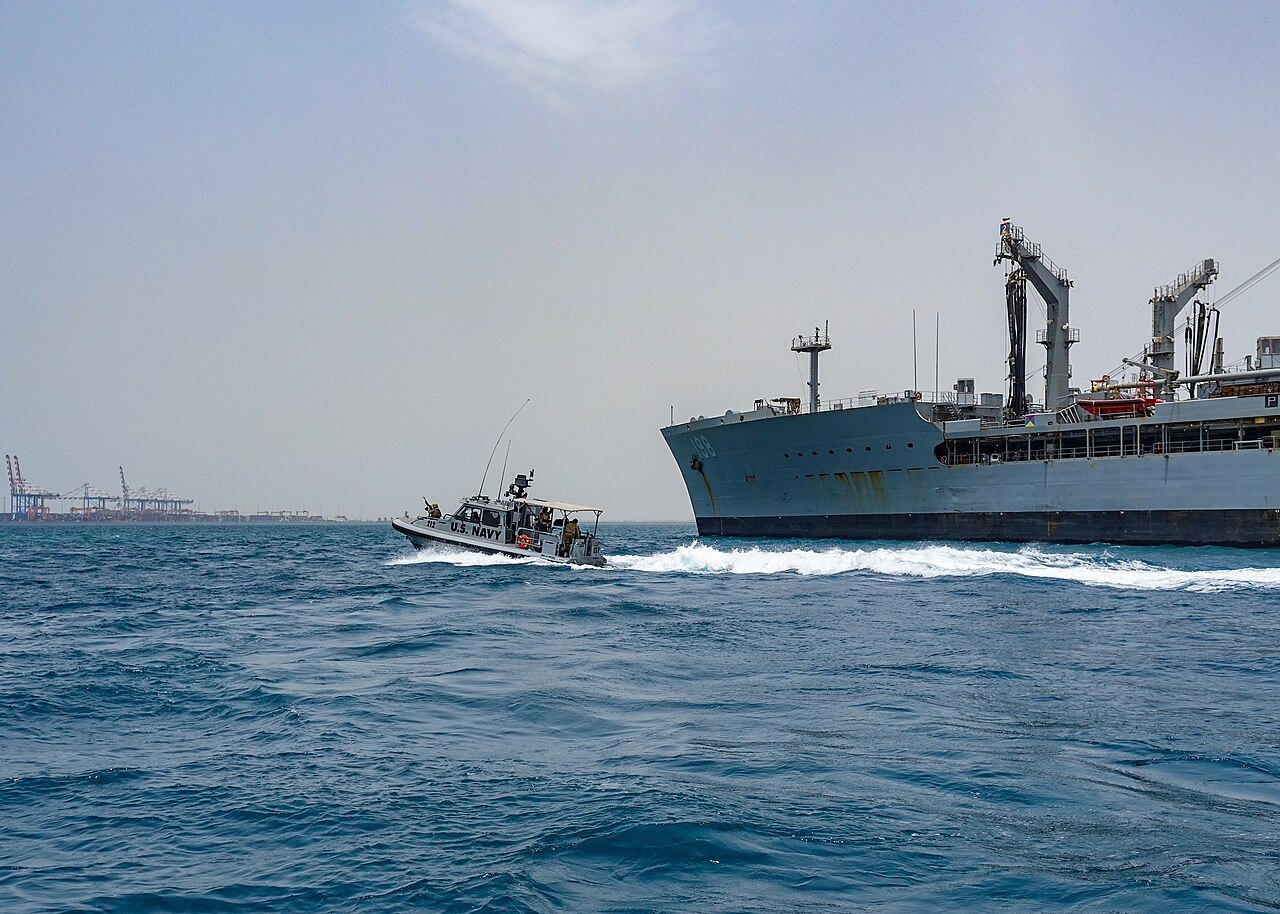
Djibouti hosts forces from the United States, France, China, Japan and Italy, among others. Officials like to say that geography is the country’s oil.
Camp Lemonnier is the only permanent US military base in Africa, with more than 4,000 personnel. Washington pays about US$60 million a year in rent for it.
China opened its first overseas military base near Doraleh in 2017, a few kilometres from the American camp. Japan has run its first long-term overseas base, beside the international airport, since 2011.
France, the former colonial power, signed a new defence treaty with Djibouti on 2 July 2024. On 17 July 2026 the European Union signed an agreement allowing its Red Sea naval mission, Aspides, to operate from Djiboutian soil.
Attacks on shipping by Yemen’s Houthi movement have made the bases more valuable and the neighbourhood more dangerous. When ships avoid the Red Sea and sail around Africa, Djibouti’s port business loses traffic.
Debt, China and the Dollar Peg
The Central Bank of Djibouti runs a currency board that has fixed the franc at 177.721 per US dollar since 1973. That rate still applied in September 2026, and the country has no exchange controls.
The World Bank estimates growth of 6.5 percent in 2025 and 5.9 percent in 2026, with inflation close to zero. Nominal GDP was about US$4.3 billion in 2024, or roughly US$4,100 per person.
The problem is debt taken on to build ports and railways. External public debt was 68.9 percent of GDP in 2024, and the IMF assesses Djibouti as in debt distress.
China’s Export-Import Bank holds about US$1.47 billion, roughly half of all external debt. A moratorium caps interest on the railway and water pipeline loans at about US$20 million through 2027, the IMF says.
The state budget is small by international standards. The 2025 state accounts show revenue of 158 billion Djibouti francs (about US$889 million) and a deficit of about US$47 million.
Xi Jinping and Guelleh raised ties to a comprehensive strategic partnership in September 2024. London School of Economics researchers found Chinese lenders hold close to half of external debt, making Beijing indispensable.
What It Means for Foreigners and Investors
British visitors need a visa, which can be bought on arrival with US dollar cash or obtained online in advance. Passports must be valid for six months, and travellers must show an onward ticket, Britain’s Foreign Office says.
London advises against all travel to the border with Eritrea. Journalists should note that working without the interior ministry’s accreditation can lead to detention.
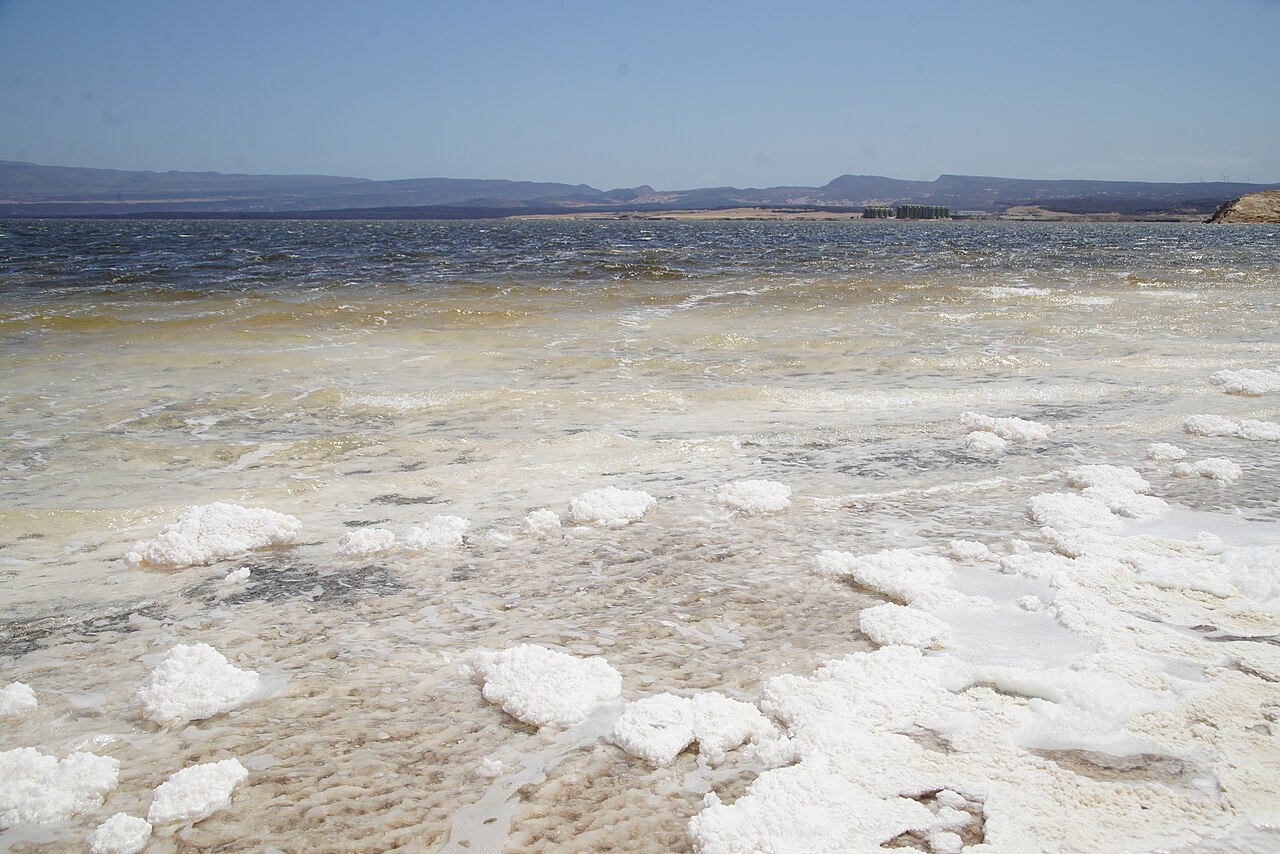
For tourists, the main draw is the landscape. Lake Assal, about 120 kilometres west of the capital, lies 155 metres below sea level and is the lowest point in Africa.
For investors, the dollar peg removes currency risk, and the free zones offer serviced land. The World Bank, however, says commercial electricity costs about 25 US cents per kilowatt hour, against an African average of 14.
In September 2026 the World Bank Group identified at least US$600 million of private investment potential and about 12,000 jobs. It pointed to off-grid solar, data centres and tourism, not more logistics.
The finance ministry describes its goal as moving from monetising geography to transforming it. State monopolies in telecoms, water and power, and state ownership of land, are the obstacles the report names.
What to Watch
Succession is the central political question, because Guelleh turns 79 in November 2026 and has named no successor. His new term runs to 2031, and power in Djibouti has passed only once since independence.
The second test is Ethiopia, which keeps looking for other routes to the sea through Somaliland, Eritrea or Kenya. Any shift of Ethiopian cargo away from Djibouti would hit the economy directly.
Watch the Red Sea as well, where shipping attacks raise base rents but drive away port traffic. Finally, watch whether Djibouti can refinance its Chinese debt before the moratorium ends in 2027.
Frequently Asked Questions
Why do so many countries have military bases in Djibouti?
Djibouti overlooks the Bab el-Mandeb strait, a chokepoint for shipping between Europe and Asia. The United States, China, France, Japan and Italy all station forces there, and their rent is a steady source of state income.
Who is the president of Djibouti?
Ismail Omar Guelleh has led Djibouti since 1999. He won a sixth term in April 2026 with about 97 percent, after parliament removed the age limit of 75. The main opposition coalition fielded no candidate.
What currency does Djibouti use?
Djibouti uses the Djibouti franc, fixed at 177.721 to the US dollar since 1973. The peg is run by a currency board, and there are no exchange controls.
Do I need a visa to visit Djibouti?
British visitors need a visa, available online or on arrival for US dollar cash. Other nationalities should check current rules with a Djiboutian embassy before travelling.
Why does Ethiopia matter so much to Djibouti?
Landlocked Ethiopia sends most of its foreign trade through Djibouti’s ports and railway. Analysts estimate that this trade generates more than 75 percent of Djibouti’s GDP.
This article was produced by The Rio Times’ automated newsroom system. How we use AI · Report an error
Read More from The Rio Times