Caribbean · Haiti
Key Facts
—Election date First-round presidential and legislative elections are scheduled for December 13, 2026.
—Runoff and local vote A runoff election and municipal vote are planned for February 21, 2027.
—Referendum A constitutional referendum will be held on the same day as the first round, December 13, 2026.
—Political parties A record 280 political parties registered to participate in the elections.
—Security context The vote is contingent on improved security; gangs control much of the capital, Port-au-Prince.
Haiti elections are now scheduled for December 13, 2026, marking the first general vote in a decade for the Caribbean nation of 11.7 million people. The Provisional Electoral Council, known as the CEP, released the revised calendar setting a first round of presidential and legislative contests alongside a constitutional referendum.
The Revised Electoral Timeline
The CEP’s calendar sets the first round for December 13, 2026. This date combines presidential, legislative, and a constitutional referendum into a single voting day.
If no presidential candidate wins outright, a runoff will follow on February 21, 2027. Local and municipal elections will also take place on that date.
Final results are expected to be published around March 7, 2027. The original plan had called for elections on August 30, 2026.
That earlier timetable was postponed because of severe gang violence and deep security fears across the country. Officials pushed the date back by four months to allow more preparation time.
A Record Field of Political Parties
A record 280 political parties registered by the deadline to take part in the process. This is an unusually high number for any national election.
The vast field reflects a fragmented political landscape. Haiti has lacked elected officials since early 2023, creating a vacuum that many groups now seek to fill.
The last general elections were held in 2016. Since then, the political system has unraveled, especially after the assassination of President Jovenel Moïse in July 2021.
Currently, a Transitional Presidential Council, or CPT, governs the country. It was formed to guide Haiti toward a return to democratic order.
Haiti elections and the Security Challenge
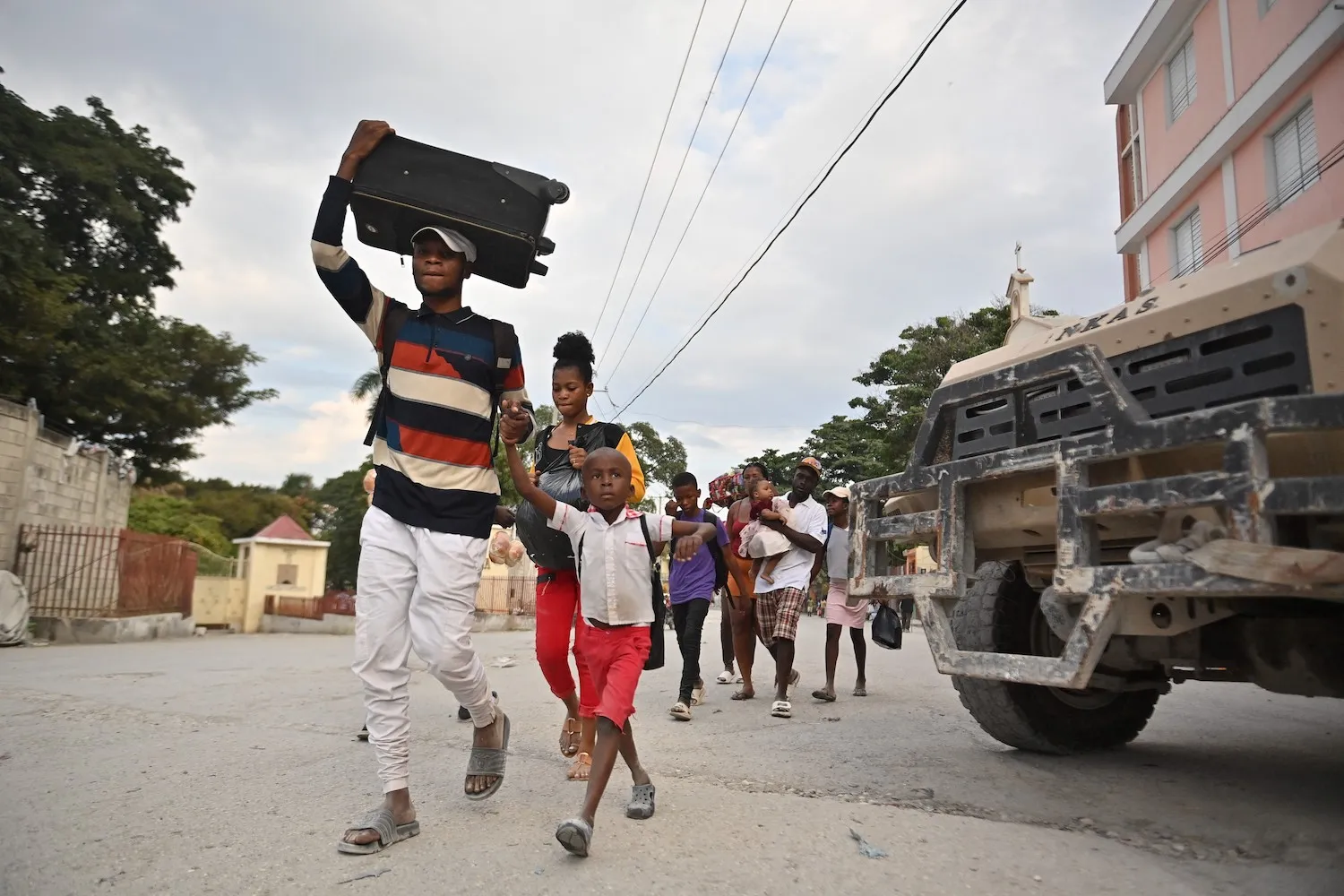
The entire electoral process remains contingent on improved security. Widespread gang violence continues to control large swaths of the capital, Port-au-Prince.
Armed groups have strangled key transport routes and neighborhoods. Their influence raises serious doubts about whether a free and fair vote can physically take place.
A Kenya-led Multinational Security Support mission, known as the MSS, has been deployed to assist the Haitian National Police. The mission aims to reclaim territory from gangs.
Despite this international support, security conditions remain fragile. Many observers question whether the December timeline is realistic without a major shift in the security landscape.
Funding and Logistical Hurdles
Organizing a nationwide vote in Haiti is a massive and expensive undertaking. The CEP must register voters, print ballots, and secure thousands of polling stations.
Funding for the elections is not yet fully secured. International donors have often shouldered the cost of Haitian elections, but commitments remain unclear for this cycle.
Logistical challenges are compounded by the country’s deep poverty. Haiti is the poorest nation in the Western Hemisphere, with infrastructure crippled by years of crisis.
Delivering materials to remote areas and ensuring the safety of election workers will test the capacity of the state and its international partners.
What the Referendum Means
Voters will also decide on a new constitution on December 13. The current document has been a source of political conflict for years.
Details of the proposed changes have not been widely publicized. The referendum was a key demand of some political factions before holding elections.
Holding the referendum and the first-round vote on the same day is a high-risk gamble. It doubles the complexity for electoral authorities and could confuse voters.
For international observers, the combined vote raises concerns about transparency. The success of the entire process hinges on the CEP’s ability to manage both contests simultaneously.
International Context and Outlook
Foreign governments, including the United States, have pushed for elections as a path to stability. They view a legitimate government as essential for long-term recovery.
However, the international community remains cautious. The MSS mission is under-resourced, and previous international interventions in Haiti have a troubled legacy.
The record number of parties could also lead to a highly fragmented legislature. This might make governing difficult even if the elections are held successfully.
For now, the December 13 date is a target, not a guarantee. The coming months will test whether Haiti can overcome its security and funding crises to hold a credible vote.
More: Latin America news in English, every day from The Rio Times.
Frequently Asked Questions
When are the Haiti elections scheduled?
The first round of presidential and legislative elections is scheduled for December 13, 2026. A runoff and local elections are planned for February 21, 2027.
Why were the Haiti elections postponed?
The elections were originally planned for August 2026 but were postponed due to widespread gang violence and severe security fears, particularly in the capital, Port-au-Prince.
How many political parties are running in the Haiti elections?
A record 280 political parties registered to participate, reflecting a deeply fragmented political landscape after years without elected officials.
Connected Coverage
Haiti’s Compas Direct at 71: UNESCO Heritage Meets a Fragile Future
Latin America Growth Now the Slowest in the World, Says World Bank
Sources: Provisional Electoral Council.
This article was produced by The Rio Times’ automated newsroom system. How we use AI · Report an error
Read More from The Rio Times