Haiti’s Compas Direct at 71: UNESCO Heritage Meets a Fragile Future
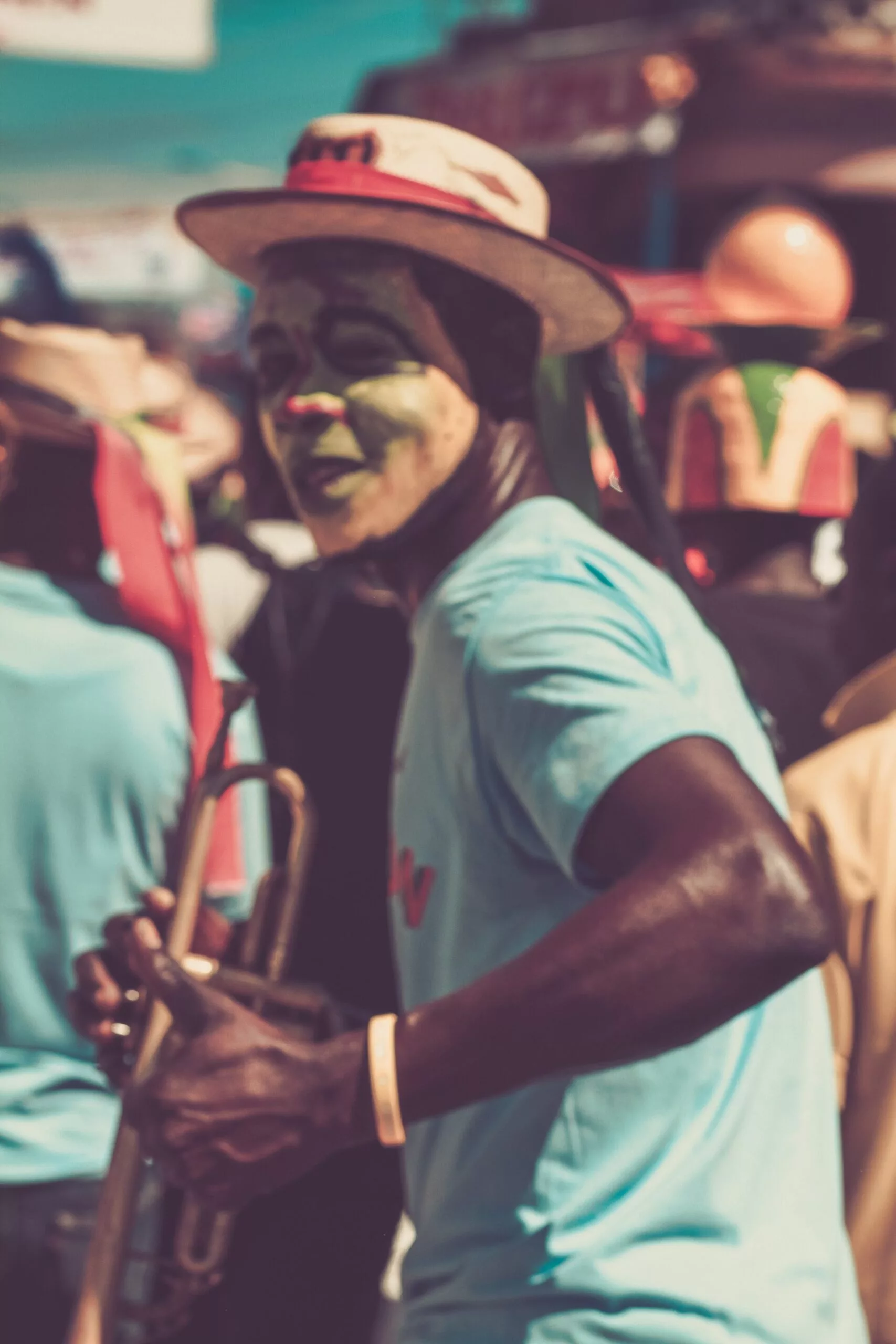
Cultural Heritage & Future Risks
Key Facts
—Origins. Nemours Jean-Baptiste created Compas direct in Port-au-Prince in 1955, making the genre 71 years old.
—UNESCO Status. Compas was inscribed on the Representative List of the Intangible Cultural Heritage of Humanity in 2025.
—Regional Influence. The genre shaped zouk, cadence-lypso and merengue across the Caribbean basin and its global diaspora.
—Key Threat. Gang violence in Port-au-Prince disrupts live performance circuits and the transmission of the tradition within Haiti.
—Digital Risk. Recordings and archives face obsolescence without systematic digital preservation strategies.
Seventy-one years after its birth in Port-au-Prince, Compas direct heritage now carries a UNESCO seal while confronting an unprecedented collision of security, climate and digital pressures that will define its next chapter.
A Sound Born from a Nation’s Pulse
Nemours Jean-Baptiste unveiled Compas direct on a Port-au-Prince stage in late July 1955, electrifying audiences with a new rhythmic architecture. The sound fused a modern méringue groove built on the 5-3 tanbou pattern with brass, congas, cowbell and off-beat percussion.
Within a decade, Compas became Haiti’s national dance music and a major Caribbean export. Groups like Tabou Combo, Skah-Shah and later Kassav’ carried the sound to Martinique, Guadeloupe, the Dominican Republic and North America, embedding it as a regional musical reference.
UNESCO Recognition and the Weight of Global Heritage
In 2025, UNESCO inscribed “The Compas of Haiti” on the Representative List of the Intangible Cultural Heritage of Humanity. The designation recognises Compas as both music and dance, a practice that transcends social classes and anchors festive and ceremonial life across the country.
The UNESCO dossier highlights Compas as a vehicle for themes of love, freedom, peace and collective memory. Haitian cultural figures describe it as “the collective memory of the nation,” a primary artistic representation of Haiti on the global stage.
This formal heritage status brings both prestige and practical opportunities. It can unlock funding, policy attention and educational integration, strengthening archives, festivals and school programmes dedicated to the genre.
The Violence Disrupting Live Transmission
The most immediate threat to Compas direct heritage is the gang violence that has paralysed large swathes of Port-au-Prince. Live performance circuits, dance schools and public festivals are repeatedly disrupted, forcing events to relocate to safer regions or diaspora hubs.
UNESCO and international observers note that Compas offers solace amid poverty and political turmoil. Yet the very communities that sustain the tradition face displacement, and out-migration risks shifting the genre’s centre of gravity away from Haiti itself.
For investors and cultural entrepreneurs, this fragmentation creates a dual reality. Diaspora networks in North America and Europe are building robust teaching and performance ecosystems, but the root transmission chain inside Haiti grows thinner each year.
Globalisation, Markets and the Authenticity Question
Digital platforms and international tastes push artists toward shorter, more commercial formats and cross-genre blends. New-generation Compas now incorporates reggae, Afrobeat, trap, EDM and R&B, raising sharp questions about what counts as authentic Compas.
Adding a legal layer, “Compas Direct” is a registered trademark in the United States held by Nemours’ heirs. The intersection of heritage status, intellectual property and global music business creates a complex landscape for artists and producers navigating commercial success and cultural fidelity.
The core tension is familiar across Latin America and the Caribbean: how to innovate for global audiences without eroding the distinctive rhythmic, linguistic and social elements that earned UNESCO recognition. The answer will shape the genre’s marketability and cultural integrity for decades.
Climate, Digital Decay and the Archive Emergency
Climate change threatens Compas less through the music itself than through the contexts that sustain it. Hurricanes, floods and sea-level rise damage the neighbourhoods, venues and institutions where Compas is played, danced and archived.
Heritage scholars argue that standards of authenticity and integrity must be rethought under climate stress. For a living tradition like Compas, repeated displacement of performance spaces and communities forces adaptation that tests the boundaries of the UNESCO framework.
Digital preservation presents an equally urgent challenge. UNESCO’s Charter on the Preservation of Digital Heritage warns that audio, video and online content face rapid technological obsolescence.
Without systematic archiving of recordings, scores, photographs and oral histories, large portions of Compas history could vanish as formats and platforms become unreadable.
What Compas Direct Heritage Means for Haiti’s Global Standing
The UNESCO inscription is widely seen inside Haiti as a way to show another face of the country beyond security crises. Music becomes a vehicle for narrative and pride, a counterweight to the dominant international portrayal of Haiti through the lens of violence and instability.
For the Latin America and Caribbean desk, Compas matters as a case study in how intangible heritage can function as soft power. A small nation’s musical tradition, recognised globally, attracts cultural tourism interest, diaspora investment and academic attention that other sectors cannot currently generate.
The read-through for expats and investors is straightforward: cultural assets are increasingly bankable in the global heritage economy. Compas direct heritage, properly safeguarded, represents a rare growth narrative for a country urgently needing them.
More: Latin America news in English, every day from The Rio Times.
Frequently Asked Questions
What is Compas direct and why is it significant?
Compas direct is Haiti’s flagship dance music, created by Nemours Jean-Baptiste in 1955. It is significant as both a national symbol and a major Caribbean export that influenced zouk, cadence-lypso and merengue, earning UNESCO Intangible Cultural Heritage status in 2025 for its role in Haitian festive and ceremonial life.
How does gang violence in Haiti affect Compas music?
Gang violence in Port-au-Prince disrupts live performances, dance instruction and public festivals, forcing events to relocate to safer regions or diaspora communities. This weakens the direct transmission chain within Haiti and risks shifting the genre’s creative centre away from its home soil.
What does UNESCO recognition mean for Compas direct’s future?
UNESCO recognition can unlock funding, policy support and educational integration for Compas, strengthening archives, festivals and research. It also raises the stakes for safeguarding the tradition against climate displacement, digital decay and commercial pressures that could erode its distinctive character.
This article was produced by The Rio Times’ automated newsroom system. How we use AI · Report an error · Editorial responsibility: Matthias Camenzind, Editor-in-Chief
Expat Guide to Haiti
What The Rio Times publishes for foreigners who live in or move to Haiti.
Start here
Coming up in Haiti
Understand Haiti