Welsh Tea and Heritage Draw Visitors to Argentina’s Chubut
Heritage & Culture
Key Facts
—Date. Gŵyl y Glaniad, the Welsh Landing festival, is marked each 28 July in Gaiman, Chubut.
—Origin. The commemoration recalls the first Welsh settlers who arrived aboard the Mimosa in 1865.
—Tea tradition. Local chapels and tea houses serve Welsh tea, bara brith and torta negra during the festival.
—Broader calendar. Eisteddfod festivals, concerts and bilingual activities are concentrated in July and early August, with some cultural events extending into October.
—Fundraising role. Some tea services raise funds for the maintenance of historic Welsh chapels.
The Gaiman Welsh Landing commemoration returns on 28 July with a cultural agenda that blends chapel tea services, Eisteddfod festivals and bilingual heritage events across Chubut province.
A Patagonian Tradition Rooted in 1865
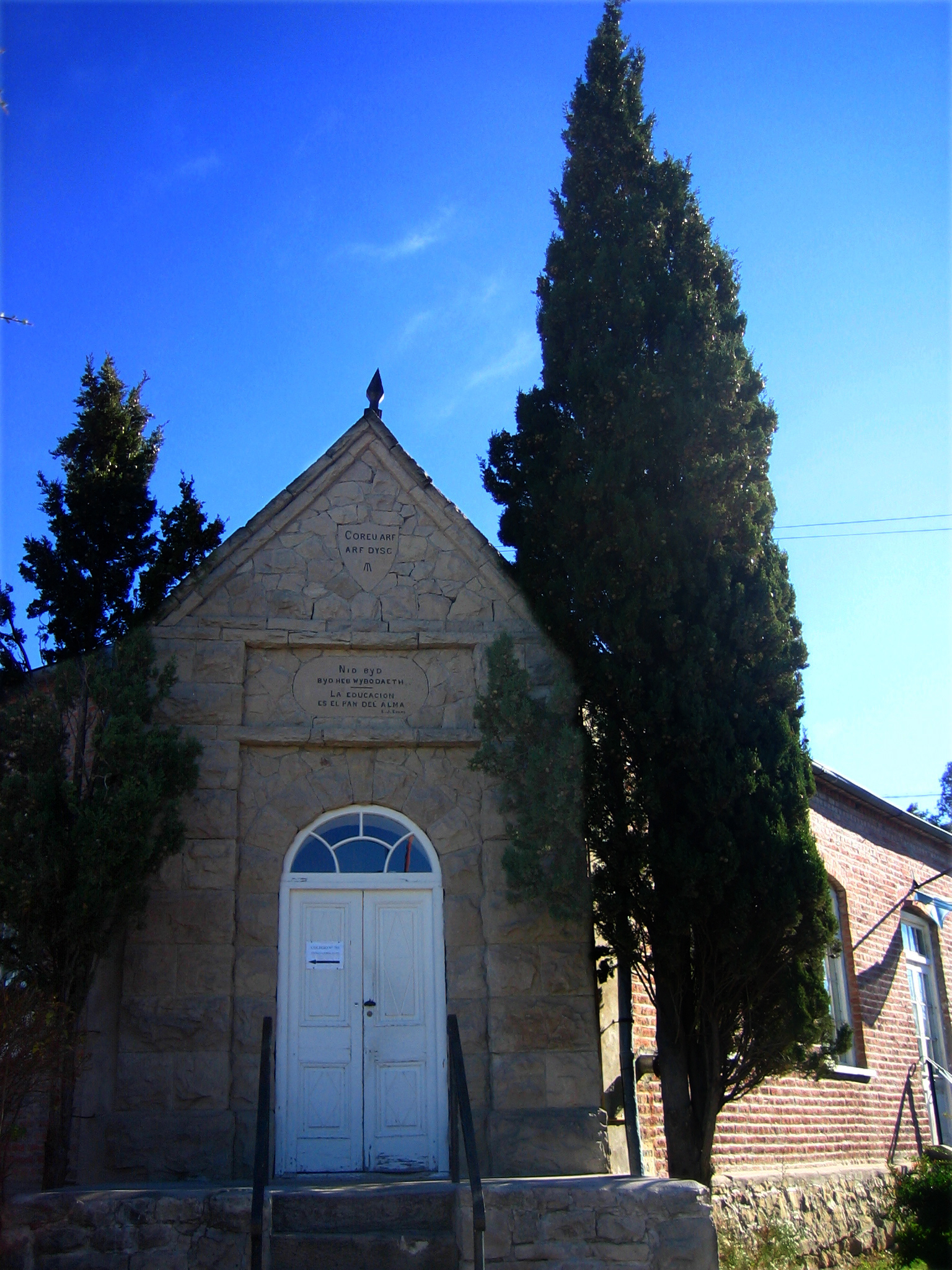
Gaiman, a small town in Argentina’s Chubut province, remains the heart of Welsh-Argentine identity in Patagonia. Each 28 July, residents mark Gŵyl y Glaniad, the festival that recalls the arrival of the first Welsh settlers aboard the Mimosa in 1865.
The landing was not a single event but the start of a deliberate colonisation project. Welsh families sought religious and linguistic freedom far from the industrialising pressures of Victorian Britain.
Today, that heritage survives in chapels, tea houses and bilingual schools. The annual commemoration draws visitors from across Argentina and beyond, offering a rare window into a living immigrant culture that predates the modern nation-state.
Tea Services That Sustain a Community
The special tea services during the Gaiman Welsh Landing festival are more than a tourist attraction. Local chapels open their doors to serve traditional Welsh tea alongside bara brith, a spiced fruit loaf, and torta negra, Patagonia’s own dark, dense fruitcake.
These gatherings carry a practical purpose. Many congregations use the proceeds to fund chapel maintenance, keeping historic buildings standing in a region where preservation budgets are thin.
For expats and investors eyeing Patagonia’s tourism economy, the tea tradition signals something durable. It is a low-capital, high-authenticity model that has sustained itself for generations without heavy state subsidy.
The Broader Cultural Calendar
The Gaiman Welsh Landing commemoration anchors a wider cultural agenda that stretches across July and October. Nearby towns including Trelew and Dolavon host Eisteddfod festivals, choral competitions rooted in Welsh bardic tradition.
Bilingual concerts, poetry readings and historical reenactments fill the programme. The calendar reflects a deliberate effort by provincial authorities and community groups to extend the tourist season beyond the summer months.
For the Chubut government, cultural tourism offers a counterweight to the volatility of oil and gas revenues. Heritage events require modest public investment and generate steady, small-scale economic activity in towns far from Buenos Aires.
What the Gaiman Welsh Landing Means for Investors and Expats
Patagonia’s Welsh heritage corridor is an under-appreciated asset in Argentina’s tourism portfolio. Gaiman and its neighbours offer a stable, family-oriented visitor experience far removed from the political noise of the capital.
Real estate in the lower Chubut valley remains affordable by international standards. A restored chapel tea house or a small heritage hotel can trade on a brand that has been building since 1865.
Expats already settled in Bariloche or the Atlantic coast are taking notice. The Welsh Landing festival offers a cultural depth that newer destinations cannot replicate, and the bilingual environment lowers the barrier for English-speaking visitors.
A Living Language and Its Economic Pull
Welsh remains a spoken language in Gaiman, taught in schools and used in chapel services. That linguistic survival is itself a draw for cultural tourists from Wales and the wider United Kingdom.
Direct flights between Buenos Aires and Trelew make the region accessible. The Welsh Assembly Government has funded exchange programmes, and private tour operators in Cardiff now package Patagonia as a heritage destination.
The economic logic is straightforward. A tourist who travels for language and heritage stays longer and spends more than a casual visitor.
Gaiman’s cultural agenda is built to capture exactly that market.
More: Argentina news in English, every day from The Rio Times.
Frequently Asked Questions
What is the Gaiman Welsh Landing commemoration?
It is the annual 28 July festival in Gaiman, Chubut, marking the 1865 arrival of the first Welsh settlers aboard the Mimosa. The event includes chapel ceremonies, Welsh tea services, music and historical reenactments.
What foods are served during the Welsh tea services in Gaiman?
Traditional Welsh tea is served alongside bara brith, a spiced fruit loaf, and torta negra, a dense Patagonian fruitcake. These are prepared by local chapels and tea houses, often to raise funds for building maintenance.
When do the Eisteddfod festivals take place in Chubut?
Eisteddfod festivals, featuring choral and poetry competitions rooted in Welsh tradition, run across July and October in Gaiman, Trelew and Dolavon. They form part of a broader cultural calendar that extends the tourist season beyond summer.
This article was produced by The Rio Times’ automated newsroom system. How we use AI · Report an error · Editorial responsibility: Matthias Camenzind, Editor-in-Chief
Expat Guide to Argentina
What The Rio Times publishes for foreigners who live in or move to Argentina.
Start here
- Argentina Security and Crime Explained 2026
- Argentina Money Guide for US Travelers
- Best Places to Live in Argentina for Expats 2026
- How to Open a Bank Account in Argentina as a Foreigner in 2026: Tax ID, Dollars, Apps
City guides
Coming up in Argentina
- Mendoza Things to Do, 9 to 31 October 2026 31 Oct
- IRONMAN San Juan in Argentina on 1 November 2026 1 Nov
- Mar del Plata Film Festival 2026: 5 to 15 November 5 Nov
- Primavera Sound Buenos Aires 2026: Gorillaz, The Strokes to Headline 28 Nov
Understand Argentina