Argentina History, From Indigenous Peoples to Milei

GUIDES · ARGENTINA
Key Facts
- —Country A federal republic of 23 provinces and the autonomous city of Buenos Aires. Its constitution dates from 1853 and was reformed in 1994.
- —Independence Declared in 1816 by the Congress of Tucumán. Argentines mark it every 9 July, a fixed national holiday under Law 27,399.
- —Democracy Restored in 1983 after the last military dictatorship (1976 to 1983). As of October 2026 there has been no break in constitutional order since.
- —Dictatorship toll The CONADEP truth commission listed 8,960 disappeared people and 340 clandestine detention centres in its 1984 Nunca Más report.
- —President Javier Milei of La Libertad Avanza, in office since 10 December 2023 after winning the runoff with 55.65 percent of the affirmative vote.
- —Prediction markets Polymarket gives Javier Milei a 55% chance of winning Argentina’s next presidential election, due in 2027 (11 October, 3:07 a.m. ET).
Argentina history is a story of booms and busts, coups and elections, repeated across two centuries. That pattern still drives the peso, the bond market and the 2027 election. For a US reader, it explains why Washington, the IMF and Wall Street watch Buenos Aires so closely.
This guide runs from the first hunter-gatherers to Javier Milei, with dates checked against Argentine government and UNESCO sources. More current coverage sits on the Rio Times Argentina page.
Before the Spaniards: Indigenous Argentina
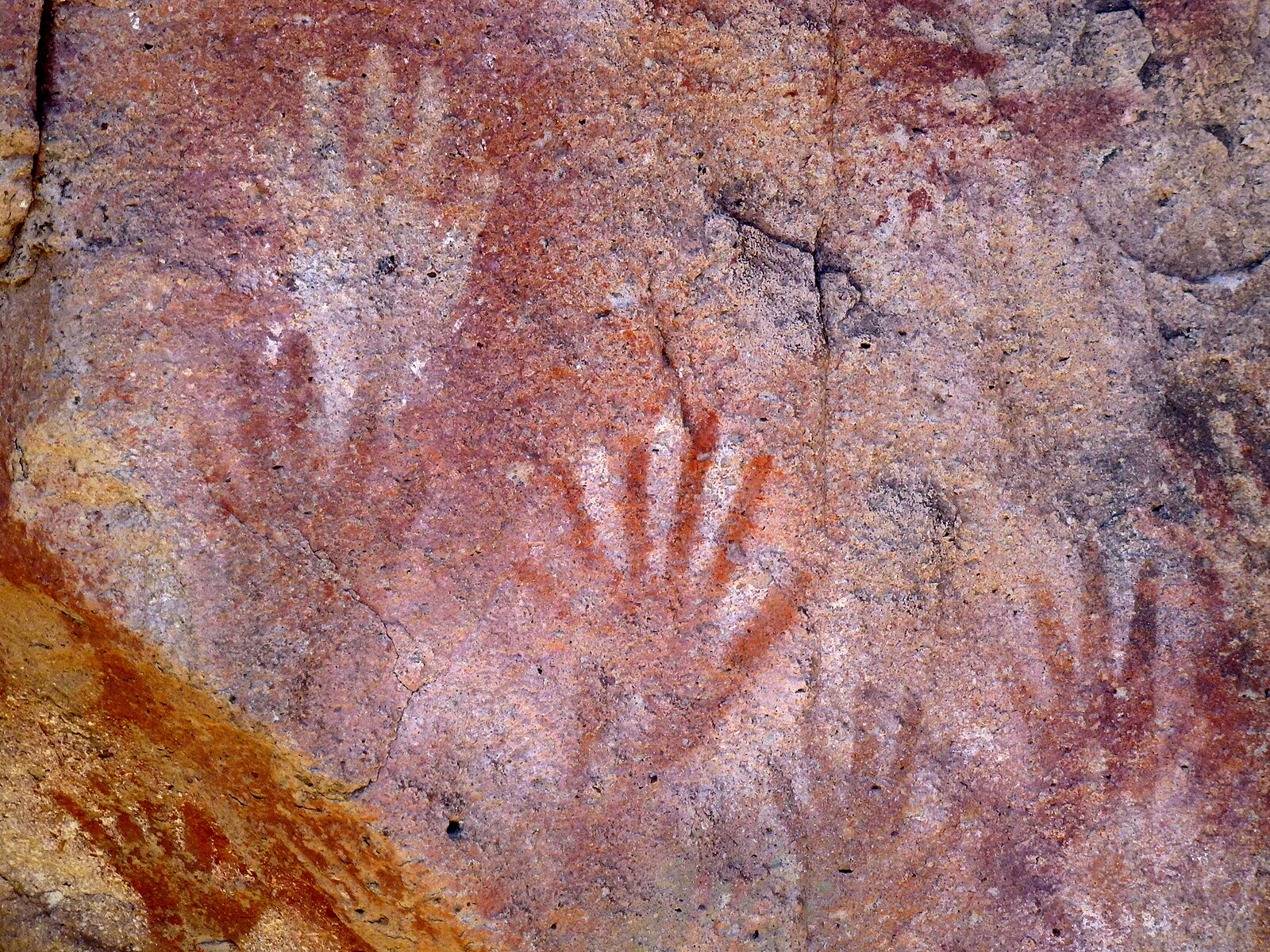
People lived in what is now Argentina thousands of years before Europeans arrived. The clearest trace is the Cueva de las Manos on the Río Pinturas in Santa Cruz province, in Patagonia. UNESCO, which listed it as World Heritage in 1999, says its stencilled hands were painted between 13,000 and 9,500 years ago.
UNESCO adds that the painters may have been ancestors of the hunter-gatherer peoples whom European settlers met in Patagonia in the 19th century. The official history of the Argentine presidency describes a varied map. Farming peoples influenced by the Inca, such as the Diaguita, lived in the northwest, and Guaraní farmers lived in the northeast.
Elsewhere lived hunting and fishing peoples, among them the Charrúa, the Querandí and the Tehuelche. Mapuche groups from Chile formed large confederations in the south. According to the presidency, they resisted white rule until the end of the 19th century.
Spanish Colonial Rule, 1536 to 1810
Spanish explorers first sailed into the Río de la Plata, the wide estuary between Argentina and Uruguay, in 1516. Spanish settlers founded Buenos Aires in 1536, abandoned it soon after and refounded it for good in 1580. For much of the colonial era the region sat on the edge of the Spanish empire.
That changed in 1776, when Spain created the Viceroyalty of the Río de la Plata with Buenos Aires as its seat. In 1806 British forces seized Buenos Aires. Local militias drove them out, and a second British attack failed the following year.
Those victories mattered. They showed the city’s criollos, people of Spanish descent born in the Americas, that they could defend themselves without Madrid. It was a short step from there to self-government.
Revolution and Independence, 1810 to 1816
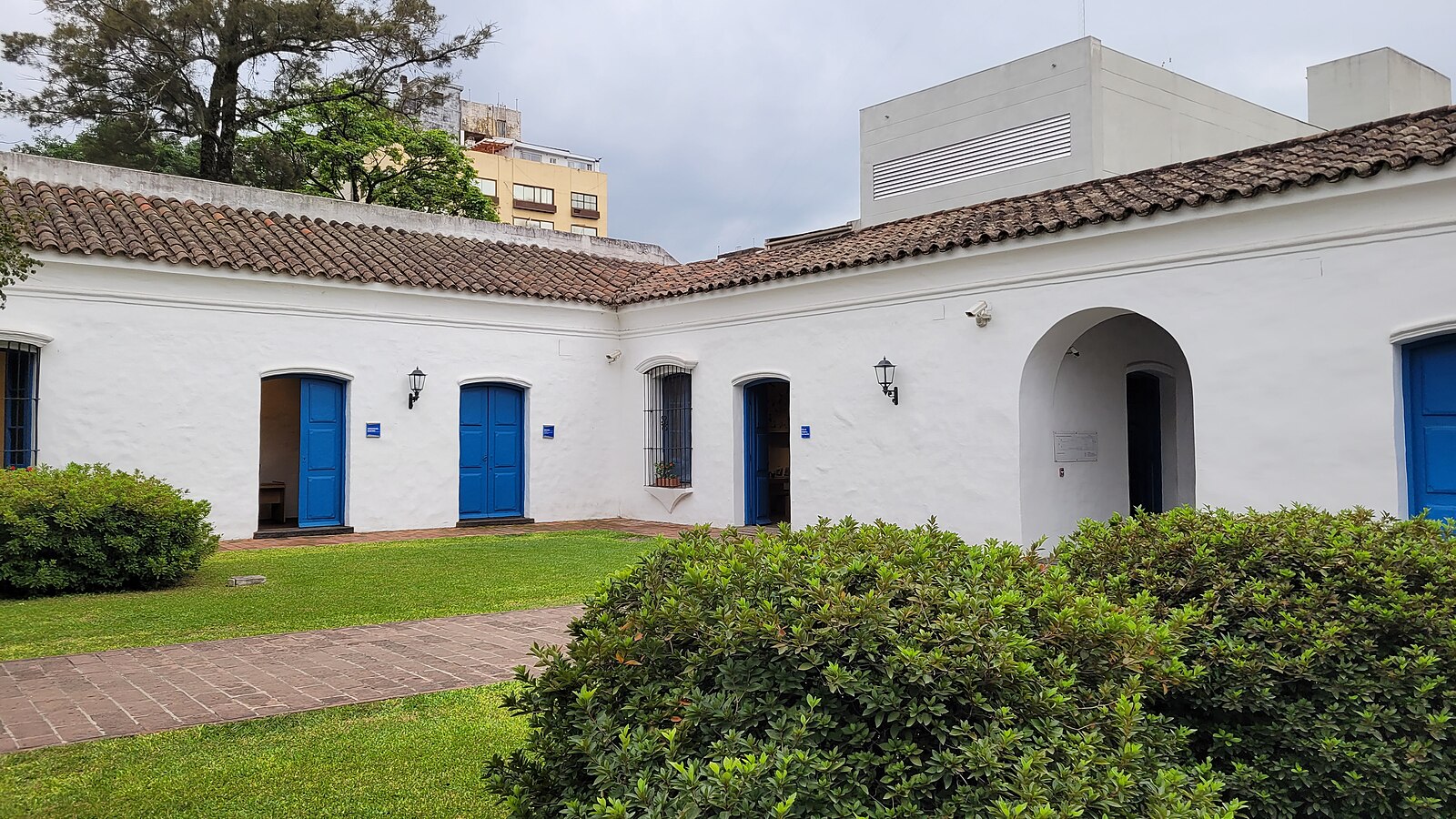
On 25 May 1810, residents of Buenos Aires formed the Primera Junta, the first local government. Argentines call it the May Revolution, and 25 May is a fixed national holiday. Independence itself came in 1816, when the Congress of Tucumán declared the independence of the United Provinces of South America.
The 9 July holiday marks that declaration. A third fixed holiday, on 20 June, honours General Manuel Belgrano, a leader of the independence era. Independence did not bring unity, though. Decades of conflict between Buenos Aires and the interior provinces followed.
The constitution of 1853 settled the basic design of a federal republic, and it still governs Argentina with later amendments. In 1880 the national state federalised the city of Buenos Aires, making it the national capital.
Nation Building, Immigration and the Export Boom
After 1880 the new state turned to the south. The presidency’s own history states plainly that the Indigenous peoples of the south were subdued in that period. The southern frontier was closed by force.
Mass immigration followed, drawn by work in the countryside and in the cities. Exports of grain and beef grew strongly, and new railways and ports tied the interior to world markets. Immigration changed the structure of Argentine society.
Politics opened up too. The Sáenz Peña law of 1912 made voting secret and compulsory for men. It opened the way for the Radical Civic Union, a reform party whose leader Hipólito Yrigoyen became president.
Coups, Perón and a Century of Instability
In 1930 a military uprising removed Yrigoyen, the first of a series of coups over the next half-century. Another coup in 1943 was backed by nationalist and clerical groups. Out of that regime rose Juan Domingo Perón, an army officer.
Perón won the presidency in 1946 with the support of workers and other popular sectors, and he was re-elected in 1952. His wife, Eva Perón, ran the Eva Perón Foundation and founded the Female Peronist Party after women gained the vote. Peronism, the nationalist and labour-based movement named after him, has shaped Argentine politics ever since.
In 1955 the whole opposition backed the coup that removed Perón. A further military regime ruled from 1966 to 1973, led first by General Juan Carlos Onganía. Perón returned and won again in 1973, with his wife Isabel as running mate.
He died in July 1974, and Isabel Perón took over amid political violence and economic chaos. The armed forces removed her in the coup of 1976. Argentina’s government calls what followed the last and bloodiest dictatorship.
Dictatorship, the Disappeared and the Falklands War
The regime that ruled from 1976 to 1983 ran secret detention centres where opponents were held, tortured and killed. Most were never seen again, which is why Argentines speak of the disappeared. The day of the coup, 24 March, is now the National Day of Memory for Truth and Justice.
In 1982 the junta invaded the Falkland Islands, which Argentina calls the Malvinas. Britain won a decisive military victory. Defeat broke the regime, and elections followed in 1983.
Five days after taking office, President Raúl Alfonsín created the CONADEP commission by Decree 187 of 15 December 1983. The writer Ernesto Sabato handed him the Nunca Más (Never Again) report on 20 September 1984. It listed 8,960 disappeared people and 340 clandestine detention centres. Human-rights groups use a higher figure of 30,000, and the total is still argued over.
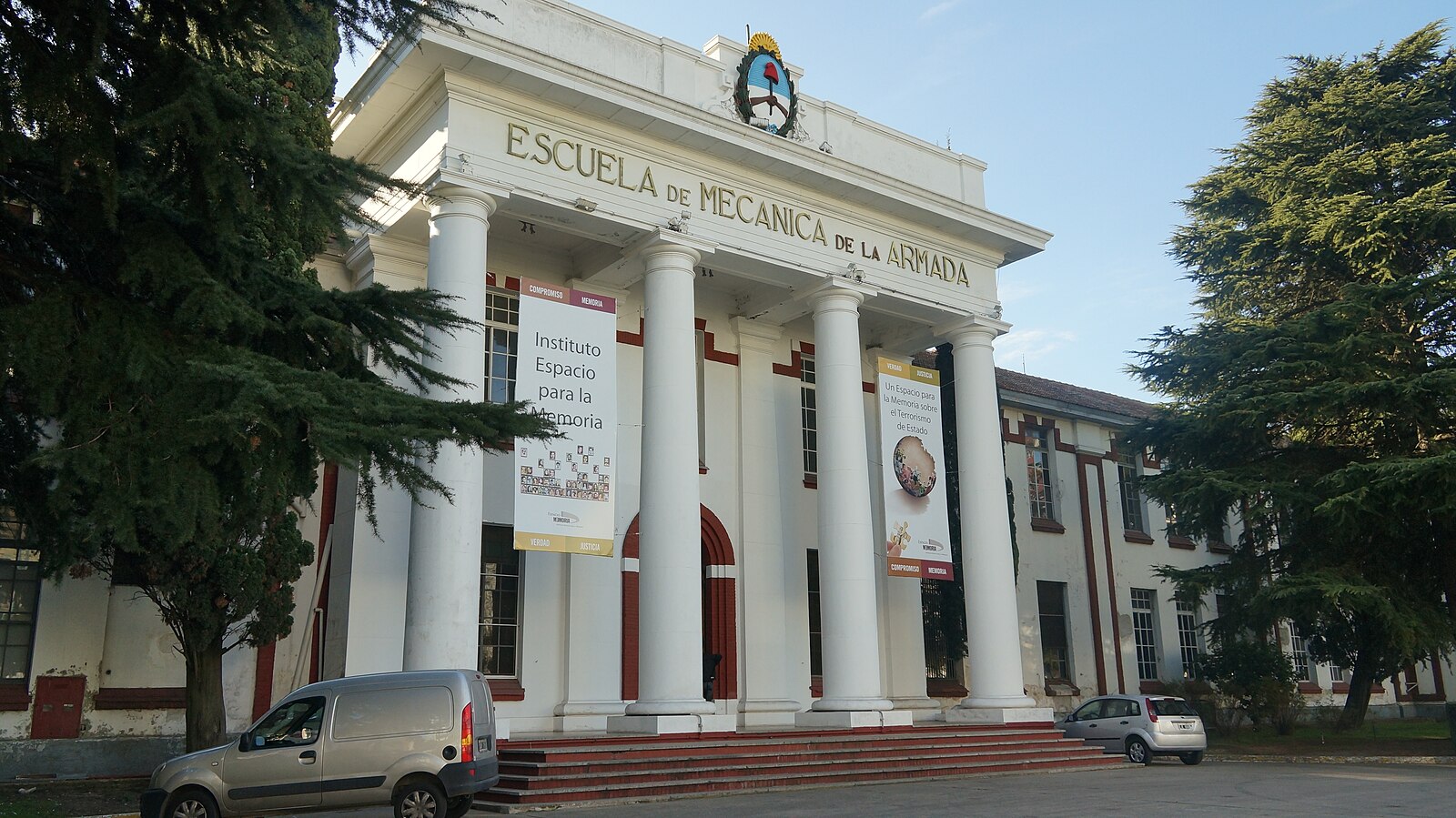
The Navy Mechanics School (ESMA) in Buenos Aires was the navy’s main secret detention centre. UNESCO, which added it to the World Heritage List in 2023, says more than 5,000 people were kidnapped, tortured and murdered there.
Argentina keeps 2 April as a fixed holiday for veterans and those who died in the Falklands war. Its claim to the islands remains official policy and a sensitive subject in conversation.
Democracy Since 1983: Crises and Recoveries
Alfonsín, of the Radical Civic Union, governed from 1983 to 1989. A severe economic crisis in 1989 brought in Carlos Menem, a Peronist, who ruled until 1999. The convertibility law of 27 March 1991 made the currency convertible into US dollars from 1 April 1991.
A 1994 constitutional reform allowed presidents to seek a second consecutive term. Fernando de la Rúa’s government ended in 2001 amid a new and deeper economic and social crisis. Eduardo Duhalde and then Néstor Kirchner led the recovery.
Cristina Fernández de Kirchner succeeded Kirchner in 2007. Mauricio Macri of Republican Proposal (PRO), elected for the Cambiemos coalition with the Radicals, governed from 10 December 2015 to 10 December 2019. He lost to Alberto Fernández of the Justicialist Party, the formal Peronist party, who took over on 10 December 2019.
On 10 June 2025 the Supreme Court upheld a six-year prison sentence and a lifetime ban from office for Fernández de Kirchner. The Vialidad case concerned 51 road contracts in Santa Cruz province. The court also confirmed her acquittal on a separate charge of illicit association.
Milei and the Road to 2026
Javier Milei, a libertarian economist leading La Libertad Avanza (Freedom Advances), won the runoff of 19 November 2023. He took 55.65 percent of the affirmative vote, or 14,554,560 votes. Sergio Massa of Unión por la Patria, the Peronist coalition, took 44.35 percent.
Milei took office on 10 December 2023 promising to cut spending and end chronic inflation. On 11 April 2025 the IMF board approved a 48-month extended arrangement worth US$20 billion. The IMF completed its second review of the programme, together with its 2026 country assessment, on 21 May 2026.
Washington stepped in directly in October 2025. The US Treasury signed a US$20 billion exchange stabilisation agreement with Argentina’s central bank in mid-October. Argentina drew US$2.5 billion in a swap and repaid it in full in December 2025, according to the Treasury.
Voters then gave Milei a stronger hand in the midterm election of 26 October 2025. La Libertad Avanza won about 40.6 percent of the national vote for deputies, against about 33 percent for Fuerza Patria, the main Peronist alliance. It took 64 of the 127 lower-house seats at stake and 13 of the 24 Senate seats.
The next presidential election is due in 2027. The leading opposition figure is Axel Kicillof, a Peronist economist who is governor of Buenos Aires province as of October 2026.
What It Means for US Readers
For investors, Argentina history is a record of booms ending in currency crises, from 1989 to 2001. That record is why Argentine bonds carry a risk premium and why elections move them. The crises of 1989 and 2001 remain the reference point for anyone weighing exposure to the peso.
For Washington, the past explains the present alignment. The US Treasury’s US$20 billion credit line of October 2025 tied the United States directly to Milei’s programme. The IMF arrangement of April 2025 adds a second layer of outside support.
For travellers and expats, history is part of the calendar. Banks and offices close on 24 March, 2 April, 25 May, 20 June and 9 July. The Falklands remain a sensitive subject, and the dictatorship is marked by marches and memorial sites in Buenos Aires and other cities.
What Prediction Markets Say
Polymarket gives Javier Milei a 55% chance of winning the next presidential election, as of 11 October 2026 at 3:07 a.m. ET. Axel Kicillof trades at 32.5% and Sergio Massa at about 7%. These are real-money bets, not polls.
The market opened on 1 May 2026 and has traded about US$835,000 in total volume. Milei’s price fell 1.5 points over the past day but sits 1.5 points higher than a month earlier. Kicillof is 2 points lower over the month.
Why we show this: prediction markets turn real-money bets into a live probability that moves within minutes of the news, which is why investors, campaigns and newsrooms in the United States now follow them closely. We show them next to polls and official results, never instead of them.
What Is Not Known
The exact number of people disappeared under the dictatorship is not known. The official CONADEP list of 1984 holds 8,960 names, while human-rights groups cite 30,000.
The age of the oldest art at the Cueva de las Manos is also unsettled. UNESCO’s own listing gives two ranges, 13,000 to 9,500 years ago and 9,300 to 1,300 years ago.
It is not known who will stand in 2027, or whether Milei’s stronger position in Congress will hold. Nor is it known whether the IMF programme will stay on track through its remaining reviews.
Frequently Asked Questions
When did Argentina become independent?
The Congress of Tucumán declared the independence of the United Provinces of South America in 1816. Argentines mark it every 9 July, a fixed national holiday. The May Revolution of 25 May 1810, when Buenos Aires formed its first local government, began the process.
Who lived in Argentina before the Spanish arrived?
Farming peoples influenced by the Inca, such as the Diaguita, lived in the northwest and Guaraní farmers in the northeast. Hunting and fishing peoples such as the Querandí and Tehuelche lived elsewhere, and Mapuche confederations held much of the south until the late 19th century.
Why was Juan Perón so important?
Perón won the presidency in 1946 with strong support from workers and was re-elected in 1952. He was overthrown in 1955 and returned to win again in 1973. Peronism, the nationalist and labour-based movement he founded, has been the main force in Argentine politics ever since.
How many people disappeared under the dictatorship?
The CONADEP commission listed 8,960 disappeared people and 340 clandestine detention centres in its Nunca Más report of 20 September 1984. Human-rights groups use a figure of 30,000, and the total is still disputed.
When did Argentina return to democracy?
In 1983, after defeat in the 1982 Falklands war broke the military regime. Raúl Alfonsín took office that year, and there has been no break in constitutional order since.
Who is the president of Argentina in 2026?
Javier Milei of La Libertad Avanza, in office since 10 December 2023. He won the runoff of 19 November 2023 with 55.65 percent of the affirmative vote, and his party won about 40.6 percent in the midterm election of 26 October 2025.
Sources: Casa Rosada, presidency of Argentina: national history (www.casarosada.gob.ar); UNESCO World Heritage Centre: Cueva de las Manos, Río Pinturas (whc.unesco.org); UNESCO World Heritage Centre: ESMA Museum and Site of Memory (whc.unesco.org); Law 27,399 on national holidays (www.argentina.gob.ar); Law 23,928, convertibility, 1991 (servicios.infoleg.gob.ar); International Monetary Fund: Argentina (www.imf.org); US Senate Banking Committee letter on the Treasury exchange stabilisation agreement, 4 February 2026 (www.banking.senate.gov); El Cronista: final count of the 2023 runoff (www.cronista.com); Chequeado: 2025 legislative election results (chequeado.com); Tiempo Argentino: CONADEP and the Nunca Más report (www.tiempoar.com.ar); Los Andes: Supreme Court ruling in the Vialidad case (www.losandes.com.ar); CIDOB: Mauricio Macri biography (www.cidob.org). All accessed 11 October 2026. Prediction-market prices from Polymarket, 11 October 2026, 3:07 a.m. ET.
This article was produced by The Rio Times’ automated newsroom system. How we use AI · Report an error · Editorial responsibility: Matthias Camenzind, Editor-in-Chief
In depth