
ETHIOPIA · BREAKING
Key Facts
- The country Ethiopia, where Oromia is the largest region and Arsi is a zone roughly 270 km (170 miles) south of Addis Ababa.
- What happened Attackers killed 60 Orthodox Christians in two raids, on 20 and 24 October 2026, the church says.
- The toll The church’s Holy Synod counts 14 dead in Merti district and 46 in Shirka district.
- Other counts Counts for the larger Shirka attack run from 43 to 51 dead.
- The blame Oromia’s regional government blames an armed alliance called Tsimdo; no evidence has been made public.
The Oromia attacks killed 60 members of Ethiopia’s Orthodox Christian community in the Arsi zone, the church’s Holy Synod said on Monday 26 October 2026. The synod, the governing council of the Ethiopian Orthodox Tewahedo Church, counts 14 dead on Tuesday 20 October and 46 on Saturday 24 October.
The killings add pressure on Prime Minister Abiy Ahmed, whose federal government had issued no statement by Wednesday 28 October. Oromia’s regional government blames an armed alliance called Tsimdo, and our earlier story on the Shirka attack has the first accounts.
In Plain English
The Ethiopian Orthodox Tewahedo Church is one of the oldest Christian churches in Africa, and the Holy Synod is its governing council of bishops. Oromia is Ethiopia’s largest region, and Arsi is a zone inside it where Orthodox Christians live as a minority among Muslims and Protestants.
A woreda is a district and a kebele is the smallest local unit, similar to a ward. Tsimdo is the name of an armed alliance that Oromia’s government accuses of the attacks.
What Happened
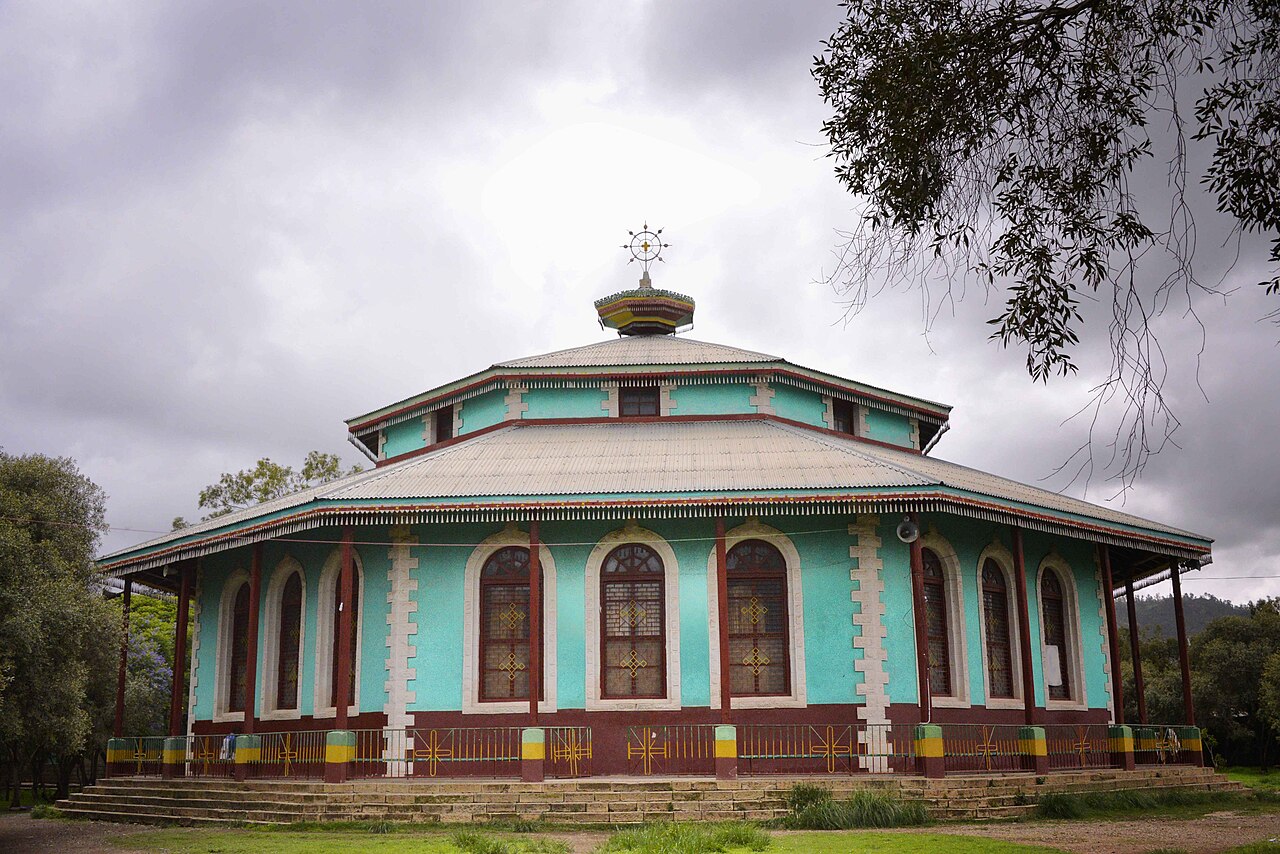
The first of the Oromia attacks hit Gora Silingo, in Merti district, on Tuesday 20 October 2026 and killed 14 people, the Holy Synod says. The second hit the Tereta, Chole and Birbo areas of Shirka district on Saturday 24 October and killed 46.
The synod says more than 20 people were seriously injured and are in hospital. It says 20 homes were burned down.
Shirka lies about 270 km (170 miles) south of Addis Ababa, the capital. Orthodox Christians are a minority in this part of Oromia.
Residents describe gunmen moving from house to house in the night of 24 October, using guns and knives. Churches in neighbouring villages sheltered families who fled.
Who Is Blamed and What the Government Says
Hailu Adugna, head of Oromia’s regional communication bureau, blamed Tsimdo, an armed alliance he says wants to stir ethnic and religious conflict. No evidence for the accusation has been made public, and no group has claimed the attacks.
Officials link the alliance to armed groups including the Oromo Liberation Army (OLA), a rebel force Ethiopia classes as terrorist. The OLA has not commented on these attacks and has previously denied that it targets civilians.
The federal government had issued no statement on the killings by Wednesday 28 October. Ethiopia’s national human rights commission said earlier only that it was following the situation.
The Church Toll Against Other Counts
The church counts 60 dead in both Oromia attacks, though its statement says more than 60, and it is the only count for Gora Silingo. For the larger Shirka attack, ACLED, a US-based group that tracks political violence worldwide, recorded at least 43 dead and 18 wounded.
Local residents gave higher figures for Shirka, including 44, 46, 47, 48 and 51 dead. No official tally has been released.
What the Church Is Asking For
The Holy Synod wants the government to condemn the attacks in public, bring the killers to justice and give legal protection to prevent a repeat. It also asks for protection of Orthodox Christians wherever they live and for a meeting with a senior government official.
The synod called the killings entirely unacceptable under the teachings of any religion. It asked all its monasteries and churches worldwide to hold memorial prayers on Tuesday 27 October.
Why It Matters
Arsi has seen repeated deadly attacks on Orthodox Christians this year. Local counts recorded 21 dead in Shirka in February, 34 in March and more than 37 around the turn of May and June.
In October 2025 the church reported more than 25 civilians killed in East Arsi. Our report on Oromia’s rebel warnings shows how the region’s armed conflict also reaches the mining sector.
Abiy Ahmed, prime minister since 2018, is also dealing with renewed fighting in Tigray and Amhara, as in a drone strike on a displacement camp. A church that counts more than four in ten Ethiopians as members has now asked his government for protection in public.
What It Means for You
For readers in the United States, the Oromia attacks matter most to the large Ethiopian and Oromo communities there, many of them Orthodox. Expect calls on Washington to press Addis Ababa after the Oromia attacks on protecting religious minorities.
Travellers should check the US State Department’s current Ethiopia travel advisory before any trip, because armed conflict affects several regions. Investors in Ethiopia’s opening economy should watch whether the violence spreads beyond Arsi.
What Is Not Known
No independent body has confirmed the church’s toll, and the final number of dead in the Oromia attacks may change. It is also unclear how many villages and churches were hit and whether any hostages are still held.
No group has claimed the killings, and no evidence linking Tsimdo to them has been made public. It is not known whether the federal government will open an investigation or send more troops to Arsi.
More: Africa news in English, every day from The Rio Times.
Frequently Asked Questions
How many people died in the Oromia attacks?
The Orthodox church’s Holy Synod says more than 60 people died, with a breakdown of 14 on 20 October and 46 on 24 October 2026. ACLED recorded at least 43 dead in the second attack alone.
Who is blamed for the attacks?
Oromia’s regional government blames an armed alliance called Tsimdo, but no evidence has been made public. No group has claimed the killings, and the federal government had made no statement by 28 October.
Where is Arsi in Ethiopia?
Arsi is a zone in the Oromia region of central-southern Ethiopia. Shirka district, where the larger attack happened, is about 270 km (170 miles) south of Addis Ababa.
Sources: Ethiopian Orthodox Tewahedo Church, Holy Synod statement on the Arsi killings, 26 October 2026; ACLED, conflict event data for Ethiopia, 26 October 2026; Ethiopian Human Rights Commission, 26 October 2026.
Editorial responsibility: Matthias Camenzind, Editor-in-Chief · Editorial standards · Report an error
Horn of Africa and the Red Sea
- Horn of Africa 2026: Why It Matters and Who Backs Whom
- Ethiopia’s Neighbors Explained, Ports, Eritrea, Somalia
- Eritrea Explained 2026, a Red Sea Country Guide
- Somalia Explained: Al-Shabaab, Somaliland, the Ports and the Fight Over a 2026 Vote