Ethiopia Accuses Eritrea of Funding Rebels as War Returns to Its North
Ethiopia · GEOPOLITICS
Key Facts
- —The country Ethiopia is Africa’s second most populous nation, with about 135 million people. Its US$126 billion economy (World Bank, 2025) works out at under US$1,000 a head, against over US$80,000 in the United States.
- —Why it matters Ethiopia has been landlocked since Eritrea won independence in 1993. A 2020–2022 war in its northern Tigray region, fought with Eritrean help, killed about 600,000 people by the African Union mediator’s estimate.
- —Why now On Sunday 20 September seven armed groups, including the Tigray People’s Liberation Front (TPLF) and Amhara’s Fano militias, formed an alliance to topple Prime Minister Abiy Ahmed. Fighting has since spread.
- —What happened Abiy’s spokesperson Billene Seyoum told Reuters the alliance had financial backing from Eritrea. On 23 September President Taye Atske Selassie told the UN of outside “interference”, naming no country.
- —Who is involved Eritrea denies backing armed groups in Ethiopia. Abiy adviser Getachew Reda has also accused Egypt, which opposes Ethiopia’s giant Nile dam, the Ethiopian outlet Borkena reported.
- —What it means for you Ethiopian Airlines cancelled flights to Mekelle, Tigray’s capital, after fighters seized its airport. Tigray, Afar and Amhara all saw fighting this week; check travel advice before any trip north.
- —Still open Whether Eritrea is drawn into the fighting directly, and whether the African Union (AU), which brokered the 2022 peace deal, can get talks restarted.
Tensions between Ethiopia and Eritrea have sharpened after Addis Ababa accused its neighbour of funding a new rebel alliance. Ethiopia, Africa’s second most populous country, is once again at war in its north.
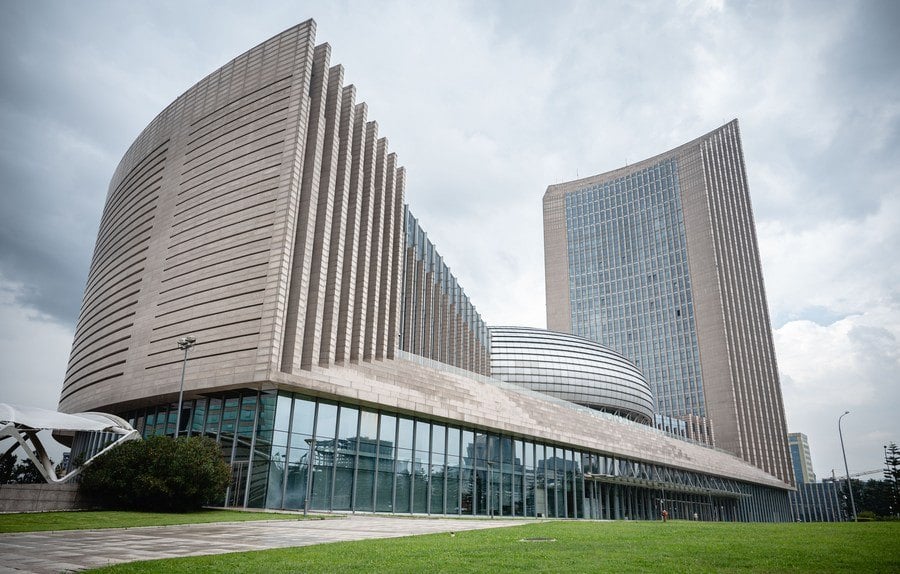
Eritrea is the small, closed Red Sea state that broke away from Ethiopia in 1993. It fought alongside Ethiopia’s army in the 2020–2022 Tigray war, but the two governments have since become open rivals.
The new accusations come as seven Ethiopian armed groups join forces against Prime Minister Abiy Ahmed. Some of them were bitter enemies only four years ago.
Who said what
The most direct charge came from Billene Seyoum, spokesperson for Prime Minister Abiy Ahmed. She told Reuters that members of the new alliance had been collaborating for some time with financial backing from Eritrea.
She spoke after the alliance was announced late on Sunday 20 September. According to Al Jazeera, she said the formal declaration confirmed what government officials had been saying.
President Taye Atske Selassie, whose post is largely ceremonial, took the case to the United Nations General Assembly in New York. On Wednesday 23 September he condemned “interference in our internal affairs by adversarial elements”.
He named no country and said Ethiopia had “exercised immense restraint”. Africanews, drawing on the Associated Press, said his remarks appeared aimed at Eritrea and Egypt.
Getachew Reda, a minister who advises Abiy on East African affairs, has gone further. Borkena, an Ethiopian outlet, reported on 21 September that he accused Eritrea and Egypt of using armed groups as proxies.
Eritrea has repeatedly denied supporting armed groups in Ethiopia, Reuters reported on 24 September. A senior TPLF official told Al Jazeera the alliance’s foreign ties were political contacts, not military or logistical backing.
Who is in the new alliance
The Ethiopian Peoples’ Forces Alliance for Survival brings together seven armed groups from across the country. Fano commander Zemene Kassie read its founding statement and will chair it.
The best known members are the TPLF, which dominated Ethiopia’s government until 2018, and the Amhara Fano National Movement. The Oromo Liberation Army (OLA), which fights in Ethiopia’s largest region, Oromia, has also signed.
Four smaller movements from the Somali, Afar and Benishangul-Gumuz regions complete the list. The alliance says it wants to remove Abiy and install a transitional government.
Its target is Abiy’s Prosperity Party, re-elected in June in polls that major opposition groups boycotted. The line-up is striking, because Fano and Eritrea fought with federal troops against the TPLF in the last war.
Al Jazeera reported that the alliance had been almost a year in the making. Fano turned against the federal government in 2023, after Abiy moved to fold regional forces into the national army.
A peace deal that has unravelled
The Tigray war began in November 2020. Former Nigerian president Olusegun Obasanjo, the African Union (AU) mediator, estimates it killed about 600,000 people. The AU brokered the Pretoria agreement that ended the war in November 2022.
Eritrea was left out of that deal, and relations between Ethiopia and Eritrea soured. Abiy’s push for sovereign access to the sea, including through the Eritrean port of Assab, widened the rift.
The accusations are not new. In October 2025 Ethiopia’s foreign ministry told the UN that Eritrea and a TPLF faction were “financing, mobilising and directing” Fano forces.
In January 2026 federal police said they had seized more than 56,000 rounds of ammunition sent by Eritrea to Fano. Eritrea’s information minister, Yemane Gebremeskel, denied it and accused Abiy’s party of seeking a pretext for war.
The fighting this week
Major clashes erupted in Tigray this week and spread into the neighbouring Afar and Amhara regions, the BBC reported. Each side says the other started it.
The TPLF says it is responding to a federal offensive that included drone strikes. The government says Tigrayan forces attacked first, and the state news agency called the TPLF a “Trojan horse”.
On Wednesday 23 September TPLF fighters seized the airport in Mekelle, Tigray’s capital, from federal police, the Associated Press reported. Ethiopian Airlines, the state carrier, cancelled flights there and elsewhere in the region.
Reuters, citing security sources, said Tigrayan and Fano fighters have been fighting side by side in Amhara since Wednesday. Fano has waged an insurgency there since 2023.
On Friday 25 September phone and internet networks in Tigray went down, Reuters and Al Jazeera reported. That raised fears of a repeat of the blackout imposed during the last war.
The rivalries behind the charge
Many analysts and Ethiopia experts believe Eritrea does support the TPLF, Reuters and the news agency AFP report. Asmara, AFP says, fears Ethiopia may invade to gain access to the Red Sea.
Egypt is the other name in the frame. Cairo sees the Grand Ethiopian Renaissance Dam (GERD) on the Blue Nile as a threat to its water supply.
Sudan’s war adds a third layer, with Eritrea aligned with Sudan’s army. The BBC notes that the army and its paramilitary rival, the Rapid Support Forces (RSF), stand on opposite sides in Tigray.
Ethiopia and Egypt both joined the BRICS group of emerging economies, which includes Brazil, in January 2024. A war between Ethiopia and Eritrea would pull several of these rivalries into one conflict.
What it means for outsiders
For travellers, northern Ethiopia is now an active conflict zone. Flights to Mekelle are cancelled, and Tigray, Afar and Amhara all saw fighting this week.
For investors, the main worry is trade. Most of Ethiopia’s imports and exports move by road and rail through neighbouring Djibouti, and that corridor crosses the Afar region.
The government is also fighting insurgencies in Amhara and Oromia. The new alliance could link these conflicts politically and militarily, the BBC says.
What to watch next
The AU has called for an immediate cessation of hostilities and a return to direct talks. The UN and the European Union have urged restraint.
The AU has also asked neighbouring countries not to escalate the crisis. The biggest fear is a direct clash between Ethiopia and Eritrea, with Asmara this time on the rebels’ side.
Whether the alliance holds is another question. Its members have clashing aims, and the OLA’s leader called its participation a “procedural consensus” rather than a full settlement.
Frequently Asked Questions
Who is Ethiopia accusing of fuelling the northern conflict?
Prime Minister Abiy Ahmed’s spokesperson, Billene Seyoum, said the new rebel alliance had financial backing from Eritrea, which denies it. President Taye Atske Selassie blamed outside interference at the UN on 23 September but named no country.
Who is in the new rebel alliance?
Seven armed groups announced the Ethiopian Peoples’ Forces Alliance for Survival on 20 September. They include the Tigray People’s Liberation Front, the Amhara Fano National Movement and the Oromo Liberation Army, plus four smaller movements.
What was the Pretoria agreement?
It is the African Union-brokered deal, signed in Pretoria in November 2022, that ended the 2020-2022 Tigray war. It was agreed between Ethiopia’s federal government and the TPLF, while Eritrea was left out.
What does the fighting mean for visitors and investors?
Ethiopian Airlines has cancelled flights to Mekelle, and fighting has reached the Tigray, Afar and Amhara regions. Investors are watching the road and rail corridor to Djibouti, which carries most of Ethiopia’s foreign trade.
Connected Coverage
Sources
- reuters.com — Seven Ethiopian armed groups announce anti-government alliance (21 Sep 2026)
- reuters.com — Flush with allies, Tigray’s leaders face internal discord (24 Sep 2026)
- aljazeera.com — Can Ethiopia’s seven-group rebel alliance challenge Abiy Ahmed? (23 Sep 2026)
- aljazeera.com — Fighting widens across Ethiopia as Tigray clashes escalate (24 Sep 2026)
- africanews.com — Ethiopian president warns of ‘interference’ (AP)
- afp.com — Tigray rebels in ‘full-blown’ war with govt (24 Sep 2026)
- AP via seattletimes.com — Renewed fighting shatters 2022 peace deal (24 Sep 2026)
- bbc.co.uk — Are Tigray’s TPLF forces and the army heading back to war? (25 Sep 2026)
- borkena.com — Getachew Reda accuses Eritrea and Egypt (21 Sep 2026)
- aljazeera.com — Northern Ethiopia’s shifting alliances explained (7 Aug 2026)
- bbc.co.uk — Ethiopia says seized ammunition sent by Eritrea to Fano rebels (15 Jan 2026)
- World Bank — Ethiopia data (population, GDP 2025)
This article was produced by The Rio Times’ automated newsroom system. How we use AI · Report an error
Read More from The Rio Times