
ETHIOPIA · DISPLACEMENT
Key Facts
- The country Ethiopia is Africa’s second most populous country, with about 135 million people.
- The background Conflict, drought and social tension have displaced millions of Ethiopians since 2019.
- What happened Internally displaced people in Ethiopia number 1,919,993 as of 31 August 2026.
- The numbers Conflict drove 82 percent, about 1.6 million; Tigray and Oromia hold 79 percent.
- What it means for you Donors and firms in Ethiopia rely on 2024 survey data.
- Still open No date is given for a new national count of displaced people.
Ethiopia, Africa’s second most populous country with about 135 million people, has 1,919,993 internally displaced people, according to the latest data sheet from UNHCR, the UN refugee agency. For US donors, aid groups and companies working in the Horn of Africa, that figure sets the scale of humanitarian need inside the region’s most populous country.
UNHCR’s Ethiopia sheet, printed on 15 October 2026, gives the position on 31 August 2026. It counts internally displaced persons, people forced from home who remain inside their own country, at 1,919,993.
The same sheet counts 1,023,565 refugees and asylum seekers living in Ethiopia, of whom 919,919 are refugees and 103,646 are asylum seekers still awaiting a decision. Most come from South Sudan (46 percent), Somalia (35 percent), Eritrea (12 percent) and Sudan (6 percent).
What the Numbers Show
UNHCR’s chart gives conflict as the reason for 82 percent of the internal displacement, with social tension at 9 percent, drought at 4 percent and other causes at 5 percent. Applied to the total, conflict accounts for about 1.6 million people.
The north and centre dominate the count: Tigray region, including areas the sheet lists as contested, holds 761,284 displaced people and Oromia region holds 749,534. Amhara region has 166,353 and Afar region has 123,767.
UNHCR also lists 2,813,489 IDP returnees, people who went back to their home areas after being displaced. Tigray, again including contested areas, accounts for 1,123,137 of them and Amhara for 1,026,215.
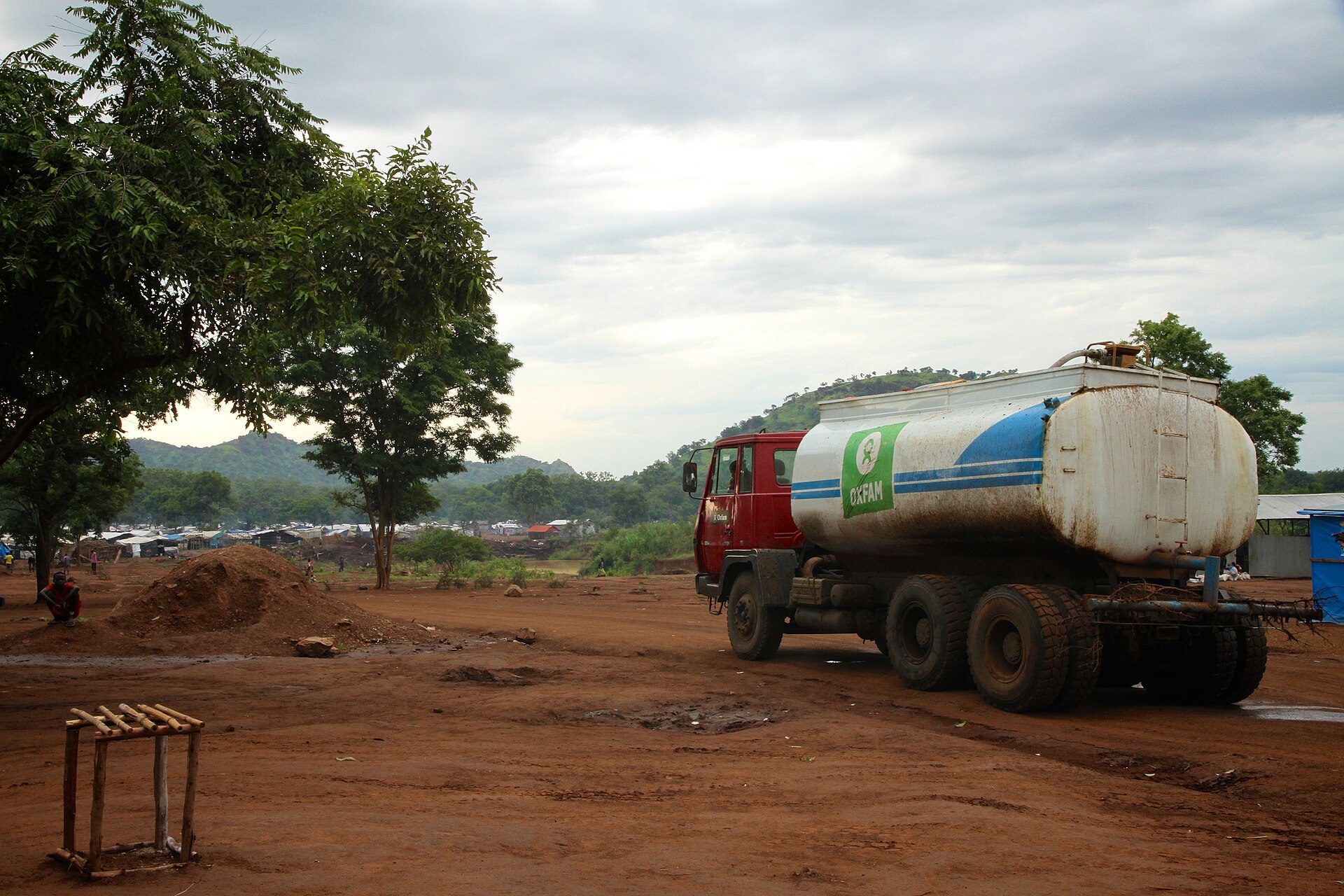
Among refugees, 831,315 people, or 81 percent, live in the 21 refugee camps. Another 140,407 live in sites and settlements such as Alemwech, Mirqaan and Aftit, and 51,843 live in urban areas including Addis Ababa and Tigray.
Women and children make up 78 percent of the refugee population, and children under 18 alone are 53 percent of it. Overall 53 percent of the refugees are female and 47 percent are male.
Who Counts the Displaced
UNHCR names Site Assessment Round 37 of the Displacement Tracking Matrix, the field survey system run by the International Organization for Migration (the UN’s migration agency), as the source of its displaced-person figure. The matrix’s own Ethiopia page dates that round to July and August 2024 and lists no later round.
The sheet says the figure includes people in formal and informal sites, and it cites the matrix’s National Displacement Report 20 for the returnee count. UNHCR’s separate regional dashboard for 30 September 2026 repeats the 1.9 million figure and footnotes the same August 2024 round.
Why the Total Needs Care
UNHCR’s population chart shows displaced people at 3.3 million in 2024 and 1.9 million from February 2025. The sheet does not explain the fall, so the two figures should not be read as 1.4 million people going home.
The regional dashboard adds that about 174,000 Ethiopians are registered as refugees in other countries and that 1,031 Ethiopians returned in 2026. Those numbers come from a different count from the displaced total and should not be added to it.
What It Means for US Readers
Relief budgets are planned from numbers like this one, so US charities and donors that fund work in Ethiopia depend on how current the count is. A total built on 2024 data can understate or overstate needs today.
For investors and companies, displacement of nearly two million people, mostly in the north and centre, is a measure of insecurity in a country of about 135 million people. It is a risk indicator for logistics and operations, not a forecast.
What Is Not Known
- How many of the 1,919,993 people are still displaced today is unclear. The International Organization for Migration, which runs the survey, would have to publish a new national round, and UNHCR’s sheet gives no date for one.
- Whether new fighting since August has added to the total is not stated. UNHCR Ethiopia would show it in its next data sheet, which it has not dated.
Frequently Asked Questions
What does internally displaced mean?
An internally displaced person has been forced from home by conflict, disaster or violence but has not crossed a border. They remain under their own government, unlike refugees, who have left the country.
How many refugees does Ethiopia host?
UNHCR counts 1,023,565 refugees and asylum seekers in Ethiopia as of 31 August 2026. The largest group comes from South Sudan, at 46 percent.
Where are most displaced Ethiopians?
Tigray region has 761,284, counting contested areas, and Oromia region 749,534, together nearly four in five of the 1,919,993 total. Amhara has 166,353 and Afar 123,767.
How current is the 1.9 million figure?
UNHCR dates its sheet to 31 August 2026, but the displaced count rests on a site survey from August 2024. A newer national round would be needed to confirm today’s number.
What causes most displacement in Ethiopia?
UNHCR’s chart attributes 82 percent of internal displacement to conflict, 9 percent to social tension and 4 percent to drought. Another 5 percent has other causes.
Sources: UNHCR Ethiopia, “Refugees and Internally Displaced Persons, as of 31 August 2026” (UNHCR data portal, document 124293); UNHCR Regional Bureau for Eastern and Southern Africa, IGAD region population dashboard, 30 September 2026 (UNHCR data portal, document 124689); IOM Displacement Tracking Matrix, Ethiopia country page (dtm.iom.int/ethiopia); World Bank, population data 2025 (data.worldbank.org/indicator/SP.POP.TOTL).
This article was produced by The Rio Times’ automated newsroom system. How we use AI · Report an error · Editorial responsibility: Matthias Camenzind, Editor-in-Chief
Horn of Africa and the Red Sea
- Horn of Africa 2026: Why It Matters and Who Backs Whom
- Ethiopia’s Neighbors Explained, Ports, Eritrea, Somalia
- Eritrea Explained 2026, a Red Sea Country Guide
- Somalia Explained: Al-Shabaab, Somaliland, the Ports and the Fight Over a 2026 Vote