Djibouti Rejects Ethiopian Request for Tadjourah Corridor and Naval Base
Key Facts
- What happened. President Guelleh formally turned down Ethiopia’s proposal for a corridor with extraterritorial rights stretching from the border to Tadjourah, plus an Ethiopian naval base — a demand he said exceeded all previously discussed agreements.
- How big. Tadjourah is one of Djibouti’s strategic Red Sea ports. Ethiopia, landlocked with about 120 million people, handles most of its trade through Djibouti’s ports and has been seeking more permanent sea access.
- The catch. The refusal is public and categorical, which raises the temperature between two states that depend on each other: Ethiopia needs Djibouti’s ports, and Djibouti’s economy earns much of its income from Ethiopian trade.
- Who it hits. Shipping lines and logistics firms routing Ethiopian cargo, the foreign militaries with bases in Djibouti, and Red Sea traders watching every sovereignty dispute along the corridor.
- What comes next. Guelleh pointed Ethiopia to ports it can already use — Djibouti, Berbera, Assab and Mogadishu — and praised Turkey’s mediation. Whether Addis Ababa accepts that answer is the open question.
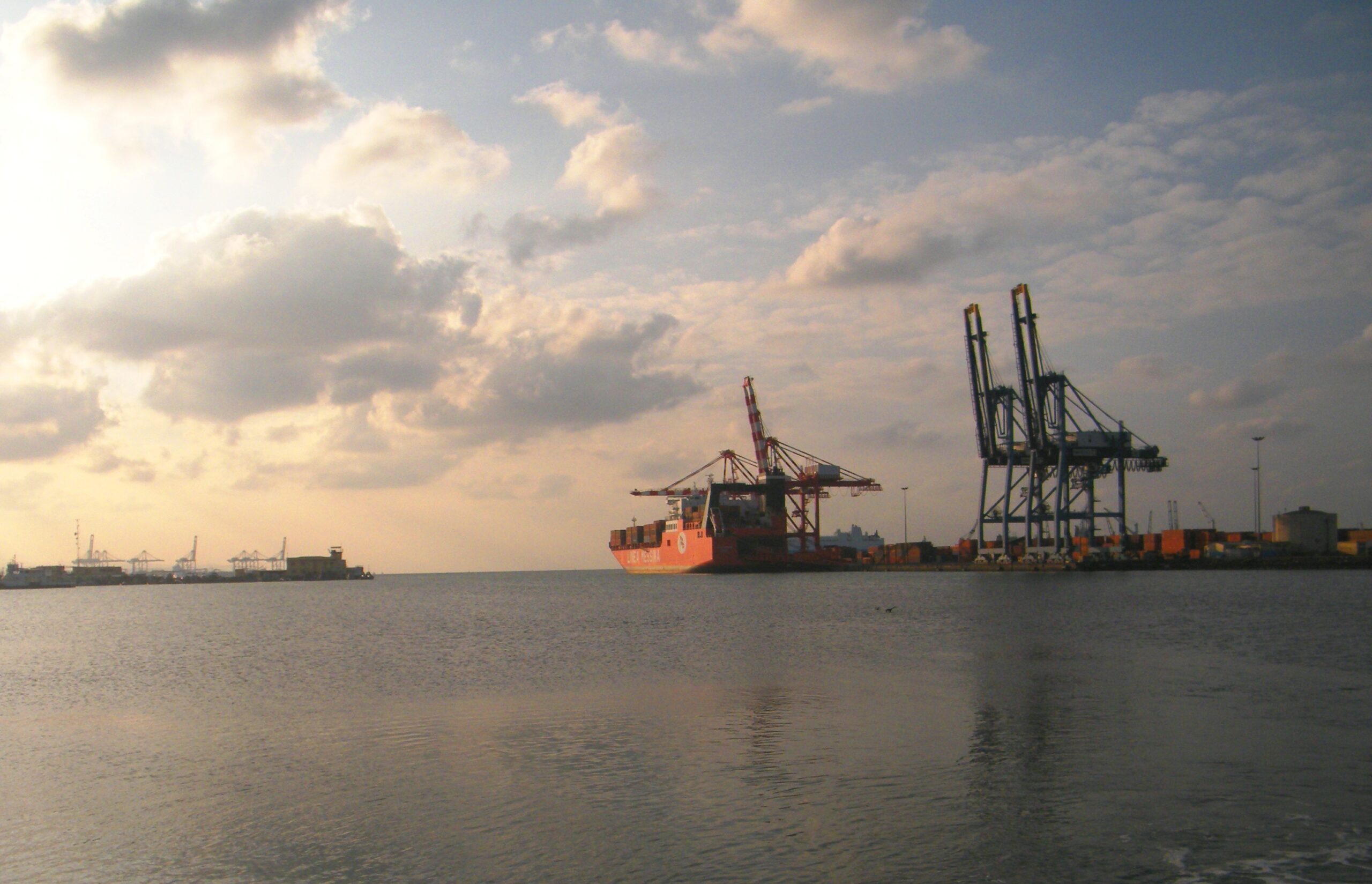
President Guelleh has publicly rejected Ethiopia’s request for an extraterritorial corridor to the port of Tadjourah and a naval base, telling Addis Ababa to use the ports that already welcome it.
Djibouti’s President Ismaïl Omar Guelleh has officially rejected Ethiopia’s request for special access to the port of Tadjourah, including an extraterritorial corridor from the Ethiopian border and a base for the Ethiopian navy. ‘We have made it clear to Addis Ababa that Djibouti is not Crimea,’ he said.
What Ethiopia asked, and what Djibouti heard
According to the Ethiopian Business Review, citing The Eastleigh Voice, Ethiopia requested a corridor with extraterritorial rights running from the Ethiopian border to Tadjourah, together with a naval base for the Ethiopian navy. Extraterritorial means the corridor would be administered outside Djibouti’s full sovereign control. Guelleh’s government rejected both elements categorically, while repeating that Djibouti remains open to economic cooperation and ordinary port access.
The request lands in a long-running regional argument. Ethiopia lost its coastline when Eritrea became independent in 1993, and Prime Minister Abiy Ahmed has described sea access as an existential question for his country. A 2024 memorandum with Somaliland over the port of Berbera triggered a crisis with Somalia that Turkey spent months mediating. Guelleh acknowledged Ankara’s role positively in his remarks.
A refusal that is also an offer
Guelleh’s answer was no, but a structured no. He named four ports he said Ethiopia can already use without controlling them: Djibouti itself, Berbera in Somaliland, Assab in Eritrea and Mogadishu in Somalia. The message to Addis Ababa is that access is available and control is not for sale. ‘Djibouti is not Crimea’ is aimed at any reading that a powerful neighbour could take infrastructure by pressure or precedent.
The same week underlined Djibouti’s alternative diplomacy. Guelleh received Mogadishu’s mayor, Hassan Mohamed Houssein Muungaab, at the presidential palace. The two capitals signed a memorandum of understanding on cooperation in economic development, municipal governance, urban planning, culture and sports, APA News reports.
What this means for expats and businesses
For the logistics companies, insurers and foreign bases that make up much of Djibouti’s international economy, a clear sovereign line is reassuring rather than alarming. It reduces the risk of sudden extraterritorial arrangements that would complicate contracts and jurisdiction. For Ethiopia-watchers, the question is whether Addis Ababa now pushes harder elsewhere — and what that would mean for the fragile calm Turkey built.
What Is Not Known
What Ethiopia offered in return for the corridor, if anything, has not been disclosed. Whether the request is permanently withdrawn or temporarily parked is unclear — Djibouti’s account says it is off the table, and Addis Ababa has not publicly responded. The terms of any alternative arrangement at Assab or Berbera, and the next step in Turkey’s mediation, are also open.
Frequently Asked Questions
What did Ethiopia ask from Djibouti?
According to regional reporting, Ethiopia requested an extraterritorial corridor from its border to the port of Tadjourah and a naval base. Djibouti’s President Guelleh rejected both, saying they exceeded all previously considered agreements.
Why does Ethiopia want sea access?
Ethiopia has been landlocked since Eritrea’s independence in 1993 and moves most of its trade through foreign ports, above all Djibouti. Its government calls permanent sea access an existential national interest.
What does ‘Djibouti is not Crimea’ mean?
Guelleh’s phrase warns that Djibouti’s territory will not be taken or leased away under pressure from a larger neighbour. It refers to Russia’s 2014 annexation of Crimea, used here as a marker of inviolable sovereignty.
Connected Coverage
Sources
Ethiopian Business Review — Djibouti Confirms Ethiopia’s Tadjourah Port Request Is Off the Table · APA News — Djiboutian president meets Mogadishu mayor
This article was produced by The Rio Times’ automated newsroom system. How we use AI · Report an error
Read More from The Rio Times