IBOV 168,498.45 ▲ 1.39% IPC MEX 71,393.57 ▲ 0.43% MERVAL 2,848,945 — — USD/BRL5.50▼ 0.19% USD/MXN18.60▼ 0.15% USD/CLP975.74▼ 0.09% USD/COP 3,240 — 0.00% USD/PEN3.44▼ 0.07% USD/ARS 1,545 — 0.00% USD/UYU40.31▲ 3.23% USD/PYG6,358▲ 6.40% USD/BOB11.81▲ 0.77% USD/DOP60.59▲ 4.05% USD/CRC448.27▲ 2.01% USD/GTQ7.64▲ 3.17% USD/HNL26.88▲ 3.19% USD/NIO 36.62 — 0.00% USD/VES895.29▼ 0.13% USD/PAB1.00— 0.00% USD/BZD2.00— 0.00% USD/JMD157.99▲ 2.78% USD/TTD6.72▲ 2.44% EUR/BRL6.13▼ 0.72% BRENT 98.32 ▲ 0.03% WTI 90.83 ▲ 0.34% IRON ORE 161.91 — — COPPER 6.24 ▼ 0.18% GOLD 4,075 ▼ 0.94% SILVER 51.94 ▼ 0.56% SOY 1,194 ▲ 1.08% CORN 441.50 ▲ 0.34% WHEAT 591.25 ▼ 1.34% COFFEE 280.15 ▲ 1.08% SUGAR 18.25 ▼ 1.67% ORANGE JUICE 130.55 ▲ 1.63% COTTON 78.54 ▼ 0.22% COCOA 5,119 ▼ 1.20% BEEF 214.05 ▼ 0.16% CATTLE 318.38 ▼ 2.05% LITHIUM 60.91 ▲ 1.21% PETR4 45.36 — 0.00% VALE3 64.04 — 0.00% ITUB4 40.53 — 0.00% BBDC4 14.20 — 0.00% ABEV3 15.48 — 0.00% BBAS3 17.13 — 0.00% B3SA3 14.39 — 0.00% WEGE3 48.19 — 0.00% PRIO3 60.48 — 0.00% SUZB3 53.40 ▲ 2.12% RENT3 30.29 — 0.00% AZZA3 14.76 ▲ 4.98% CSAN3 2.77 — 0.00% RAIZ4 28.00 ▲ 2.56% PCAR3 2.40 ▲ 0.42% GMAT3 3.80 — 0.00% PSSA3 44.35 ▲ 1.46% CVCB3 0.84 ▲ 2.44% POSI3 3.09 ▼ 0.64% SLCE3 16.61 ▲ 1.59% NATU3 5.17 — 0.00% BRKM5 3.20 — 0.00% RANI3 8.53 ▲ 0.83% CSNA3 4.41 — 0.00% IBOV 168,498.45 ▲ 1.39% IPC MEX 71,393.57 ▲ 0.43% MERVAL 2,848,945 — — USD/BRL 5.50 ▼ 0.19% USD/MXN 18.61 ▼ 0.07% USD/CLP 975.74 ▼ 0.09% USD/COP 3,240 — 0.00% USD/PEN 3.44 ▼ 0.01% USD/ARS 1,545 — 0.00% USD/UYU 40.31 ▲ 3.23% USD/PYG 6,358 ▲ 6.40% USD/BOB 11.81 ▲ 0.77% USD/DOP 60.59 ▲ 4.05% USD/CRC 448.27 ▲ 2.01% USD/GTQ 7.64 ▲ 3.17% USD/HNL 26.88 ▲ 3.19% USD/NIO 36.62 — 0.00% USD/VES 895.29 ▼ 0.13% USD/PAB 1.00 — 0.00% USD/BZD 2.00 — 0.00% USD/JMD 157.99 ▲ 2.78% USD/TTD 6.72 ▲ 2.44% EUR/BRL 6.13 ▼ 0.72% BRENT 98.32 ▲ 0.03% WTI 90.83 ▲ 0.34% IRON ORE 161.91 — — COPPER 6.24 ▼ 0.18% GOLD 4,075 ▼ 0.94% SILVER 51.94 ▼ 0.56% SOY 1,194 ▲ 1.08% CORN 441.50 ▲ 0.34% WHEAT 591.25 ▼ 1.34% COFFEE 280.15 ▲ 1.08% SUGAR 18.25 ▼ 1.67% ORANGE JUICE 130.55 ▲ 1.63% COTTON 78.54 ▼ 0.22% COCOA 5,119 ▼ 1.20% BEEF 214.05 ▼ 0.16% CATTLE 318.38 ▼ 2.05% LITHIUM 60.91 ▲ 1.21% PETR4 45.36 — 0.00% VALE3 64.04 — 0.00% ITUB4 40.53 — 0.00% BBDC4 14.20 — 0.00% ABEV3 15.48 — 0.00% BBAS3 17.13 — 0.00% B3SA3 14.39 — 0.00% WEGE3 48.19 — 0.00% PRIO3 60.48 — 0.00% SUZB3 53.40 ▲ 2.12% RENT3 30.29 — 0.00% AZZA3 14.76 ▲ 4.98% CSAN3 2.77 — 0.00% RAIZ4 28.00 ▲ 2.56% PCAR3 2.40 ▲ 0.42% GMAT3 3.80 — 0.00% PSSA3 44.35 ▲ 1.46% CVCB3 0.84 ▲ 2.44% POSI3 3.09 ▼ 0.64% SLCE3 16.61 ▲ 1.59% NATU3 5.17 — 0.00% BRKM5 3.20 — 0.00% RANI3 8.53 ▲ 0.83% CSNA3 4.41 — 0.00%
since 2009
Sunday, November 8, 2026

Cuba Analysis

Cuba’s War Economy: What It Means

By · · 2 min read

(Analysis) Cuba recently declared during a Council of Ministers meeting a ‘war economy’, highlighting its dire economic conditions.

This announcement introduced new measures to “reinvigorate the economy in 2024. The term signifies severe food shortages, inadequate wages, and soaring prices—issues Cubans have faced for years.

The declaration sparked mixed reactions, ranging from skepticism to mockery. Despite the dramatic announcement, it failed to create significant fear.

Free daily brief — no card needed
Get every Analysis story in one morning email
We build you a personalized brief around the topics you follow — free for 7 days. Love it? Your first month after that is US$1.

Cubans have struggled economically since the 1990s, following the loss of Soviet support. The term ‘war economy’ now merely labels their ongoing hardship.

The government aims to justify necessary but unpopular budget cuts and tax increases. The core issue lies in a flawed economic model and poor crisis management.

This declaration also points to both the economic crisis and the perceived international “siege” Cuba faces.

Economists warn that the term ‘war economy’ could worsen emigration and deter foreign investors.
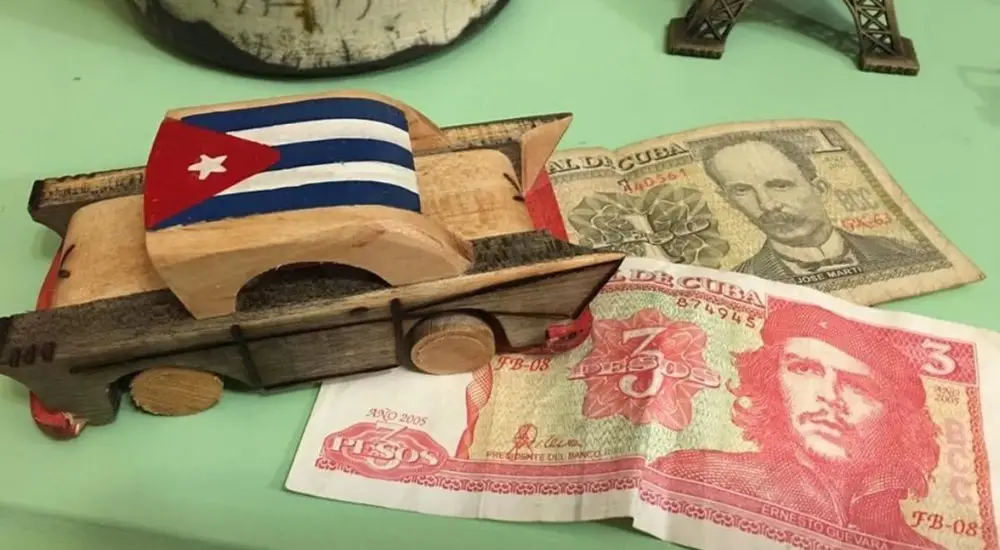
Cuba's War Economy: What It Means.
Cuba’s War Economy: What It Means.
RT
Ask Rio Times
17 years of Latin America reporting, on demand.
Open the full Ask Rio Times →

The government might limit private enterprise and impose price controls, reducing the supply of goods and worsening the purchasing power of wages.

First Deputy Minister of Economy and Planning, Mildrey Granadillo de la Torre, announced measures including budget cuts, price controls, and centralized economic decisions.

These could negatively impact small and medium-sized enterprises (SMEs). The private sector, which includes SMEs legalized in 2021, faces new restrictions that might hamper their operations.

Price caps on essential goods may bring temporary relief but could hurt private businesses, leading to increased scarcity and informal markets.

The administrative control of prices is seen as counterproductive and a sign of failure in inflation management.

Economic growth is necessary to stabilize the situation, which current government plans lack.

Cuba’s ‘War Economy’: What It Means

Comparing the present crisis to the “Special Period” of the 1990s, Cuba now faces greater challenges due to prolonged economic stagnation, increased inequality, and a deteriorating social safety net.

Emigration rates are higher, and the population is aging rapidly, all contributing to a bleak outlook.

Despite various measures, no comprehensive solution has emerged. Removing barriers to manufacturing and agricultural production is crucial for overcoming chronic shortages.

Radical reform of state enterprises and market discipline are essential for economic stabilization.

Cuba’s ‘war economy’ declaration reflects a narrative to justify difficult economic measures and increased state control.

However, experts question the effectiveness of these measures and call for structural reforms to address deeper issues.

This article was produced by The Rio Times’ automated AI newsroom. Editorial responsibility: Matthias Camenzind, Publisher and Editor-in-Chief. How we use AI · Report an error

The Rio Times · Power Map
See who really holds power in Latin America
Click to open the Power Map →

Brazil runoff date: Sunday, October 25, poll closing times and when results start · Brazil runoff polls: Flávio 51%, Lula 49% · Kalshi and Polymarket odds

Rotate for Best Experience

This report is optimized for landscape viewing. Rotate your phone for the full experience.