The Cuban government recently introduced a series of economic controls aimed at revitalizing its struggling economy.
With the pandemic’s impact, tougher U.S. sanctions, and inefficiencies in the public sector, Cuba has pivoted to a “war-time economy.”
This involves stricter price controls and tax enforcement to manage a growing fiscal deficit and rampant inflation.
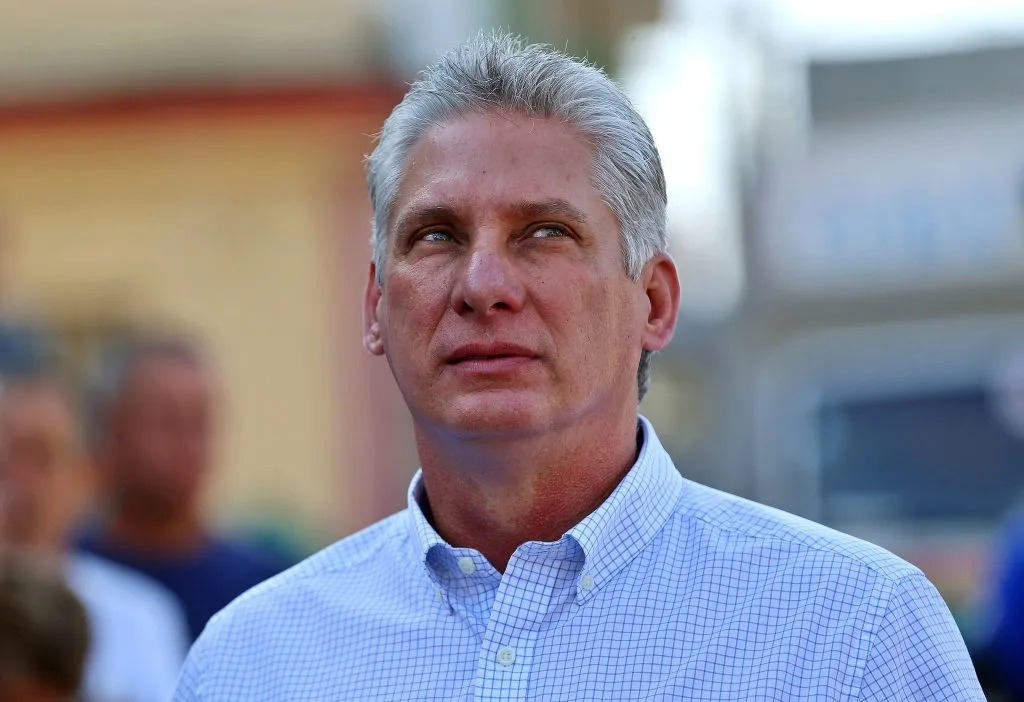
President Diaz-Canel has underscored the importance of these reforms in preserving socialism in Cuba during this pivotal period.
The reforms include a new pricing policy covering both state and private sectors, designed to equalize market conditions and suppress inflation.
Additionally, the government will centralize budget decisions, aligning spending more closely with revenues.
This shift follows the firing of key officials over corruption, signaling a major governmental reset.
These steps reflect strategies used worldwide where nations strengthen economies during crises.
Cuba’s method of imposing rigorous controls mirrors global trends in crisis management, underscoring a common approach to economic recovery.
The goal is to boost foreign exchange, increase food production, and improve public sector efficiency for a stable economy.
Detailed plans are pending, but these steps indicate a major strategy shift for Cuba during its toughest period since the 1959 revolution.
This narrative highlights Cuba’s proactive efforts to ensure economic stability and continuity amid global changes.
More: Cuba news in English, every day from The Rio Times.
This article was produced by The Rio Times’ automated newsroom system. How we use AI · Report an error · Editorial responsibility: Matthias Camenzind, Editor-in-Chief
Cuba and the United States
- What Is Going On Between Cuba and the United States?
- What Is Going On Between Cuba and the United States?
- Can Americans Still Travel to Cuba in 2026?
- Who Runs Cuba in 2026? Raúl Castro and the US Murder Charge