Cuban Clash: Alleged U.S.-Planned Plot Foiled on the Shores of Havana
Cuba has claimed to disrupt a major security breach, accusing the United States of backing a “terrorist plot.”
The mastermind, Ardenys Garcia Alvarez, was caught while illegally entering Cuban waters with weapons.
Cuban officials assert that Alvarez planned to recruit insurgents to destabilize the government. The incident intensifies the longstanding friction between Havana and Washington.
Historically, tensions have surged over accusations, with Cuba often pointing fingers at the U.S. for supporting subversive activities.
This latest episode unfolds amid strict U.S. sanctions, reignited after a brief thaw under President Obama.
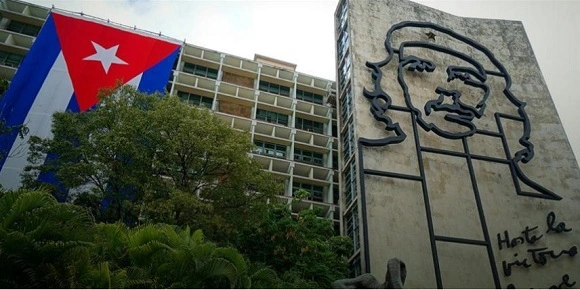
Alvarez’s capture forms part of a larger narrative of distrust. Cuba tightens its grip on internal dissent while spotlighting U.S.-linked conspiracies.
This ongoing saga reflects a complex geopolitical chess game, where narratives of terrorism and counterterrorism are tools in a broader struggle for power.
The timing is crucial. Following a period where U.S.-Cuba relations appeared to warm, the accusation now tests the delicate balance.
Both nations continue to cast competing narratives, with each framing the other as a disruptor of peace.
Understanding this plot is vital for grasping the delicate dance of diplomacy and the shadows of past conflicts that continue to shape U.S.-Cuba relations today.
In short, this narrative isn’t just about a foiled plot; it’s a window into the enduring power and paranoia that define the bilateral relationship.
More: Cuba news in English, every day from The Rio Times.
This article was produced by The Rio Times’ automated newsroom system. How we use AI · Report an error
Read More from The Rio Times